















Designing a small patio: tips and decor ideas
Arranging a small terrace is a challenge that sparks creativity far more than it restricts it. Every square centimetre becomes an invitation to rethink space, blending functionality with aesthetics to create a true extension of your home. Far from off-the-shelf solutions, the goal is to craft a bespoke retreat where furniture is cleverly chosen and verticality becomes your greatest ally. Let us guide you in transforming this outdoor nook into a living space brimming with character, one that truly feels like your own.
Transforming a small terrace into a true haven of greenery and relaxation is an exciting challenge for any interior and exterior design enthusiast. Far from being a constraint, a limited surface area invites creativity, ingenuity, and a meticulous selection of each element. Whether you have an urban balcony, a narrow patio, or a tiny apartment terrace, the goal is to create a space that is functional, aesthetic, and personalized—an additional living area that extends your interior. This article guides you step-by-step in arranging your small terrace, making the most of every square centimeter with style, integrating current trends like biophilia and multi-functionality, and offering a multitude of practical tips to turn this outdoor corner into your favorite refuge.
Analyze the Space and Define Your Needs
Before buying the first flower pot or chair, an analysis phase is crucial. Take the time to study your playground. Start by precisely measuring your terrace. Note the length, width, and also the available height, which is essential for vertical arrangements.
Then observe its sun exposure throughout the day. A south-facing terrace will require drought-resistant plants and shading solutions, while a north-facing exposure will be better suited for ferns and hydrangeas. Also analyze the prevailing winds and any prying eyes to plan suitable privacy screens.
Finally, ask yourself the fundamental question: what will this terrace be used for? Do you want a dining area for intimate dinners, a relaxation space for reading in the sun, a productive small urban garden, or a mix of all these functions? Defining your priorities will allow you to make coherent choices and avoid clutter.
Opt for Suitable and Multi-Functional Furniture
The choice of furniture is the decisive step for a small terrace. The golden rule: prioritize visual lightness and versatility. Forget heavy solid wood sets and turn towards clean designs.
Materials like aluminum, fine wrought iron, light teak, or synthetic rattan are perfect. They withstand the elements without overwhelming the space. Regarding shapes, furniture with fine lines and slender legs creates a sense of airiness.
Multi-functionality is your best ally. Actively seek out pieces that combine uses:
- A convertible coffee table that lifts to become a dining table.
- Storage benches where you can hide cushions, blankets, or gardening tools.
- Lightweight poufs that serve as an extra stool, footrest, or side table.
- Folding or stackable chairs that can be brought out only when you have guests.
A strong current trend is "modular" furniture, composed of blocks that you assemble and rearrange according to immediate needs, offering total flexibility.
Play with Verticality: The Vertical Garden and Smart Storage
When floor space is limited, the only possible direction is up. Exploiting verticality is the magic key to visually enlarging your small terrace and integrating more elements.
The vertical garden is both an aesthetic and practical solution. It allows you to grow herbs, flowers, or even small climbing plants without sacrificing space. You can opt for:
- Wall structures designed for this purpose with planting pockets.
- Shelves or garden ladders on which to place pots at different heights.
- Hanging planters for trailing plants like ivy, ferns, or petunias.
- A trellis or wire mesh fixed to the wall to guide climbing plants (clematis, star jasmine), creating a natural green wall.
This verticality also serves for storage. Install waterproof wall boxes to store small accessories, tool holders, or a stylish log rack if you have a brazier. Also think about hooks for hanging lanterns, planters, or folding chairs when not in use.
Create Ambiance with Flooring and Textiles
The floor of your terrace is an essential backdrop. For a small surface, avoid coverings with large patterns or that are too dark, as they risk "shrinking" the space. Prefer light and neutral tones (light gray, beige, light wood) that reflect light.
Composite wood decking or tiles (like WPC) are very trendy for their warm look and minimal maintenance. Another practical and economical option: polypropylene outdoor floor mats. They come in modern patterns (zebra, geometric) or more natural ones (like seagrass effect) and allow you to define a zone, like a lounge or dining area, while adding a touch of comfort and color.
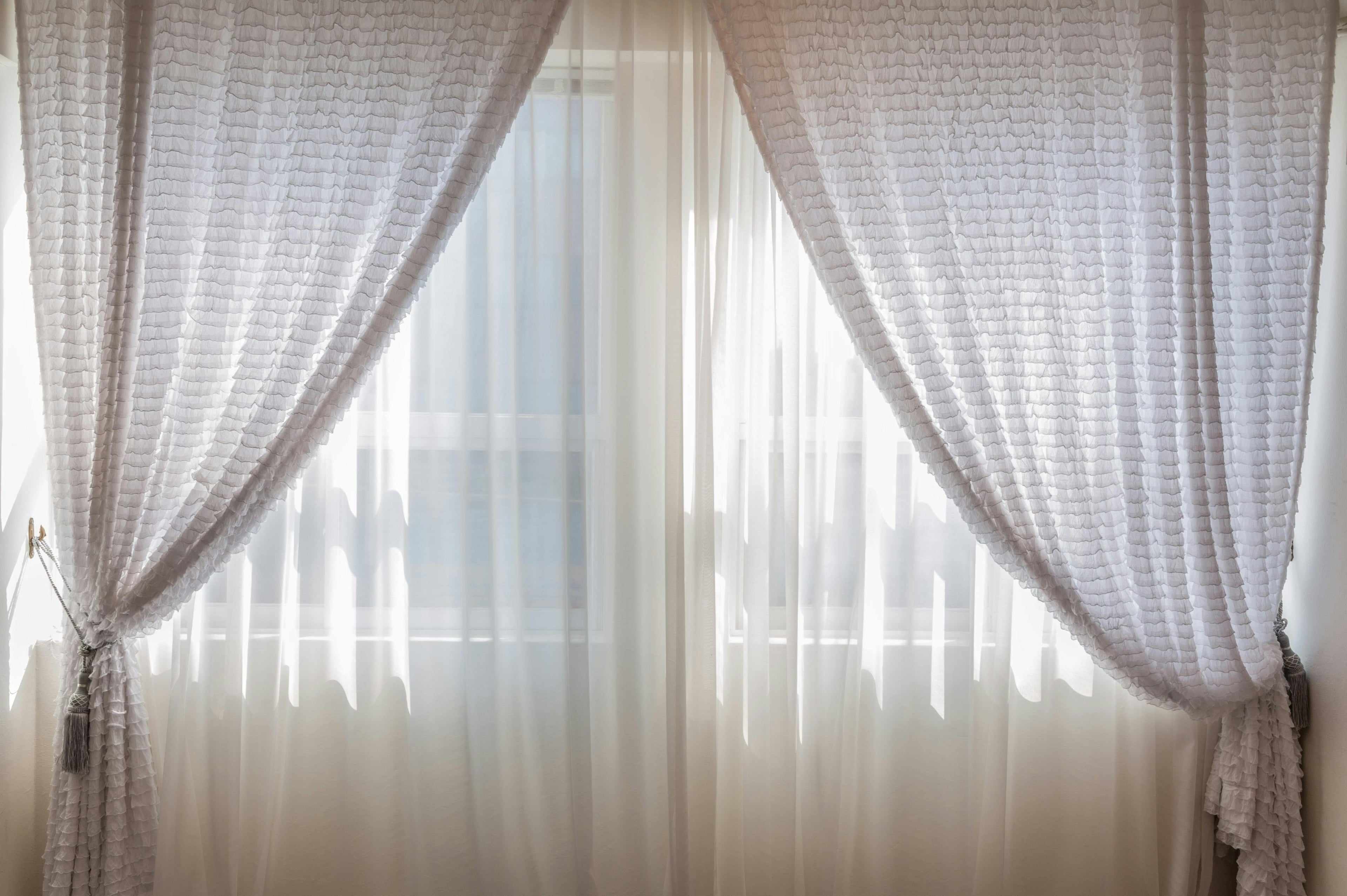
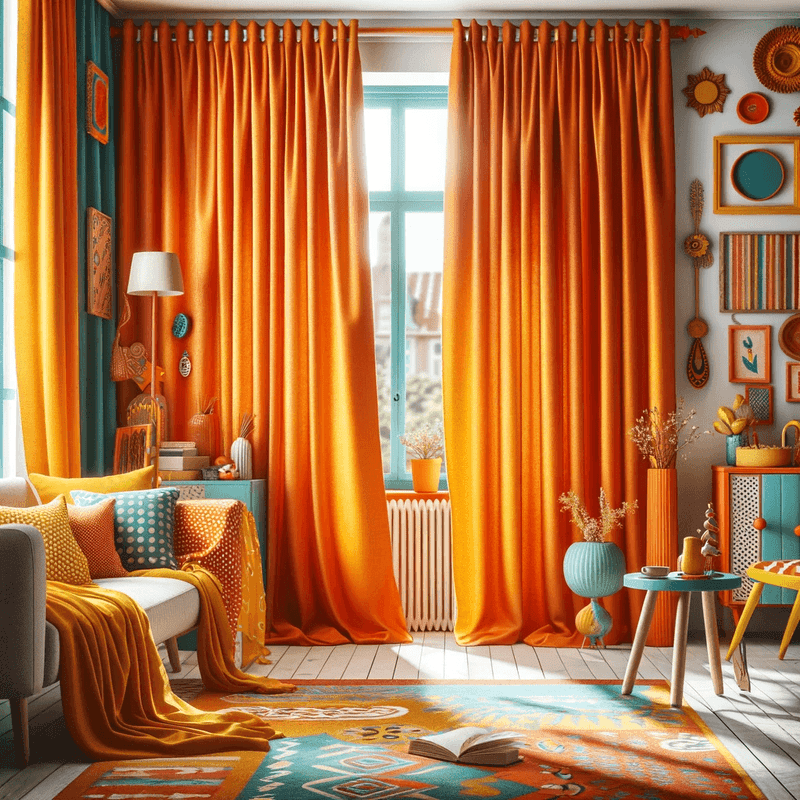
Textiles are the accessories that instantly infuse personality and warmth. Invest in outdoor cushions with removable and washable covers, a throw for cool evenings, and light curtains. The latter are a brilliant trick: fixed on a tension wire or rod, fine voile or linen curtains create a poetic visual separation, filter the light, and bring an impression of volume and intimacy.
Lighting: Staging Summer Evenings
Good lighting transforms a terrace usable only during the day into a magical place at nightfall. For a small terrace, the idea is to create a soft and enveloping atmosphere without glare.
Forget blinding spotlights and adopt indirect and multiple lighting. String lights (LED, solar, or plug-in) remain unbeatable. Wrap them around a railing, in the branches of a small potted tree, or along a trellis. Lanterns with candles or LEDs placed on the ground or on shelves create pools of warm light.
Solar stake lights are perfect for lighting steps or flower beds without wires. Finally, for a very design and current touch, directional LED ground spotlights, aimed at a green wall or sculpture, add a scenographic dimension. Also consider adjustable pendant lights above a table, which perfectly define a dining area.
Choosing Suitable and Structural Plants
Vegetation is the soul of your terrace. For a small space, the selection must be strategic. Prioritize plants that offer a big impact for a small footprint.
Opt for species with a columnar or narrow habit (like certain dwarf conifers, non-invasive 'Fargesia' bamboos) that take up little floor space. Climbing plants, already mentioned, are ideal. For an immediate and colorful effect all season long, annuals in planters (trailing geraniums, surfinias, bidens) are unbeatable.
Also think about aromatic herbs (thyme, rosemary, chives, basil) which are useful, smell good, and are often small. To structure the space, use plants as architectural elements: a large pot with a shrub (an olive tree, a dwarf Japanese maple) can serve as a focal point and hide an unsightly corner. Combine heights, textures (succulent leaves, fine, fuzzy) and flowering periods for a dynamic look all year round.
Protecting Your Privacy with Style
In an urban environment or close to neighbors, creating a bubble of privacy is often a priority. The solutions are numerous and can become real decorative assets.
Reed screens or wooden privacy screens (like lattice) add a natural touch and allow you to create separations without completely blocking light and air. Slatted panels or adjustable blinds (like 'Screen' or 'Louver' style) offer total control over privacy and sunlight.
For a living and ecological solution, nothing beats a hedge or green screen. Fast-growing, dense potted plants like bamboo, viburnum, or certain euonymus can form a real green wall in a few seasons. Trellises covered with evergreen climbing plants (ivy, trachelospermum) ensure privacy even in winter.
Integrate Current Decor Trends
To give your small terrace a fresh look, draw inspiration from current trends. Biophilia, or the deep integration of nature into our environment, is more relevant than ever. It translates into raw materials (terracotta, stone, untreated wood), organic shapes, and an abundance of different types of plants.
Earthy and sandy tones dominate color palettes, creating calming, nature-connected atmospheres. The "Japandi" style, a fusion of minimalist Japanese and warm Scandinavian, is perfect for small spaces: clean lines, low furniture, natural materials, and an absence of superfluity.
Finally, the "outdoor living" trend pushes us to consider the terrace as a real room. Thus, you'll find durable rugs, comfortable sofas, lanterns, throws, and even supplementary heating elements (braziers, infrared heaters) to extend its use into the evening and during transitional seasons.
Maintaining and Evolving Your Small Terrace Through the Seasons
A successful arrangement is also one that is easy to live with. Plan a small, accessible storage corner for maintenance products, tools, and protective covers. Overwinter your most fragile furniture or protect them with suitable covers.
The beauty of a small terrace is that it can evolve easily. Don't hesitate to change the decor according to the seasons: bright-colored cushions for summer, warm blankets and lanterns for autumn. Rotate your plants, bring frost-sensitive species indoors in winter, and take the opportunity to slightly rearrange the space. This flexibility keeps your outdoor corner always attractive and in tune with your current desires.
FAQ: The Most Frequent Questions About Arranging a Small Terrace
What is the best flooring for a very small terrace?
For a very small surface, the priority is to avoid visual fragmentation. A uniform and light-colored covering is ideal. Resin tiles or specific outdoor floor paints allow for a monolithic and modern look. Single-piece outdoor rugs, covering almost the entire surface, are also an excellent option to bring comfort and unity in one gesture.
How to arrange a narrow rectangular small terrace?
For a "corridor" terrace, you need to play with perspective. Place the most attractive elements (a beautiful armchair, a structural plant) at the far end to draw the eye and create depth. Arrange furniture lengthwise, along the walls, to free up a central passage. Use outdoor mirrors on a side wall to visually double the space and reflect light.
Can you really have a dining area and a relaxation area on 10m²?
Absolutely. The key is to use furniture that transforms or stores away. A fixed bench along a wall can serve both as seating for the relaxation area and as one side of the dining area. A wide coffee table can serve as a low dining table (Japanese style) with floor cushions. By opting for lightweight chairs that you move, you can reconfigure the space in seconds depending on whether you want to have lunch or lounge.
Which plants to choose for a shaded terrace?
A terrace with little sun offers a suitable ground for woodland plants. Prioritize ferns, hostas with magnificent foliage, hydrangeas, impatiens, begonias, and cyclamens. Plants with variegated foliage (ivy, aucuba) will bring light. Aromatic herbs like mint and chives also tolerate shade well.
How to protect your terrace from prying eyes without making it dark?
Prefer openwork solutions that filter light rather than opaque blockages. Natural fiber reed screens, geometric-patterned lattices, decorative metal trellises, or shade sails let air and filtered light through while creating sufficient privacy. Vegetation is once again a choice ally for a living and luminous screen.
Arranging a small terrace is an exercise in style and optimization that richly rewards the effort. By following these principles—analyzing, choosing suitable furniture, exploiting verticality, curating the ambiance, and integrating vegetation intelligently—you will transform a cramped space into an outdoor cocoon you won't want to be without. Remember that personalization is the final key: add a sculpture, a wind chime, found objects… Make this terrace a reflection of your personality. To discover more inspiration and practical guides for decorating all your living spaces, feel free to explore the other articles and sections of the ombreinterieur.fr blog. To go further, try Voilage Petite Hauteur in your room. Before choosing, browse how to integrate a rug in a small 30 m entryway. Visit ombreinterieur.fr to explore the entire catalog.
