















Complete guide to furnishing your living room
Furnishing your living room goes far beyond picking a sofa and a coffee table. It is a design project that hinges on the balance between comfort, flow and visual identity. Before giving in to the temptation of a purchase, function must come first: relaxation, entertaining or work? This feature invites you to reconsider each room as a link in a coherent whole, where materials and volumes converse. Let yourself be guided in composing a space that breathes harmony, without a single false note.
Furnishing your living room is much more than a simple layout task; it's the project of bringing the beating heart of your home to life. This space, dedicated to relaxation, conversation, and personality, must combine comfort, functionality, and aesthetics. Yet, faced with an empty room or an aging layout, questions arise: where to start? How to avoid common mistakes? What are the lasting trends? This article is your complete guide to furnishing your living room well, from the initial reflection to the finishing touches that make all the difference. We will cover essential planning, choosing key pieces, the art of composition, color palettes, strategic lighting, and current trends to create a living room that reflects you and welcomes you perfectly.
The Essential Phase: Plan Before You Buy
Diving headfirst into buying furniture is mistake number one. Meticulous planning is the key to a successful living room. This step lays the foundation for your entire decorating project.
Start with a thorough analysis of the space. Take precise measurements of the room: length, width, ceiling height. Note the location of doors, windows, radiators, electrical outlets, and light switches. These fixed elements dictate circulation and furniture placement.
Next, define the primary functions of your living room. Is it mainly a family relaxation area, a home cinema, an entertainment space for friends, or does it include a home office? The answer will determine your choices. A large family will prioritize a large modular sofa, while a movie buff will invest in optimal comfort and a good audiovisual system.
Finally, establish a realistic budget. Allocate it between major pieces (sofa, storage), comfort elements (armchairs, tables), and decoration (lighting, textiles, accessories). It is often wise to invest in quality furniture for the central elements, which endure the most wear and tear.
The Sofa, the Centerpiece and Anchor
Choosing the sofa is probably the most important decision. It occupies a central place, both physically and in the room's ambiance. Several criteria come into play.
The size and shape must adapt to your room and your needs. For a small living room, a two-seater sofa with slim arms or a compact corner model can be ideal. In a large space, an L-shaped sofa or a modular set offers great flexibility. Remember to leave a circulation space of at least 60 cm around the furniture.
The sofa's style defines the spirit of the room. A velvet sofa with metal legs brings a modern and soft touch. A linen model with clean lines fits into a Scandinavian style. A vintage leather sofa suits an industrial or retro spirit.
Comfort is king. Test the seat, the backrest, and the depth. A seat that is too soft can become uncomfortable over time. The current trend is towards deep and generous seating, inviting you to snuggle. Don't forget practicality: removable and washable covers are a valuable asset, especially with children or pets.
Alternatives and Complements to the Sofa
The sofa does not always reign as the absolute master. For atypical spaces or lighter atmospheres, other options exist. A custom-built bench along a wall can maximize space and offer integrated storage. A set of matching or contrasting armchairs creates more intimate and dynamic conversation areas. This is an excellent solution for furnishing a living room open to the kitchen, allowing you to define distinct spaces without a partition.
The Art of Tables: Coffee, Central, and Side
Tables are the functional partners of the sofa and seating. They must be chosen carefully for their utility and proportion.
The coffee table is the unifying element. Its height should be slightly lower than or equal to the seat height of the sofa. For a family living room, prioritize round or oval shapes (less dangerous for children) and durable materials (solid wood, high-quality laminate). Models with a lift-top or integrated storage (drawers, shelf) are extremely practical.
Side tables, often overlooked, are essential for comfort. Place one next to each armchair and at the ends of the sofa. They hold a lamp, a book, a cup of tea. Multi-level models or small mobile carts add flexibility.
In large spaces, a central table, larger in size, can serve as a play area, occasional workspace, or informal dining table. Ensure it does not block the natural circulation in the room.
Storage Solutions: Combining Utility and Pleasure
A tidy living room is a calming living room. Smart storage solutions allow you to conceal clutter while contributing to the decoration.
Open bookshelves and shelves are both practical and decorative. They structure a wall, allow you to display books, art objects, green plants. For an airy look, alternate filled shelves with shelves left empty or with a single highlighted object. The trend is towards colorful bookshelves or slim metal structures for a less bulky effect.
Low furniture, like long consoles or sideboards, are perfect under a window or along a wall. They offer a display surface (for seasonal decor, a series of vases) and discreet storage behind their doors.
Also think about storage integrated into other furniture. Ottomans with storage, coffee tables with drawers, sofas with storage in the seat are valuable assets for optimizing space, especially in small living rooms.
Composing with Space and Circulation
The arrangement of furniture is a subtle science that influences comfort and atmosphere. There are several classic layouts to adapt to your room.
The layout centered on the coffee table is the most common. Sofa and armchairs are grouped around it, creating an island of conviviality. Ensure everyone can reach the table without getting up.
For long rooms or studios, dividing into zones is crucial. Use the orientation of furniture to create distinct spaces: a relaxation area facing the television, a reading nook near the window with an armchair and an architect lamp, a small desk in a corner. A well-placed rug can visually anchor each zone.
Circulation should be fluid and intuitive. Main pathways (to the entrance door, kitchen, bedrooms) should remain clear. Avoid placing a piece of furniture facing a door. The goal is to guide the eye and steps without obstacles.
The Magic of Colors and Materials
The color palette and choice of materials give soul to your living room. They create emotion and reinforce the chosen style.
For a calming and timeless base, start with walls and main furniture in neutral tones: off-whites, soft grays, beiges, taupe. This bright base offers great freedom to play with color through accessories. 2026 trends see the emergence of warmer, earthier neutrals, like softened terracotta, sage green, and ochres, which bring a cocooning sensation.
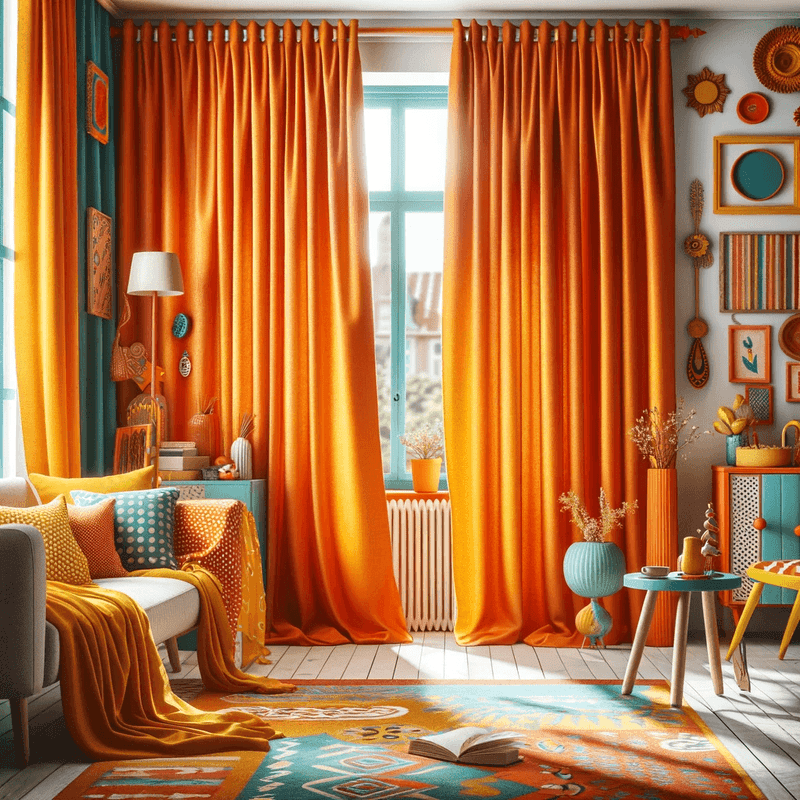
Introduce pops of color with textiles and accessories. Cushions, throws, curtains, and rugs are the perfect elements to experiment with. The 60-30-10 rule is a good guide: 60% dominant color (neutral), 30% secondary color (for armchairs, a large rug), and 10% accent color (cushions, artwork).
Mixing materials brings richness and depth. Combine the softness of velvet (sofa), the warmth of wood (table, floor), the elegant coolness of metal (furniture legs, pendant light), and the natural texture of rattan or jute (ottoman, basket). This sensory alchemy is essential for furnishing a living room that is welcoming and interesting.
Lighting: Staging the Ambiance
Good lighting is layered. It is not limited to a ceiling light but combines several sources to adapt to each moment of the day and each mood.
General or ambient lighting diffuses soft, uniform light. It can come from a ceiling light with a dimmer, recessed spots directed towards the walls, or several wall sconces. Prioritize bulbs with a warm color temperature (2700K-3000K) for a cozy atmosphere.
Accent lighting highlights. A directional spot on a piece of art, a table lamp on a bookshelf to illuminate a collection, an LED strip behind the sofa for a dramatic effect. This lighting creates points of interest and depth.
Task or functional lighting is essential for specific activities. An architect lamp or an articulated floor lamp next to the reading chair. A table lamp near the sofa for knitting or board games. These sources should be placed at the appropriate height and orientation to avoid glare.
Current trends value sculptural lamps, which become works of art when turned off, and connected lighting systems, allowing control of intensity and color from a smartphone.
Current Trends for a Modern Living Room
Keeping up with trends allows you to infuse a contemporary touch into your interior. Here are the strong movements of the moment for furnishing your living room well.
The organic modern style or "biophilic" is omnipresent. It involves integrating nature indoors through shapes (soft curves, inspired by pebbles), materials (raw wood, stone, linen, wool), and of course, plenty of green plants. Furniture with rounded lines and earthy tones are its ambassadors.
The search for maximum comfort translates into "cocooning." Ultra-comfortable sofas and armchairs with enveloping shapes, cozy textiles like faux fur or teddy, comforting color palettes. The living room becomes a sanctuary.
Personalization and upcycling are gaining ground. Having unique pieces, whether it's a refurbished vintage furniture item, a work by a local artist, or an artisanal rug, gives soul to the space. Modular furniture, which can be reconfigured at will, meets this need for flexibility and personal expression.
Finally, technological integration is becoming more discreet and aesthetic. Outlets integrated into tables, designer speakers, centralized management of lighting and blinds... Technology blends into the decor to serve the user experience without dominating it.
Mistakes to Absolutely Avoid
Certain pitfalls can compromise the balance and comfort of your living room. Knowing them allows you to avoid them.
- Neglecting scale and proportions: Furniture that is too large overwhelms a small room, while furniture that is too small in a large space gives an impression of emptiness and disorder.
- Pushing all furniture against the walls: This rigid arrangement creates a dead zone in the center and hinders the intimacy of conversations. Don't hesitate to pull the sofa forward to create a space behind it, which can accommodate a console.
- Forgetting multiple light sources: A single ceiling light creates harsh shadows and an impersonal ambiance. Multiplying light sources at different heights is fundamental.
- Following a trend to the letter without adapting it: A living room entirely furnished with the latest novelties can seem impersonal and quickly dated. It's better to adopt trends in touches, through easily renewable accessories.
- Sacrificing comfort for style: A beautiful but uncomfortable sofa will be shunned. Physical comfort must always come first.
FAQ: Answers to Your Questions on Living Room Layout
How to furnish a small living room without cluttering it?
Prioritize multifunctional furniture: sofa bed, coffee table with storage, storage ottoman. Opt for pieces with slim legs and clean lines that let light through. Use verticality with high wall shelves for storage. A light color palette and a strategically placed mirror will visually enlarge the space.
What is the ideal distance between the sofa and the television?
A general rule is to multiply the diagonal of the screen (in inches) by 2.5 to get the distance in centimeters. For example, for a 55-inch screen (140 cm diagonal), a distance of 3.5 meters is comfortable. Adjust according to the screen resolution and your visual acuity. The screen should be at eye level when seated.
Is a rug absolutely necessary in the living room?
No, but a rug is highly recommended. It anchors the conversation area, defines a zone, adds acoustic and thermal comfort, and is a fantastic decorative tool. Choose a sufficient size: in a classic layout, the front feet of the sofa and armchairs should rest on the rug.
How to mix furniture styles harmoniously?
Create a link between pieces through a common color, a recurring material, or a similar shape. For example, associate a modern sofa with a rustic wooden coffee table, but repeat the wood color on the shelves or frames. Balance is key: don't mix too many different styles in a small room.
What is the average budget to furnish a 20m² living room?
It varies enormously depending on the quality and origin of the furniture. For a complete setup (sofa, coffee table, storage, armchairs, lighting, rug, textiles) in entry/mid-range, expect between €3,000 and €6,000. It is possible to reduce this budget by hunting for second-hand pieces, doing DIY, or buying progressively.
Conclusion: Your Living Room, an Evolving Creation
Furnishing your living room well is a journey that mixes pragmatic reflection and personal expression. There is no single formula, but guiding principles: plan according to space and needs, choose quality key pieces, compose with balance, play with light and materials. Remember that your living room is a living space, which can and should evolve with you. Dare to experiment, add a plant, change cushions with the seasons. The ultimate goal is to create a place where you feel perfectly at ease, a true reflection of your personality and a setting for your shared life moments.
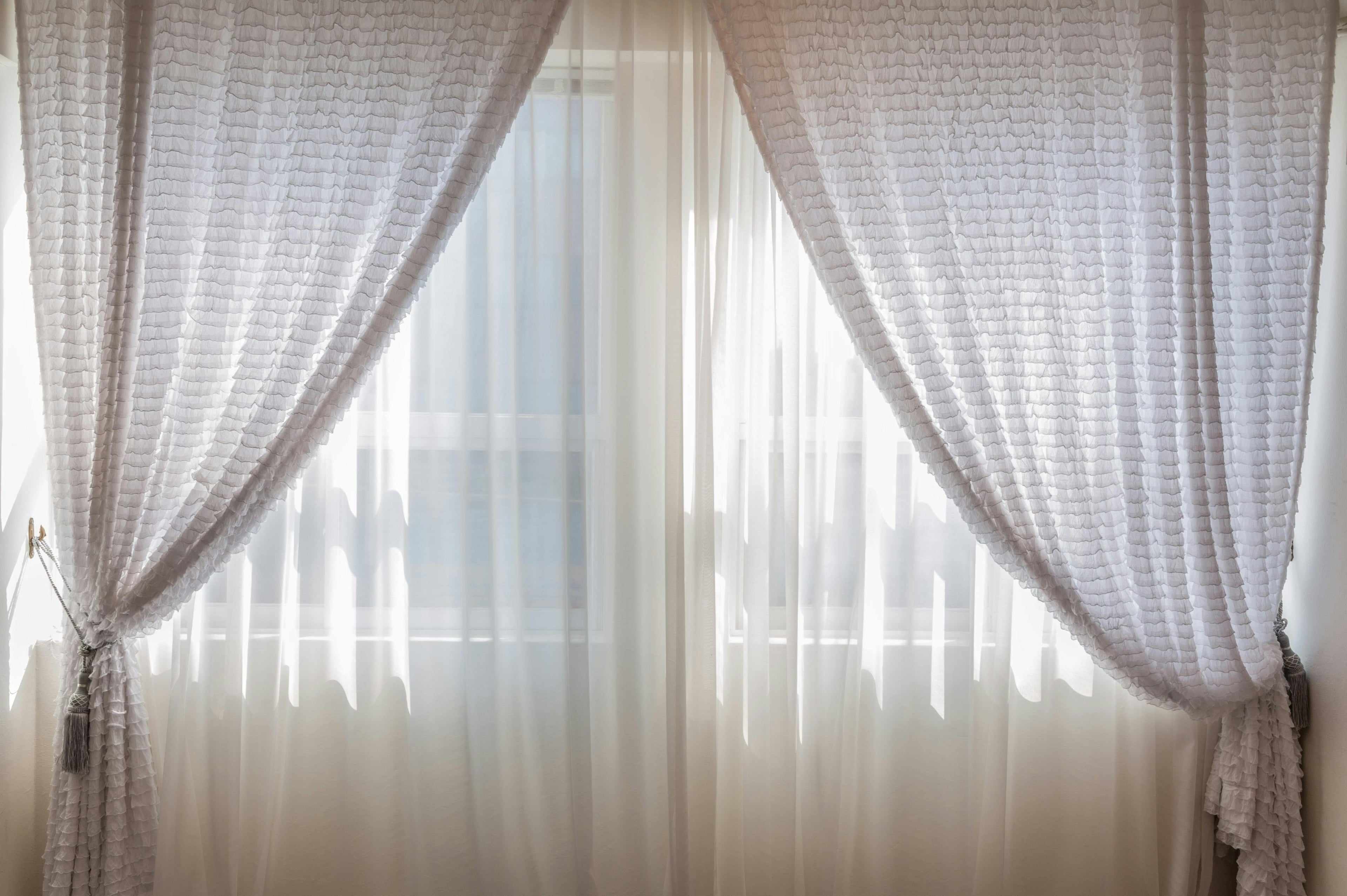
Looking for inspiration to choose your style or find solutions adapted to your space? Explore our many guides and idea galleries on ombreinterieur.fr to turn your project into reality. Our Voilage Pour Salon integrates perfectly into this style. Our guide comment bien choisir les objets de decoration pour le salon helps you make the right choice. Get inspired on our decoration website for your next projects.
