














Decorating tips for high ceilings: cozy atmosphere guaranteed
A lofty ceiling can feel disorienting, turning a living room into a cold cathedral rather than an intimate haven. Yet this height, far from being a flaw, offers a unique opportunity to reimagine your room’s balance. The challenge lies in taming the verticality without denying it, by playing with colour, layered lighting and carefully calibrated proportions. You will see how these tools transform an architectural hurdle into a true decorative signature, creating an atmosphere that is as spectacular as it is warm.
A ceiling that is too high may seem like a luxury, but it often presents a significant decorative challenge: creating a warm and intimate atmosphere without sacrificing the majesty of the space. These impressive volumes, typical of old Haussmannian buildings, industrial lofts, or certain contemporary homes, can sometimes create a feeling of emptiness and echo, making the room difficult to furnish and inhabit emotionally. Fortunately, with the right decorating tips for a too-high ceiling, it is possible to rebalance the proportions, visually lower the height, and transform this verticality into a major asset. This article guides you through proven strategies and current trends to tame your ceiling heights and make them the highlight of your interior.
Understanding the Challenges and Opportunities of a High Ceiling
Before embarking on the layout, it is crucial to analyze the space. A high ceiling is not a problem in itself, but an architectural feature that requires a specific approach. The main challenge lies in the break in scale between the immensity of the volume and the furniture, often crushed on the floor. This can create an impression of coldness. However, the opportunities are immense: magnified natural light, optimal air circulation, and the possibility of creating spectacular and theatrical atmospheres. The goal of decorating tips for a high ceiling is therefore not to deny this height, but to tame it to generate comfort and character.
The Power of Color: Visually Lowering the Ceiling
Paint is the most powerful and economical tool to radically change the perception of a room. For a ceiling that is too high, the classic technique involves creating a horizontal break.
The Painted Frieze or Chair Rail
Instead of painting the entire wall a dark color, apply a strong color to the lower part of the walls, up to a height of about 2.10 to 2.40 meters. Above, draw a perfectly horizontal line and paint the upper part and the ceiling itself in a lighter shade, even white. This horizon line attracts the eye and creates an effective visual boundary. Deep earthy tones (dark blue, forest green, terracotta) are very trendy for the lower part.
The Dark-Colored Ceiling
Counterintuitive but extremely effective, painting a high ceiling a dark color (anthracite gray, midnight blue, deep green) allows you to "bring it closer." This technique, highly prized in bold contemporary interiors, creates an enveloping and dramatic atmosphere, especially if the walls are light. It works wonders in bedrooms or libraries.
Patterns and Murals
For the more creative, a wall mural or a patterned wallpaper on the upper part of the wall can capture attention and structure the space. Wide horizontal stripes are a safe bet to widen the room and counterbalance the verticality.
Layered Lighting: Creating Levels of Light
Poorly thought-out lighting accentuates the emptiness of a high ceiling. The trick is to abandon the single central pendant light and design layered lighting at different heights.
First layer: ambient lighting at floor and eye level. Use designer floor lamps, wall sconces at mid-height, table lamps, and LED strips concealed in furniture. This draws the eye downward and illuminates living areas.
Second layer: accent lighting. Direct adjustable spotlights or projectors towards artwork, bookshelves, or interesting architectural elements on the walls.
Third layer: ceiling lighting. If you have a pendant light, choose one of spectacular dimensions that embraces the height. Models with multiple branches descending to different levels (like cluster pendants) are perfect. Otherwise, opt for recessed downlights or, a current trend, track lighting which adds an industrial touch and directs light precisely.
Furniture to Scale: Tall Furniture and Structuring Volumes
To fill the vertical void, you need to introduce furniture that rises towards the ceiling. This is one of the most effective decorating tips for a high ceiling.
- Tall Bookshelves and Shelving: They are your best allies. Take them all the way to the ceiling to create a full visual column. Fill them with books, objects, and trailing plants to add texture.
- Imposing Cabinets and Dressers: A large kitchen sideboard, a Norman-style armoire, or a tall wardrobe will immediately structure the space.
- Beds and Sofas with a High Headboard: A padded headboard rising to 1.5 meters or more creates an anchored focal point in the room.
- Screens and Decorative Partitions: They allow you to divide the space without obstructing light and add an interesting vertical element.
Exploiting Verticality with Textiles and Curtains
Tall windows are a blessing. To dress them, forget short curtains.
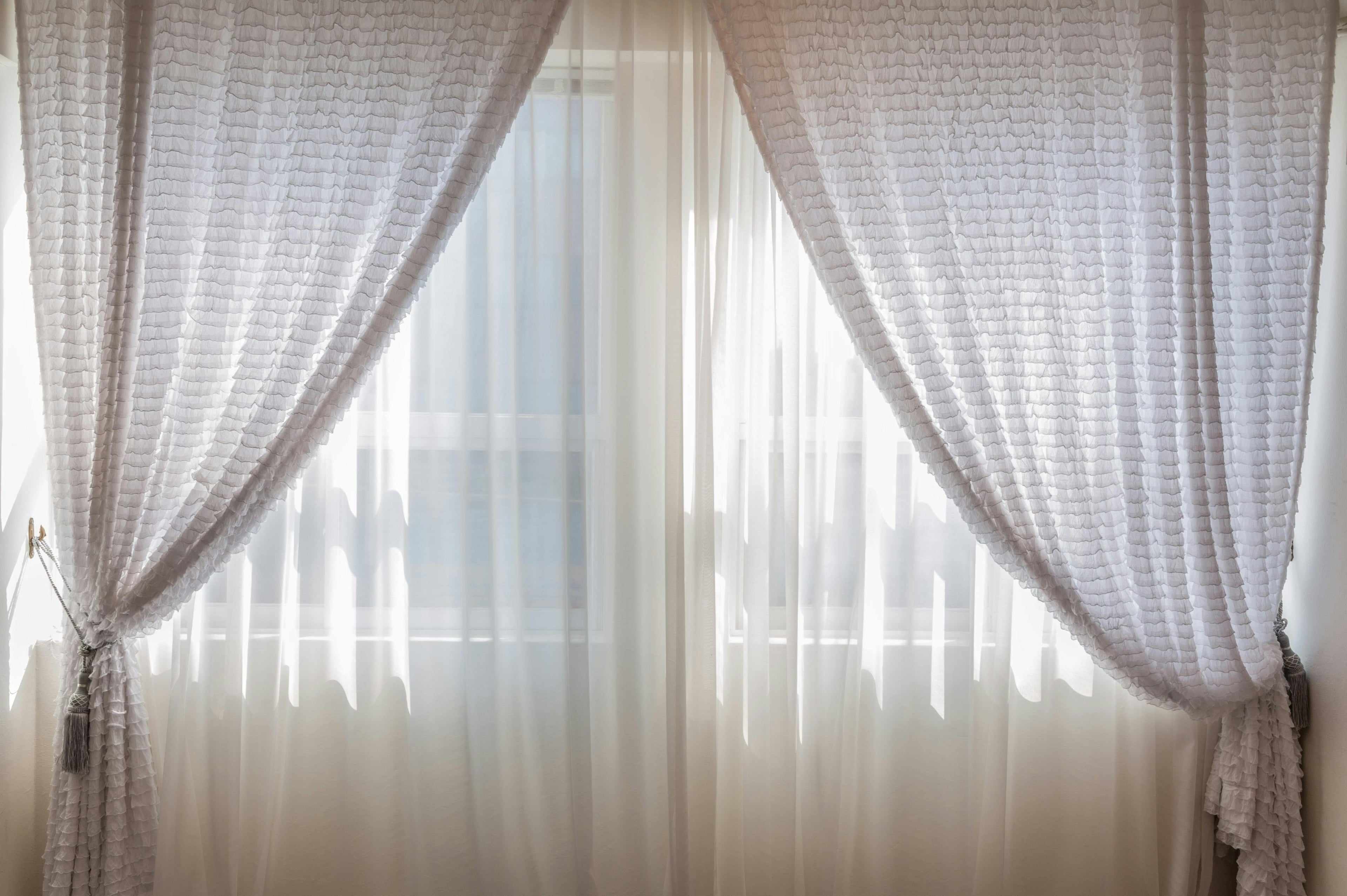
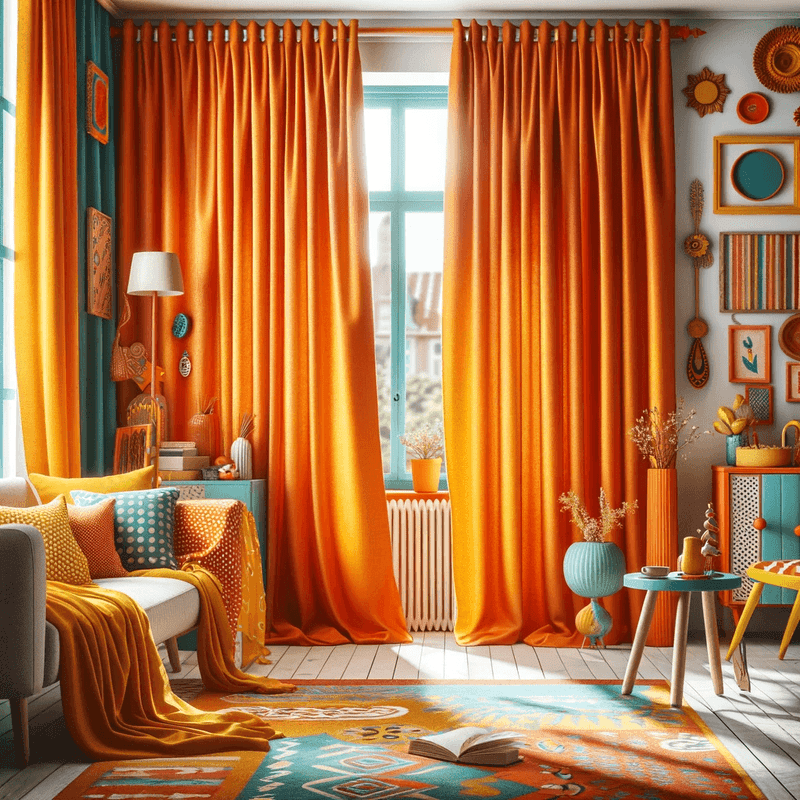
Install curtain rods as high as possible, right under the cornice or the wall/ceiling junction, and choose curtains that fall to the floor, even pooling slightly. This vertical flow of fabric beautifully draws the eye. To accentuate the effect, opt for discreet vertical patterns or fabrics with a marked texture (linen, velvet). Double curtains, with a sheer layer and a thick fabric, add volume and luxury. This approach is an essential decorating tip for a high ceiling that immediately brings warmth.
Artwork and Mirrors: Playing with Proportions
Hanging artwork is strategic. A small painting lost on a large wall worsens the problem.
Prefer very large formats (canvases, large-format photographs) or compose a tight, structured gallery wall that occupies a large portion of the wall, preferably starting from a reasonable height (eye level) and going upward. Mirrors are also magical. A large mirror leaning on the floor or an oversized mirror hung on the wall reflects light and gives the illusion of a wider space. Place it opposite a window to maximize the effect.
Architectural Elements and False Beams
If you're ready for more significant work, adding structural elements can transform the space.
Installing false wooden beams (or high-density polystyrene for a similar look without the weight) is a historic solution to break up the height of a ceiling. They bring warmth, character, and a strong horizontal line. Another idea: create a gallery, a mezzanine, or a high storage space accessible by a ladder, typical of loft atmospheres. This functionally uses the volume. Finally, creating a wide, pronounced molded cornice can also serve as a visual stop line.
Vegetation: Climbing and Hanging Plants
Plants are living, dynamic allies. For a high ceiling, exploit trailing and climbing varieties.
- Hanging pots at different heights with plants like pothos, ivy, or string of hearts creates a moving plant curtain.
- Installing structures for climbing plants (strings, trellises) along a wall allows a climbing philodendron or an indoor hop to colonize the vertical space.
- Placing a large indoor tree (a false philodendron (Monstera deliciosa), a palm tree, or a fiddle-leaf fig) immediately adds a green volume that fills the void.
Current Trends: Embracing Height with Boldness
The current trend is not always to hide the height, but sometimes to celebrate it with spectacular pieces. Sculptural pendant lights in blown glass, honeycomb metal, or wicker, of very large diameter, become the center of gravity of the room. Chair rails painted in bright, saturated colors (mustard yellow, blood red, emerald green) are making a strong comeback. The "grandeur and decadence" style with wall hangings, rugs series, or drapery on the ceiling for a theatrical canopy effect appeals to the most daring spaces. Finally, the use of raw materials like exposed brick up to the ceiling or polished concrete on the walls fully assumes the industrial identity of the volume.
Room by Room: Adapting the Tips
In the living room: Combine a large bookshelf, a sofa with a high back, a large area rug to anchor the seating, and a multi-level pendant light. A sculptural fireplace can also serve as a vertical focal point.
In the bedroom: Opt for a four-poster bed or one with a very high headboard. A large rug on each side of the bed and imposing nightstands help structure the space. Wall sconces on each side of the bed advantageously replace bedside lamps.
In the dining room: A massive table and high-backed chairs (like Capuchin-style chairs) create volume. A long linear pendant or a cluster of pendants above the table defines the area.
In the entryway: A monumental mirror, a long, narrow console with a large painting above, and an imposing floor lamp make an immediate impression.
Frequently Asked Questions about Furnishing a High Ceiling
What color should absolutely be avoided for a ceiling that is too high?
Contrary to popular belief, there is no color to "absolutely avoid." It all depends on the desired effect. The trap would be to paint all the walls and ceiling in a cold, uniform white, without any break, which would accentuate the feeling of a well and coldness. The important thing is to create contrast or thoughtful continuity to shape the space.
How to choose the right size rug in a room with a high ceiling?
The rug is crucial for anchoring the furniture and creating a zone of visual comfort on the floor. It must be large enough. In a living room, the ideal is for the rug to allow at least the front feet of the sofa and armchairs to rest on it. A rug that is too small will seem lost. Prefer wide, rectangular formats, possibly with geometric patterns or thick textures (wool, jute) to add visual weight.
Are high ceilings energy-intensive? How to improve insulation?
Yes, as hot air rises, a high ceiling can lead to heat loss and higher energy consumption. To remedy this without losing aesthetics, you can install a ceiling fan (which circulates and distributes the air), hang thick, long curtains at the windows to limit cold drafts, or consider installing interior shades. For a major renovation, insulating the ceiling (from the outside if possible, or from the inside with a false roof) is the most effective solution.
Can you create a false ceiling without losing all the charm of the height?
Yes, with partial solutions. Instead of a full false ceiling over the entire surface, consider a coffered ceiling or one with exposed beams that lowers the height by only 20-30 cm. You can also create a false ceiling only over part of the room (for example, above the dining area or the bed) to define a more intimate space, while leaving the rest of the volume open. Recessed lighting in this partial false ceiling will reinforce the effect.
Which decoration styles work best with high ceilings?
Styles that naturally incorporate large-scale elements and volume are perfect: the industrial style (with metal beams, robust furniture), the Haussmannian or classic style (moldings, marble fireplaces, large mirrors), the bold Scandinavian style (clean volumes but sculptural furniture), and the contemporary style which plays on contrasts and spectacular unique pieces. The bohemian style, with its accumulations of textiles and plants, can also fill the vertical space in a very warm way.
Conclusion: Make Height Your Signature
A ceiling that is too high is not a curse, but an extraordinary blank canvas for expressing your creativity in interior decoration. The key lies in balance: drawing the eye downward for comfort, while exploiting verticality for spectacle. By strategically combining color, layered lighting, furniture to scale, and textile elements, you will transform an intimidating room into a warm, unique, and deeply personal haven. Don't be afraid to experiment with monumental pieces or strong colors; it is often in these generous spaces that they reveal their full potential. To discover more inspiration and practical guides for furnishing complex volumes, explore the other resources available on ombreinterieur.fr without delay. Check out our article what curtain width for a window to go further. Visit ombreinterieur.fr to explore the entire catalog.
