















Furnishing an L-shaped apartment: decor and optimization tips
Turning an L-shaped floor plan into a harmonious interior is a subtle art, where each angle becomes a promise. Far from being a constraint, this configuration offers a creative playground for those who know how to orchestrate flow, light and furniture. You will learn to tame the transitional spaces, smooth out the pathways and turn every corner into a decorative asset. Let yourself be guided towards a layout that enhances the unique character of your apartment, for a result that is both functional and distinctly aesthetic.
Arranging an L-shaped apartment is an exciting challenge for any interior design enthusiast. This atypical layout, often found in older buildings or renovated lofts, can seem daunting at first. However, with the right approach, it becomes a major asset, offering clever zoning possibilities and dynamic circulation. The key lies in the art of transforming constraints into creative opportunities. This article will guide you step-by-step to fully exploit the potential of your L-shaped apartment, covering circulation, space definition, furniture selection, and lighting. You'll discover how to create an interior that is both functional, aesthetic, and perfectly adapted to your lifestyle, making this unique shape the highlight of your decor.
Understanding the Geometry of Your L-Shaped Apartment: The Essential First Step
Before diving into decoration choices, it is essential to analyze the specific geometry of your home. An L-shaped apartment is characterized by two distinct wings that meet at a right angle, often creating a central junction space. This shape naturally generates two zones, sometimes three if the angle is well utilized. The first step is to map your space: where are the natural light sources located? Where are the water inlets and technical ducts placed? This analysis will allow you to assign each branch of the L to a coherent function.
For example, the brightest wing will naturally be dedicated to main living areas like the living room or bedroom, while the more enclosed wing can accommodate the kitchen, bathroom, or a home office space. The angle itself is a pivotal area with immense potential. It can become an intimate dining nook, a reading area, a small secondary lounge, or even clever storage space. Taking the time for this initial reflection is the guarantee of a harmonious and logical layout.
Creating Fluid and Intuitive Circulation
In an L-shaped apartment, circulation is a structuring element. The goal is to avoid dead ends and create a natural flow that guides inhabitants and visitors from one area to another seamlessly. Think of the "Ariadne's thread" of your interior. The connection between the two wings must be carefully considered and highlighted, as it is the backbone of the apartment.
Several strategies are available to you. You can opt for a clear central circulation path, leaving the living spaces on the sides. Conversely, lateral circulation, running along a wall, can free up the heart of the space for large open-plan areas. Using the same floor materials in the passage areas (parquet, tiles) visually unifies the space and enhances fluidity. On the other hand, a change in flooring or a runner rug can subtly delineate a hallway without partitioning it. Circulation should not be just a transit zone; it can be punctuated with decorative elements: a narrow console, a gallery of paintings, or a majestic indoor plant.
Avoiding Dead Corners and Wasted Space
The main pitfall of an L-shaped floor plan is the creation of dead corners, those dark and difficult-to-furnish nooks. The key is to consider them not as problems, but as opportunities. A well-treated corner becomes a living space in its own right. Several solutions exist: installing a custom-made piece of furniture that perfectly fits the shape of the corner, creating a library nook with triangular shelves, or setting up a small desk with an angled worktop. For truly tight spaces, a simple seat with an ottoman and a reading lamp can create a perfect cozy nook.
Intelligent Zoning: Defining Spaces Without Walls
The absence of clear physical separation in a large L-shaped volume makes zoning essential. It involves delineating the different functions (rest, dining, work, kitchen) without resorting to partitions that would weigh down the space and block light. Visual and material zoning techniques are your best allies.
Furniture itself is a powerful zoning tool. A back-to-back sofa with a console, or a sofa placed perpendicular to a wall, creates a natural separation between the living room and dining area. Open bookshelves or pierced screens filter the view while letting light through. Varying floor coverings is also very effective: a large rug anchors the living room space, while tiles delineate the kitchen area. Finally, light plays a crucial role: a chandelier above the dining table and directed spotlights in the living room define two distinct atmospheres within the same volume.
The Strategic Choice of Furniture for an L-Shaped Apartment
In an L-shaped configuration, each piece of furniture must be chosen with a dual intention: its primary function and its impact on circulation and the perception of space. Prioritize pieces with clean lines and adapted proportions. Low and elongated furniture, like consoles or benches, are perfect for dressing long walls without overwhelming the room.
Modular furniture, especially for the living room, offers valuable flexibility. It allows you to compose seating that follows the shape of the room and can be rearranged according to your needs. For the corner, look for specific solutions: quarter-circle coffee or side tables, corner sofas (be careful to check dimensions), or swivel armchairs that can face multiple spaces. Don't forget verticality: wall shelves and tall furniture like bookcases or wardrobes use height without encroaching on precious floor space.
Focus on the Dining Table: Shape and Placement
The dining table is often a sticking point in atypical apartments. In an L-shape, several options are available to you. A round or oval table softens the right angles of the architecture and facilitates circulation around it. It fits perfectly in the corner of the room. A rectangular table placed along a wall, with chairs on one side only or a bench, saves maximum space. Finally, for L-shaped studios, the solution of an extendable table or a wall-mounted drop-leaf table is ideal, offering a dining surface only when needed.
Mastering Natural and Artificial Light
Light is the element that can either enhance or accentuate the flaws of an L-shaped apartment. Often, the two wings do not benefit from the same sunlight. Therefore, work must be done to redistribute and balance the light.
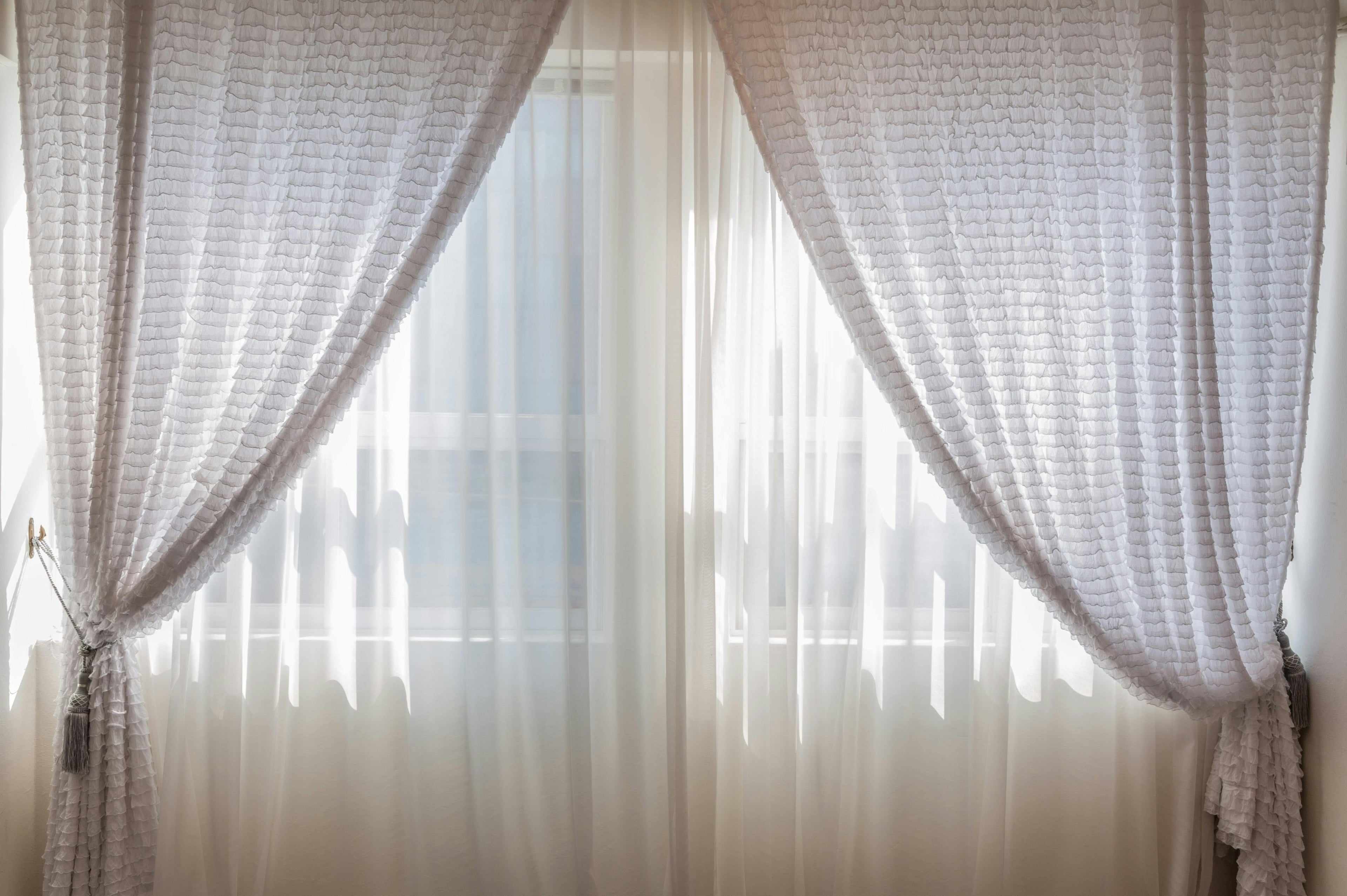
To maximize natural light, keep windows clear. Opt for light sheer curtains rather than heavy blackout curtains. Mirrors strategically placed facing light sources or in dark corners reflect and diffuse brightness throughout the space. A large mirror in the junction area can create an illusion of depth and make the apartment appear larger. For artificial lighting, adopt a three-level approach: general lighting (ceiling light or spots), ambient lighting (table lamps, string lights), and functional lighting (desk lamp, kitchen spot). Well-placed two-way switches at each zone entrance will prevent you from crossing the room in the dark.
Color and Material Play to Unify the Space
The color palette is a fantastic tool for creating unity in a fragmented floor plan. A dominant color, used on the walls of both wings, ensures strong visual continuity. To add personality and define zones, play with color accents through furniture, textiles, and accessories. For example, a living room in neutral tones (white, beige, light gray) can have its dining area energized by a chair or sideboard in a brighter hue.
Materials also contribute to this harmony. Continuity of flooring is often recommended. If you wish to differentiate, prioritize compatible materials, such as solid parquet and wood-look tiles. Mix textures to create warmth: a velvet sofa, a knitted wool throw, a rattan basket, and raw or gilded metals. This tactile richness diverts attention from the shape of the room and creates a cozy and inviting atmosphere.
Storage Solutions Adapted to the L-Shape
Storage is the nightmare of poorly configured small and large spaces. In an L-shaped apartment, you need to be ingenious to avoid the "furniture corridor" effect. The solution lies in integrated and custom-made storage. The ideal is to design closets or bookcases that cover an entire wall, from floor to ceiling, including corners. These elements then become an integral part of the architecture.
Exploit every gap: the space under a window can accommodate a storage bench, a shallow wall can conceal a sliding wardrobe. In the junction area, a low unit with drawers can serve as both storage and a console. Also think about vertical storage in the kitchen and bathroom with shelves or rails. The goal is to free up the center of rooms to preserve a sense of space and fluidity.
Current Trends for Apartments with Atypical Shapes
Current interior decoration trends lend themselves wonderfully to L-shaped apartments. The "soft minimalism" style advocates for clean yet warm spaces, with soft curves that soften right angles. Look for furniture with organic shapes, oval mirrors, and round rugs.
The trend of "multifunctional rooms" is also perfect for this type of floor plan. The quieter wing can become a "bedroom + home office" space, separated from the living room by a screen or a difference in light level. Biophilia, which integrates nature indoors, also finds its place: a large green plant in the corner of the L brings life, color, and improves air quality. Finally, using color in "blocks" or on a single accent wall can visually structure the space without having to build a partition.
Practical Case: Arranging a 30m² L-Shaped Studio
Let's take the concrete example of a 30m² L-shaped studio, a very common configuration. The longer, brighter wing accommodates the "living" zone. Place a sofa bed (or a mezzanine bed if ceiling height allows) and a relaxation area with a TV. The angle becomes a dining nook with a small round table and two chairs. The shorter wing is dedicated to technical functions: a linear kitchenette along the wall and a partitioned bathroom. A large sliding curtain or an open bookcase can separate the sleeping area from the rest if needed.
Storage is integrated under the bed, above the kitchenette, and under the sofa seating. A single light color on all walls enlarges the space, while a large rug in the living room and warm lighting create a cozy feel. This case shows that with rigorous organization, every square centimeter of an L-shaped apartment can be optimized.
Frequently Asked Questions (FAQ) on Arranging an L-Shaped Apartment
How to break the "corridor" effect in the long branch of the L?
To avoid the corridor sensation, it is imperative to break the linearity. Several techniques exist: create visual breaks with patterned wallpaper on a single wall, arrange furniture diagonally or in a central island if space allows, or use decorative elements that draw the eye laterally (a monumental artwork, a large plant). Avoid aligning all furniture along the same wall.
Where to place the television in an L-shaped living room?
The placement of the TV is often a headache. The most ergonomic solution is to place it in the corner, on a swivel stand. This way, it is visible from both wings of the living room (sofa and occasional chairs). If the corner is not available, prioritize the shortest wall, opposite the sofa. For a more discreet installation, opt for a TV unit with sliding doors or consider a projector with a retractable screen.
Is an L-shaped apartment suitable for family life?
Absolutely. The L-shape can even be an advantage for separating spaces without completely isolating them. One wing can be dedicated to children's bedrooms and a playroom, while the other hosts common living areas. The junction zone becomes a family transition space. It is crucial to properly soundproof the separation between the two wings (solid doors, wall insulation) to preserve everyone's privacy.
What mistakes should absolutely be avoided?
Three main mistakes should be avoided. First, cluttering the junction space with bulky furniture, which blocks circulation. Second, using furniture that is too large for the scale of the room, especially in the shorter wing. Third, neglecting lighting, leaving entire areas in semi-darkness. Finally, creating too many strong contrasts between the two wings (e.g., radically opposed colors or styles) can give an impression of disunity.
Can a separate bedroom be created in an L-shaped studio?
Yes, it's possible without major renovations. Light separation solutions are ideal: a glass partition (fixed or sliding) lets light through, a tall bookcase, a Japanese screen, or even heavy curtains on a ceiling track. Another trick is to raise the bedroom area with a platform, creating a physical and visual separation while offering integrated storage in the steps.
Conclusion: Making the Constraint a Signature
Arranging an L-shaped apartment requires a thoughtful and creative approach, but the results can be spectacular. By mastering circulation, practicing intelligent zoning, and choosing furniture to the right scale, you will transform this atypical configuration into a unique asset. Your home will gain character, dynamism, and functionality. Don't be afraid of the corners, tame them. Play with light and colors to create overall harmony. Your L-shaped apartment has the potential to become a singular living space, perfectly adapted to your needs and a reflection of your personality. To discover more inspiration and advice on arranging atypical spaces, explore the other articles and guides available on ombreinterieur.fr. Need practical advice? Read how to hem a curtain. Discover our entire decor universe on Ombre Interieur.
