















Decorating a small room: tips and ideas
Decorating a small room is not an exercise in limitation but an invitation to creativity. Far from constraining you, every square metre becomes a playground for ingenuity, where optical illusions and considered colour choices reshape the space. You will learn to harness verticality, select hues that breathe light and discover clever storage solutions, all without sacrificing style. Let yourself be guided in transforming your compact area into a functional, inspiring cocoon, where each detail matters and the interplay of texture and tone brings depth to every corner.
Arranging a small room is often seen as a major challenge, a puzzle where every square centimeter counts. However, with the right strategies, a limited surface area transforms into a major asset: a cozy, hyper-functional, and incredibly stylish cocoon. Far from being a constraint, smallness invites creativity, ingenuity, and a selective sorting of the essentials. Whether you're looking to optimize a studio apartment, a small living room, a guest room, or an office, the basic principles remain the same. It's about playing with perceptions, maximizing storage without invading the space, and creating an atmosphere that breathes. This article is your complete guide to brilliantly meet this challenge. We will explore optical illusion techniques, trendy multifunctional furniture, magical color palettes, and unsuspected storage tricks that will make your small room a space that is both practical and inspiring.
The Psychology of Space: Creating the Illusion of Volume
Before choosing the first piece of furniture, it's crucial to understand how our eye perceives space. A well-arranged small room should give an impression of airiness and lightness. The first step is to analyze the room from all angles. Where does the natural light come from? What are the existing focal points (a window, a fireplace)? Are there any unused nooks?
The goal is to create a fluid circulation flow and avoid any feeling of clutter. To do this, prioritize clean lines and clear the pathways. A simple but effective trick: clear the corners. A corner cluttered with a bulky piece of furniture visually "breaks" the space and shrinks it. By leaving the corners free, you guide the eye towards the room's limits, creating an impression of expanse.
Look Up: Exploiting Verticality
When floor space is limited, the only direction to conquer is height. Exploiting verticality is the golden rule for arranging a small room. Direct the gaze towards the ceiling to divert attention from the reduced surface area.
- Tall Bookcases and Shelving: Install shelves that climb all the way to the ceiling. This draws the eye upward and offers immense storage potential without encroaching on the floor.
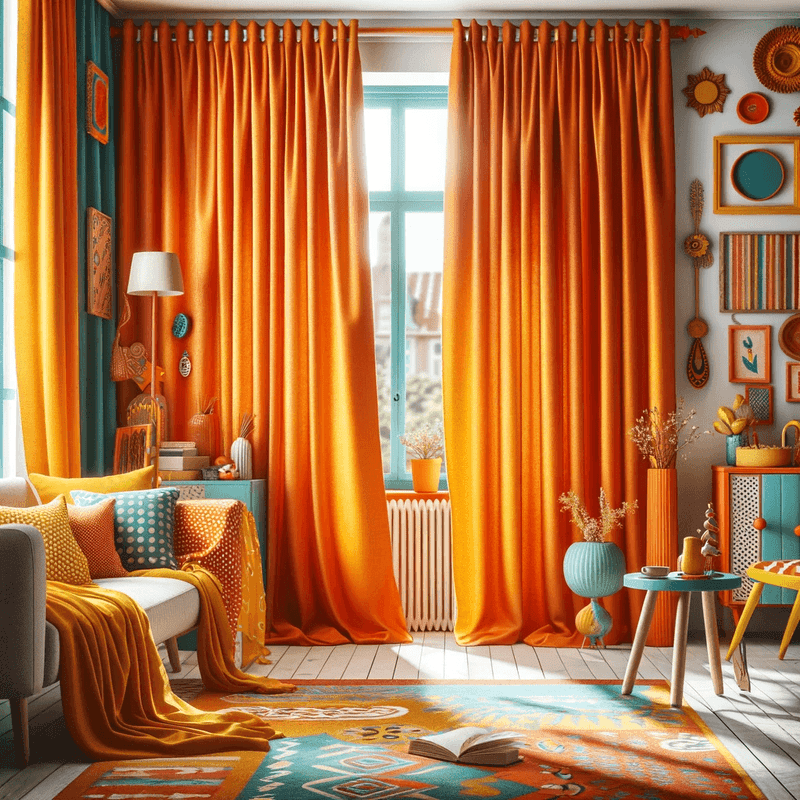
- Floor-to-Ceiling Curtains: Fix your curtain rods just below the ceiling and choose long curtains that fall to the floor. This continuous vertical line visually elevates the entire room.
- Venetian Blinds or Vertical Blinds: For windows, favor these models that accentuate vertical lines, unlike horizontal blinds which can "flatten" the space.
The Color Palette: Light and Harmony
The choice of colors is the most powerful tool for transforming the perception of a space. A well-thought-out palette can literally enlarge a room, while an unsuitable one can close it in on itself.
Light Tones, an Essential Base
Light colors reflect light, while dark colors absorb it. To arrange a small room, therefore, prioritize a base of neutral and luminous tones: off-whites, very pale grays, beiges, sky blues, or soft mint greens. These hues create a calming and luminous backdrop that seems to push the walls back.
However, an all-white scheme can sometimes seem cold and clinical. The current trend is towards using warm and deep shades, but in a strategic way. This is called "tonal cocooning," where different shades from the same color family (for example, sand, taupe, and terracotta) are used to create depth without overwhelming the space.
Mastered Accents and Contrasts
Introducing color or contrast is essential to give character to the room. The key is moderation and localization. Use bright accents or dark tones on a single wall (the back wall to create depth), on woodwork, or through accessories and textiles.
- The Accent Wall: Painting one wall in a strong color (navy blue, forest green, ochre) can paradoxically enlarge the space by creating a focal point that draws the eye into the distance.
- Monochromatic Scheme: Dressing walls, ceiling, and woodwork in very close shades removes visual breaks and unifies the space, making it appear larger.
Strategic Lighting: Playing with Shadows and Light
Successful lighting in a small room is multi-layered lighting. It's not about having a single central light source, which creates harsh shadows and "lowers" the ceiling, but about multiplying light points to even out and expand the space.
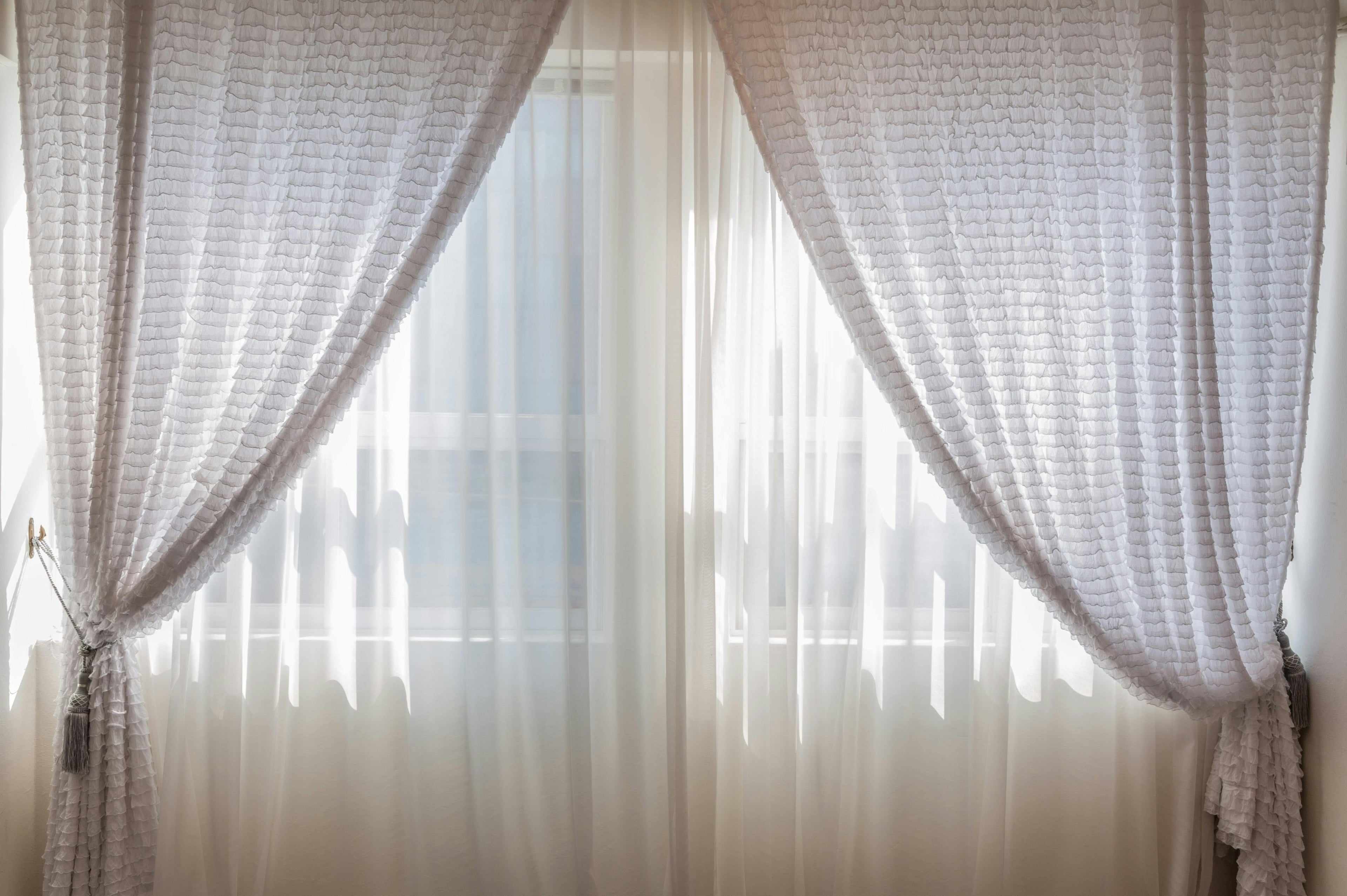
Start by maximizing natural light. Clear windows of obstacles and use light, translucent fabrics for sheer curtains. Then, create your artificial lighting scenario.
- Soft General Lighting: Opt for LED ceiling lights that diffuse indirect light (directed towards the ceiling) or for several evenly distributed recessed spotlights.
- Ambient Lighting: Floor lamps (arch type), wall sconces, and LED string lights create pockets of warm light that animate corners and add relief.
- Task Lighting: Good reading light (bedside lamp, adjustable floor lamp) or work light (desk lamp) is essential. Articulated arm models are perfect because they free up the table surface.
Mirrors, placed opposite a light source (window or lamp), will double its effectiveness by reflecting it, a must for arranging a small room intelligently.
Custom and Multifunctional Furniture: The Heroes of Space
This is the heart of the strategy. In a small area, every piece of furniture must justify its presence by its usefulness, and ideally, by several uses. Forget bulky and cumbersome furniture, make way for ingenuity.
Space-Saving Essentials
Certain furniture pieces have become classics for small spaces.
- The Sofa Bed: New generation. Gone are the uncomfortable models. Today, sofa beds offer real seating comfort and a slatted base with a quality mattress. Perfect for the studio or living room that needs to serve as a spare bedroom.
- The Extendable or Fold-Down Table: From the small side table that unfolds to seat 6 guests to the wall-mounted drop-leaf table that folds away when not in use, these solutions are revolutionary.
- The Bed with Integrated Storage: Bed with drawers, lift-up bed (mezzanine bed type), or bed with a headboard bookcase, there is no shortage of options for using the space under and around the sleeping area.
Customization and Bespoke Furniture
To make the most of nooks or spaces with atypical shapes, bespoke furniture is often the optimal solution. A bookcase that perfectly fits a wall from floor to ceiling, a sliding desk under a window, a built-in storage bench in an alcove... These solutions, although sometimes more costly, offer unparalleled space savings and a perfectly integrated finish.
Smart Storage: Invisible and Accessible
Clutter is the number one enemy of small spaces. Effective storage must be both generous and discreet. The idea is to "hide" storage to leave only decorative or everyday-use items visible.
Think "double function" for all storage elements. An ottoman becomes a chest, a stair step becomes a drawer, a headboard includes niches. Use the space behind doors with organizers, and don't forget the often-unused area under seats (sofa, chairs) where you can slide flat storage boxes.
For items you need to keep within reach, prioritize open but styled storage. Shelves with identical boxes or baskets create order and serve as decoration. The trend is towards natural materials like wicker, rattan, or sturdy cardboard for these containers.
Pitfalls to Absolutely Avoid
Certain common mistakes can undo all your efforts to arrange a small room optimally. Here is a non-exhaustive list.
- Furniture That Is Too Large and Too Numerous: Better to have few pieces of furniture but well-chosen than many that obstruct circulation.
- Rugs That Are Too Small: A small rug in the middle of the room fragments the space. Choose a large rug that goes under the feet of the main furniture (sofa, bed) to unify the area.
- Patterns That Are Too Large and Too Busy: Wallpaper with large flowers or a sofa with bold patterns will overwhelm the room. Prefer small patterns or discreet vertical stripes.
- Neglecting Circulation: Leave at least 60 cm of passage between furniture and doors. A space where you bump into things will always seem smaller than it is.
Current Trends for Small Spaces
Decor is evolving and offering ever more clever and aesthetic solutions for small surfaces.
"Japandi": A fusion of Japanese style (minimalism, functionality, naturalness) and Scandinavian style (light, comfort, softness), this trend is ideal for small spaces. It advocates for emptiness, raw materials (wood, linen, stone), neutral colors, and useful and beautiful objects.
"Transformer" Furniture: Beyond the sofa bed, we are seeing coffee tables that lift to become a desk, beds that slide into a wall cabinet (murphy bed), or stackable and infinitely reconfigurable modules.
Light Partitions: To create zones in a studio without weighing down the space, use open bookcases that act as separators, thick curtains, cane or fabric room dividers, or glass partitions.
Practical Cases: Arranging Specific Rooms
The Studio or One-Bedroom Apartment
Here, the challenge is to create distinct "zones" (rest, dining, work) without walls. Use furniture to delineate: a sofa with its back to the bed can mark the separation between living room and bedroom. A room divider or an open shelf isolates the office corner. A different rug per zone also helps define the spaces.
The Small Bedroom
Priority to the bed and its storage. A loft bed frees up floor space for a desk or a relaxation area. Otherwise, a bed with large drawers is essential. Prefer wall-mounted or very slim bedside tables. A sliding wardrobe on a rail is often more effective than a bulky armoire.
The Small Living Room
Choose a sofa with thin or no armrests, and preferably on legs to let the floor be seen and give a sense of lightness. A coffee table with shelves or a lift-top table replaces the TV stand. Multiple lighting is key to creating a cozy atmosphere.
FAQ: Your Questions on Arranging Small Rooms
What color enlarges a small room the most?
There isn't one single color, but a family: light and cool tones (white, very pale gray, icy blue). They reflect light to the maximum. However, a wall in a dark, saturated color at the back of the room can create a very effective illusion of depth, provided the other walls are very light.
Should dark furniture be avoided in a small room?
Not necessarily. A dark and elegant piece of furniture (a bookcase in dark oak, a sofa in dark green velvet) can add character and depth. The key is to contrast it with very light walls and floor, and not to overdo it. A single dark accent piece can work wonders.
How to visually enlarge a room without a window or very dark?
In this case, artificial lighting and mirrors are your best allies. Install cool white LED lighting (daylight type) on the ceiling to mimic natural light. Place a large mirror on a main wall, and illuminate it with a sconce or a directed spotlight. Use very light and luminous colors, and shiny surfaces (metal, glass) to reflect light.
Are patterns forbidden in a small room?
Absolutely not! They simply must be chosen with care. Prefer small patterns (polka dots, fine vertical stripes, discreet geometric patterns) over large ones. Use them in a targeted way: on a cushion, a throw, a curtain, or a rug. Vertical stripes, even contrasting ones, are excellent for gaining visual height.
How to create storage in a room without a closet?
Turn to flexible and creative solutions. A suspension rail with hangers and a fabric panel can serve as an open wardrobe. Tall and narrow dressers are more effective than wide wardrobes. Don't forget the space under the bed (bed risers or storage boxes) and shelves above doors. Furniture on wheels (like a low bookcase) also allows you to free up space if needed.
Conclusion: The Small Room, a Creative Playground
Arranging a small room is not a limitation, but a fantastic opportunity to be inventive and design-savvy. By applying the principles of space optimization, playing with colors and light, and investing in smart furniture, you will transform every square meter into a space that is both ultra-functional and deeply personal. The key to success lies in the balance between aesthetics and pragmatism. Don't be afraid to experiment, customize, and choose pieces that reflect you. Your little cocoon can become the most inspiring and comfortable place in your home. To discover even more ideas, inspirations, and detailed guides room by room, feel free to explore all the resources available on ombreinterieur.fr, your partner for an interior that reflects you, no matter its size. Need practical advice? Read how to integrate consoles into a small 20 m² terrace. Browse our online store to see all our collections.
