















Designing a room without windows: tips and solutions
Turning a room with no windows into a pleasant space is a subtle art. The absence of natural light demands careful consideration of lighting, hues and proportions to avoid any sense of confinement. Every choice, from your lamps to your colour palette, can transform this limitation into an advantage. The goal is to create a welcoming, functional atmosphere where the eye is deceived by clever visual tricks. Follow these leads to breathe new life into your windowless room.
Designing a windowless room is often a significant challenge for interior design enthusiasts. Whether it's a dressing room, office, bathroom, or pantry, the lack of an opening to the outside can create a feeling of stuffiness, darkness, and confinement. However, with a strategic and creative approach, these spaces can be transformed into havens of peace, productive areas, or ultra-functional and aesthetic storage spaces. The key lies in the art of deceiving the eye and the senses to recreate the light, air, and depth that a window naturally provides. This article guides you step-by-step through lighting techniques, visual tricks, color and material choices, and current trends to metamorphose a windowless room into a bright, welcoming space perfectly integrated into your interior.
Understanding the Challenges of a Windowless Room to Better Overcome Them
Before starting the design process, it is crucial to precisely identify the specific constraints of a windowless room. The absence of natural light is the first and most obvious challenge. It leads to total dependence on artificial lighting, with risks of shadowy areas and often flat, non-dynamic light.
The feeling of confinement, or claustrophobia, is another major pitfall. Without a visual perspective to the outside, the space can seem to close in on itself. Finally, ventilation and air quality issues are paramount, especially if the room is frequently occupied.
Understanding these challenges allows you to define clear objectives for your project: create the illusion of daylight, give an impression of space and airiness, and ensure optimal air renewal. It is by addressing these issues point by point that you will achieve a harmonious and comfortable result.
Lighting Strategy: The Keystone of the Design
In a windowless room, lighting is not just a functionality; it is the main architectural element. It must replace the sun and its cycle. The golden rule is to multiply light sources and layer them to avoid overly harsh contrasts and recreate depth.
General or Ambient Lighting
It serves to replace diffuse daylight. Opt for a wide ceiling light, preferably with a frosted glass or fabric diffuser to soften the light. Multi-branch pendant lights or adjustable track spotlights offer great flexibility. Current trends favor organic-shaped light fixtures and natural materials like paper, rattan, or alabaster, which diffuse a warm light.
Functional and Accent Lighting
This is the second layer, essential for visual comfort. In an office, an adjustable task lamp with an articulated arm is indispensable. In a dressing room, integrated lighting in shelves or behind clothing rods highlights the storage. Concealed LED strips under a shelf or behind furniture create a floating light effect that visually enlarges the space.
Decorative and Scenic Lighting
This third layer brings the magic. Use fairy lights, Himalayan salt lamps, or colored RGB LED projectors with which you can change the ambiance according to the time or your mood. Mirrors with integrated lighting (lighted mirrors) are particularly effective for amplifying light while serving as a focal point.
The Art of Color: Opening Up Walls and Reflecting Light
The choice of colors is the most powerful tool for influencing our perception of space. In a windowless room, the goal is to maximize the reflection of artificial light and create an illusion of openness.
Light and neutral colors are your best allies. White, of course, but be careful not to create a cold and clinical environment. Prefer warm whites, off-whites, or shades of cream, linen, very pale gray, or very light pastel blue. These hues reflect light while adding a touch of softness.
Dark or saturated colors are not forbidden, but they must be used sparingly and strategically. A single wall painted in a deep navy blue or emerald green can create incredible depth, especially if paired with accent lighting. The current "cocooning rooms" trend sometimes uses dark colors on the ceiling to give the impression of a starry sky when equipped with fiber optics or small light points.
Don't forget the power of finishes. A matte paint absorbs more light than a satin or glossy paint. For small rooms, a wall with a slightly reflective finish can work wonders.
Mirrors and Reflective Surfaces: Deceiving the Eye with Genius
The mirror is the essential accessory for a windowless room. Strategically placed, it visually doubles the space, reflects light, and can even create the illusion of a window or an opening.
For maximum impact, consider a large mirror covering the full height of a wall, or even a frameless mirror applied directly. Position it facing your main light source to maximize reflection. An ingenious trick is to place a shelf with plants or decorative objects in front of a large mirror: the reflected image gives the impression of a deeper and more lively room.
Beyond mirrors, integrate other reflective surfaces: lacquered furniture, metallic stools, glass or crystal accessories, a glossy varnished parquet floor, or even glazed ceramic tiles for a bathroom. These elements capture and redistribute light points throughout the room.
Furniture and Layout: Fluidity and Lightness
In a space without an outside perspective, every centimeter counts. Visual clutter is your enemy. Prioritize furniture with clean lines, with raised legs that let the floor show, giving an impression of lightness and space.
Storage optimization is crucial. Prefer integrated and custom solutions that use all available height, from floor to ceiling, to avoid dispersion. Sliding doors or blackout curtains in front of storage maintain clean, neat lines.
For the layout, avoid blocking circulation. Leave clear passageways and, if possible, space furniture away from the walls. A sofa or a bookcase slightly detached from the wall creates a cast shadow that adds depth to the room.
Creating the Illusion of a Window: The Decorative Tour de Force
To go further in the illusion, you can create a false window. This technique, very popular in lofts and basements, requires a bit of DIY but the effect is spectacular.
Several options are available to you. The simplest is to frame a large mirror with window moldings and add shutters or curtains on each side. For a more realistic effect, install a deep frame in the wall, paint the inside with a gradient sky blue, and place diffuse LED lighting inside to simulate daylight. Digital screens or TV frames can also display a looped video of a peaceful landscape with a changing sky, offering a dynamic and soothing view.
Another trend is the "trompe-l'oeil mural." A panoramic wallpaper depicting a forest, garden, or urban view can completely transform a wall. Choose realistic, high-quality patterns, and ensure the lighting is uniform so as not to betray the illusion.
Greening and Air Quality: Bringing Life Indoors
The absence of a window does not mean the absence of nature. Introducing plants is vital to bring a touch of life, color, and texture. It's also excellent for well-being and air quality.
Select plants that tolerate artificial lighting and low light. The champions in this area are Sansevieria (mother-in-law's tongue), Pothos, Zamioculcas (ZZ plant), or Spathiphyllum (peace lily). To compensate for the lack of natural light, you can invest in discreet and energy-efficient LED grow lights.
For air, an air purifier with a HEPA filter is an excellent solution, especially in an office or dressing room where textiles and electronics can accumulate particles. A small essential oil diffuser or even a simple indoor fountain can also improve the feeling of freshness and humidity.
The Choice of Textiles and Materials: Warmth and Sensuality
To counterbalance the potential coldness of artificial lighting and reflective surfaces, textiles play a crucial role in providing warmth and sensory comfort.
Bet on natural materials that are soft to the touch. A large wool rug or a bouclé cotton rug anchors the space and dampens sounds. Cushions in velvet, linen, or faux fur add texture. Even in a dressing room, using fabric storage boxes or wooden hangers adds a warm touch.
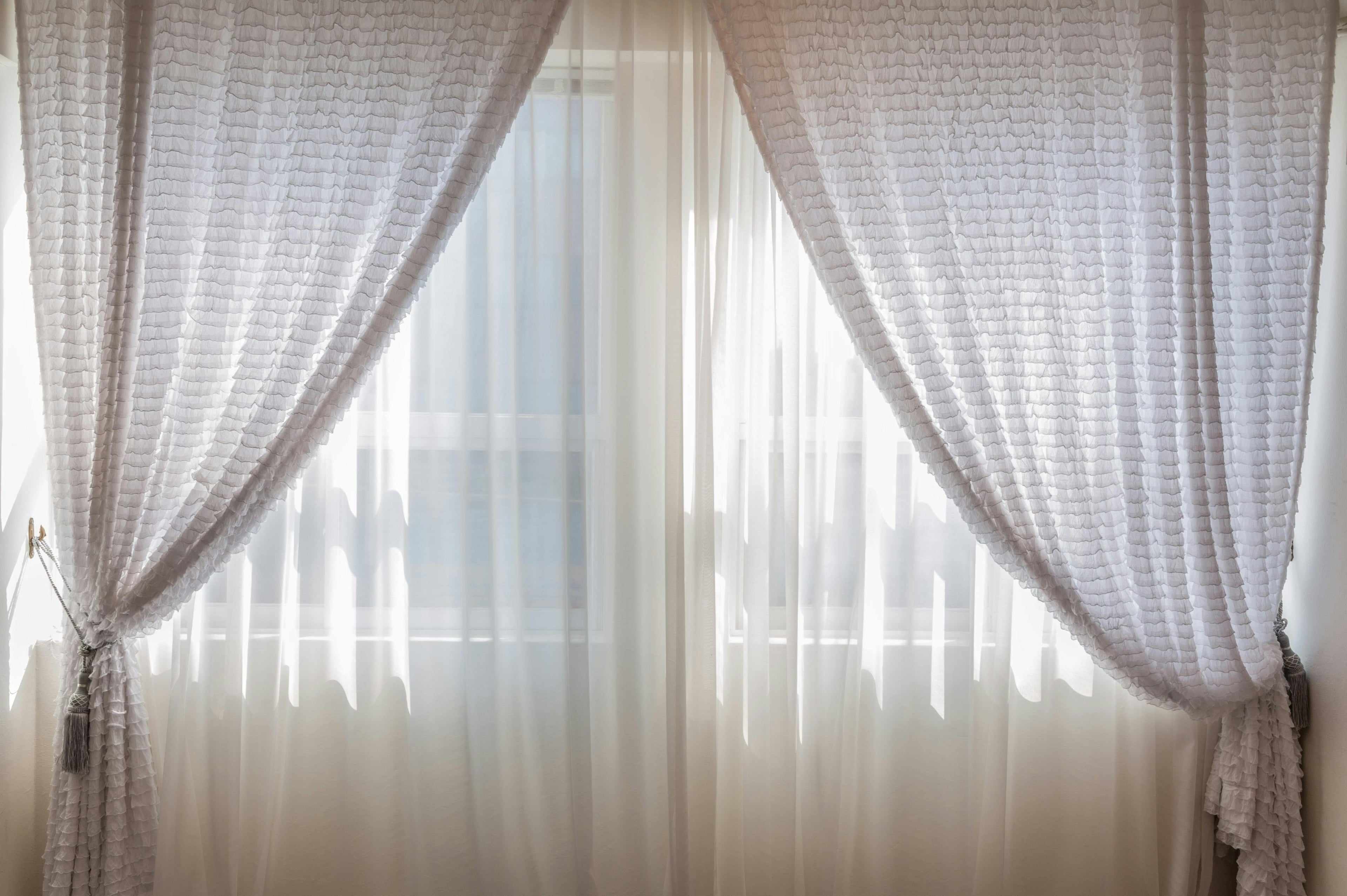
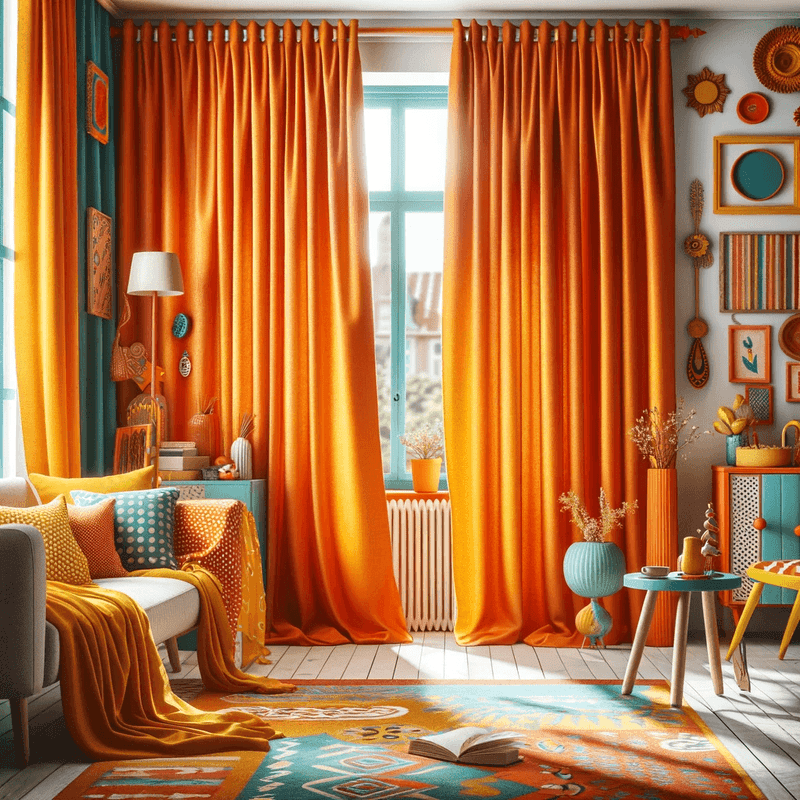
Curtains, even if they don't hide a real window, can be used to soften a corner or dress a wall. Choose light and airy fabrics like voile or linen, in light tones, to add movement and softness without weighing down the space.
Practical Cases: Design Ideas by Room Type
The Windowless Dressing Room
Priority to functional lighting and optimization. Light each compartment (shelves, wardrobes) with integrated LEDs. A large full-length mirror is essential. Use light colors for the closets and metallic handles to reflect light. A small plush rug and a comfortable bench transform the space into a pleasant place.
The Home Office or Studio
Visual ergonomics is paramount. Combine cool lighting (color temperature > 4000K) for concentration with warm ambient lighting. A wall with inspiring wallpaper (forest, library) or a stimulating color like sage green can boost creativity. A green plant on the desk and an air purifier maintain a healthy environment.
The Windowless Bathroom
Here, humidity and ventilation are key. Install a powerful and silent air extractor. Use light and glossy tiles, and an LED lighted mirror. A lighted shower niche or a bathtub with a brightly colored bottom can become the focal point. Candles or warm-light lamps recreate a spa ambiance.
The Pantry or Laundry Room
The goal is functionality and clarity. Very powerful general lighting is necessary. Open shelves and transparent storage allow you to see everything. Glossy white paint on the walls and ceiling maximizes light. Tiles or vinyl imitating cement tiles add style without clutter.
FAQ: Your Questions on Designing a Windowless Room
What is the best color for a windowless room?
There is not a single answer, but a palette of solutions. To enlarge and brighten, light and neutral colors (warm white, cream, pearl gray) are unbeatable. To create a cozy and dramatic ambiance, a dark color on a single wall accentuated by lighting can be very successful. It all depends on the desired function and atmosphere.
Can you put plants in a room with no natural light at all?
Yes, absolutely. You must choose very tolerant indoor plants like Sansevieria, Pothos, or Ivy. To keep them healthy long-term, investing in an LED grow light, to be turned on for 8 to 12 hours a day, is highly recommended. It will simulate the light spectrum plants need for photosynthesis.
How to properly ventilate a windowless room?
Mechanical ventilation is often the only solution. A single-flow or, better, double-flow (which recovers heat) CMM (Controlled Mechanical Ventilation) system is ideal. Failing that, a timed air extractor in a bathroom, or an air purifier with an activated carbon filter in an office, are essential to renew the air and avoid odors and stagnant humidity.
Are false windows really convincing?
Yes, if they are well executed. The secret lies in the details: the depth of the frame, the quality of the image or background (a gradient blue is more realistic than a solid blue), and above all, the lighting. Diffuse, soft LED lighting placed inside the frame, imitating daylight, is what makes the illusion credible. It's a creative project that can radically transform a room's atmosphere.
How to avoid the feeling of a cellar or bunker?
The combination of several techniques is the answer. Avoid exclusively cold tones, multiply sources of warm light at eye level, integrate natural and warm materials (wood, wool, rattan), and create an attractive focal point (an illuminated artwork, a bookcase, a colorful piece of furniture). The goal is to divert attention from the fact that there is no window by creating an interior so pleasant and coherent that you forget it.
Conclusion: Dare the Transformation
Designing a windowless room is much more than a style exercise; it's an opportunity to unleash your creativity and push back the apparent limits of space. By mastering the art of layered lighting, playing with colors and reflections, choosing intelligent furniture, and not hesitating to create optical illusions, you can transform a seemingly restrictive place into a full-fledged space, bright, functional, and deeply personal. Don't be afraid to experiment and mix techniques. Every windowless room has the potential to become one of the most surprising and pleasant rooms in your home. To discover more inspiration and practical guides on transforming your interior, explore without delay the many resources available on ombreinterieur.fr. To go further, try Rideau Pour Veranda Sans Percage in your room. Consult our article comment creer une ambiance cocooning en associant rideaux et literie to go further. Get inspired on our decoration site for your next projects.
