
















Enlarging an attic bedroom: decoration and optimization tips
Beneath the eaves, the charm of sloping ceilings and unusual volumes often comes with a sense of confinement. Yet your attic bedroom holds unexpected potential. The trick is not to add square footage, but to shift perception through clever choices of colour, light and layout. By rethinking every nook, you can turn this snug retreat into a space that feels both functional and airy. Let us guide you towards the keys to an optimisation that will reveal just how generous your room under the rafters can be.
The attic bedroom, nestled under the eaves, possesses undeniable charm with its romantic slopes and cozy atmosphere. However, its atypical architecture, marked by slanted ceilings, angled walls, and sometimes awkward spaces, can quickly create a feeling of cramped confinement. How can you transform this potential into a spacious and functional haven? Enlarging an attic bedroom is less about adding square meters and more about perception and the intelligent optimization of every centimeter. It's a game of optics, organization, and strategic decorative choices to free up space, amplify light, and create a living area that breathes. This article guides you through proven techniques and current trends to create the illusion of a more generous volume and maximize the comfort of your sanctuary under the rafters.
Understanding Attic Architecture to Better Tame It
Before embarking on any work or decoration, a meticulous analysis of the space is essential. An attic bedroom is not a standard room; it follows its own geometry. Start by mapping your room: identify the areas with maximum ceiling height, the dead angles under the lowest slopes, the location and size of the roof windows (or dormers), and any structural elements like exposed beams or rafters.
This analysis will allow you to define activity zones. The full-height zone, often in the center of the room, is ideal for movement and vertical furniture. The areas under the lowest slopes, often perceived as unusable, can become ingenious storage spaces or cozy nooks. Understanding the path of the sun through your roof windows will also help you optimally place your rest or work area.
The Magic of Color: Painting to Enlarge the Space
Paint is the most powerful and economical tool to radically alter the perception of a volume. In an attic, color choice is a strategy in itself.
Favor Light and Unified Tones
The golden rule for visually enlarging a room is to opt for a light and luminous palette. Whites, off-whites, very pale grays, and soft pastels reflect light to the maximum, making the limits of walls and ceiling disappear. For an even more spectacular effect, paint the walls, ceiling slopes, and woodwork in the same shade. This visual continuity removes breaks and creates a fluid and soothing haven.
Playing with Contrasts and Accents
While light monochrome reigns supreme, adding an accent color can structure the space without overwhelming it. A ceiling slope painted in a deeper tone than the walls can draw the eye upward and add character. Another trendy technique is to paint the recesses or alcoves under the slopes in a deep, dark color (midnight blue, forest green, anthracite gray). This creates an illusion of depth, as if the space extended into the shadow, and highlights the lit areas.
Optimizing Lighting: Creating Light and Depth
Light is the second pillar of visual enlargement. A well-lit attic immediately appears more vast and welcoming.
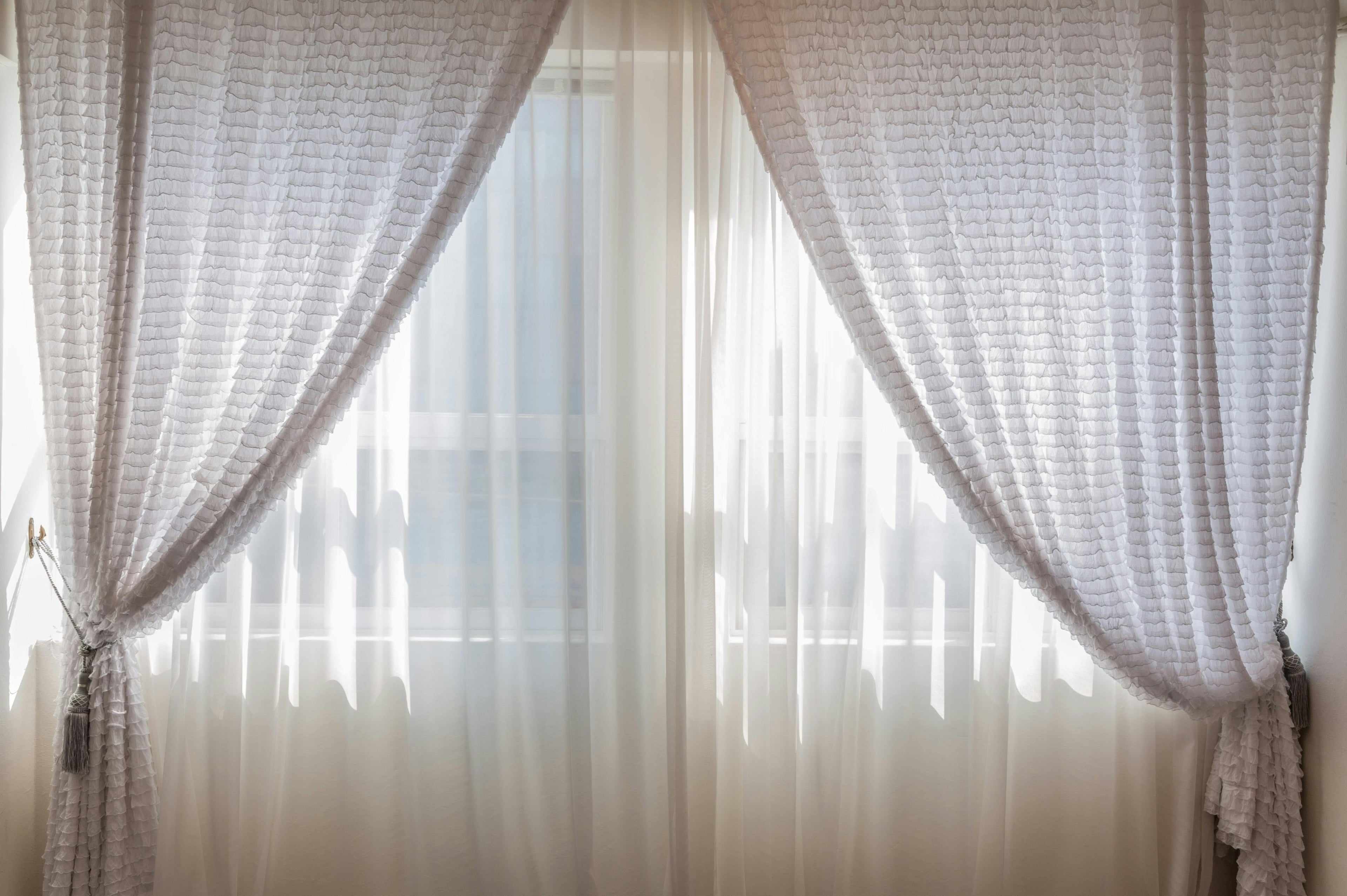
Maximize natural light. Regularly clean your skylights, opt for extra-flat blinds or shades that don't encroach on the opening, and avoid heavy drapes. To diffuse soft light, light and transparent sheer curtains hung in front of the roof windows are perfect.
For artificial lighting, bet on a multi-level lighting plan. A central ceiling light may suffice in full-height areas, but it's crucial to also light the corners and slopes. Current trends favor:
- LED strips: discreet, they can be integrated at the top of walls, under slopes, or along beams for an "ambient light" effect that enlarges the space.
- Recessed or track spots: adjustable, they allow you to direct light towards the walls (the "wall washing" technique which makes them appear farther away) or to highlight a decorative element.
- Table lamps and low-hanging pendants: to create cozy points of light at bedside table level or in a reading nook, without cluttering the visual space.
The Strategic Choice of Furniture: Minimalism and Multifunction
In an attic bedroom, every piece of furniture must be justified and chosen carefully for its footprint, height, and function.
Opt for Low Furniture with Clean Lines
Prefer beds with a low frame, or even models without visible feet (like "platform" style), which anchor the furniture to the floor and free up air above. Avoid bulky headboards. For the dresser and bedside tables, choose models with horizontal lines and slender legs. Low furniture under the slopes is an excellent solution for using these areas without obstructing circulation.
Adopt Multifunctional and Custom-Made Furniture
This is where custom-made works miracles. Having a bed built with integrated storage drawers in the base, or a headboard equipped with niches, frees up precious space. A fold-down desk that flips against the wall, a wall-mounted bedside table, or a storage bench at the foot of the bed are other examples of optimization. The trend is towards "all-in-one": a structure that combines a headboard, shelves, and integrated lights, for example.
Exploiting Storage Down to the Last Centimeter
Clutter is the number one enemy of small rooms. Well-thought-out storage is the key to a calm and visually larger space.
The spaces under the lowest slopes are hidden treasures. Transform them into built-in closets or wardrobes with sliding doors, which don't need space to open. Open shelves of varying heights can follow the roof slope to create a library or display space. Use the high space, above doors or above the headboard, to install tall cabinets or closed shelves.
Prefer closed storage (doors, drawers, baskets) for a cleaner look. Stylish storage crates and boxes help maintain order while adding a decorative touch.
Playing with Mirrors and Reflections to Multiply Space
The mirror is a timeless classic for enlarging a room, and in an attic, its potential is multiplied. A large mirror placed opposite a roof window will reflect natural light and the view of the sky, creating a spectacular impression of openness. You can also opt for a large mirror leaning against a wall perpendicular to a slope; it will reflect the highest part of the room and create an illusion of symmetry and depth.
Current trends also explore reflective surfaces beyond the mirror. Furniture with glossy lacquered fronts, a bedside table with metallic finishes, or even wallpaper with subtle metallic patterns can capture and redistribute light, contributing to this feeling of expanded space.
Structuring Space with Textiles and Floor Coverings
The floor and textiles play a crucial role in visual harmony. For the floor, continuity is ideal. Wood flooring or laminate laid lengthwise in the room (parallel to the longest wall) will visually lengthen it. Light floors, like whitewashed oak or very pale grays, enhance brightness. If you opt for a rug, choose one large enough so that at least the front legs of the main furniture can rest on it; a small, isolated rug will have the opposite effect and fragment the space.
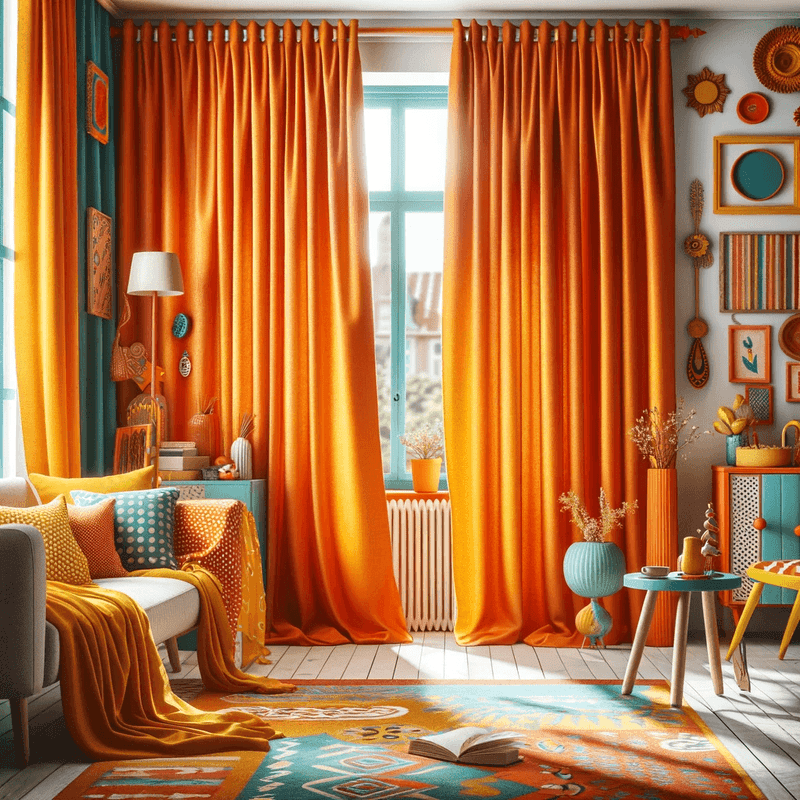
For textiles (duvet, cushions, bed throws), favor light materials and tones that harmonize with the overall palette. Avoid overly large and busy patterns. Subtle vertical stripes on a curtain or cushion, however, can enhance the ceiling height.
Daring to Open Up and Connect Spaces
If the structure allows, more significant work can radically transform the space. Replacing a solid wall with a half-wall, a glass partition, or an openwork structure can connect the attic bedroom to an adjoining dressing room or bathroom area, creating a fluid and much more spacious primary suite. This opening allows light to circulate between rooms and removes the feeling of a partitioned box.
Another option is to install a mezzanine if the ceiling height is truly generous (generally more than 4.5 meters at the highest point). This allows dedicating the space below to a dressing room or a desk area, thereby freeing up the rest of the room for an open rest area.
FAQ: Your Questions About Enlarging an Attic Bedroom
What paint color should absolutely be avoided in a small attic?
Dark and saturated colors on all walls and the ceiling should be avoided, as they absorb light and visually "bring" surfaces closer. Also avoid overly strong contrasts between walls and slopes, which can fragment the space. On the other hand, a touch of dark color as an accent, as mentioned, can be very successful.
How to set up a desk area in an attic bedroom without cluttering it?
The ideal is to use an area under a slope. Install a custom-made work surface that follows the shape of the wall, with shelves above. Opt for a chair without a high back or a stool that can slide completely under the desk when not in use. Lighting with an articulated desk lamp or an LED strip under the top shelf is essential.
Do exposed beams make the space feel heavier or not?
It depends on their treatment. Dark, massive beams in an already small room can indeed weigh it down. To lighten them, sand them and treat them with a light oil or stain. You can also paint them the same color as the ceiling (matte white, for example) to integrate them completely and create interesting texture without heaviness.
Can you really install a dressing room in an attic?
Absolutely, it's often the ideal solution. Use the lowest area under the slope to create a built-in dressing room with sliding doors. Inside, favor a modular storage system with drawers, shelves, and clothing rods adapted to the variable height. A mirror on the inside of a door will visually enlarge the dressing room space.
What type of bed is best suited? Is a loft bed a good idea?
A loft bed can be an excellent solution, especially in a child's or teen's attic bedroom, as it frees up considerable floor space for a desk or relaxation area. Just make sure you have sufficient ceiling height (at least 1.40m under the loft to be able to sit up) and a slope that doesn't hinder access to the ladder. For a classic bed, platform models with integrated storage remain the champions of optimization.
Conclusion: Your Attic, a Unique and Spacious Space
Enlarging an attic bedroom is more about the art of perception and ingenuity than demolition. By mastering the levers of light, color, custom-made furniture, and intelligent storage, you can transform architectural constraints into assets full of character. The goal is not to deny the roof slope, but to celebrate it by creating a fluid, luminous interior perfectly adapted to your needs. Every attic has its own potential; you just need to know how to reveal it. To discover more inspiration and advice on furnishing attic spaces and many other decor topics, explore without delay the many resources available on ombreinterieur.fr. Need practical advice? Read how to integrate storage boxes in a small 35 m bedroom. Get inspired on our decoration website for your next projects.
