















Setting Up an Apartment for Co-Living: A Complete Guide
Sharing a home with others is a delicate balancing act between private space and communal life. The challenge goes far beyond simply dividing up the rooms: it is about crafting an environment where everyone can feel at ease without compromising the collective harmony. How can you turn your flat into a functional, tranquil haven where different personalities coexist seamlessly? This subject invites you to explore the keys to successful interior design, conceived to smooth the rhythms of daily life while safeguarding each person’s privacy.
Setting up an apartment for a shared living situation is much more than simple spatial organization. It's the art of creating a harmonious ecosystem where private and collective life coexist, where personal styles merge without clashing, and where each roommate feels at home in a shared space. With the rise of shared housing, whether chosen for affinity or economic necessity, the question of optimized layout becomes central. This article guides you step-by-step to transform a home into a functional, aesthetic, and peaceful shared space, integrating current trends and practical solutions to avoid common pitfalls.
The Foundations of a Successful Shared Apartment: Dialogue and Common Rules
Before buying the first piece of furniture, the first step is immaterial. A serene shared living situation is built on open communication and clear rules established together. Organize a "kick-off" meeting to align your visions.
Openly discuss your habits, sensitivities (noise, cleanliness, sociability), and your expectations regarding decoration. This dialogue phase is crucial to prevent future conflicts and lay the groundwork for a layout that suits everyone.
Establishing a Clear Roommate Agreement
Beyond the rental contract, draft an internal agreement. This document, even if informal, details practical operations: division of expenses, cleaning rotations, management of shared groceries, rules for guests and parties. A defined framework frees daily life from many ambiguities.
Spatial Analysis: Optimizing Every Square Meter
In a shared apartment, every centimeter counts. Start with a precise audit of the space. Draw a plan, even a rough one, and list the rooms by identifying their purpose: strictly private areas (bedrooms) and shared living areas (living room, kitchen, bathroom, possibly an office).
The goal is to maximize the functionality of common spaces while preserving the intimacy of personal spaces. Think about circulation: are the hallways cluttered? Does the kitchen allow several people to cook simultaneously?
Smart Zoning of Common Spaces
In the living room, for example, create dedicated sub-spaces: a dining/board game area, a relaxation area for TV/reading, and possibly a small home office nook if space allows. This visual zoning, achieved with furniture arrangement or rugs, allows multiple activities to coexist without inconvenience.
Bedroom Layout: Personal Sanctuaries in a Shared Space
The bedroom is the essential refuge for each roommate. In often limited spaces, optimization is key. The trend is towards mezzanine beds or bunk beds with an integrated desk underneath, freeing up precious floor space.
Vertical storage solutions are essential: shelves up to the ceiling, headboards with storage, closet organizers. Each roommate should be able to express their personality in their room through color, posters, textiles, without constraint.
Standardizing the Essentials for Visual Balance
For a sense of fairness and overall harmony, it can be wise to choose identical basic elements together for all bedrooms, such as the type of bed, wardrobe, or desk. Personalization then happens through decoration, cushions, ambient lighting, and wall art.
The Heartbeat: Designing a Functional and Sociable Shared Kitchen
The kitchen is often the point of friction or the richest living space in a shared apartment. Its layout must prioritize functionality and sharing. A golden rule: clear and individual storage.
Assign each person a clearly identified cupboard or shelves for their personal groceries. Plan a "common goods" space for oil, salt, spices, coffee. Invest in robust and easy-to-clean equipment.
- Storage Optimization: Use the inside of doors (spice racks, towel holders), magnetic rails for knives, ceiling-hung baskets for fruits and vegetables.
- Equipment Management: Create a list of appliances brought by each person (kettle, toaster, blender) and decide together what remains permanently accessible on the countertop.
- The Dining Area: If space allows, a table or a central island becomes the rallying point for shared breakfasts and dinners.
The Shared Living Room: Between Sociability and Respect for Individual Time
The living room should be a versatile room, welcoming for moments together, but also calming for someone who wants to read alone. The choice of seating is crucial: prioritize a modular sofa (L-shaped or with independent ottomans) and additional lightweight seating (stools, poufs, chauffeuses).
Managing screens and technology is a key point. A shared television requires usage rules. Consider solutions for wireless headphones or a multi-source audio system. The decoration should be the result of a consensus, blending everyone's tastes.
Creating a Collaborative Wall Gallery
A wall dedicated to memories, group photos, artworks, or posters chosen by each person is an excellent way to create a collective identity while honoring individualities. Change it regularly to energize the space.
The Shared Bathroom: Organization, Hygiene, and Rotation
The bathroom is a critical space. Organization must be impeccable. Each roommate should have a basket, under-sink storage, or a labeled shelf for their products.
Install accessories that multiply storage spaces: toilet tower, shower shelf, magnetic soap holder. A schedule for a weekly deep clean of the bathroom is often essential to avoid tension.
If space is very limited, consider minimalist shower dividers and a mirror with integrated storage. Choose light colors and easy-to-maintain materials to enlarge the space visually and simplify daily life.
Noise and Sound Nuisance Management
In a shared apartment, acoustics are a layout parameter in their own right. Sound nuisances are one of the primary causes of conflict. Fortunately, decorative and practical solutions exist.
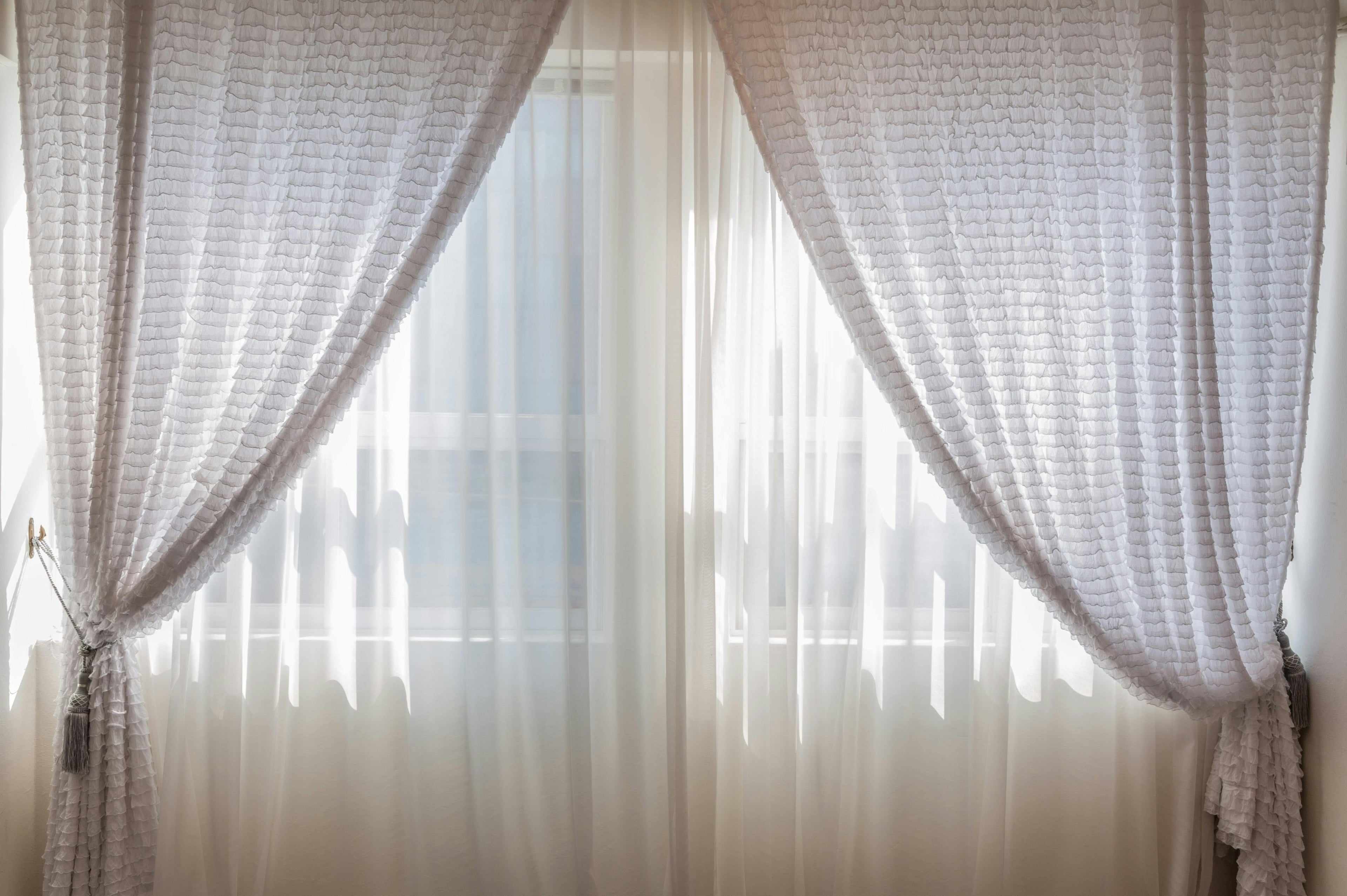
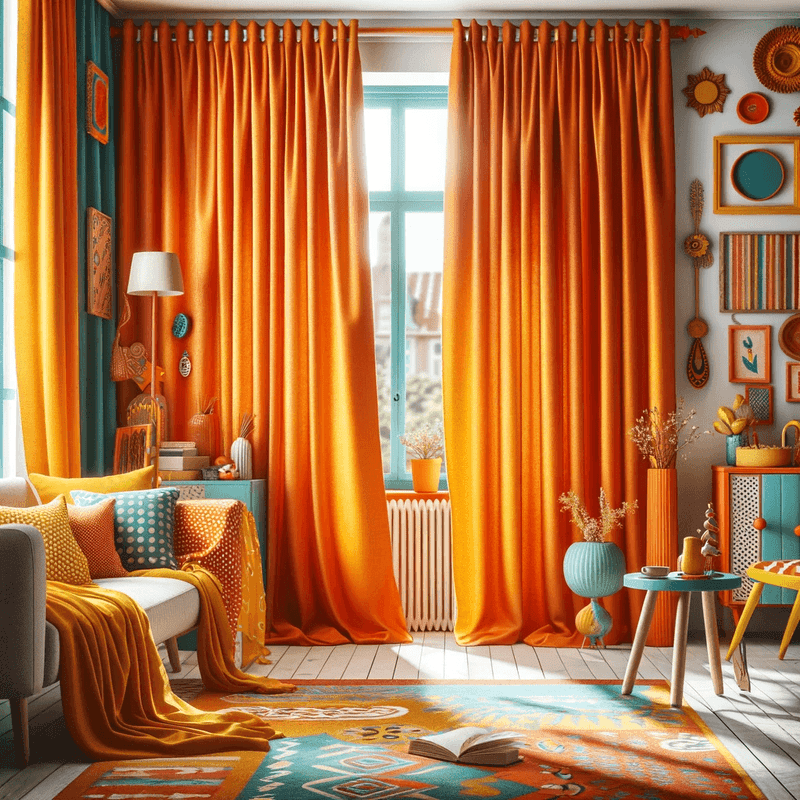
Textiles are your best allies: thick carpet or rugs in bedrooms and the living room, heavy curtains on windows, plenty of cushions. They absorb a large part of airborne noise and reverberations.
For impact noise (footsteps, chairs), felt or cork underlays under furniture and rugs can work wonders. Finally, establish commonly accepted "quiet hours," especially for weekday evenings.
Lighting: Creating Ambiances for All Moments
Well-thought-out lighting modulates the ambiance of a shared apartment. Avoid relying solely on a central ceiling light, which is often too harsh. Prioritize a three-level system: soft general lighting (pendants, diffuse ceiling lights), functional lighting (desk lamps, kitchen spotlights), and ambient lighting (fairy lights, floor lamps, LED candles).
In common spaces, allow each person to control the light at their spot. Dimmable lamps or smart bulbs allow for adapting the lighting to the activity (lively dinner, movie, reading).
Shared Storage: Logic, Fairness, and Accessibility
Beyond personal storage, shared storage spaces (for cleaning supplies, tools, suitcases, seasonal decorations) must be carefully considered. Use transparent or labeled, stackable storage boxes to optimize high cupboards or a pantry.
Create a shared inventory (digital or on a board) of cleaning products and consumables (light bulbs, batteries) to anticipate repurchases. A dedicated space for mail and the shared apartment's administrative documents is also an excellent practice.
Integrating Current Trends: Flexible Shared Living and Well-being
Recent trends in shared living emphasize flexibility and well-being. The concept of "co-living" inspires layouts with modular spaces (movable partitions, furniture on casters) that adapt to changing needs.
Greening is more relevant than ever. Green plants in common spaces improve air quality, calm the atmosphere, and create a connection with nature. Choose robust and low-maintenance varieties, and distribute their care.
Natural materials and soft colors (beiges, sage greens, lavender blues) create a serene and timeless environment, facilitating the fusion of personal styles. Upcycled second-hand furniture or DIY pieces can also strengthen the unique identity of your shared home.
Budget and Financing: Buying Together Intelligently
Furnishing a shared apartment often involves group purchases. Establish an overall budget and distinguish three categories: essential and shared purchases (sofa, dining table, appliances), personal purchases (bedding, bedroom decoration), and the common fund for small equipment and consumables.
For major purchases, explore crowdfunding platforms among roommates or stores that offer payment plans. Don't forget the second-hand market, a goldmine for solid and unique furniture at a low price.
FAQ: Answers to the Most Frequent Questions on Shared Apartment Layout
How to manage differences in decoration tastes?
The key is to find a common denominator. Opt for a neutral and minimalist base on structural elements (walls, large furniture). Let personalization express itself through movable and changeable elements: cushions, sofa throws, artworks, rugs, dishes. Organize decoration sessions where everyone brings their finds to create balanced compositions.
What to do if the bedrooms are very different sizes?
A glaring inequality in the size or quality of bedrooms can be compensated for pragmatically. The most common solution is a rent adjustment, negotiated and agreed upon upon moving in. For the layout, invest in custom storage solutions for the smallest room to maximize its potential.
How to organize cleaning without conflict?
Avoid vague statements like "everyone does it when they can." Create a weekly or bi-weekly cleaning schedule, posted in the kitchen, with specific tasks (bathroom floor, dusting living room, trash, etc.). Rotate tasks regularly. A common fund can finance occasional professional cleaning for major tasks, an excellent initiative to preserve good relations.
What essential equipment should be prioritized?
Besides basic furniture (beds, sofa, table), prioritize a good vacuum cleaner, a high-performance washing machine, a set of recycling bins, a reliable high-speed internet connection, and a basic stock of dishes and kitchen utensils to avoid shortages at mealtimes. A dishwasher, even a small model, is often a worthwhile investment in time and harmony.
How to set up a shared office space in the apartment?
If remote work is frequent, a dedicated space is vital. Choose a quiet corner, preferably near a source of natural light. Invest in a large rectangular table or two desks back-to-back, ergonomic chairs, and individual storage (drawer units). Acoustic desk dividers or large green plants can help visually and acoustically delineate workspaces.
Conclusion: Towards a Harmonious and Inspiring Shared Living Experience
Setting up an apartment for shared living is an exciting project that blends design, psychology, and organization. It's an opportunity to create a unique living space, enriched by the personalities who inhabit it. By starting with transparent communication, intelligently optimizing space, and integrating practical solutions for storage, noise, and communal life, you transform the simple act of sharing a roof into an enriching and comfortable experience. The ultimate goal is for everyone, upon opening the door, to feel like they are coming home. To discover more inspiration and detailed advice on interior layout, feel free to explore the other resources available on ombreinterieur.fr. Fall for the Thermal Curtain For Window, a real plus for your interior. Check out our article how to compare velvet and wood applications for the dining room to go further. Visit ombreinterieur.fr to explore the entire catalog.
