















Converting an attic apartment: tips and tricks
Living under the eaves means embracing a haven of light and character, while also contending with volumes that defy convention. To turn your flat into a cocoon that is both beautiful and functional, every square centimetre must be reimagined with intelligence. Far from being a constraint, the sloping roof becomes an ally in crafting singular atmospheres, provided you adopt the right strategies. Let us guide you in taming these unconventional spaces and transforming your perched nest into a harmonious home.
Creating a loft apartment is many people's dream: the idea of a cozy nest, bathed in light, with that indefinable charm of attic spaces is immediately appealing. However, transforming this atypical space into a functional and aesthetic living area represents a significant challenge. Between the restrictive roof slopes, the low points that are sometimes difficult to utilize, and temperature management, one must combine creativity and pragmatism. This article is your complete guide to successfully arranging your loft apartment, making the most of every peculiarity to turn them into assets. We will cover essential planning, ingenious storage solutions, lighting, decoration, and tips for optimizing thermal and acoustic comfort. Get ready to transform your attic into a unique, warm living space perfectly suited to your needs.
Understanding and Taming the Atypical Architecture of Attics
The first step, even before choosing a paint color, is to analyze and understand the space you will be working with. A loft apartment is never a perfect rectangle. Its angles, varying ceiling heights, and openings define its character.
Take the time to measure every nook and cranny. Identify the areas where you can stand up without a problem and those, under the steepest slopes, which will be reserved for storage or specific functions. This meticulous analysis is the key to an intelligent room layout.
Don't fight the architecture, embrace it. A roof slope can become the perfect frame for a bed, a desk, or a low sofa. The idea is to create a fluid circulation where you don't bump your head, while exploiting the romantic and intimate potential of these volumes.
The Magic of Natural Light: Optimizing Skylights
Light is the major asset of a loft apartment. Skylights are direct wells of light that need to be magnified. Their arrangement and treatment radically influence the ambiance.
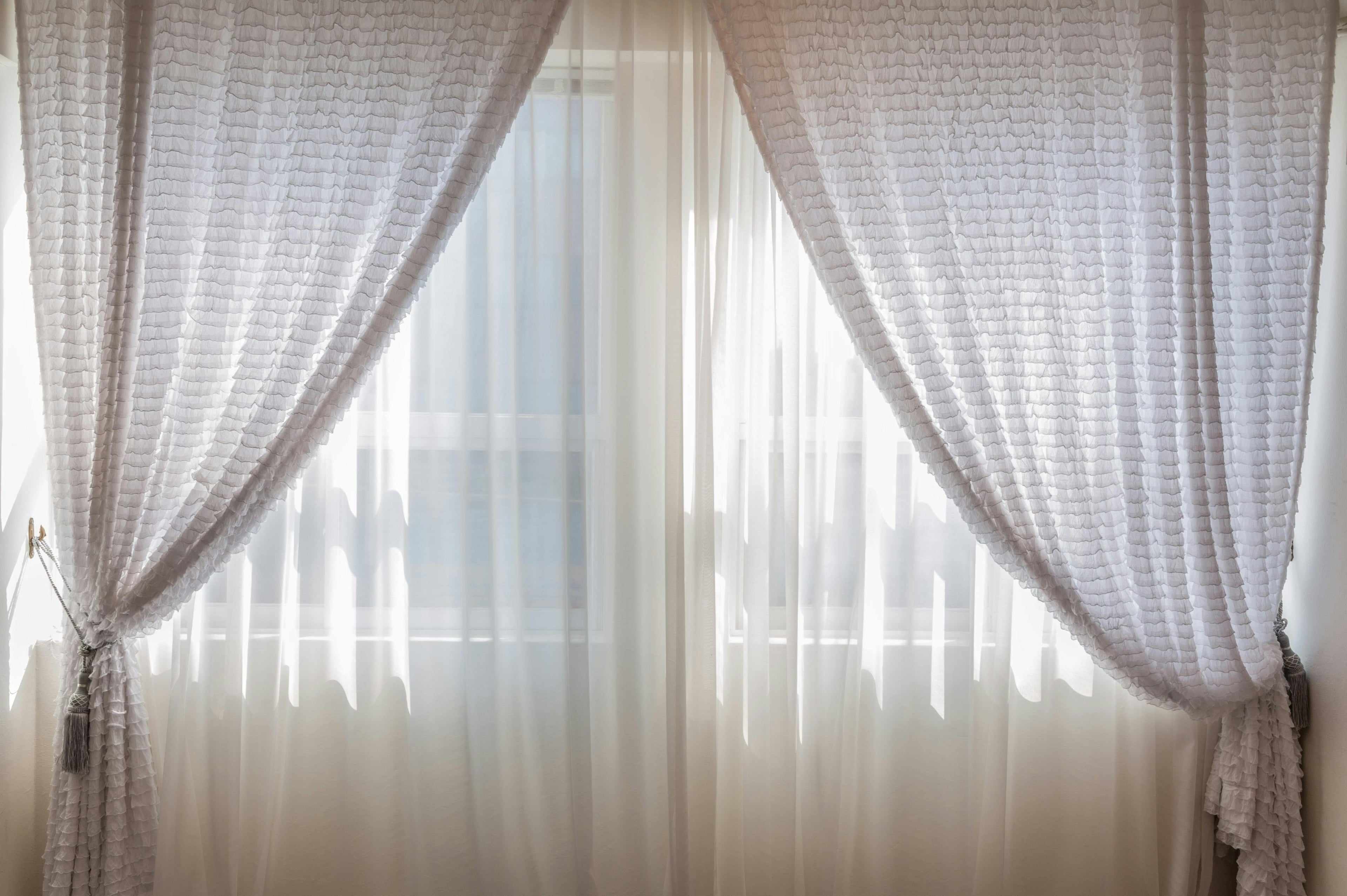
To maximize light intake, prioritize electric or remote-controlled blinds or roller shutters, which are more practical for high windows. Opt for light and airy fabrics at the windows, like voile or linen, which let light filter through while preserving privacy.
The placement of skylights is strategic. If renovations are possible, consider positioning them to create plays of shadow and light throughout the day. A south-facing window will flood the space with warm light, while a north-facing orientation will diffuse a softer, more constant light, ideal for a workshop or office.
Solutions for Hard-to-Reach Skylights
Cleaning or manipulating high windows can be a headache. Manufacturers now offer innovative solutions like skylights with reinforced insulation glazing and motorized opening, controllable via a remote or even a smartphone app. An investment that greatly improves daily comfort.
Winning Strategies for Layout and Circulation
In a space with complex volumes, circulation is paramount. The goal is to create an intuitive and clear pathway. Avoid at all costs cluttering the center of the room with bulky furniture.
Prioritize a peripheral arrangement, along the highest walls, to free up the central space. Use low furniture, preferably on legs, which let the gaze pass through and give an impression of space. A low sofa, a light coffee table, and airy shelves are your allies.
To delineate spaces without visually weighing down the room, use light partitions: an open bookcase, a stretched curtain, a decorative screen, or even a change in floor level or flooring. These tricks allow you to create a living area, a dining space, and a sleeping nook in the same volume without partitioning it.
Custom Storage: The Key to a Streamlined Interior
In a small loft space, storage is not only a question of organization but of visual survival. Clutter is quickly amplified. The solution lies in custom-made solutions and exploiting every unused cubic centimeter.
The spaces under the lowest slopes are gold mines. Have built-in closets or sliding drawers constructed that perfectly follow the shape of the roof. These storage units, once painted the same color as the wall, become invisible and offer phenomenal storage capacity.
Also think about height. The most vertical walls can accommodate shelves going up to the ceiling, ideal for books, decorations, or box storage. Use the space above doors to install high cabinets or niches.
- Built-in storage under slopes: For bedding, suitcases, or seasonal items.
- Headboard with storage: In the bedroom, opt for a thick headboard with integrated niches for books and bedside objects.
- Multifunctional furniture: A bed with storage drawers, a storage bench in the entryway, an extendable table.
- Ingenious space savers: Sliding doors to save swing space, a staircase with drawers integrated into the steps.
Choosing Colors and Materials to Enlarge the Space
The color palette and choice of materials have a huge visual and sensory impact in a loft apartment. The objective is to create an impression of volume, light, and warmth.
To visually enlarge the space and reflect light, a base of light colors is essential. White, beiges, very pale grays, and sandy tones are perfect for walls and ceilings. They unify the space and highlight the architectural structure.
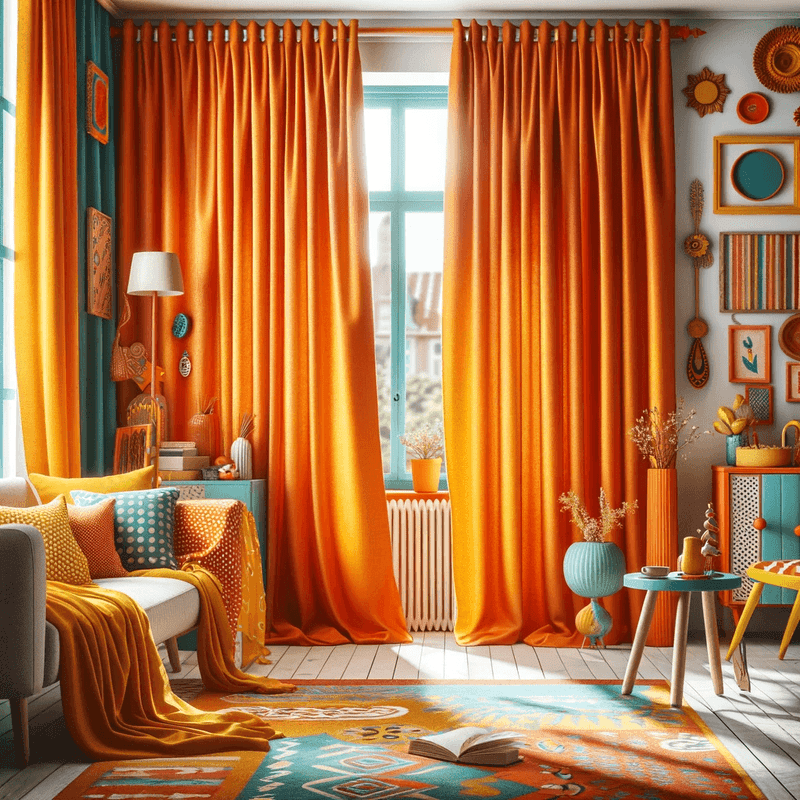
However, an all-white scheme can lack character. Don't hesitate to introduce touches of more assertive color on a wall at the back of the room, on exposed beams, or through furniture and accessories. Earthy tones (terracotta, sage green, deep blue) bring a warm and contemporary note.
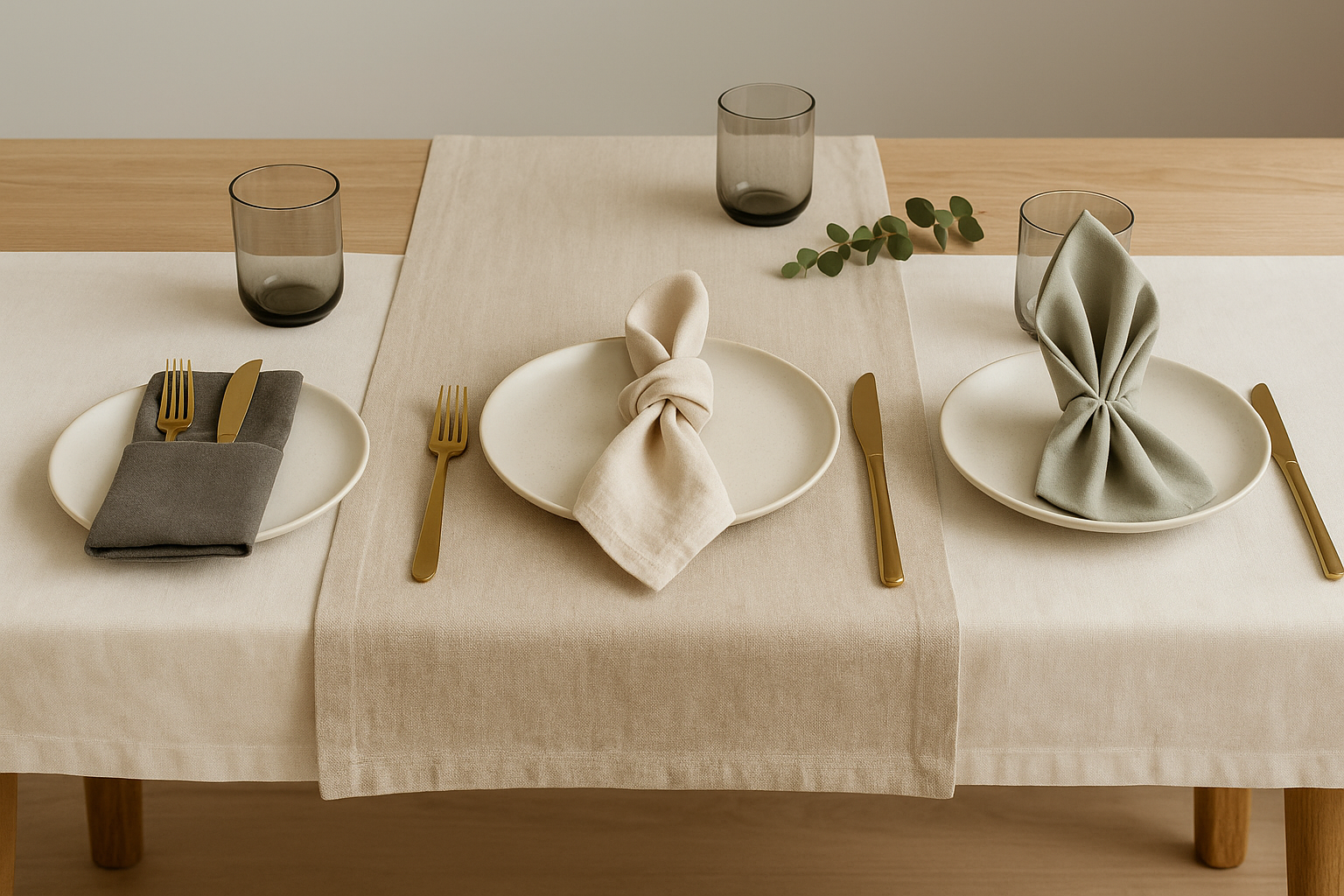
Regarding materials, prioritize naturalness and texture. Wood (parquet, paneling) brings incomparable warmth. Pair it with soft, natural fabrics like linen, thick cotton, or wool for throws and cushions. A floor in concrete-look vinyl or microcement can add an industrial and modern touch that contrasts nicely with the wooden framework.
Thermal and Acoustic Comfort: Crucial Issues Under the Roof
Living under the roof means being closest to the elements. In summer, heat can accumulate quickly, while in winter, heat loss is more significant. Insulation is therefore a non-negotiable point, both for comfort and energy savings.
If possible, check and improve the roof insulation. Solutions exist even for finished attics, like injecting insulating foam between the rafters or installing thin, high-performance insulating panels under the roofing. Skylights with double or triple glazing and thermal break are also essential.
For natural cooling in summer, exterior blinds or roller shutters are very effective at blocking the sun's rays before they heat the glass. Inside, a ceiling fan can greatly improve summer comfort.
Mastering Acoustic Resonance
Roof spaces often have particular acoustics, sometimes with echoes. To absorb sound and create a softer ambiance, integrate "soft" elements: a large rug, cushions, thick curtains, and bookcases filled with books. Decorative acoustic panels can also be an aesthetic and effective solution.
Decor Ideas to Enhance Every Nook of Your Attic
Decoration is what will personalize and make your loft apartment unique. Play with contrasts and scales to create dynamism.
Highlight structural elements. An exposed framework, painted white to modernize it or left raw for a chalet effect, becomes a sculptural element. A fireplace or chimney breast can be clad with cement tiles to make it a focal point.
For rooms under the roof, artificial lighting must be carefully considered to complement natural light. Avoid low-hanging pendants in passage areas. Prioritize multiple and soft lighting: recessed or track spots for general lighting, table lamps or wall sconces for reading corners, and fairy lights or integrated LEDs for a cozy ambiance.
Don't be afraid to use mirrors strategically placed to reflect light and double the perspective. A large mirror facing a skylight is particularly effective.
Arranging Specific Rooms Under the Slopes
Certain rooms lend themselves wonderfully to the attic atmosphere. Here's how to optimize them.
The Loft Bedroom: A Cocoon Par Excellence
Install the bed under the lowest slope to create an ultra-cozy cocoon effect. Complete it with pendant bedside lamps or lamps on very slim nightstands. A plush rug at the foot of the bed adds to the comfort.
The Office or Creative Studio
A nook naturally formed by the roofing is the ideal place to install a custom desk. A work surface that follows the slope, shelves above, and good task lighting (an articulated arm desk lamp) create an inspiring workspace.
The Bathroom in the Attic
A technical challenge but achievable. Opt for a walk-in shower (without a tray) in the lowest areas to avoid height problems. A freestanding bathtub can take center stage if the height allows. Use low bathroom vanities and pedestal sinks to adapt to the constraints.
Current Trends for Loft Apartments
Interior decoration is evolving, and attics are following the movement. Current trends favor authenticity and well-being.
The "cocooning" style is more relevant than ever, with natural materials, ultra-soft textiles, and subdued lighting. "Cottage core," which celebrates a return to nature and craftsmanship, pairs wonderfully with the rustic charm of beams.
We also see the emergence of a more minimalist and sculptural style, where the very structure of the attic becomes the work of art. Colors are neutral, shapes are clean, and only a few design objects punctuate the space.
Finally, smart home technology is making its way into attics: managing lighting, blinds, and heating via smartphone, for optimized comfort and energy efficiency.
FAQ: Answers to the Most Frequent Questions
How to avoid getting too hot in summer in a loft apartment?
Good insulation is the first barrier. Complement it with exterior sun protection (blinds, shutters), effective ventilation (VMC), and ceiling fans. Reversible air conditioning can be a solution, but prioritize passive means first for ecological and economic reasons.
What is the minimum ceiling height for finishing an attic?
Regulations generally require a ceiling height of at least 1.80 meters for a habitable surface. However, to be truly comfortable, a height of at least 2 meters is recommended in main circulation and living areas. Areas under 1.80 m are perfect for built-in storage.
Can you create a guest room in an attic with very steep slopes?
Absolutely. A raised loft bed, accessible by a small ladder, frees up the floor space below for a desk or dressing area. A trundle bed or a stylish sofa bed in the living room are also excellent solutions for hosting occasional guests without sacrificing daily space.
Should you paint beams white or leave them exposed?
Both options are valid and depend on the desired style. Painting them white (or in a light shade) enlarges the space, modernizes, and unifies. Leaving them exposed, possibly by cleaning and treating them, highlights the authentic, warm, and rustic character of the space. You can also mix: raw beams and white walls create a beautiful contrast.
How to choose furniture to avoid overloading the space?
Priority to custom-made and multifunctional pieces. Prioritize low furniture with clean lines, with legs that clear the floor. Visually light materials (glass, thin metal, light wood) and light colors are to be favored. One well-chosen imposing piece of furniture (like a large comfortable sofa) is better than several small pieces that fragment the space.
Conclusion: Make Your Attic a Personal Refuge
Creating a loft apartment is one of the most rewarding decorating adventures. Far from being constraints, the slopes, angles, and zenithal light are the ingredients that give this type of dwelling its soul and unique character. By following the principles of space optimization, intelligent storage, light control, and comfort, you will transform these atypical square meters into a true refuge, both functional and deeply inspiring. Your loft apartment will become the place you always look forward to returning to.
Looking for other inspirations to optimize a small space or choose the perfect color palette? Explore without delay the many detailed guides and articles available on ombreinterieur.fr. Our blog is dedicated to helping you create the interior that reflects you, whatever the architectural challenge to overcome. To go further, try the Slope Wardrobe Curtain in your room. Need practical advice? Read how to integrate frames in a small 40 m² studio. Discover our entire decor universe on Ombre Interieur.
