
















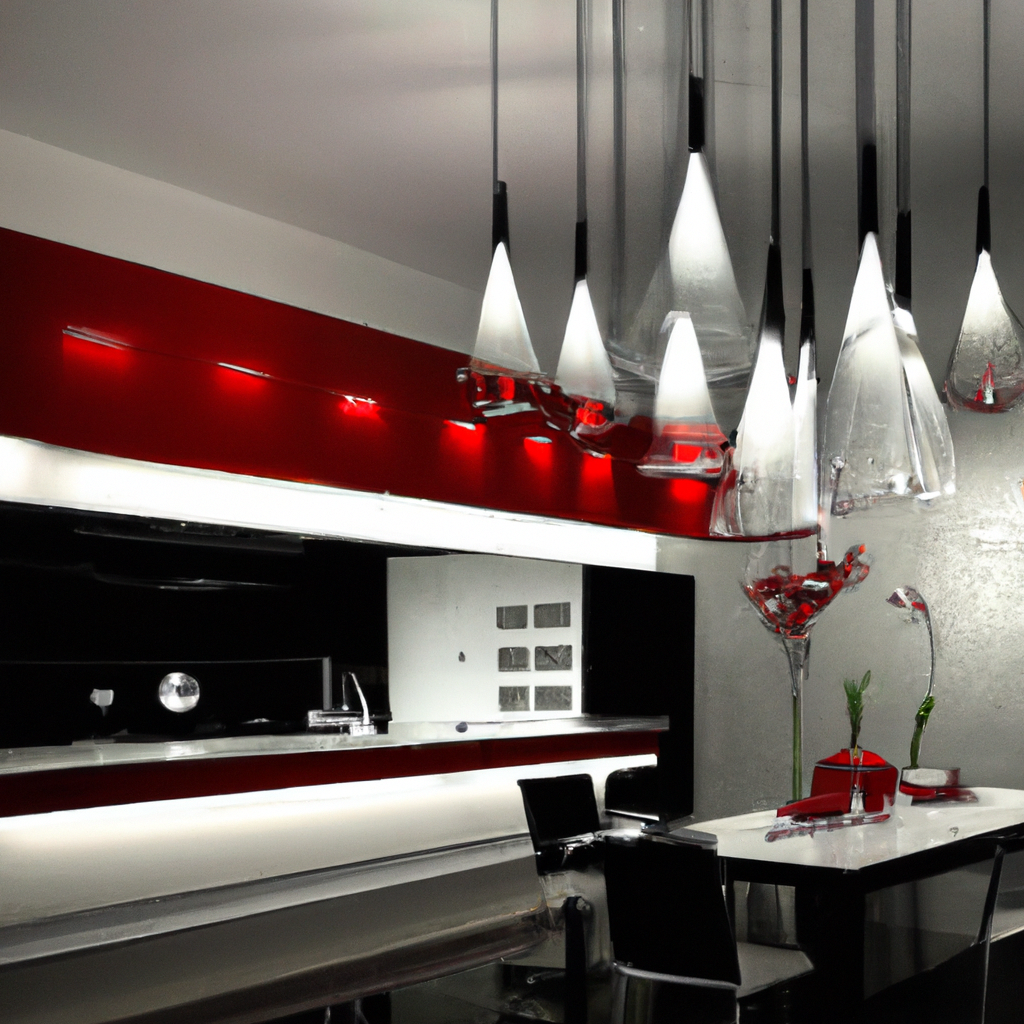
What color floor lamp for a contemporary kitchen?
Do you want to add a touch of elegance to your modern kitchen? The choice of your floor lamp's color is crucial for creating a harmonious and functional ambiance. In this comprehensive guide, discover the best chromatic options to illuminate your contemporary culinary space with style and personality.
Chromatic Trends for Kitchen Floor Lamps in 2024
Contemporary kitchens are characterized by clean lines, noble materials, and a perfect balance between aesthetics and functionality. The light fixture you choose must integrate perfectly into this modern ecosystem while adding a personal touch.
Neutral shades like white, black, and grey remain safe bets that suit all contemporary kitchen styles. These timeless colors offer discreet elegance that highlights other elements of your decor.
For the more daring, metallic colors like copper, brass, or brushed steel bring a warm and sophisticated dimension to your culinary space. These shades reflect light beautifully and create fascinating plays of shadow.
Trendy Colors This Season
- Sage green, bringing serenity and connection with nature
- Teal blue, combining depth and elegance
- Terracotta, for a warm and organic touch
- Matte black, a symbol of minimalist elegance
- Pastel shades, for a soft and bright ambiance
How to Choose the Ideal Color According to Your Kitchen's Style
The color choice for your floor lamp must harmonize with your entire kitchen. Carefully analyze existing elements to create perfect visual coherence.
For a Scandinavian kitchen, favor light shades like white, beige, or pastels. These nuances will amplify natural brightness and reinforce the clean aesthetic characteristic of this style.
In an industrial kitchen, opt for floor lamps in raw colors like matte black, anthracite, or metallic tones. These shades perfectly match materials like concrete, metal, or raw wood.
For a minimalist kitchen, monochromatic colors like white, black, or grey will bring a touch of discreet elegance that integrates perfectly into a sleek environment.
The Impact of Materials on Color Perception
The material of your floor lamp significantly influences the perception of its color. The same color can produce radically different visual effects depending on the material used.
Glass brings lightness and brightness. A colored glass floor lamp diffuses tinted light that transforms the ambiance of your kitchen. Opal or frosted glass creates a soft and enveloping atmosphere.
Metal offers variable reflections depending on its finish. A brass floor lamp will warm the space, while a brushed aluminum model will bring a cooler but elegant contemporary touch.
Fabric allows for the introduction of textures and patterns. A colored textile lampshade softens the light and creates a more intimate and warm ambiance, ideal for dining areas integrated into the kitchen.
Harmonizing the Floor Lamp's Color with Your Kitchen Lighting
The lighting in a contemporary kitchen must be strategically designed to combine functionality and aesthetics. Your floor lamp integrates into a global lighting system that needs to be harmonized.
For an open kitchen, the floor lamp can serve as a visual demarcation between the culinary space and the living room. Choose a color that echoes both areas to create a harmonious transition.
If your kitchen has a central island, colored pendant lights above it become a real focal point. Opt for shades that subtly contrast with the worktop for a striking effect.
Coordinating Different Light Sources
- General lighting: floor lamps or ceiling lights in neutral shades
- Task lighting: spotlights or under-cabinet strips in discreet tones
- Ambient lighting: pendant lights or table lamps in more expressive colors
Colors to Favor Based on Your Kitchen Size
The size of your culinary space directly influences the optimal chromatic choice for your floor lamp. A suitable color can visually transform the proportions of your room.
In a small kitchen, favor floor lamps in light and bright shades like white, beige, or pastels. These colors reflect light and give an impression of expanded space.
For a spacious kitchen, you can dare to use more sustained colors or more pronounced contrasts. A black floor lamp or one in a vibrant shade like red or teal can become a true decorative element structuring the space.
Long kitchens will benefit from a series of small colored pendant lights that guide the eye and punctuate the space, creating a dynamic and balanced perspective.
Matching the Floor Lamp's Color with Other Decorative Elements
To create a harmonious contemporary kitchen, the color of your floor lamp must dialogue with other decorative elements present in the space.
Establish a coherent chromatic palette by linking the hue of your light fixture to the colors of furniture, backsplash, accessories, or even small appliances. This approach creates a visual thread that unifies the whole.
The 60-30-10 principle is a golden rule in decoration: 60% dominant color (usually furniture), 30% secondary color (floors, walls), and 10% accent color. Your floor lamp can perfectly fit into this last category to add character.
Creating Strategic Color Points
- Combine a colored floor lamp with accessories of the same hue (utensils, dinnerware, textiles)
- Create a contrast between the floor lamp and the worktop to energize the space
- Echo the color of your backsplash in your light fixture for visual coherence
- Harmonize the floor lamp's hue with furniture handles or knobs for a sophisticated effect
Conclusion: Dare to Use Color with Discernment
Choosing the color of a floor lamp for your contemporary kitchen is much more than a simple aesthetic decision. It's an opportunity to create a unique atmosphere, assert your personality, and optimize the functionality of this central space in your home.
Don't hesitate to think outside the box while keeping in mind the overall harmony of your interior. A carefully chosen colored floor lamp can radically transform the atmosphere of your kitchen and become a true visual anchor point.
Remember that light influences our perception of colors. Test different bulbs (warm white, neutral white, cool white) to see how they interact with the hue of your floor lamp before making your final choice.
By following these tips and trusting your intuition, you will undoubtedly find the ideal floor lamp color that will enhance your contemporary kitchen for many years to come.
Share