















How to Remove a Stubborn Stain: Complete Guide
A stubborn stain can, in an instant, disrupt the visual harmony of a room you have so patiently composed. Faced with this annoyance, the temptation to act hastily is strong, yet doing so risks making matters worse. Fortunately, there are precise techniques and proven methods to protect your cherished surfaces and fabrics. This guide invites you to master the art of removal by understanding the nature of each mark, so you can approach the care of your home with confidence, unafraid of everyday mishaps.
Persistent stains are the nightmare of any interior decoration enthusiast. They seem to appear out of nowhere, defying our finest upholstery fabrics, pristine carpets, or precious floors, threatening the carefully composed harmony of a room. Whether it's a splash of red wine on a velvet sofa, a grease mark on a wool rug, or a water ring on a wooden table, these unwanted marks can ruin a space's aesthetic in an instant. Knowing how to remove a persistent stain is not just a matter of cleaning; it is an art of preservation, essential for maintaining the beauty and value of your home. This article is your ultimate guide, detailing proven methods, from natural solutions to specialized products, and tips tailored to every type of surface and soiling. We will explore in depth the techniques to overcome the most stubborn stains, relying on current data and professional tips.
Understanding the Enemy: The Chemical Nature of Persistent Stains
To effectively combat a stain, you must first understand it. A persistent stain is the result of a chemical compound that has penetrated textile fibers or surface pores, creating a bond often reinforced by time, heat, or initial improper treatment. Stains generally fall into three main categories, each requiring a specific approach.
Water-based stains, such as those caused by coffee, tea, fruit juice, or wine, contain tannins and dyes that adhere to fibers. The real danger occurs when they are treated with heat, which can set the color almost permanently.
Grease or oil-based stains come from fats, cooking oil, butter, sauces, or cosmetics. They do not dissolve in water and tend to spread if rubbed with an unsuitable product, creating a larger halo.
Finally, combined or protein-based stains are the most complex. Blood, chocolate, eggs, or tomato sauce contain proteins, fats, and dyes simultaneously. Inappropriate treatment (like hot water on blood) can cook the protein and make the stain indelible.
Correctly identifying the nature of the stain is therefore the first and most crucial step in the removal process. A mistake at this stage can seal the fate of your fabric or surface.
The Golden Rule: Act Fast and Test Discreetly
Time is your worst enemy when facing a stain. The longer a soiling remains, the more it oxidizes, dries, and embeds into fibers. The number one rule is therefore to intervene as quickly as possible. However, haste should not mean recklessness. Before applying any product, even water, to a visible area, perform a color and material fastness test in a discreet corner.
Apply a small amount of the cleaning product to a clean sponge and gently dab a hidden area (under a cushion, behind the sofa, under the rug). Wait a few minutes and wipe. Check for discoloration, color transfer to the sponge, or alteration of the fabric. This step is non-negotiable, especially for delicate fabrics like silk, velvet, or hand-dyed materials.
At the same time, always start by removing excess matter. For a solid stain (chocolate, dirt), gently scrape with the back of a knife. For a liquid, blot immediately without rubbing, dabbing from the outside in to avoid spreading the stain. Use a white absorbent cloth or paper towel. Rubbing is the most common mistake; it pushes particles deeper into the fibers.
The Perfect Cleaner's Arsenal: Natural and Effective Solutions
Before resorting to harsh chemicals, turn to an arsenal of natural solutions, often already in your cupboards, and remarkably effective for removing a persistent stain. They are economical, eco-friendly, and gentler on your textiles and health.
White Vinegar, the Versatile Acid
White vinegar (8% acetic acid) is an excellent stain remover and deodorizer. Its acidity helps dissolve alkaline residues (like soap scum that sets stains) and lift tannin-based stains (coffee, tea, wine, fruit). For a red wine stain on a cotton tablecloth, mix equal parts white vinegar and cold water. Dab the stain, then sprinkle with fine salt to absorb the liquid. Let it sit for 10 minutes before rinsing with cold water and washing normally.
Baking Soda, the Gentle Abrasive and Absorbent
Baking soda is a very mild abrasive and odor neutralizer. For grease stains on a rug or upholstery fabric, generously sprinkle baking soda over the stain. Let it sit for several hours, or even overnight. It will absorb some of the grease. Then vacuum. To enhance the action, you can create a paste with baking soda and a little water, apply it, let it dry, and brush.
Lemon, the Natural Bleaching Agent
Lemon juice, thanks to its acidity and slight bleaching properties, is excellent against oxidation stains (ink, light rust) and food stains on white cotton. Apply pure lemon juice to the stain, expose the area to sunlight (the combined action of lemon and UV has a bleaching effect), then rinse thoroughly. Caution: lemon can discolor colored fabrics; use only on white.
Marseille Soap, the Timeless Classic
Genuine Marseille soap (olive oil-based, without added glycerin) is an exceptional degreaser and textile cleaner. Rub the bar directly onto the pre-moistened stain, or create a foam with a little hot water. Let it sit for an hour before rinsing thoroughly with cold water. It is particularly recommended for organic stains on household linens.
Targeted Techniques: How to Remove a Persistent Stain by Type
Each stain is a unique case. Here is a detailed guide to treating the most common and dreaded soiling in interior decoration.
Red Wine, the Terror of Light-Colored Sofas
Don't panic. Blot immediately as much liquid as possible with a white cloth. Immediately sprinkle the area with fine salt or, better yet, table salt. The salt will absorb the liquid. Let it sit for 10 minutes, then vacuum. Next, mix one part sparkling water (its acidity and bubbles help) and one part white vinegar. Dab gently. Rinse with cold water by dabbing. For an old stain, a solution of hydrogen peroxide (10-volume) diluted half with water and a drop of dish soap can be applied, after testing.
Oil and Grease Stains on Fabrics and Rugs
Here, water is ineffective. Start by sprinkling with Fuller's earth, cornstarch, or baking soda. Let it absorb for several hours. Vacuum. Then, apply a little mild dish soap (degreaser) directly to the stain. Gently rub between your fingers to lather and emulsify the grease. Let it sit for 15 minutes, then rinse thoroughly with cold water by dabbing. Repeat if necessary.
Water Marks and Rings on Wood
The white circles left by a glass on a varnished wooden table are classic persistent stains. Mix equal parts white toothpaste (non-gel, non-whitening) and baking soda to form a paste. Apply to the stain with a soft cloth and rub in the direction of the wood with light pressure. The paste acts as a very fine abrasive. Wipe with a damp cloth, then dry and polish with a little furniture oil or wax.
Blood on Mattresses or Cushions
Never use hot water. Cold only. Rinse thoroughly with cold running water if possible, or dab with a sponge soaked in cold water. Then, make a paste with cornstarch and cold water, apply, let dry, and brush. Another effective method: cold salt water. For an old stain, applying a little saliva (it contains enzymes) can work wonders on small stains.
Delicate Surfaces: Velvet, Silk, Wool, and Natural Stone
Certain materials require a tailored approach, as they are more fragile and sensitive to aggressive treatments.
For velvet, avoid any rubbing that would crush the pile. Start by gently brushing the stain dry with a velvet brush to remove solid residues. For a liquid stain, blot immediately with a very absorbent microfiber cloth. For a stubborn stain, use a specific dry foam velvet cleaner, applied with a sponge, without wetting the fabric deeply.
Wool (rugs, throws) is prone to felting with hot water and rubbing. Always treat with cold or lukewarm water. A gentle mixture of lukewarm water and baby shampoo or special wool detergent can be dabbed on. Rinse by dabbing with a cloth soaked in clean water. Absorb excess moisture with towels and let dry flat, away from direct sunlight.
Natural stones (marble, travertin) and unglazed tiles are porous. For an oil stain, apply a generous layer of clay (like Fuller's earth) mixed with a mild solvent such as denatured alcohol to form a paste. Spread over the stain, cover with plastic wrap, and let sit for 24 to 48 hours. The paste will absorb the stain. Scrape and rinse.
When and How to Use Commercial Stain Removers
If natural methods fail, commercial stain removers can be a solution. Their choice must be informed. Always prioritize products specific to the nature of the stain (enzymatic stain remover for organic stains, grease stain remover for oil) and the support (stain remover for rugs, for upholstery fabrics).
Read labels carefully and follow instructions to the letter, especially dwell times. Many of these products need to be left on for several minutes to work deeply, but not too long to avoid damaging colors. Never mix different chemicals (bleach and ammonia, for example), as this can create toxic fumes.
For the oldest and most ingrained stains, oxygen-based stain removers are often very effective. They contain peroxide that acts as a gentle, color-safe bleach. Dissolve the powder in hot water according to instructions, apply to the stain, let sit for up to an hour, then rinse and wash.
Mistakes to Absolutely Avoid to Prevent Worsening the Situation
Certain reflexes, though intuitive, are disastrous when it comes to removing a persistent stain. Knowing them can save you from a catastrophe.
- Rubbing vigorously: This is the worst mistake. It spreads the stain, pushes it into fibers, and can damage the fabric's texture (felting of wool, breaking of delicate fibers). Always dab.
- Using hot water as a first resort: Heat sets most stains (proteins, tannins). Always start with cold water.
- Pouring salt on red wine without blotting first: Salt is effective for absorbing, but if you put it on a large puddle, it will simply dissolve and create a saline solution that penetrates even more. Blot first.
- Using bleach on an unknown or colored stain: Bleach can react chemically with certain compounds (especially ammonia) and cause irreversible discoloration on colored fabrics. Reserve it for pure white and mold stains.
- Drying with heat (tumble dryer, radiator) before the stain is completely gone: The heat of drying will seal the stain forever. Ensure the stain has completely disappeared before drying the item normally.
FAQ: Answers to the Most Frequent Questions About Persistent Stains
Is an old coffee stain on a fabric sofa impossible to remove?
No, but it's a challenge. For an old coffee stain (tannins), start by applying a mixture of white vinegar and water (1:1) by dabbing. Rinse. If the mark persists, prepare a paste with borax (a natural mineral) and cold water. Apply, let dry completely, then brush and vacuum. As a last resort, a specific tannin stain remover can be used after testing.
How to remove a felt-tip pen or ink stain on a painted wall?
For a washable painted wall (satin, gloss), first try with a slightly damp magic eraser (melamine). Rub very gently. For ink, a cotton ball soaked in 90% alcohol (test first in a corner!) can dissolve the stain. Dab without rubbing to avoid dissolving the paint. For matte paints, these methods are risky; it is often better to touch up with a little matching paint.
What to do about mold stains on outdoor fabric or an awning?
Mold requires a fungicidal treatment. Mix one cup of white vinegar with one cup of water, add a tablespoon of baking soda (the reaction will foam). Apply to the stain with a brush. Let it sit for an hour. Gently scrub and rinse thoroughly with water. Sun exposure after treatment helps kill remaining spores.
Is there a universal method for all stains?
Unfortunately, no. This is the main pitfall. A method that works on a grease stain can be disastrous on a blood stain. Universality lies in the approach: identify, test, act with the gentlest solution first, dab instead of rubbing, and rinse well.
Should I call a professional to remove a persistent stain?
Yes, in some cases: for valuable or antique rugs, very delicate upholstery fabrics (silk, silk velvet), very old and extensive stains, or after several unsuccessful attempts. A professional cleaner has solvents, equipment (injector-extractor), and expertise that can save an item without damaging it. The cost is often justified to preserve a significant decorative investment.
Prevention and Regular Maintenance: The Best Anti-Stain Strategy
The best way to deal with persistent stains is to prevent them from settling. Applying a stain repellent to your sofas, armchairs, and new rugs creates an invisible barrier that repels liquids, giving you time to blot them before they penetrate. For upholstery fabrics, dry cleaning or regular shampooing (every 12 to 18 months) deeply removes invisible soiling and residues that attract stains.
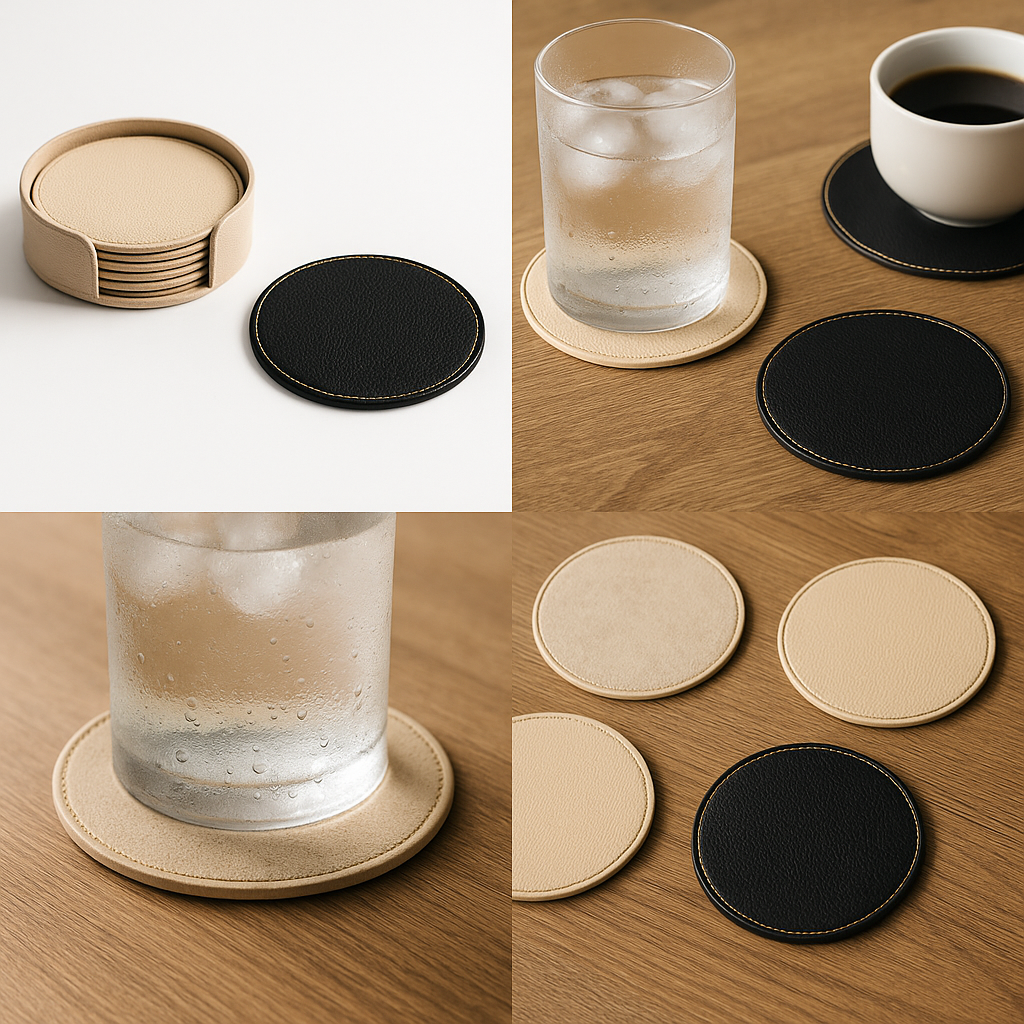
Adopt simple habits: use coasters, treat minor accidents immediately, and avoid placing light-colored fabric furniture in high-risk areas (dining room, living room with young children). Regular vacuuming, including on sofas, removes dust and abrasive particles that, once rubbed, can open fibers and make them more susceptible to stains.
Mastering the art of removing a persistent stain is a valuable skill for any interior decoration enthusiast. It allows you to preserve the beauty and integrity of the elements that make up your daily environment, extend their lifespan, and maintain a space that is always welcoming and aesthetic. Simple and natural solutions exist for the majority of accidents, provided you keep your cool and follow a rigorous methodology. For the most complex cases, do not hesitate to consult professionals. Your interior deserves this attentive care. To discover more tips for maintaining and beautifying your home, explore without delay the other comprehensive guides available on ombreinterieur.fr. Fall for Unique Winter Travel Posters Elegant Wall Decor for a Cozy Atmosphere, a real plus for your interior. For more tips, discover how to achieve a Scandinavian cocooning decor on the blog. Find our entire decor universe on Ombre Interieur.
