















How to whiten curtains?
Your once-brilliant white curtains have lost their luminosity under the sun’s relentless gaze and the slow passage of time. Yellowing, greying, stubborn stains—this dulling veil that dims your interior need not be permanent. Before replacing them, know that simple, effective gestures can restore their youthful radiance. Between natural methods and clever pre-treatment tricks, this guide leads you toward immaculate window linens, without harsh chemicals. You deserve a home that breathes freshness, where light filters softly through crisp fabric, reviving the airy elegance that first drew you to those pristine panels.
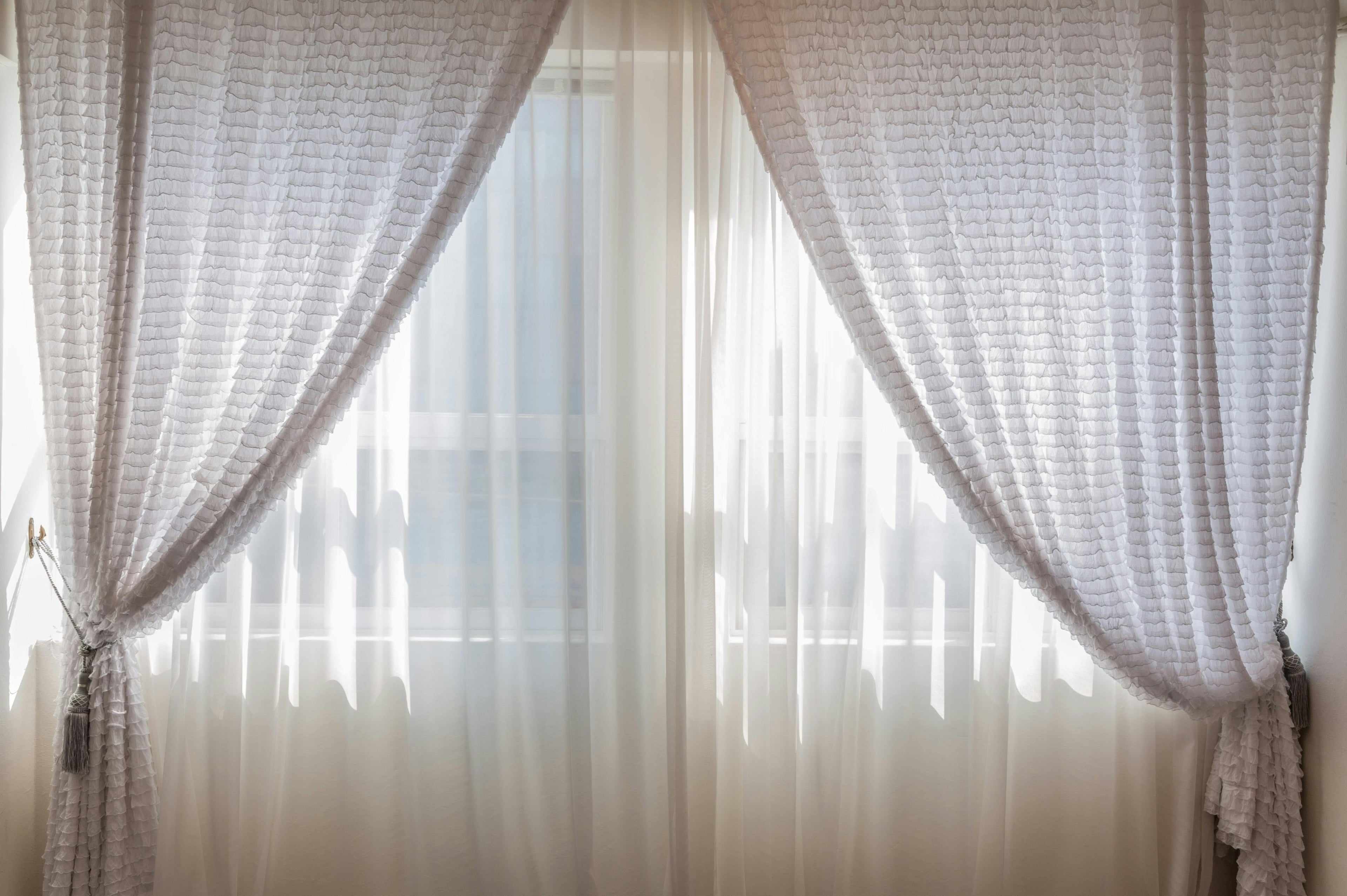
Pristine white curtains bring an incomparable touch of freshness and brightness to your interior decor. However, over time, exposure to sunlight, dust, and stains can cause them to yellow, gray, or lose their shine. Restoring their original whiteness is often simpler than it seems. Whether your curtains are made of cotton, linen, or are delicate sheer curtains, this detailed guide explains how to whiten curtains effectively, using natural or chemical methods, for an always radiant interior.
Essential Preparation: The Indispensable Step Before Whitening
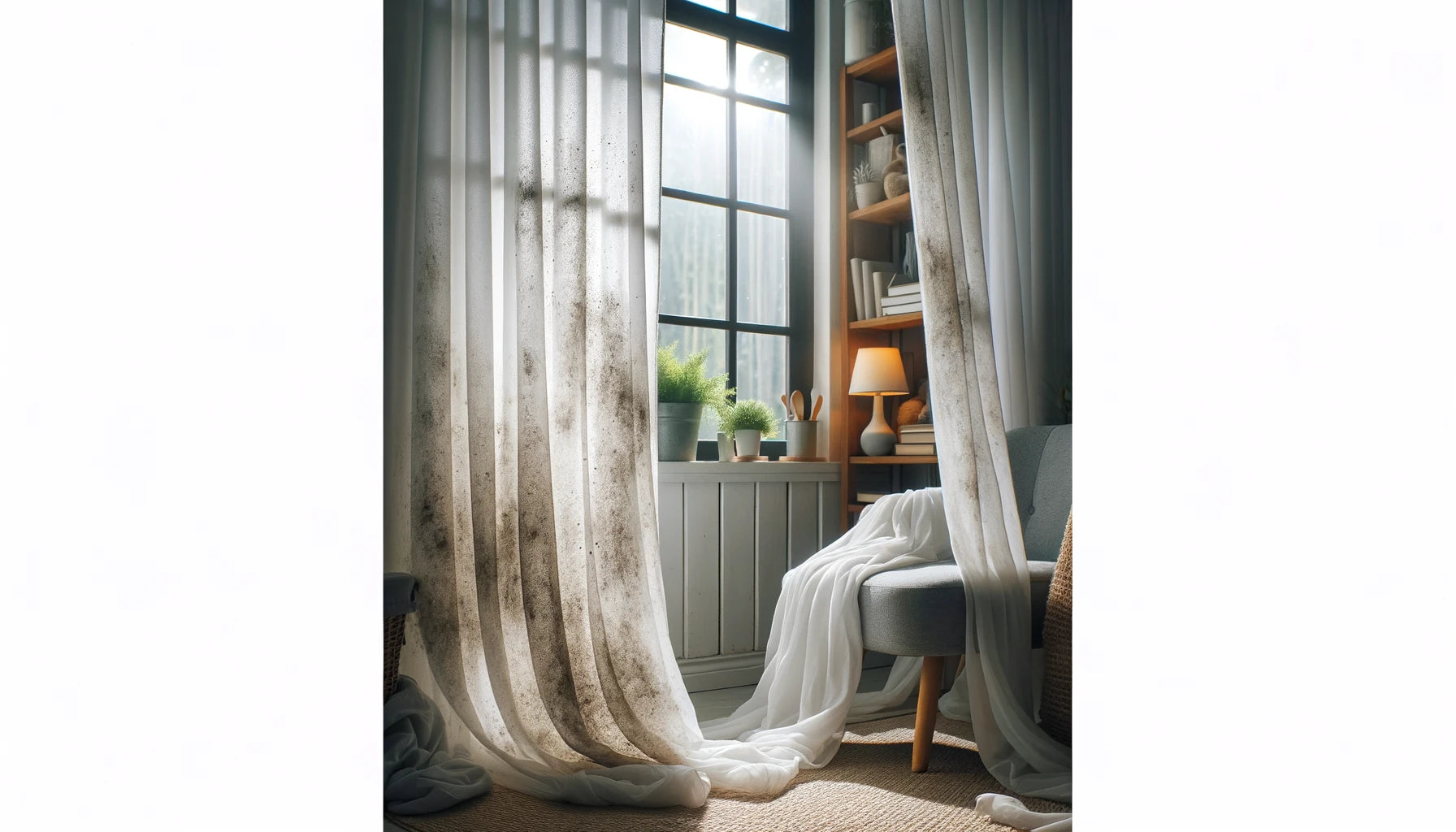
Before any whitening attempt, meticulous preparation is the key to success. This step allows you to treat localized dirt and optimize the action of the products, whether you are whitening yellowed curtains or simply reviving dull whites.
1. Dusting and Inspection
Start by carefully removing your curtains from their curtain rods. Shake them vigorously outside or use a vacuum cleaner with a soft brush attachment to remove all dust and embedded particles. Inspect the fabric to identify specific stains (grease, wine, ink) and the general degree of yellowing or graying.
2. Pretreating Stubborn Stains
Targeted pretreatment prevents stains from setting permanently during washing. Here are some adapted tips:
- Grease or food: Sprinkle with baking soda or apply a little pure Marseille soap to the stain. Let it sit for 30 minutes before gently scrubbing.
- Wine or fruit stains: The acidity of lemon juice is perfect. Apply a mixture of equal parts lemon juice and water, then rinse.
- Ink stains: 90° rubbing alcohol on a cotton ball can work wonders. Always test on an invisible hem first.
- Generalized yellowing: For whitening curtains yellowed by the sun or tobacco, a general soak is recommended (see methods below).
These preliminary actions ensure uniform cleaning and maximize the effectiveness of the next step, whether it's machine washing or soaking.
Natural Methods to Whiten Curtains Without Harsh Products
Natural solutions are ideal for regular maintenance, for delicate fabrics like sheers, or if you prefer an ecological and economical approach. They are formidable for whitening grayed sheers or restoring freshness to slightly yellowed curtains.
Whitening Curtains with Baking Soda
Baking soda is a multi-functional ally for the home. To whiten curtains:
- In the washing machine: Add half a cup (about 100g) of baking soda directly into the drum with your curtains, in addition to your mild detergent. It softens the water and enhances the cleaning action.
- By soaking: Dissolve one cup of baking soda in a bucket of hot water. Soak your curtains for 4 to 8 hours. Rinse thoroughly before machine washing.
This method is particularly recommended for using baking soda to whiten sheer curtains made of polyester or lightweight cotton.
Whitening Curtains with White Vinegar
White vinegar is an excellent natural fabric softener and descaler that helps break down detergent residue responsible for graying. To whiten curtains with white vinegar:
- Add 10 to 15 cl of white vinegar to the fabric softener compartment of your washing machine during the rinse cycle. It removes the last traces of soap and restores shine.
- For pretreatment: on a sweat or mildew stain, apply a mixture of equal parts vinegar and water.
Tip: combine baking soda (during washing) and vinegar (during rinsing) for enhanced whitening and sanitizing action.
The Power of Lemon and Sunlight
This ancestral technique is magical for whitening curtains yellowed by the sun. Citric acid acts as a natural bleaching agent, and the sun's UV rays finish the job.
- Soak your curtains in a basin of hot water with the juice of 2 lemons added.
- Let it work for 1 hour, then wring out lightly without rinsing.
- Hang your still-damp curtains in full sun. Let them dry completely. You will see the whiteness gradually return.
Perfect for linen curtains or white cotton curtains that have faded.
Soaking with Sodium Percarbonate
Sodium percarbonate, often called "active oxygen," is the professionals' secret for powerful ecological whitening. It is excellent for how to whiten curtains that have turned gray or are heavily yellowed.
- In a bucket or basin, mix 4 to 5 liters of very hot water (60-70°C) with 150 to 200g of sodium percarbonate. Mix well until dissolved.
- Immerse your pre-wetted curtains in it. Make sure they are fully submerged.
- Let soak overnight (minimum 6 hours). The water will become cloudy, a sign the product is working.
- The next day, simply run your curtains through the washing machine at 30°C or 40°C for a deep rinse. No need to add detergent.
Caution: Sodium percarbonate is very effective on natural fibers (cotton, linen). Test on a seam for colored or delicate fabrics.
Chemical and Professional Solutions for Severe Cases
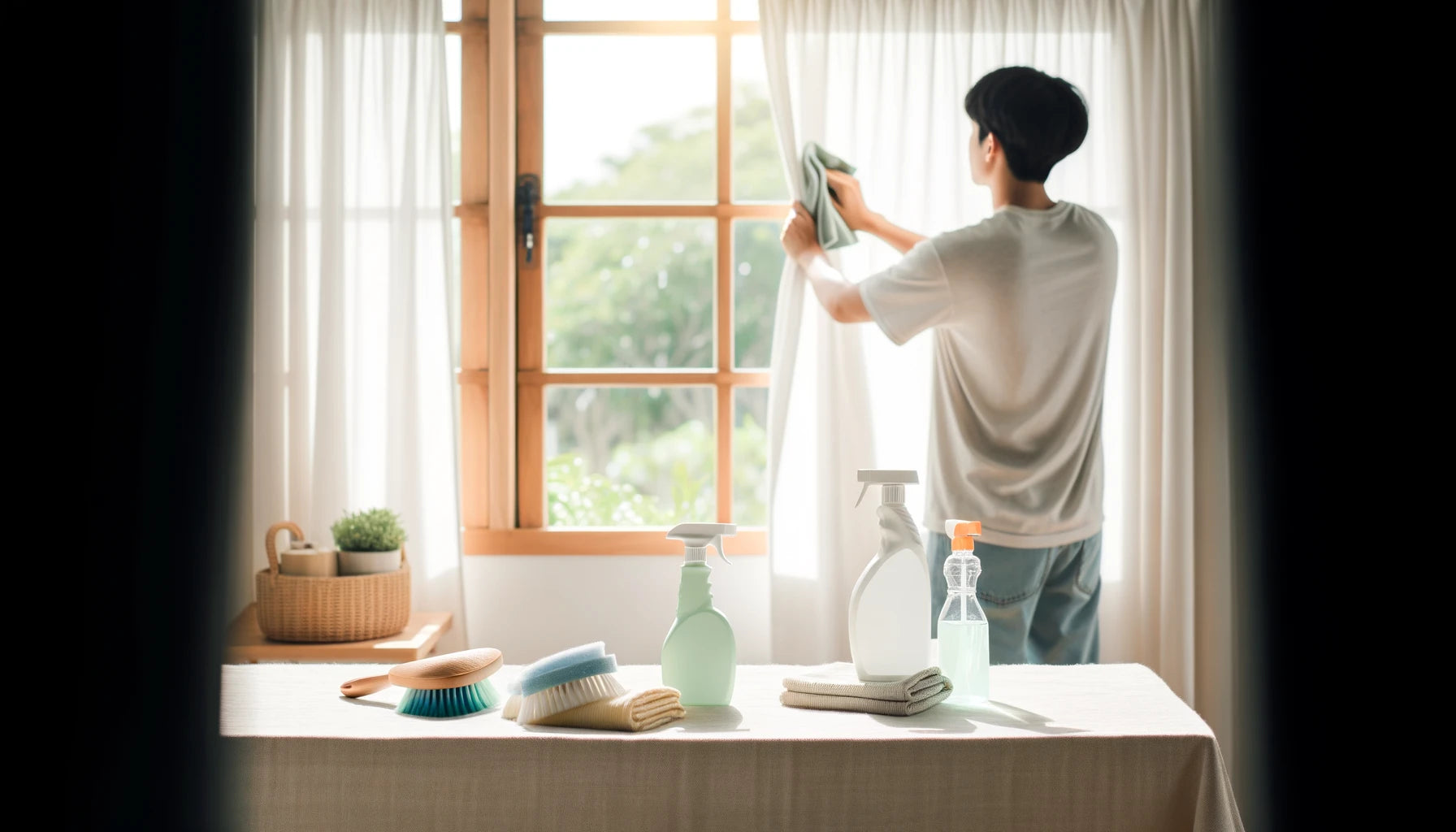
When yellowing is very pronounced, stains are old, or for an ultra-fast result, chemical solutions can be considered. Use with caution.
Bleach: A Double-Edged Sword
Bleach (sodium hypochlorite) is very effective for disinfecting and whitening deeply, but it is harsh on fibers and the environment.
- Use: ONLY on 100% cotton or linen white fabrics, and if the care label allows it. Never on silk, wool, spandex, or colored items.
- Dosage: Dilute 1 mustard glass of bleach in 5 liters of cold water. Soak the curtains for a maximum of 10 to 15 minutes. Rinse immediately and thoroughly with clear water before machine washing.
This method can address the specific query how to whiten curtains yellowed by tobacco, but it weakens the fabric in the long term.
Industrial Stain Removers and Whiteners
There are products dedicated to whitening laundry, less aggressive than bleach. Choose products based on active oxygen (like percarbonate) or specific "special white" formulas. Follow the dosages indicated on the packaging scrupulously.
How to Wash and Whiten Curtains in the Washing Machine?
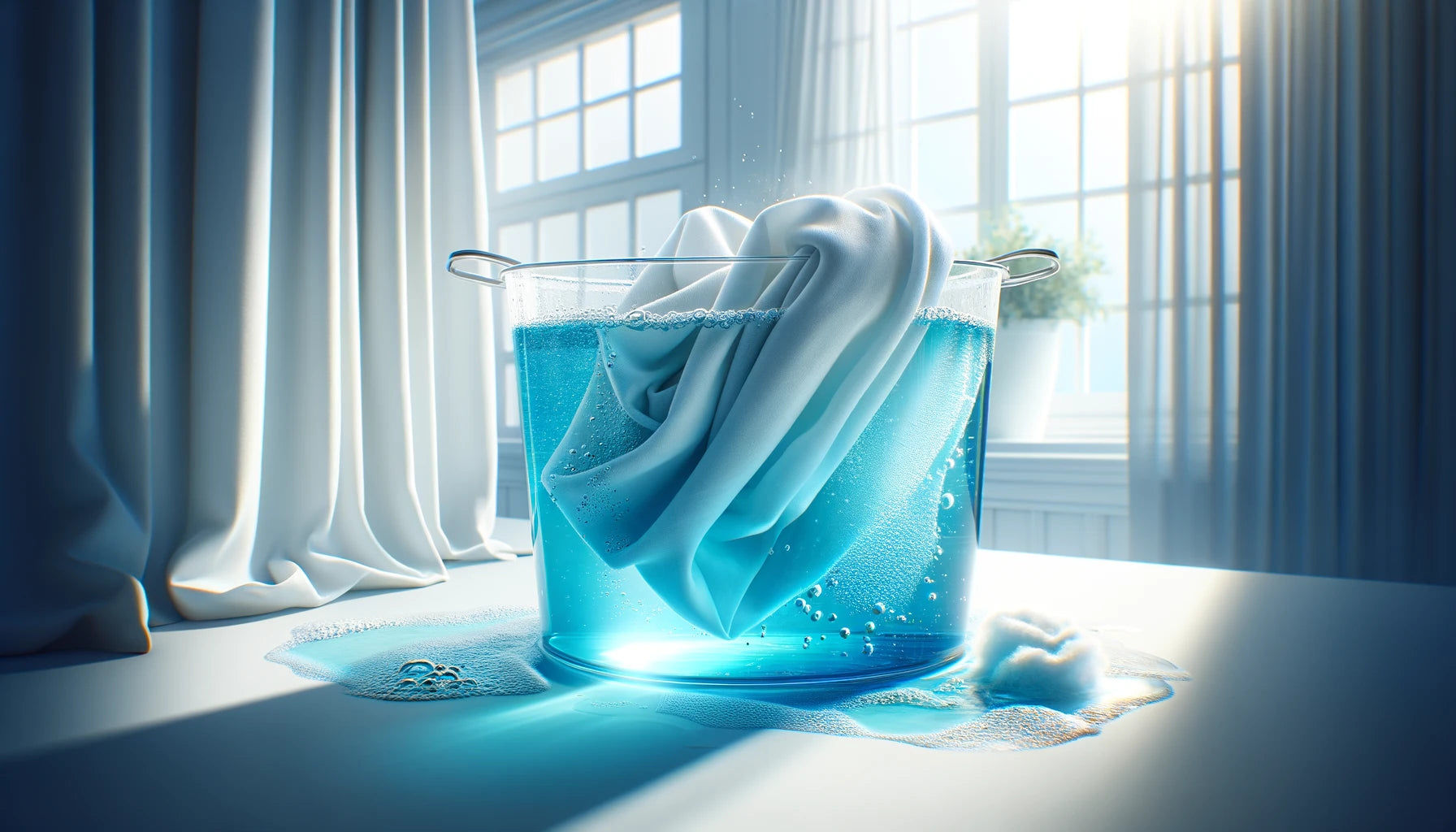
Machine washing is the final step for most methods. Proper execution preserves the shape and texture of your curtains. navy blue
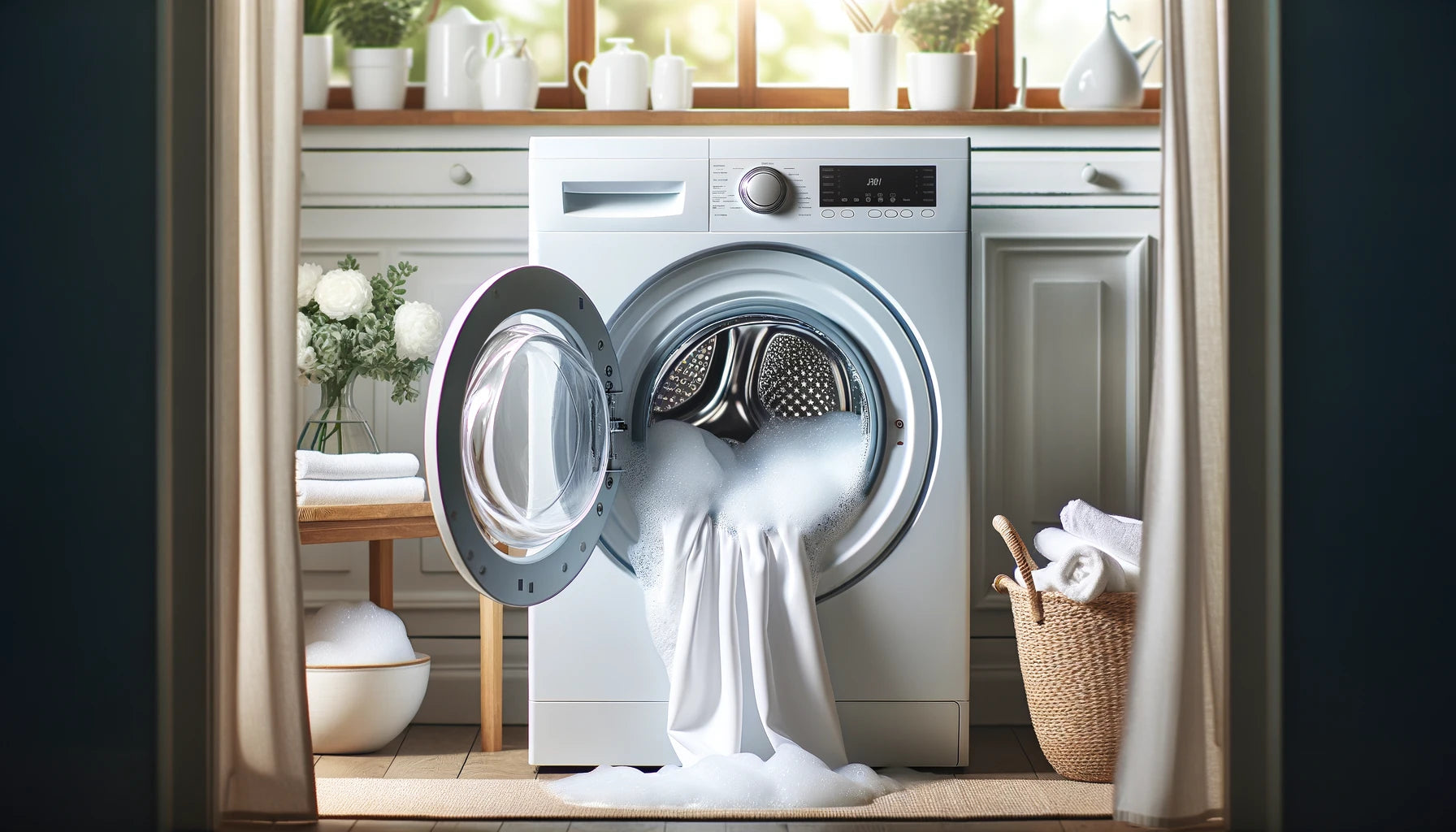
Ideal Machine Settings
- Temperature: 30°C to 40°C maximum for synthetic fibers and colors, 60°C for very dirty white cotton or linen. Hot water activates products better but can shrink some fabrics.
- Program: Use a "delicate," "delicates," or "cotton" cycle with a reduced spin speed (600-800 rpm). This avoids excessive wrinkling of the fabric.
- Load: Wash curtains alone or with other white textiles to avoid color transfer. Do not overload the drum for optimal rinsing.
Detergent and Additives
Prefer a liquid detergent for delicate textiles or a classic powder detergent for whites. Avoid conventional fabric softeners which can dull fibers and reduce their absorbency. Prefer white vinegar as a natural fabric softener.
Drying, Ironing, and Maintenance Tips to Preserve Whiteness
The final phase is crucial for a perfect finish and to prevent premature re-yellowing.

Drying: The Key to a Dazzling White
- In the sun: This is the best option! The natural whitening effect of UV rays is unmatched. Hang your curtains flat or hang them up as soon as they come out of the machine. This tip is essential after using lemon.
- Indoors/Tumble dryer: If you must dry indoors, ensure good ventilation. In the tumble dryer, use a cool air or very low-temperature setting for synthetics, but avoid for linen or cotton which can shrink.
Ironing and Storage
Iron your curtains while still slightly damp, on the reverse side, with an iron at the temperature suitable for the fabric. For sheers, ironing is often unnecessary if they are hung well. Once clean and dry, store them away from dust and humidity if you are not rehanging them immediately.
Preventing Future Yellowing
To keep your curtains white longer:
- Regular washing: A wash every 3 to 6 months prevents dust and pollution from becoming permanently embedded.
- Sun protection: Use blinds or double curtains to limit direct and prolonged exposure to sunlight, the main cause of yellowing.
- Linings: For your finest curtains, consider a thermal or blackout lining. It protects the main fabric and improves the insulation of your room. Discover our selection of curtain accessories to complete your installation.
- Ventilation: Ventilate your room regularly to reduce humidity and odors from tobacco or cooking that can yellow textiles.
Conclusion: White Curtains for a Luminous Decor
Whitening curtains, whether they are yellowed, gray, or simply dull, is within everyone's reach. Depending on the condition of your textiles and your preferences (natural vs. chemical), you now have a range of effective solutions. Always start with the gentlest methods (baking soda, percarbonate) before considering stronger treatments. Pristine curtains instantly enhance your interior decor, bringing light and a feeling of cleanliness.
And if your curtains have seen better days, why not take the opportunity to refresh your decor? Explore our collection of curtains in lace for a light and romantic ambiance, or our fringed curtains for a chic bohemian style. For a perfect installation, also consider curtain rings and suitable hanging systems.
With these maintenance tips and our product selection, your interior deserves to be illuminated by curtains resplendent with whiteness.
Romantic gray and white curtain Short crochet cotton curtains
Share
