














How to line a curtain with blackout fabric
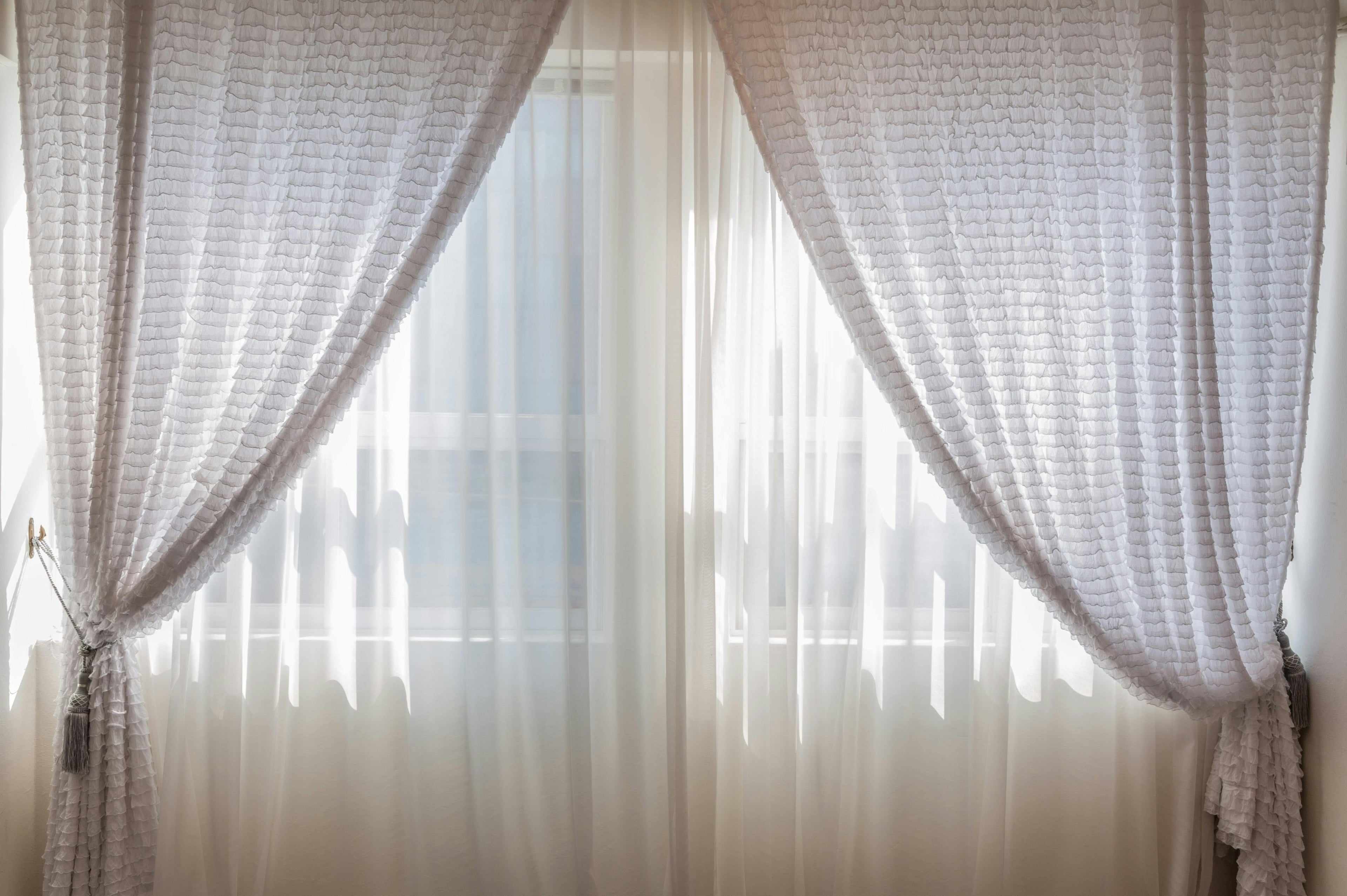
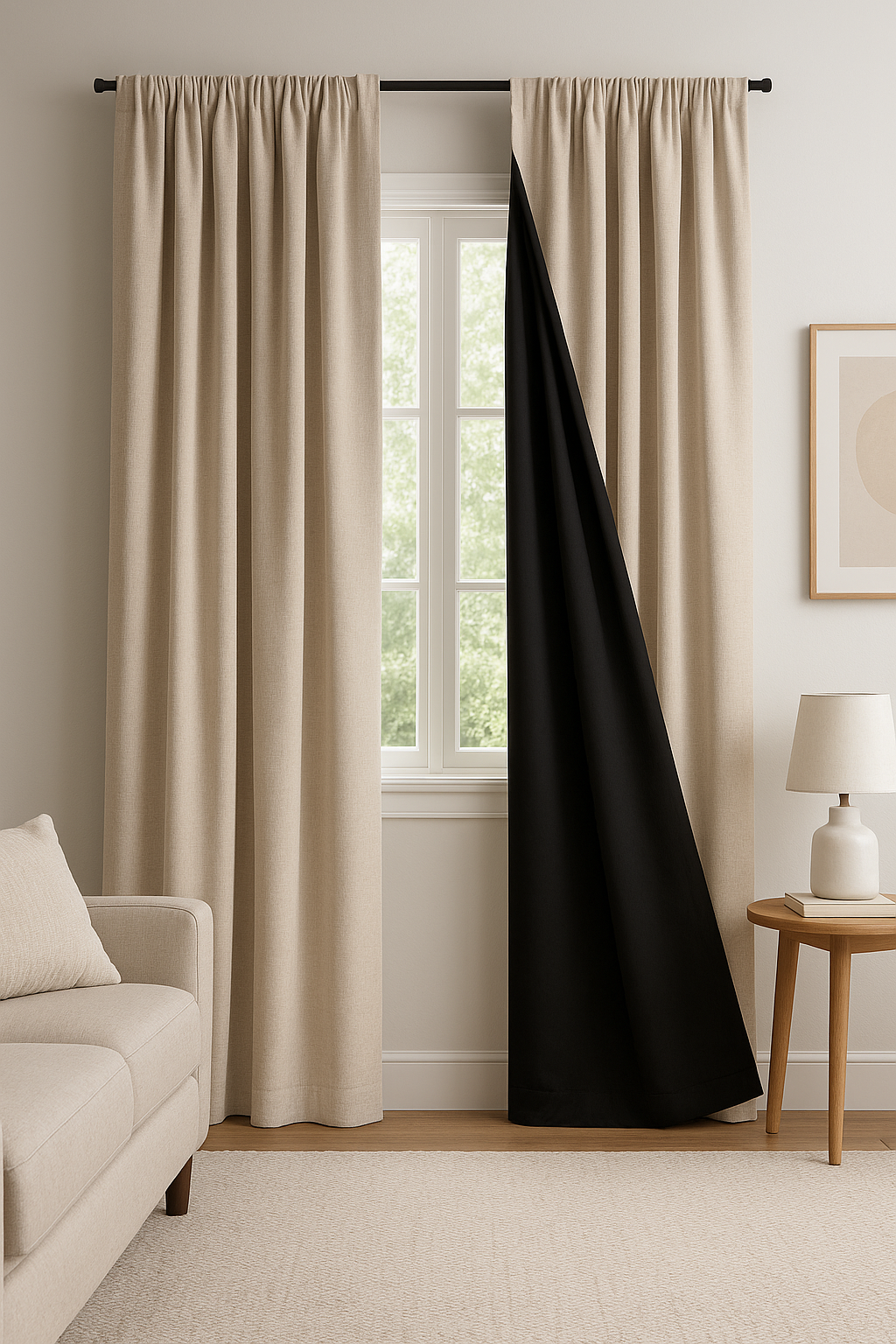
If your current curtains lack conviction against the morning light or prying eyes, there is no need to replace them outright. A simple blackout lining can dramatically boost their performance. This discreet, budget-friendly trick turns your sheers into true allies for restful sleep and thermal comfort. By layering fabrics and playing with textures, you create a bespoke atmosphere that feels more intimate and serene. Let us guide you through this straightforward technique that breathes new life into your windows.
💡 Did you know? Lining a curtain with blackout fabric can block up to 100% of light while improving the thermal and acoustic insulation of your interior. This simple technique transforms your ordinary curtains into true shields against external disturbances.
Why line your curtains with blackout fabric?
Lining curtains with blackout fabric represents a versatile solution to transform the atmosphere of your interiors. This furnishing technique brings many practical and aesthetic benefits, particularly appreciated in bedrooms and living spaces requiring more privacy. Discover our interior curtains to enhance your living space with elegance.
The benefits of blackout
A lined blackout curtain offers total blackout of external light, creating complete darkness ideal for promoting restorative sleep. This ability to block out daylight transforms your child's room or adult bedroom into a true sanctuary of rest. Blackout curtains also protect your furniture and textiles from sun rays that can cause premature fading.
The lining in blackout fabric allows you to effectively filter brightness while preserving your privacy from prying eyes. This protection against outside views is particularly appreciated for bay windows and large exposed openings.
Improved thermal insulation
Lined insulating curtains constitute an effective barrier against heat loss and drafts. This natural thermal insulation allows you to achieve substantial energy savings by limiting heat loss through glazing. In summer, the thermal lining protects from excessive heat and helps maintain a pleasant temperature in your rooms.
Thermal curtains with blackout lining create an insulating layer of air between the main fabric and the window, reinforcing the efficiency of the thermal insulation. This insulation solution proves particularly effective for great heights and bay windows exposed to climatic variations. Our blackout curtains will integrate easily into your interior decor.
Reduction of noise disturbances
The combination of a main curtain and a blackout lining offers excellent sound insulation properties. These acoustic curtains significantly reduce external noise disturbances, creating a more cosy and soothing atmosphere in your home.
The acoustic effect of lined insulating curtains is particularly appreciable for homes located near busy roads or in noisy urban environments. This natural sound insulation contributes to improving your daily quality of life.

Which fabric to use for lining a curtain?
Different types of blackout fabrics
The market offers a wide range of blackout fabrics suitable for lining curtains. 100% polyester fabrics dominate this category thanks to their effectiveness and ease of care. Polyester offers excellent resistance and retains its blackout properties even after many washes. This window curtain protects you from prying eyes.
Upholstery fabrics come in blackout versions for total blackout, or dim-out for partial reduction of brightness. Some models combine several functions: thermal and acoustic, offering a complete solution for modern homes.
💡 Expert advice: Prefer a weight of 250 to 300 g/m² for optimal blackout. Lighter fabrics are suitable for dim-out, while thick insulating fabrics guarantee complete blackout.
Criteria for choosing lining fabric
The choice of blackout fabric depends on several essential factors. The great width (140 cm to 280 cm) allows for making custom curtains without unsightly seams. Available colors range from classic white to darker shades like anthracite, light gray, beige, or taupe.
For delicate curtains and sheers, opt for a lining in neutral tones like ecru or ivory. Machine washable finishes facilitate the care of your drapes. Some fabrics offer two-tone faces to adapt to different decorative styles.
Where to buy quality blackout fabric
Quality blackout fabrics can be found in specialized upholstery textile stores, professional haberdasheries, and interior decoration boutiques. These shops generally offer personalized advice to choose the textile suited to your project.
Online platforms offer an extensive selection of upholstery fabrics with competitive prices. Don't hesitate to order samples to evaluate the quality of the weave, texture, and blackout properties before your final purchase.

How to line a curtain?
Required materials and tools
To successfully line your curtains, gather the following materials: sewing machine, sewing scissors, pins, tape measure, iron, matching thread, and your blackout fabric. Also plan for additional hooks or rings if necessary to support the added weight of the lining.
If you opt for eyelet curtains, check that your existing eyelets will support the additional thickness. For gathered heading tape or pole pocket systems, adjust the passage width according to the final thickness of the lined curtain.
Taking measurements correctly
Taking measurements is the crucial step for a professional result. Measure your main curtain hanging on its curtain rod to get the exact dimensions. For the height, start from the hanging point (top of the eyelet or heading tape) down to the desired length.
⚠️ Important: Plan for the lining to be 5 cm shorter than the main curtain to prevent it from showing. In width, leave 2 cm less on each side for an optimal aesthetic result.
Fabric preparation steps
Before cutting, wash and iron your blackout fabric to eliminate any risk of subsequent shrinkage. Mark the cutting lines respecting the grain of the weave. For fabrics with geometric or striped patterns, ensure the alignment of the designs.
Cut your lining adding a 2 cm seam allowance on the sides and bottom. This meticulous preparation guarantees professional and durable finishes for your lined curtains. If you want to know how to make a curtain with an old sheet, this article is for you!
Sewing techniques for lining
Two main methods are available to make a lined curtain: the removable method and the fixed method. Each technique has its advantages depending on your care and usage needs.
Removable lining method
This technique allows you to easily remove the lining for washing or seasonal change. Sew hook-and-loop strips (velcro) to the top of the main curtain and the thermal lining. This practical solution is perfect for light sheers that you want to temporarily transform into blackout curtains.
Alternatively, use rings with clips to attach the lining directly to the rod. This no-sew method adapts to all types of curtain rods and allows for quick adjustment.
Fixed lining method
For a durable and professional result, sew the lining directly onto the wrong side of the main curtain. Place the two fabrics right sides together and stitch the sides 2.5 cm from the edge. Turn the whole thing right side out and press the seams to obtain neat finishes.
This technique is particularly suitable for thick curtains in velvet, linen, or jacquard intended to remain in place long-term. Fixed lining offers a heavier and more warm drape to your drapes.

How can I hem a blackout curtain?
Different types of hems
The hem of a lined blackout curtain requires special attention due to the thickness of the textiles. A simple hem is suitable for sheers and light fabrics, while a double filled hem is necessary for thick curtains and blackout linings.
For a professional result, adapt the height of the hem to the weight of the fabric: 1 to 2 cm for sheers, 3 to 4 cm for medium fabrics, and 5 to 8 cm for curtains in velvet or other thick materials.
Making a simple hem
The simple hem is perfectly suitable for sheer curtains and light muslins. Mark the desired height by placing pins every 10 cm. Fold the fabric 2 cm to the wrong side and press the fold to set it.
Sew with a straight stitch 1.5 cm from the folded edge. This simple technique is suitable for beginners and guarantees neat finishes for your sheers and light curtains.
Invisible hem technique
The invisible hem, also called a slip stitch, offers particularly decorative and discreet finishes. This manual technique takes more time but guarantees a nearly invisible result on the right side of the curtain.
Fold your hem and secure it with a few pins. With thread matching the main fabric, make small alternating stitches between the lining and the main fabric, catching only a few fibers each time.
💡 Pro tip: For linen curtains or cotton, lightly dampen the hem before ironing to obtain a perfectly marked and durable fold.
Professional finishes
Professional finishes include adding weight to the hem to improve the drape of the curtain. This technique proves particularly useful for light fabric curtains or large curtains of great height.
For corners, make mitered corners to avoid unsightly bulk. This professional making technique guarantees impeccable finishes even on the most demanding custom curtains.

How to lengthen your curtains?
Assessing the feasibility of lengthening
Before undertaking the lengthening of your curtains, evaluate the available height in the existing hem. A hem of 8 to 10 cm generally offers enough fabric to gain a few centimeters. Also check the condition of the fabric in the area of the old fold which might show permanent ironing marks.
For ready-to-hang curtains or industrially made ones, lengthening is often limited by the height of the original hem. In this case, adding a strip of coordinating fabric constitutes a creative and decorative alternative.
Techniques for lengthening with blackout fabric
Using blackout fabric to lengthen your curtains has the advantage of simultaneously improving their insulating properties. Choose a color harmonious with your main curtain: anthracite gray for dark tones, ecru or ivory for light shades.
Sew a strip of blackout fabric of the desired width to the bottom of your existing curtain. This technique transforms a necessary lengthening into a functional improvement, adding thermal and blackout properties to your ordinary curtains.
Tips for an aesthetic result
To visually harmonize the lengthening, create an intentional two-tone effect by adding the same fabric strip to the top of the curtain. This decorative touch transforms a technical constraint into an original style element.
Trims or passementerie allow you to elegantly camouflage the junction between the old fabric and the addition. This decorative finish integrates perfectly into a classic style or contemporary one depending on your choice of trim.

Expert advice for a professional result
Mistakes to avoid when lining
The most common mistake is neglecting to pre-wash fabrics, causing deformations after the first care. Always test colorfastness and washing behavior on a sample before making.
Avoid stretching fabrics excessively during sewing, particularly with stretchy materials or jersey. This tension could create permanent folds or deformations after hanging.
⚠️ Attention: Never neglect adapting your hanging system to the additional weight of the lining. Under-dimensioned rods can sag or deform under the load.
Care for lined curtains
Caring for lined curtains requires some specific precautions. For machine washing, use a delicate cycle with a temperature suited to the most fragile fabric. Thermal curtains generally support washing at 30°C.
Air drying better preserves the technical properties of blackout linings. Avoid the tumble dryer which could alter the insulating treatments or create differential shrinkage between the two layers.
Alternatives to traditional lining
For tight budgets or temporary projects, consider blackout roller blinds or Japanese panels to install behind your existing curtains. This modular solution allows you to adapt blackout according to needs without modifying your current drapes.
Adhesive blackout films for glazing constitute a discreet alternative for small openings. This solution is particularly suitable for roof windows like Velux where installing curtains is complex.

Frequently Asked Questions about curtain lining
You now have all the keys to successfully line your curtains with blackout fabric. This furnishing technique will transform your interiors by bringing comfort, thermal insulation, and protection against noise disturbances. Don't hesitate to experiment with different colors and textures to create an ambiance personalized to reflect your style.
🎯 In summary: Lining blackout curtains combines aesthetics and functionality to transform your interior decoration. This accessible solution allows you to optimize the comfort of your living spaces while controlling your furnishing budget.
Share

