














Hide from balcony view: plant solutions and decorative screens
Your balcony, that precious extension of your interior, deserves careful thought if it is to become a true sanctuary. When privacy is lacking, it is time to reimagine the space without closing yourself in. From lush greenery to decorative screens, the options are as varied as they are elegant. The challenge is considerable: to create a serene atmosphere where you can unwind in complete tranquillity. Let yourself be guided by solutions that blend nature and design, turning your outdoor area into a discreet haven of peace.
Your balcony is a precious space, an extension of your interior to the outdoors. However, this corner of tranquility can quickly lose its charm if the lack of privacy becomes a constant concern. Whether it's to shield yourself from the prying eyes of neighbors, a building opposite, or simply to create a more personal cocoon, knowing how to block a balcony's sightline is a central question in outdoor decor. It's not about enclosing yourself, but rather, about unlocking the full potential of your space by establishing a serene and confidential atmosphere. The solutions are numerous, ranging from classic to the most innovative, and can even become true aesthetic assets. This article guides you through all the options, from climbing plants to design lattice screens, through modern reed screens and smart decoration tricks, to transform your balcony into a true haven of peace sheltered from view.
Why Blocking Sightlines on Your Balcony is Essential
Before diving into technical solutions, it's important to understand the multiple benefits that creating a privacy screen provides. It's not a simple act of concealment, but a holistic approach to improving your quality of life.
Firstly, regained privacy allows you to fully enjoy your outdoor space. Having breakfast, reading a book, or simply relaxing becomes a pleasant and carefree experience. Psychologically, feeling watched generates subtle but very real stress; an effective screen eliminates it.
Secondly, a well-chosen device often offers additional protection against the elements. It can reduce wind, filter harsh sunlight, and even lessen noise pollution by breaking sound waves. Finally, from an aesthetic point of view, a successful screen becomes the focal point of your decoration. It structures the space, defines zones, and brings texture, color, and movement, thus contributing to creating a unique and personalized ambiance.
Plant Solutions: A Natural and Living Partition
Nature is your best ally for blocking a balcony sightline in an ecological and evolving way. Plants offer a moving, colorful, and soothing solution that integrates perfectly into an urban environment.
Climbing Plants on a Support
This technique involves installing a support (trellis, grid, tensioned cables) on which you will run twining or climbing plants. It's ideal for balconies with a railing or a small wall.
- Fast-growing annual plants: Sweet peas, climbing nasturtiums, or cup-and-saucer vines offer ultra-fast growth and generous flowering in one season.
- Evergreen perennial plants: For a permanent screen, opt for ivy (Hedera helix, many varieties), fragrant honeysuckle (Lonicera), or Virginia creeper (Parthenocissus) which offers flamboyant foliage in autumn.
- Installation tip: Securely fix a wooden or metal trellis (like a diamond-pattern trellis) to your guardrail or wall. Provide sufficiently deep planters and water regularly.
Shrubs and Grasses in Containers
To create a more immediate and structuring screen, potted shrubs are perfect. Choose varieties suited to container cultivation and your balcony's sun exposure.
- For shade/partial shade: Non-running bamboos (Fargesia) form a dense, evergreen screen. Double-check the label says "non-running". Japanese spindles (Euonymus japonicus) or certain hollies (Ilex) are also good candidates.
- For sun: Laurustinus (Viburnum tinus), oleasters, or olive trees trimmed into a hedge offer evergreen and resistant foliage. Grasses like miscanthus or stipa, with their graceful movement, bring lightness and modernity.
Decorative Screens and Partitions: Structure and Style
When looking for how to block a balcony sightline with a more architectural and immediate solution, fixed or mobile screens are the answer. They define the space with strength and bring a marked stylistic identity.
Reed Screens, Heather Panels, and Panels in Natural Materials
Traditional but timeless, these screens made of woven reed, bamboo, or hazel bring a touch of cabin spirit and organic design. Current trends see the emergence of more refined finishes (flat bamboo, dyed colors) and modular formats.
- Advantages: Affordable price, easy installation (fixation with ties or in a frame), immediate and natural privacy effect.
- Disadvantages: Limited durability (to be renewed every 2 to 5 years depending on exposure), sensitivity to persistent moisture.
- Decor tip: To modernize a classic reed screen, paint its frame in a bold color (matte black, dark blue) or hang small succulent pots on it.
Lattice Screens and Screens in Wood or Composite
Lattice screens (pierced panels) are an aesthetic and durable solution. They filter views while letting air and light pass through, avoiding a "closed box" effect.
- Wood: Cedar and pressure-treated pine are weather-resistant. The patterns are infinite: geometric motifs, vertical or horizontal lines, laser-cut designs.
- Composite: Made from wood fibers and recycled plastic, it is rot-proof, requires no maintenance (no painting, no staining), and comes in contemporary colors (anthracite gray, terracotta).
- Installation: They can be fixed directly onto the railing, integrated into a load-bearing structure, or even used in a heavy "screen" version for more flexibility.
Laser-Cut Metal Panels
For an industrial, contemporary, or boho-chic ambiance, laser-cut metal screens (Corten steel, galvanized steel) make a statement. The patterns (arabesques, organic shapes, geometric motifs) create beautiful plays of shadow and light during the day.
Textiles and Curtains: Lightness and Movement
For those looking for a soft, economical, and easy-to-implement solution, textiles are an option not to be overlooked. They bring color, movement, and a cozy atmosphere.
Shade Sails and Outdoor Blinds
Beyond their primary function of sun protection, triangular or rectangular shade sails, stretched on stainless steel cables, create a visual ceiling that masks sightlines from opposite and above. Canadian blinds (vertical fabrics guided by a wire) or boat blinds (roll-up) are also very effective for blocking a specific side view.
Current trends favor high-performance technical fabrics (UV resistance, waterproofing) in sober colors (taupe, gray, ecru) or discreet graphic prints.
Outdoor Curtains
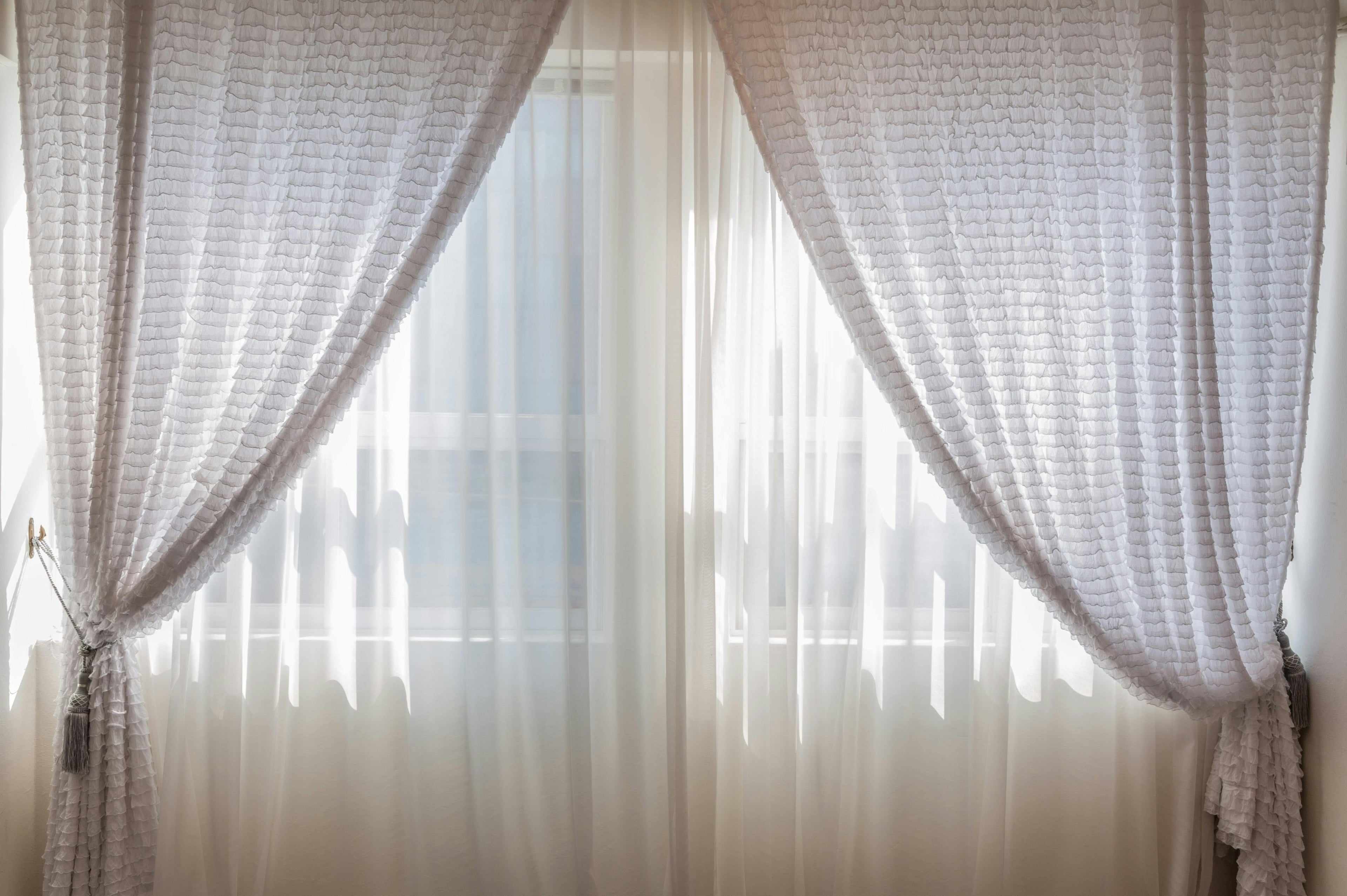
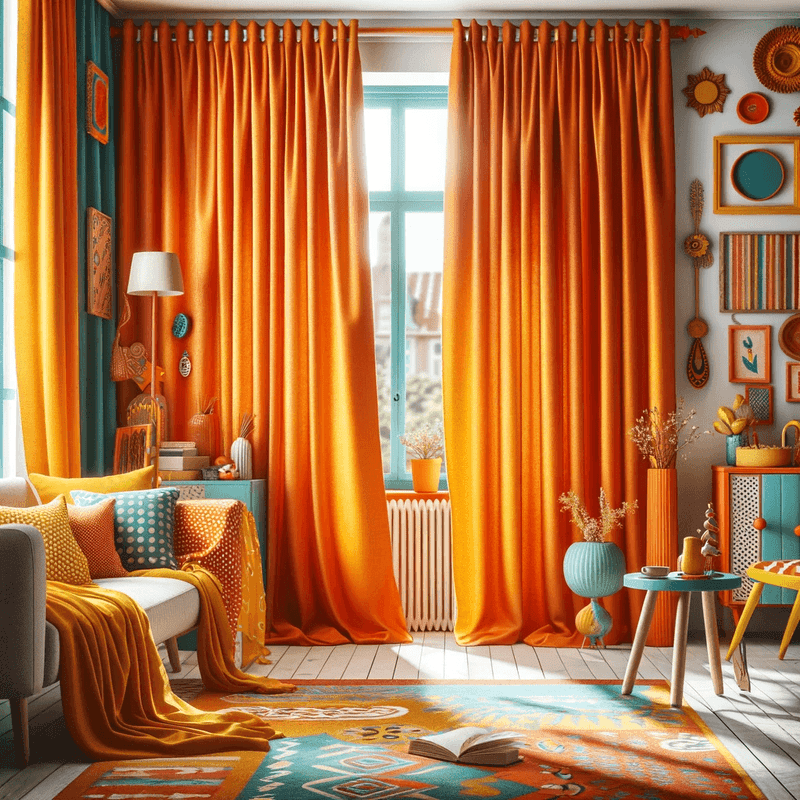
Simply slid onto a rod or a tensioned cable, curtains made of outdoor fabric (acrylic, solution-dyed polyester resistant to UV) instantly transform the ambiance. You can open or close them at will.
- Fabric choice: For a privacy effect, favor opaque or very dense fabrics. For a filtering and romantic effect, light sheers will do.
- Fixation: Ensure the fixation system (weighted support feet or wall brackets) is suitable for the fabric's weight and wind-resistant.
Modular and Mobile Solutions: Maximum Flexibility
On a small balcony or to adapt to different times of the day, mobile solutions offer incomparable flexibility. They allow you to reconfigure the space in an instant.
Outdoor Screens
They are no longer reserved for interiors! There are now screens designed for outdoors, made of resistant materials (treated wood, composite, metal). In three or four leaves, they unfold to create a temporary screen in front of your reading chair or dining table.
Personalize them by painting the panels, attaching planters to them, or stretching resistant fabric over a store-bought frame.
Raised Planters and Low Walls
A wooden or fiber-reinforced concrete planter, at least 80 cm to 1 m high, placed strategically along the railing, serves both as a support for lush vegetation and a low visual barrier. You can even create a small wall of stacked pots or planting modules (like modular green walls).
Integrating Lighting to Enhance Your Privacy Screen
Once your solution for blocking the balcony's sightline is in place, think about lighting. Well-planned lighting extends the use of your balcony into the evening and enhances your installation.
- Behind a lattice screen: Directional LED spotlights or a string of lights placed behind the panel will create a dramatic silhouette and backlight effect.
- In the vegetation: Solar-powered stakes at the foot of shrubs or spike spotlights will highlight the foliage. "Fairy light" LED strings wrapped in a climbing plant bring a magical ambiance.
- On the ground: LED strips integrated into a step or the base of a screen gently illuminate the space without glare.
Mistakes to Avoid for Effectively Blocking Your Sightline
In your enthusiasm, some mistakes can compromise the result or cause problems. Here they are to avoid them.
- Neglecting the co-ownership regulations: This is the first step! Check if modifications to the building's exterior appearance are allowed, especially for permanent fixations.
- Forgetting the wind: On an exposed balcony, a too-solid screen (like a solid PVC panel) can act as a sail and be torn off. Favor pierced materials (lattice screens, reed screens) that let air pass through.
- Choosing unsuitable plants: A running bamboo in a small container will become a nightmare. An oleander needs full sun. Research the needs of each plant.
- Sacrificing all the light: The goal is to hide from view, not to live in the dark. Filtering solutions (trellises, lattice screens, curtains) preserve natural brightness.
- Neglecting maintenance: An untreated wooden screen will gray and degrade. Unwatered plants will wither. Choose a solution in line with the time you wish to dedicate to it.
FAQ: Your Questions on How to Block a Balcony Sightline
What is the quickest solution to implement?
Textile solutions (curtains on a tensioned cable) and outdoor screens are the fastest. Rolled reed screens, fixed with zip ties, also offer an immediate result in one afternoon. For a quick "green" effect, annual climbers like nasturtiums on a pre-installed trellis grow very fast.
How to block a sightline without losing light?
Favor pierced or filtering solutions: wooden or metal lattice screens, trellises with light plants (clematis, climbing roses), white shade sails that diffuse light, or Canadian blinds that you only lower partially. These options create a view filter while generously letting daylight through.
Can you block a sightline on a very small balcony?
Absolutely. In a small space, the trick is to favor verticality and lightness. A trellis fixed to the wall or railing with a climbing plant (ivy, dwarf honeysuckle) takes up little floor space. A narrow screen or a tall, narrow planter planted with grasses or dwarf bamboos (Fargesia) are also perfect. Avoid screens that are too massive, which would overwhelm the space.
Which solution requires the least maintenance?
Composite or aluminum panels, as well as Corten metal screens (which develop a stable patina), are the champions of "no maintenance". They require neither painting nor staining, an occasional rinse with water is enough. On the plant side, ivy is very robust and requires little care once well established.
How to securely fix a screen on a balcony without drilling?
Several options exist for renters or those who don't want to drill. Use railing clamping systems (to fix trellises or planter supports). Opt for freestanding screens or screens, simply weighted at the base with decorative sandbags or stones. Very heavy concrete planters or resin containers filled with soil also provide a stable base for tall vegetation.
2026 Trends: The Art of Concealing with Style
Balcony decor is evolving and privacy solutions are becoming more and more design-oriented. There is a strong return of natural materials in refined forms: wooden lattice screens with very graphic geometric patterns, synthetic rattan panels that are ultra-resistant and mimic real rattan. Color is making its entrance: reed screens dyed deep blue or sage green, metal screens painted in terracotta color or olive green.
Mixing materials is also very trendy: combining a base in gray composite wood with an upper part in heather, or mixing a black metal trellis with Virginia creeper plantings. The idea is to create a separation that is a decorative work of art in its own right, both day and night thanks to subtle integrated lighting.
Transforming your balcony into a haven of privacy is within everyone's reach. Whether you opt for the gentle invasion of a wisteria, the graphic structure of a metal lattice screen, or the flexibility of a curtain floating in the wind, each solution meets a specific need and an aesthetic sensibility. The important thing is to choose an option that reflects you, that matches your lifestyle and your balcony's exposure. Don't forget to check your co-ownership regulations, then let your creativity flow. By protecting your space from view, you are not enclosing yourself; on the contrary, you are opening the door to invaluable moments of relaxation, conviviality, and well-being. Your personal haven of peace awaits. To discover more inspiration and practical guides for arranging every corner of your home and outdoors, explore the other articles on the ombreinterieur.fr blog without delay. For a harmonious result, also browse Mosquito Net. Discover the product Balcony Curtain to finalize your decor. For more tips, discover how to use the beige string lights on a balcony on the blog. Browse our online store to see all our collections.
