















How to Protect Plants from the Sun: Complete Guide
Sunlight is essential for the life of our indoor plants and gardens, but as with any good thing, excess can be harmful. Too direct and prolonged exposure can burn leaves, dry out the substrate at an alarming rate, and jeopardize the health, even the survival, of our green charges. Protecting plants from the sun is therefore not a luxury, but a necessity for any gardener or plant decoration enthusiast concerned with the well-being of their foliage. This issue is all the more crucial given the current popularity of indoor plants and the evolution of summers, which can sometimes be scorching. In this article, we will explore in detail strategies for creating a haven of soft, filtered light, from choosing suitable species to the most ingenious decorative solutions for filtering rays, including specific care to provide during periods of intense heat. You will discover how to turn a constraint into an opportunity to beautify your interior or balcony while preserving the vibrancy of your personal jungle.
Understanding the Impact of Sun on Your Plants: Burns, Dehydration, and Stress
Before seeking to protect, you must understand what you are up against. The sun emits a broad light spectrum, but it is mainly infrared rays (heat) and ultraviolet (UV) rays that cause problems in excess. A plant exposed to overly intense sunlight undergoes multiple stress factors.
The most visible symptom is leaf burn. The leaves then show brownish or yellowish, dry, and cracked spots, often on the edges or center of the most exposed leaves. These burns are irreversible and weaken the plant by reducing its surface area capable of photosynthesis.
At the same time, intense heat significantly accelerates the transpiration process. The plant loses water through its leaves faster than its roots can absorb it. This leads to wilting, even if the soil is moist, and to deep dehydration. The substrate, meanwhile, dries out on the surface within hours, creating a hostile root environment.
Finally, prolonged heat stress can halt growth, prevent flowering, or cause it to abort prematurely. The plant then enters survival mode, depleting its reserves.
Identifying the Specific Needs of Each Plant: From Full Shade to Full Sun
The notion of "too much sun" is highly relative. A succulent like Echeveria will crave it, while a Nephrolepis fern will lose its fronds within hours. The first step for effective protection is therefore to know the light requirements of each species well.
Plants are generally classified into three main categories. Full sun plants (most cacti, succulents, citrus, lavender) tolerate and require at least 6 to 8 hours of direct light per day. They only need protection during extreme heatwaves.
Partial shade or bright indirect light plants constitute the largest group for indoors. This includes Monstera, Ficus Lyrata, Pothos, or Calathea. They appreciate abundant but filtered light, without harsh direct rays, especially during the hottest hours (11 am - 4 pm).
Finally, shade or low-light plants (Aspidistra, Sansevieria 'Moonshine', certain Pothos varieties) are content with very soft, filtered light. For them, even brief direct sun is often fatal. Placing each plant according to its needs is the most fundamental protection.
Observing Your Plant's Warning Signals
Your plant speaks to you. Foliage that pales and becomes leggy indicates a lack of light. Conversely, leaves that curl up, brown at the tips, or show dry brown spots in the center are classic signs of too much sun. Sudden and widespread yellowing can also be a symptom of heat and light stress. Learning to decipher these signs allows you to act before the damage becomes too severe.
Natural and Decorative Solutions for Filtering Light Indoors
Protecting your plants from the sun indoors is a golden opportunity to enhance your decor. It's not about placing everything in a dark corner, but about creating aesthetic light filters.
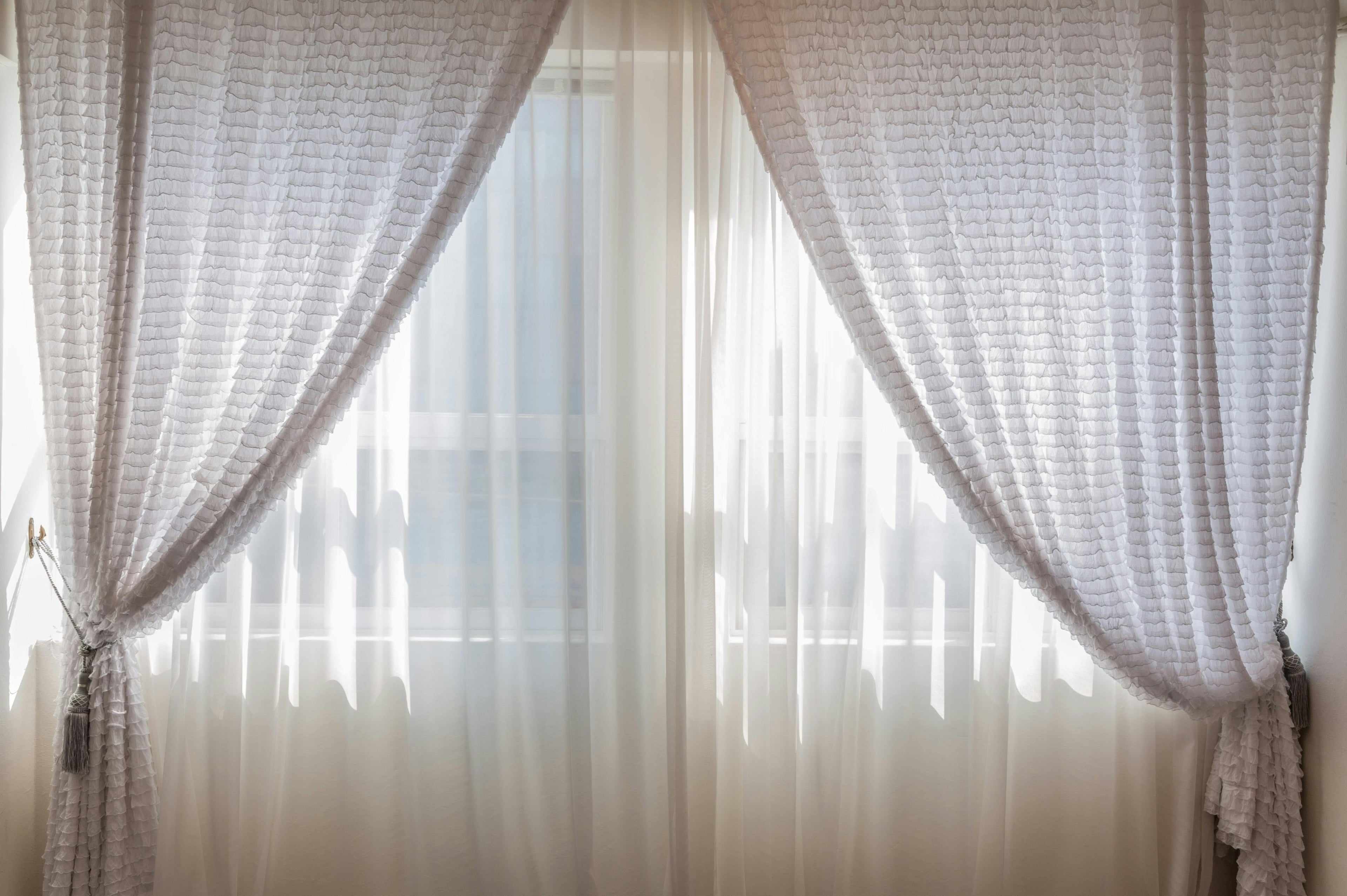
Sheer curtains and lightweight drapes are perfect allies. A white sheer curtain or ecru one beautifully diffuses light, creating a soft, uniform brightness ideal for the majority of tropical plants. Fabrics like linen or lightweight cotton add a touch of natural elegance.
Blinds, especially wooden or faux-wood Venetian blinds, offer precise control. By tilting their slats, you can direct the light, letting in the gentle morning light while blocking the harsh afternoon rays. This is both a functional and graphic solution.
Finally, don't forget the power of window films. A south or west-facing window can be fitted with an adhesive solar film. These films, nearly invisible, reject a significant portion of infrared (heat) and UV rays while letting visible light pass through. This is a permanent and discreet protection.
Arranging Your Balcony, Terrace, or Garden: Privacy Screens, Reed Screens, and Companion Plants
Outdoors, protection needs to be more robust but can just as easily be integrated into a decorative approach. The goal is to create pleasant, shifting areas of shade.
Bamboo canes or reed privacy screens are timeless classics. Attached to a balcony railing or a frame, they effectively filter the sun while ensuring good ventilation. They create a secret garden ambiance, conducive to relaxation.
Pergolas or screens dressed with climbing plants offer a living and spectacular solution. Grow a star jasmine (Trachelospermum jasminoides), a clematis, or even a golden hop on a structure. In addition to shade, you'll benefit from an enchanting fragrance and a true insulating green wall.
Also consider the strategy of companion plants or tiered planting. Place your most sensitive plants (ferns, begonias) in the shade cast by larger, more resilient plants (an oleander, a small potted citrus). This recreates the natural stratification of an understory.
Practical Accessories: Shade Sails, Shade Netting, and Dedicated Parasols
For more adjustable and technical protection, turn to accessories designed for this purpose. Their effectiveness is formidable, especially for precious collections or vegetable gardens.
Shade netting is a must-have. Available in different shading percentages (from 30% to 90%), it easily attaches to poles or an existing structure. A 50-60% rate is often ideal for ornamental plants, allowing enough light through while cutting intensity. Its mesh-like appearance diffuses light without creating opaque shade.
Shade sails mounted on poles are perfect for terraces. They offer a well-defined shaded area under which you can gather your fragile plants. Models with removable fabric allow you to adapt to the weather.
Finally, don't overlook the simple large garden parasol. Move it throughout the day to follow the shade and protect your most exposed flowerbeds or pots. Preferably choose a light-colored fabric that reflects heat better.
Adjusting Watering and Ambient Humidity During Heatwaves
Protecting from the sun also means adapting your watering schedule. A plant in filtered shade will have different needs than the same plant in full blazing sun. The classic mistake is to drown the plant for fear of it drying out.
The golden rule remains to feel the soil. Insert a finger 2-3 cm deep. If it's dry, water abundantly until water flows from the drainage holes. Avoid light, frequent watering which encourages roots to stay near the surface, making them more vulnerable to drought.
Prefer watering early in the morning or late in the evening. This allows the water to penetrate deeply before evaporation due to heat takes over. Watering in full sun can also create a magnifying glass effect on the droplets and burn the leaves.
For plants that crave atmospheric humidity (like Calatheas or Ferns), increase the ambient humidity. Group them together, place the pots on a tray filled with clay pebbles and water (the pot should not sit in the water), or use a humidifier. This reduces their water stress.
Choosing Pots and Substrate: Materials That Insulate and Breathe
The container and the soil play a key role in the thermal and water regulation of the roots, the first line of defense against heat.
Prefer unglazed terracotta pots for the majority of plants outdoors or on a very sunny balcony. This porous material allows air and water exchange through the walls, which naturally cools the root ball. Be aware, they also dry out faster, requiring more frequent monitoring.
Light-colored plastic pots (white, beige) are interesting because they reflect light and heat up less than black or dark pots which absorb heat. For large pots, the thickness of the material is also an insulating advantage.
Regarding the substrate, never use pure garden soil in a pot. Opt for a well-draining and aerated mix. For most plants, a mix of universal potting soil, compost, and perlite or pozzolana (30%) is ideal. These inert materials lighten the substrate, retain some moisture without suffocating the roots, and improve drainage.
Emergency Care for a Plant Already Burned by the Sun
Despite all precautions, sunburn can happen. Don't panic; the plant can often recover if you act quickly.
Start by immediately moving the plant to a much shadier spot, even full shade for a few days. Do not abruptly return it to its original location.
Assess the damage. Dried, entirely brown or crispy leaves will not recover. You can cut them cleanly with disinfected pruning shears, being careful not to damage healthy tissue. If only part of the leaf is affected, simply cut off the burned part following the leaf's natural shape.
Hydrate the plant without overdoing it. Give it a good watering with room-temperature water and lightly mist the foliage (except for plants with fuzzy leaves like Saintpaulias). Avoid any fertilizer for at least a month to allow it to recover.
With attentive care, the plant will produce new healthy leaves. Be patient.
Decor Trends: Integrating Sun Protection into Your Interior Style
Sun protection has become a full-fledged element of decoration. Current trends favor natural, textile, and artisanal solutions.
Woven jute or raffia panels are making a strong comeback. Hung in front of a window, they create soft, filtered light and a warm texture, perfect for bohemian or Scandinavian atmospheres. They pair wonderfully with terracotta pots and raw materials.
Macrame is also prominent. Complex knot plant hangers allow you to suspend plants at a certain distance from the window, placing them in the light without being stuck against the hot glass. It is both protective and highly graphic.
Outdoors, the trend is towards technical fabric exterior blinds in natural colors (taupe, stone grey, moss green) and structures in Corten steel or raw wood. The idea is to create an extension of the house that is a true protected green haven, a garden lounge where plants and humans coexist peacefully, sheltered from the sun's intensity.
FAQ: Your Questions About Protecting Plants from the Sun
Can a window burn my plants even indoors?
Absolutely. In fact, it's a very common cause of burns. A south or west-facing window acts like a magnifying glass, concentrating the sun's rays. The temperature behind the glass can become extremely high, creating an oven effect. This is why it's crucial to filter this light with a sheer curtain, blind, or move the plant at least 50 cm to 1 meter away from the window during the hottest hours.
Should I bring my outdoor plants inside during a heatwave?
It depends on the plants and the possibility of shading them in place. For the most fragile potted plants (certain bonsai, garden orchids), bringing them into a bright but not overheated room (like a garage with a window) can be a wise precaution during a multi-day heat spike. For heavy plants or those in the ground, focus on enhanced shading (double shade cloth) and a thick layer of mulch on the soil to keep it cool.
Are yellow leaves always a sign of too much sun?
Not necessarily. Yellowing can have multiple causes: overwatering, nutrient deficiency, shock, or lack of light. The key is contextual observation. Yellowing that appears quickly in summer on the most exposed leaves, often accompanied by drying, points to the sun. Gradual, widespread yellowing, possibly with softening, indicates a watering issue. Always analyze the overall growing conditions.
Can I use mineral mulch to protect potted plants from the sun?
Yes, and it's an excellent idea, both aesthetic and functional. A 2-3 cm layer of white gravel, crushed slate, pebbles, or pozzolana on the pot's surface acts as mineral mulch. It limits water evaporation from the substrate, maintains some coolness at the roots, and reflects part of the light and heat towards the foliage, which can be beneficial. Just ensure the mulch does not block the drainage holes.
How do I protect a vegetable garden from scorching sun?
In the vegetable garden, the priority is to protect fruiting vegetables (tomatoes, eggplants, peppers) and salads that bolt quickly in the heat. Use 30-40% shade netting stretched over the rows. Plant taller, more resilient "companions" that shade the smaller ones, like sunflowers or corn. And most importantly, generously mulch the soil with straw, wood chips, or dried grass clippings to retain moisture and protect soil life.
Protecting your plants from the sun is much more than a simple technical measure; it is an act of care that prolongs their beauty and vitality. By mastering the needs of each species, using light filters that are both effective and decorative, and adapting your maintenance practices, you transform the solar constraint into an opportunity to create unique atmospheres, preserved urban jungles, and green corners where it's pleasant to live, summer and winter. This attentive approach reflects a conscious interior decoration that respects living things. To discover more inspiration on the harmonious integration of plants into your living space and detailed advice on caring for each species, feel free to explore the other comprehensive guides available on ombreinterieur.fr. Your plant wellness oasis awaits you. Our guide what to do with indoor plants in the living room helps you make the right choice. Find our entire decor universe at Ombre Interieur.
```