















How to divide a large room without walls
In a large, open-plan space, the temptation to partition often clashes with a desire for light and flow. How, then, can you organise your room without breaking it up? The secret lies in the subtle art of visual suggestion: a play of furniture, textures and lighting that delineates zones without ever enclosing them. You will learn to transform your vast floor plan into a rhythmically composed interior, where every corner finds its purpose and its soul, achieving a harmony that is both generous and intimate.
In contemporary architecture, open-plan spaces and large living areas have become the norm, favoring light, fluidity, and a sense of volume. However, this generous space poses a major decorative challenge: how to create functional and intimate zones without sacrificing that precious feeling of openness? Defining a large room is not about building walls, but about visual and spatial ingenuity. It's about guiding the eye, defining distinct atmospheres, and organizing the flow of movement to transform a vast open area into an interior that is both coherent and rhythmic. This art of separation without partitioning is the key to fully and comfortably inhabiting these generous spaces.
Whether you want to isolate a home office area from the living room, distinguish the dining area from the relaxation space, or simply give a unique identity to a reading nook, the solutions are multiple and creative. From architect-designed furniture to texture play, through scenographic lighting and floor coverings, every decorative element becomes a tool for structuring the space. We will explore in detail all the methods, from the most classic to the most innovative, to effectively define a large room, respecting the balance between openness and intimacy, between unity and diversity.
The Fundamental Principles of Space Definition
Before diving into concrete techniques, it is crucial to understand the philosophy behind arranging a large volume. The goal is not to fragment, but to punctuate. We work with visual suggestions rather than absolute physical barriers. The first instinct is to analyze the space: where does the light come from? What are the natural circulation paths? Where are the electrical outlets and fixed water points? This analysis helps define zones based on their use and energy.
A relaxation zone, for example, will benefit from being positioned in a more subdued corner, while a dining area or home office will fully enjoy natural light. Thinking in terms of "zones" rather than "rooms" frees creativity. Then, it's about establishing overall coherence. A common thread – a dominant color, a recurring material, a furniture style – must connect the different zones to avoid a cluttered effect. Successful definition creates harmony in diversity.
Furniture as a Structuring and Separating Element
Furniture is the most obvious and flexible tool for defining spaces in a large room. It's not just about placing a sofa facing the television, but about using each piece of furniture with spatial intent.
Bookshelves and Open Shelving
Bookshelves, especially open or mid-height models, are exceptional separators. They create a visual boundary without obstructing light. A large bookshelf placed perpendicular to a wall effectively separates a living room from a dining room or home office. Opt for models with a thin or open back to allow light to pass through. Filled with books, decorative objects, and plants, it becomes a decorative element on both sides. Aligned suspended shelves can also trace a subtle demarcation line above a worktop or a sofa.
Sofas and Architect-Designed Furniture
A sofa placed back-to-back with another sofa or a long bench, or simply a sofa whose back faces another zone, immediately defines two territories. Island sofas, accessible from all four sides, are perfect for centering a conversation area. Low furniture like long consoles or two-sided sideboards serve as demarcation while offering a useful surface. The current trend values sculptural and multifunctional pieces: a tall storage unit can integrate a desk side, a bookshelf side, and a bar side, acting as a true backbone for the space.
Screens and Mobile Partitions
Reinvented by contemporary design, the screen is experiencing a spectacular resurgence. Far from lacquered wood models, we now find screens made of laser-cut metal, rattan, textured fabric, or even acoustic felt. Their advantage is absolute: mobility. You can modify the layout in an instant, create privacy for an evening, or conversely, open up the space during the day. They are ideal for hiding a dressing area, defining an entryway, or creating a temporary home office. It is the most dynamic and adaptable solution.
The Magic of Floor and Ceiling Coverings
Changing the floor material is one of the oldest and most effective techniques for signaling a change in function. This architectural method instinctively guides the user.
Material and Level Play
Combining solid parquet in the living room with tile or polished concrete in the kitchen-dining area is classic but foolproof. Today, we dare more marked contrasts: thick, cozy carpeting in the relaxation area against graphic vinyl in the play zone, or warm wood-look laminate against geometric patterned cement tiles. Herringbone or chevron patterns can also direct the gaze and define a zone. For the more daring, a slight level difference (a sunken step) or the use of raised platform-type slabs defines a zone without any furniture.
The Impact of Defining Rugs
The rug is the open-plan space's best friend. A large rug under the sofa and coffee table immediately anchors the living area. Another rug, of a different shape or texture, under the dining table defines the eating area. The golden rule: the feet of the main furniture in a zone should rest on the rug. For a modern effect, you can layer rugs or use rugs of original shapes (oval, hide, tribal patterns) to attract the eye and structure the space. Vinyl rugs or those woven from natural fibers like jute or sisal add an extra textural dimension.
The Ceiling, an Unexpected Ally
Don't neglect the fifth wall! A change of color on the ceiling, an exposed beam, a coffered ceiling, or even a play of pendant lights at different heights can create a very strong vertical definition. A false ceiling with integrated spotlights above the kitchen, contrasting with a high, raw ceiling above the living room, is a radical architectural solution. Ceiling roses or grouped pendants also mark the center of a functional zone.
The Power of Light to Sculpt Space
Lighting is an incomparable staging tool. A large room defined by light gains in ambiance and functionality. We must abandon the single central ceiling light in favor of a multi-layered, zonal lighting scheme.
Each zone should have its own lighting circuit, ideally controllable by separate switches or dimmers. Ambient lighting (fairy lights, LED skirting lights, diffuse wall sconces) envelops the space. Task lighting (desk lamp, low pendant over the table, directional spotlight on a painting) defines and illuminates a specific activity. Accent lighting (highlighting a bookshelf, a plant, or an object) creates focal points and rhythms the space. A spectacular pendant light over the dining table immediately attracts the eye and anchors the zone, while floor lamps behind the sofa create a luminous cocoon for the living room.
Colors, Materials, and Textures: Sensory Definition
The color palette and choice of materials are subtle but extremely powerful levers for creating distinct atmospheres within the same room.
Color and Accent Play
Painting a wall a strong color or wallpapering it with a pattern in a specific zone (behind the sofa or in the dining area) creates a giant "headboard" effect that immediately defines the space. The current trend is towards deep colors and earthy tones (terracotta, sage green, sand blue) to create cozy zones. You can also play with shades: the same color declined in several intensities on the walls of adjacent zones creates unity with a perceptible variation. Large-format patterned wallpapers or colored acoustic panels are also excellent tools for this approach.
The Dialogue of Materials
Combining contrasting materials reinforces the identity of each zone. The association of velvet and linen, raw metal and warm wood, glass and rattan, stimulates the senses and guides perception. A wall of exposed stone or brick behind the dining table brings a rustic, grounded character, while smooth, painted walls in the living area seem lighter and more contemporary. This textural layering is what gives richness and depth to a large volume.
Visual and Plant Partitions
For those who want a more marked separation without the opacity of a wall, "transparent" or living solutions are ideal.
Glass, Metal, and Transparent Material Partitions
A partition or interior door made of glass (frosted, screen-printed, or with patterns) lets light through while creating a clear physical separation. It's perfect for acoustically isolating a home office or bedroom without darkening the space. Metal structures like "black steel" with glass or polycarbonate panels add an industrial and graphic touch. Claustras, these pierced partitions in wood or plaster, play with shadows and light and are a decorative element in their own right.
Indoor Gardens and Plant Partitions
Biophilia, this trend of integrating nature into our interiors, offers beautiful solutions. A series of large green plants (Fiddle Leaf Fig, Yucca, Monstera) aligned creates a living, airy border. A support structure for climbing plants (like a trellis) can become a plant partition in a few months. For an immediate effect, a stabilized living wall or a simple shelf filled with pots of different sizes and heights also works. Vegetation brings freshness, improves air quality, and softens the corners of a room.
Arranging Specific Zones in a Single Volume
Concretely, how do we apply these principles to the most common zones? Let's take the example of a loft or a large living room that must accommodate a living room, dining room, home office, and possibly a kitchen area.
For the home office area, the ideal is to position it near a source of natural light. A two-sided bookshelf or an acoustic screen can isolate it visually and phonically. A rug defines its perimeter on the floor, and powerful task lighting (architect's lamp) signals its use. For the dining room, a grouped pendant or a linear chandelier anchors the space. A change in floor covering (for example, a round rug under a round table) and a color on the back wall distinguish it from the living room. The living room itself is defined by the largest rug, the arrangement of seats facing each other or in an L-shape, and softer, more diffuse lighting. Circulation between these zones must remain fluid, without obstacles.
Avoiding Common Pitfalls and Frequent Mistakes
Defining a space requires balance. Here are the mistakes to avoid so as not to fall into the traps that stifle or disorganize the space.
- Overloading the space with too many separating pieces of furniture: One strong element (a bookshelf, a corner sofa) is often enough. Multiplying screens creates a labyrinth.
- Neglecting circulation: Leave passages of at least 80 cm to 1 meter between zones. One should be able to move without weaving.
- Forgetting overall coherence: Styles that are too disparate or colors that don't dialogue between zones create visual chaos. Find a common thread (material, color, shape).
- Blocking natural light: Place the tallest separators (bookshelves, partitions) perpendicular to windows rather than parallel, to let light travel across the room.
- Neglecting acoustics: In a large volume, sound resonates. Rugs, curtains, full bookshelves, and acoustic panels (cork, felt) help absorb noise and make each zone more intimate.
FAQ: Your Questions on Defining a Large Room
How to define a space without making it feel smaller?
Prefer light, low visual separators that maintain an open view: low sofas, benches, consoles, rugs, medium-sized plants. Use transparent (glass, acrylic) or pierced (claustras, open shelving) materials. Light is crucial: well-thought-out zonal lighting enlarges the perceived space.
What is the most economical solution for separating a room?
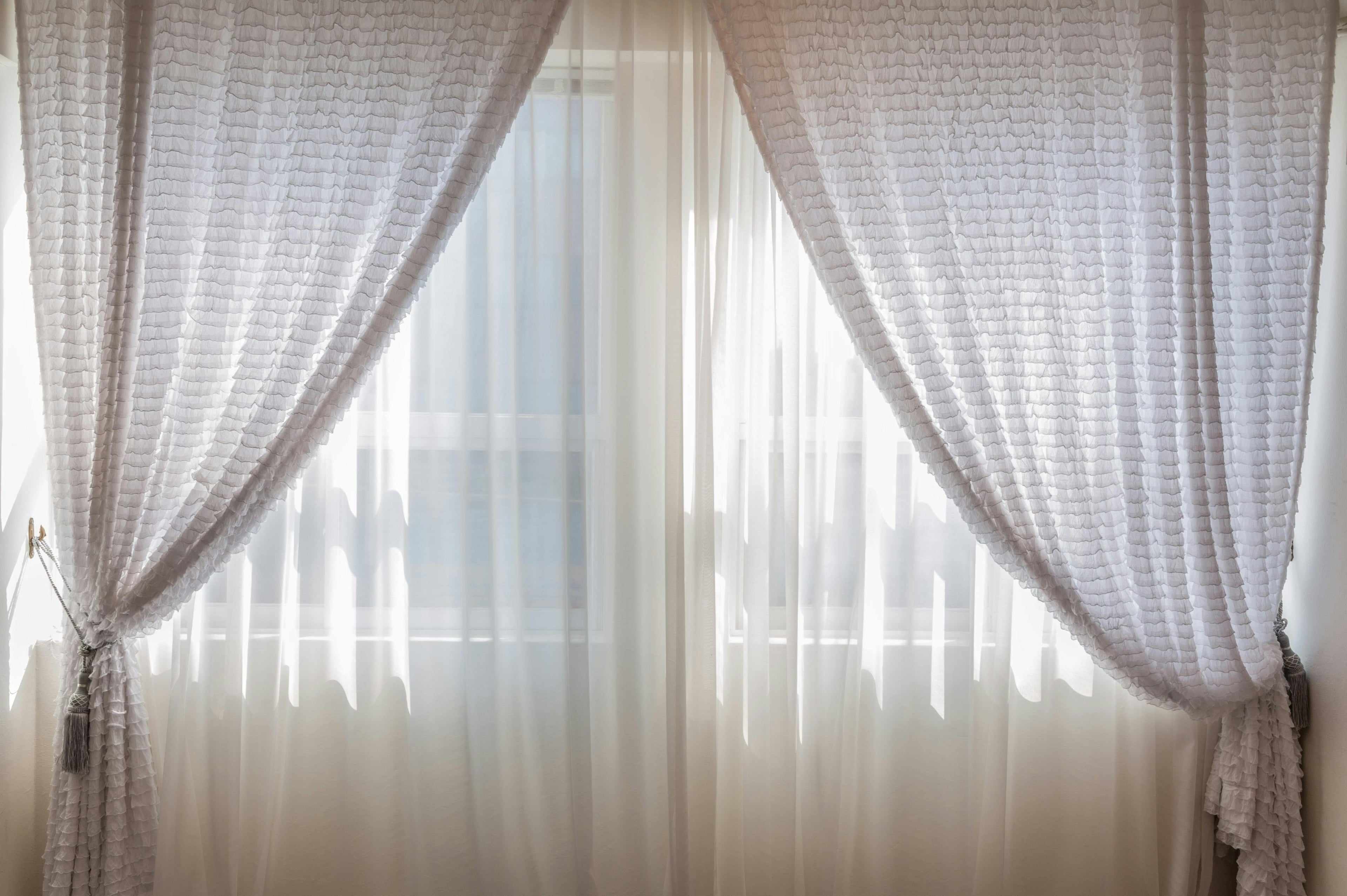
The furniture you already own can be reorganized for this purpose. A turned sofa, a moved bookshelf, a large curtain hung from a ceiling rod, or a DIY screen made from pallet wood and fabric are very affordable solutions. Rugs and paint (to accent a wall) also offer excellent impact/price ratios.
How to acoustically isolate a home office area in a living room?
Combine several approaches: a screen or acoustic panel covered with felt or cork, a thick rug (with an underlay) to absorb footsteps and reverberations, and a bookshelf full of books that acts as an absorbing wall. Large plants also contribute slightly to sound absorption.
Can you define with colors in a very bright open-plan space?
Absolutely. In a very bright space, you can afford stronger colors without darkening it. Play with tones to create atmospheres: cool, light colors for a dynamic zone (office), warm, deep tones for a relaxation zone (living room). The important thing is to maintain harmony, for example by using a color palette of complementary or analogous colors.
How to manage cables and electrical outlets in a room defined by furniture?
Planning is essential. If possible, have floor outlets (pods) installed in central areas before placing furniture. Otherwise, use discreet cable management solutions (colored adhesive trunking on the wall, cable mats) to bring electricity from the walls. Separator furniture with a niche or passage for cables is also a smart option.
Current Trends and Future Inspirations
The future of space definition is intelligent and flexible. We are seeing the emergence of motorized and modular partitions, transformable furniture (coffee tables that rise to become separators), and increased use of high-tech materials like transparent acoustic gels or electrochromic films that switch from transparent to opaque. The "soft zoning" trend favors sensory and gentle definitions: differences in floor texture, ambient scents per zone, lighting that changes color temperature (cool white in the morning for the office, warm light in the evening for the living room). The goal remains the same: to create a custom habitat, both unified and rich in distinct experiences.
Defining a large room is much more than a simple decoration trick; it is an exercise in interior architecture that requires thinking about space in three dimensions, integrating light, circulation, and emotion. Whether you opt for the graphic power of a rug, the organic warmth of a plant partition, or the structuring elegance of a bookshelf, each choice contributes to sculpting an interior that reflects you and meets your needs. The key to success lies in balance: between openness and intimacy, between unity and diversity, between functionality and aesthetics. Don't be afraid to experiment, to move furniture, and to test different combinations. Your space is a blank canvas just waiting for your creativity to reveal its full potential. To discover more inspiration and practical advice on arranging your living spaces, explore the other dedicated articles on ombreinterieur.fr. Before choosing, browse how to integrate a planter in a small 30 m² studio. Browse our online store to see all our collections.
