















How to Clean a Lacquered Piece of Furniture
Lacquered furniture, with its glossy finish and smooth touch, brings a touch of elegance and modernity to any interior. Whether it's a designer chest of drawers, a sleek dining table, or a contemporary TV unit, this finish is prized for its impeccable aesthetic. However, this beauty often comes with a reputation for fragility that worries owners. How do you clean lacquered furniture without risking scratching its mirror-like surface or dulling its shine? The fear of damaging it can sometimes lead to harmful neglect, allowing dust and marks to settle. Yet, with the right techniques and suitable products, maintaining lacquered furniture is much less complex than it seems. This article guides you step by step, from daily gestures to deeper cleaning, including deciphering the different types of lacquer and mistakes to absolutely avoid. You will discover that preserving the splendor of your lacquered furniture is within everyone's reach, so it can continue to shine brightly for many years.
Understanding Lacquer: Much More Than a Simple Varnish
Before grabbing your cloth, it is crucial to know what you are dealing with. The term "lacquered" actually covers several realities. Traditionally, lacquer was a natural resin derived from trees, used for millennia in Asia to create finishes of exceptional depth and durability. Today, in the vast majority of contemporary furniture, it involves synthetic lacquers applied in the factory.
Polyurethane Lacquer vs. Polyester Lacquer: Two Distinct Levels of Resistance
The two most common types are polyurethane (PU) lacquer and polyester (PE) lacquer. PU lacquer, often in matte, satin, or glossy finishes, is flexible and resistant to light impacts. PE lacquer, frequently used for ultra-glossy "piano" finishes, is harder and offers a perfect mirror, but can be more sensitive to micro-cracks. Identifying your type of lacquer (by consulting the manufacturer's technical data sheet) can influence product choice, although the basic cleaning principles remain similar.
A Surface Sensitive to Aggression
Whether PU or PE, the lacquered surface is primarily non-porous. It does not absorb liquids, which is an advantage, but it shows all imperfections: dust, fingerprints, micro-scratches. Its sensitivity to harsh solvents, abrasives, and heat is its weak point. Understanding this is the first step towards successful and stress-free maintenance.
The Ideal Toolkit for Cleaning Lacquered Furniture
No need to invest in an arsenal of expensive, specialized products. Routine maintenance of lacquered furniture relies on simple, gentle ingredients. Here are the essentials to have on hand:
- An ultra-soft, clean microfiber cloth: This is the number one tool. Its tiny fibers capture dust without redepositing it and clean without scratching. Always keep one reserved for this purpose.
- Lukewarm water: Plain or slightly soapy. It remains the safest universal cleaner.
- A mild, pH-neutral soap: Pure Marseille soap, black soap without additives, or a mild dish soap (very diluted). They degrease without attacking the lacquer film.
- A hairdryer (optional): A surprising ally for removing stickers or candle wax, using low heat from a distance.
- A cotton swab and wooden toothpicks: Perfect for meticulous cleaning of grooves, handles, and corners.
Absolutely avoid: abrasive sponges (green type), steel wool cloths, harsh multi-purpose products (ammonia, bleach, acetone), wood waxes, and car polish.
The Daily and Weekly Ritual: Prevention is Better Than Cure
The key to avoiding tough cleaning is regularity. Frequent, gentle maintenance preserves the furniture's original luster.
Dust Busting
Dust, as it accumulates, forms an abrasive layer. At least once a week, gently run your dry microfiber cloth over the entire piece of furniture. Follow the grain of the wood (if there is one) or use very light circular motions. Do not press; let the electrostatic fibers of the microfiber do their work. This simple action prevents 80% of problems.
The Art of Erasing Fingerprints
On lacquered surfaces, especially glossy ones, fingerprints are inevitable, particularly on drawers and doors. To treat them daily, very lightly dampen a corner of your microfiber cloth with plain water. Wring it out as much as possible: it should be almost dry. Wipe over the mark, then immediately dry with the dry part of the cloth. The mark disappears without leaving a haze.
Deep Cleaning: Step-by-Step Instructions
When the furniture requires a real cleaning (stains, splashes, general soiling), follow this foolproof procedure to clean lacquered furniture safely.
Preparing the Cleaning Solution
In a bowl, mix one liter of lukewarm water (never hot) with one or two drops of mild dish soap or the equivalent of a hazelnut-sized piece of grated Marseille soap. The mixture should be very lightly soapy. Excessive foam is a sign of overdosing.
Washing and Rinsing Technique
Dip your microfiber cloth into the solution, wring it out firmly until it is only damp. Clean one small section at a time, using circular or linear motions, without scrubbing. Immediately after, thoroughly rinse your cloth with clean water, wring it out, and go over the section you just washed to remove any soap residue. This rinsing step is crucial to avoid whitish deposits. Finally, dry with a second perfectly dry and clean microfiber cloth, gently buffing to revive the shine.
Deciphering and Treating Stubborn Stains on Lacquer
Despite all precautions, accidents happen. Here is how to react to the most common aggressors.
Water Stains and White Rings
Often caused by a glass placed without a coaster or by condensation, these rings are actually mineral deposits. Act quickly: with a soft cloth slightly dampened with lukewarm water, gently rub the ring. If it persists, apply a fine paste made from baking soda and water (paste-like consistency) to the stain. Let it sit for a minute, then wipe with a damp cloth. Rinse and dry immediately.
Grease and Food Marks
For a grease stain, use a little 70% isopropyl alcohol on a cotton ball. Test first in an inconspicuous spot. Gently rub the stain, then immediately clean the area with your usual water/soap solution to remove any alcohol residue.
Pen or Marker Marks
For an ink stain, a cotton ball soaked in whole milk can work wonders due to its fats. Alternatively, a little white toothpaste (non-gel, non-abrasive) on a soft cloth, rubbed very gently, can help. In all cases, finish with careful rinsing and drying.
Candle Wax
Let the wax harden completely. Scrape off the excess with a plastic card (like a credit card) to avoid scratching. Then, place a clean cloth over the remaining wax and run an iron on a very low setting over it. The wax will melt and be absorbed by the fabric. Finally, clean the area with a damp cloth.
Lifesaving Moves: Mistakes to Avoid at All Costs
The durability of lacquered furniture also depends on what you avoid doing. Here are practices that jeopardize your furniture.
- Never spray product directly onto the furniture. Always apply the product to the cloth, never to the surface. This controls the amount and prevents seepage into joints.
- Ban "multi-surface" or glass cleaners. They often contain solvents or silicones that can dull or create a sticky film on the lacquer.
- Avoid excessive pressure. Vigorous cleaning does not clean better; it wears down the surface film.
- Do not expose to direct heat (radiator, intense sunlight behind glass). This can cause yellowing or micro-cracks.
- Do not use sharp or pointed objects to scrape a stain. Always prioritize soft plastic tools.
Maintaining the Shine: Should You Use Polishing Products?
A debate animates decor enthusiasts. Furniture manufacturers generally advise against using waxes or polishes. Why? A new lacquered piece has a perfect, sealed film. Applying wax can create an additional layer that, as it builds up, dulls the shine and attracts more dust. The best polish remains a perfectly dry microfiber cloth, used regularly. However, for an older piece or one whose finish seems slightly dull, specific products "for lacquered surfaces" or "glossy plastics" exist. Use them sparingly, a maximum of once or twice a year, and always on a perfectly clean surface. Read the composition carefully and choose silicone-free products.
Protecting Your Lacquered Furniture Daily: Essential Accessories
Protection is the best form of maintenance. Integrate these accessories into your decor to preserve your furniture.
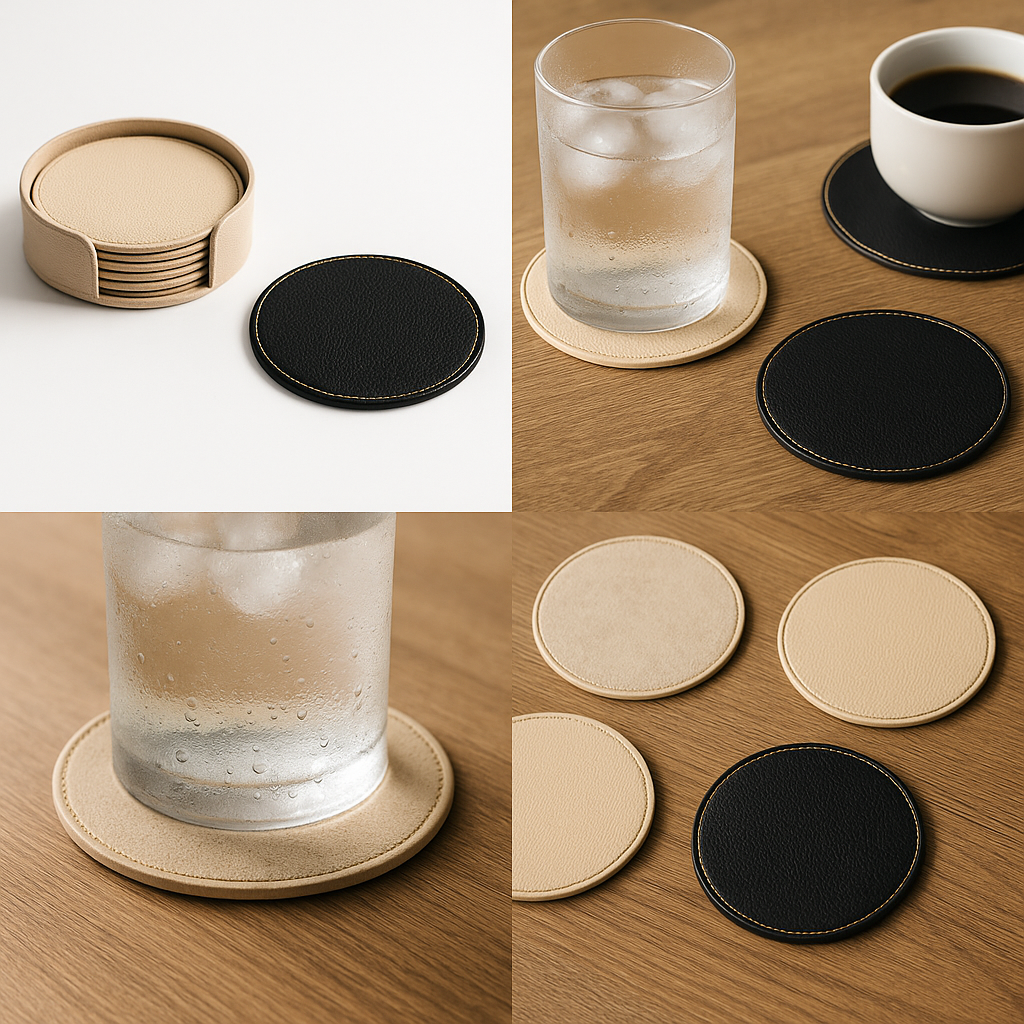
- Coasters and placemats: Essential for protecting against water stains, heat, and scratches. Choose soft materials like felt, cork, or coated fabric.
- Mouse pads and keyboard mats for lacquered desks.
- Felt pads under all decorative objects (vases, lamps, frames) to prevent micro-scratches when moving them.
- Strategic distancing from heat sources and direct sunlight, which causes yellowing.
FAQ: Answers to the Most Common Questions About Lacquer Maintenance
Can I use white vinegar to clean lacquered furniture?
White vinegar, although natural, is acidic. Regular or concentrated use can eventually attack the lacquer film and dull it. It is strongly discouraged. It is better to stick to neutral soapy water, a perfectly safe and effective solution.
How do I repair a superficial scratch on lacquered furniture?
For a micro-scratch, you can try to conceal it with a little colored wax (touch-up crayon) or, for glossy finishes, with a tiny amount of ultra-fine car polishing paste, applied with your finger with extreme caution. For deep scratches, it is recommended to call a professional furniture refinisher.
My white lacquered furniture has yellowed, what should I do?
Yellowing is often due to prolonged exposure to UV rays or heat, or the use of unsuitable products. Unfortunately, it is generally irreversible with simple methods. Prevention is the only solution here. In severe cases, sanding and re-lacquering by an expert may be necessary.
How often should I do a complete cleaning?
This depends on the environment. A piece of furniture in a high-traffic room (living room, kitchen) may require monthly damp cleaning. For a bedroom, cleaning every two or three months is sufficient. Adapt the frequency to usage and ambient dust, keeping dry dusting as a weekly ritual.
Are furniture wipes safe?
Pre-moistened wipes should be avoided. They often leave a chemical, greasy residue that attracts dust and can, over time, dull the surface. Furthermore, their composition is rarely suitable for the specific nature of lacquer. The microfiber cloth + soapy water duo remains unbeatable.
Conclusion: The Longevity of Lacquered Furniture is in Your Hands
Cleaning lacquered furniture is not an obscure science, but a matter of gentleness, regularity, and good habits. By understanding the nature of this finish and adopting a maintenance routine based on simple, non-aggressive products, you preserve its luster and character for many years. The key lies in prevention: frequent dusting, systematic use of coasters, and vigilance against heat sources. Your lacquered furniture, whether an heirloom or a contemporary piece, deserves this attention. To discover how to integrate these magnificent pieces into your decor or find inspiration for your next layout, feel free to explore the many resources and guides available on ombreinterieur.fr. Your interior will be all the more radiant. Discover the product Kitchen Furniture Curtains to finalize your decor. Our guide how to clean a leather cushion without damaging it helps you make the right choice. Visit ombreinterieur.fr to explore the entire catalog.
