














How to Layer Windows: Complete Guide
In the world of interior decoration, certain ideas transcend eras by constantly reinventing themselves. The cascading window display, or the art of creating suspended plant compositions in front of your bay windows, is a perfect example. Far from being a simple fleeting trend, this practice is a true decorative philosophy that brings life, movement, and poetry to our interiors. It transforms a window, a simple interface between inside and outside, into a living, evolving tableau. Whether you live in a small urban apartment or a sun-drenched house, learning how to create cascading window displays opens up an infinite realm of possibilities for personalizing your space. This article is your complete guide to mastering this art, from choosing plants to hanging techniques, including maintenance and the latest decor trends.
The philosophy behind the plant cascade at windows
Before diving into the technique, it is essential to understand the spirit of this decoration. Creating cascading window displays is much more than lining up pots. It is about creating a suspended ecosystem that dialogues with the light. The window becomes the stage for exuberant plant life, where each plant plays a role in the composition. This approach maximizes sunlight for plants that crave it, while creating a natural and decorative filter between your privacy and the outdoors.
The aesthetic of the cascade relies on movement, volume, and contrasts. It involves playing with foliage lengths, textures (downy, succulent, fine, or graphic leaves) and colors (from deep green to variegated, including purple touches). The result should give the impression of vegetation joyfully escaping its containers, creating a graceful and organic fall. It is an invitation to let nature reclaim its rights, in a controlled and aesthetic way, at the heart of your home.
Strategic plant selection: the queens of the cascade
The success of your suspended composition depends first and foremost on the choice of plants. Not all are suited to life in suspension and window exposure. You should prioritize species with a trailing, creeping, or climbing habit that can be guided.
Classic and foolproof trailing plants
Certain plants are the pillars of any cascading composition. The Pothos (Epipremnum aureum) is undoubtedly the champion in all categories. Incredibly robust, it grows quickly, adapts to partial shade as well as indirect light, and its long stems are adorned with heart-shaped leaves. Ivy (Hedera helix) offers a multitude of varieties (variegated, curly, with small or large leaves) for a more traditional or graphic effect. The String of Hearts (Ceropegia woodii), with its small, silver-gray heart-shaped leaves on fine, thread-like stems, brings an incomparable touch of delicacy.
Plants with spectacular and graphic foliage
To add volume and character, turn to plants with dense, sculptural foliage. The Boston Fern (Nephrolepis exaltata), with its arched, feathery fronds, creates a vaporous and elegant mass. It loves ambient humidity, perfect for a bright bathroom. The Climbing Philodendron ('Brasil', 'Micans') offers velvety leaves and surprising colors. Finally, the Tradescantia zebrina, with its leaves striped in purple and silver, is a real eye-catcher that multiplies easily.
Flowering plants for touches of color
To punctuate your cascade with colorful touches, certain flowering plants are perfect for suspension. The Coleus (Solenostemon), although grown for its ultra-colorful foliage (red, pink, acid green), has a bushy habit that spills beautifully over the pot. The Wall Bellflower (Campanula portenschlagiana) produces a myriad of small purple star-shaped flowers in spring. For very bright windows without direct sunlight, certain Orchids like Phalaenopsis can be integrated into specific hanging planters.
The art of the container: from cache-pot to creative hanging planter
The container is not just a simple pot. It is a decorative element in its own right and should be chosen based on technical constraints (weight, hanging system) and aesthetics.
Classic hanging planters: macrame, ceramic, and metal
Macrame is experiencing a phenomenal comeback. Its knots bring an artisanal, bohemian, and warm texture. It is ideal for hiding a basic plastic pot and allows for good aeration. Glazed or terracotta ceramic pots and cache-pots offer a wide variety of colors and shapes (spherical, cylindrical, angular). Their weight must be considered. Metal hanging planters (brass, black steel, wire) offer a more industrial or Scandinavian look, perfect for contemporary interiors.
Innovative systems and DIY projects
The trend is towards modular systems and custom installations. We are seeing suspended rods or shelves fixed to the ceiling or window lintel, allowing several pots to be aligned at the same height. Outdoor window boxes can also be repurposed to create a cascade towards the inside. For DIY enthusiasts, the possibilities are endless: reusing baskets, painted tin cans, string balls, or creating a system of pots connected by ropes and pulleys to easily adjust heights.
A crucial point: each hanging planter must be equipped with an integrated or removable saucer to catch watering water and protect the floor or windowsill.
Hanging technique: safety and flexibility
Hanging plants at height requires rigor. Safety is paramount, especially with heavy pots or in the presence of children and pets.
The first step is to identify the nature of your support. For a ceiling, you must absolutely screw into a beam or use appropriate wall plugs (expansion anchors for solid materials, specific anchors for plaster). Sturdy wall hooks are perfect for fixing rods or bars above the window. For renters or those who do not want to drill, tension systems (pressure rods between two walls) or grids fixed to the window frame can offer a viable alternative for light plants.
Think about the flexibility of your installation. Can you easily lower the plants to water, turn, or repot them? Systems with "S" hooks or detachable rings are invaluable. Also consider using decorative pulleys, which allow you to raise and lower the pots effortlessly, a major advantage for maintenance and for changing the composition at will.
Composing your cascade: the golden rules of plant design
Once the plants and pots are chosen, it's time for composition. This is where your window truly comes to life.
Playing with heights and densities
The basic principle of a successful cascade is variation in heights. Avoid perfect alignment at the same level. Hang some plants higher, letting their stems trail down long, and place others lower to fill the space. Create groups of 3 or 5 pots (odd numbers are more visually dynamic) with plants of different sizes and textures. A large, full fern can act as a "pivot" around which the fine stems of ivy or pothos will wrap.
Creating contrasts and harmony
Mix broad foliage with fine foliage, matte greens with glossy greens, solid colors with variegations. For example, combine the bright, glossy green of a Pothos 'Jade' with the downy gray-green of a Philodendron 'Micans' and the purple zebra stripes of a Tradescantia. Color harmony is key: you can opt for a monochrome range of greens for a calming effect, or introduce touches of purple and silver for more contrast.
Don't forget the pot itself. Pots in similar materials (all terracotta, all wicker) will create unity. Conversely, a controlled mix of materials (macrame, smooth ceramic, metal) can add richness.
Daily maintenance: keeping your cascade lush
A beautiful cascade requires minimal maintenance. A simple schedule ensures the long-term health and beauty of your plants.
- Watering: This is the main challenge with hanging plants. Use a long-spout watering can or a pipette to reach the substrate without wetting the foliage. Check soil moisture by inserting a finger. Most trailing plants prefer the substrate to dry out slightly on the surface between waterings. Always empty saucers after watering.
- Misting: Hanging plants, especially ferns and philodendrons, appreciate regular misting of their leaves with non-calcareous water to recreate ambient humidity.
- Rotation: Turn each pot a quarter turn at each watering. This ensures even growth and prevents the plant from deforming by seeking light from one side only.
- Leaf cleaning: Gently wipe large leaves with a damp cloth to remove dust, which blocks light. For plants with fragile leaves, use a soft brush.
- Pruning and repotting: Prune overly long or bare stems without fear to encourage branching and maintain a dense shape. Repotting is generally done every 2 to 3 years, in spring, into a slightly larger pot.
Current trends: beyond bohemian macrame
The way of creating cascading window displays evolves with decor trends. While the urban jungle and bohemian style remain popular, new approaches are emerging.
The "organic minimalist" trend favors clean compositions with a single plant variety repeated (e.g., a series of identical pots containing only Pothos), in containers with simple, neutral lines (white ceramic, polished concrete). The emphasis is on the graphic shape of the plant itself.
The "laboratory" or "studio" style uses technical supports: nearly invisible fishing line to give the impression that plants are floating, ceiling rail systems, or hydroponic glass pots that showcase the roots. This is a very contemporary and sculptural aesthetic.
Finally, biodiversity preservation is becoming a selection criterion. Native plants or non-invasive species are increasingly favored, and honey-producing or air-purifying plants like Chlorophytum (spider plant) are integrated into compositions.
Adapting the cascade to each type of window and room
Not all windows are the same. Exposure and room determine your choices.
For a north-facing window or one with little light, opt for robust shade plants: Pothos, Ivy, Boston Fern (if humidity is sufficient), Tradescantia. Avoid flowering plants or those with colorful foliage that risk becoming deformed.
An east-facing window is ideal, with gentle morning light. Most trailing plants will thrive there, including more delicate ones like the String of Hearts.
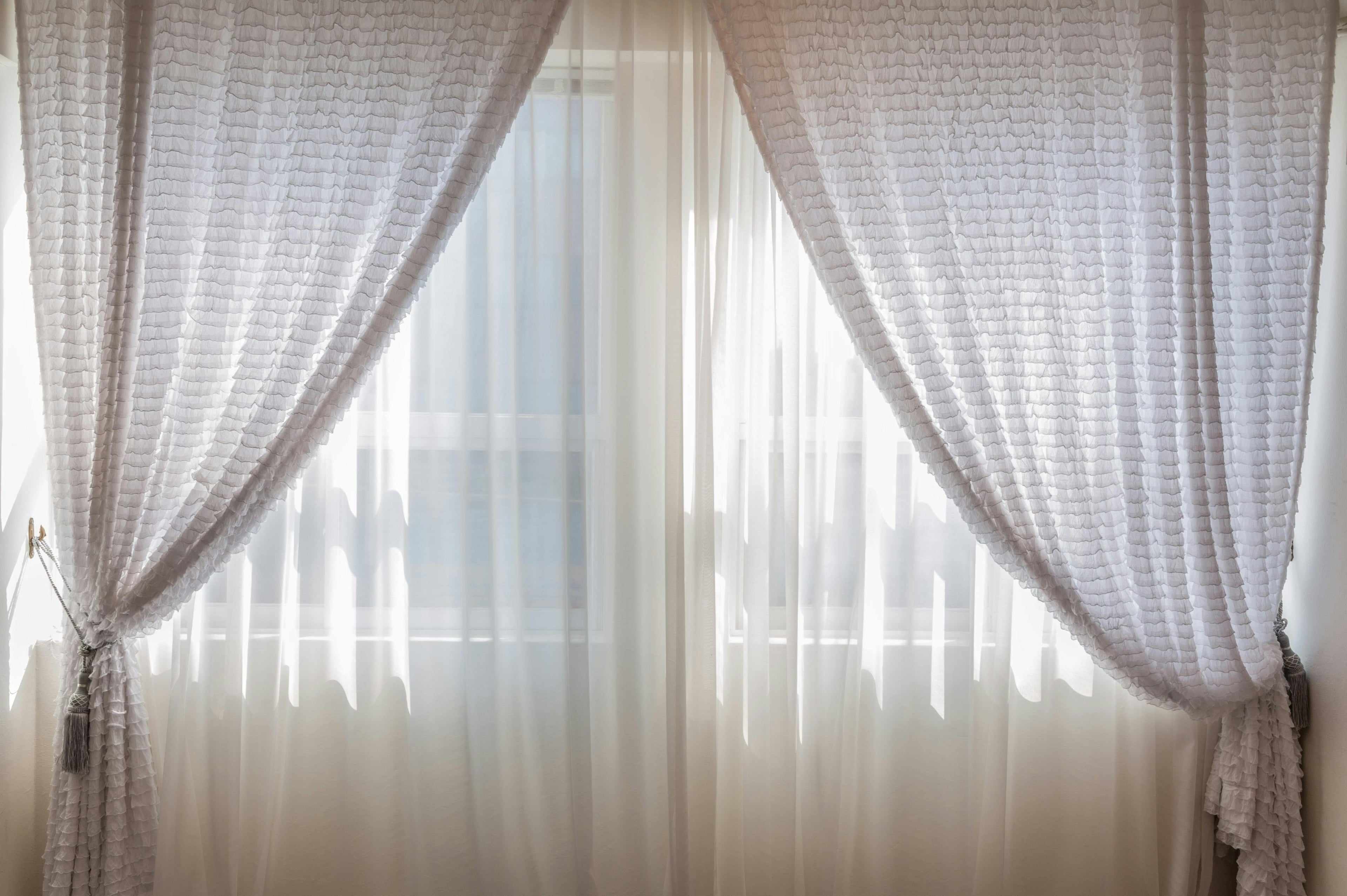
A south or west-facing window exposes plants to strong direct rays. You need to filter the light with sheer curtains or choose trailing succulent plants like Senecio rowleyanus (String of Pearls) or Sedum morganianum (Donkey's Tail). Be careful of leaf burn on tropical plants.
In the kitchen, consider trailing aromatic plants like creeping thyme or certain mint varieties (must be contained). In the bathroom, capitalize on humidity with ferns, Pothos, and Philodendrons.
FAQ: Answers to the most common questions
What are the easiest plants to cascade for a beginner?
The winning trio for beginners is undoubtedly Pothos, Common Ivy, and Chlorophytum (spider plant). These three plants are extremely resilient, grow quickly, tolerate some missed waterings, and adapt to various light conditions. They will allow you to familiarize yourself with caring for hanging plants without risk of disappointment.
How to water plants at height without causing damage?
Several solutions exist. The simplest is to use a long, curved-spout watering can that allows precise targeting. For very high compositions, the ideal is to plan a pulley system to easily lower the plants. You can also invest in a pressure sprayer for gentle watering, or for the more tech-savvy, automatic drip irrigation systems with small hidden tubes.
Can you create a window cascade in a small space?
Absolutely. In a small space, verticality is your ally. Prioritize an asymmetrical and airy composition rather than a dense plant curtain that could darken the room. A single plant with strong character (like a large Pothos in a beautiful macrame) can be enough to create maximum impact. Use the width of the lintel above the window to hang a few pots, without cluttering the sill.
How to prevent fungus gnats (sciarid flies) from proliferating in hanging pots?
Fungus gnats love constant moisture. To avoid them, always let the substrate dry out on the surface between waterings. You can also sprinkle the surface of the soil with horticultural sand or clay pebbles, which creates a physical barrier. Using yellow sticky traps discreetly placed near the pots is also very effective for capturing adults.
Does my plant cascade darken my room too much?
This is a risk if the composition is too dense and placed in front of an already dim window. To remedy this, choose plants with light or variegated foliage (Pothos 'Marble Queen', Scindapsus pictus 'Argyraeus') which reflect light better. Maintain space between pots to let sunlight through, and prune plants regularly to prevent them from becoming too bushy. The goal is to filter the light, not block it.
Conclusion: Your window, a personal hanging garden
Learning how to create cascading window displays is a creative journey that radically transforms the ambiance of an interior. This practice, at the crossroads of gardening and decoration, allows you to express your personality while surrounding yourself with life and nature. Whether you opt for an exuberant jungle or a minimalist composition, the important thing is to create a balance that suits you and respects the needs of your plants. Start modestly with one or two easy plants, experiment with hanging planters, and let yourself be guided by the growth and shape of your plants. Your window will become much more than a source of light: it will be the moving frame of a unique living work. To discover more inspiration and practical guides for greening every corner of your home, explore the many resources available on ombreinterieur.fr without delay. Also explore our collection All Curtain Styles to vary the looks. Before choosing, browse how to integrate frames in a small 40 m studio. Visit ombreinterieur.fr to explore the entire catalog.
```