















How to Modernize Your Living Room: Complete Guide 2026
The living room, the beating heart of the home, is a space that evolves with us. Yet, sometimes it can feel cramped, the décor may appear dated, or the room no longer meets our contemporary needs, torn between relaxation, socializing, and sometimes remote work. Modernizing your living room isn't about throwing everything away and replacing it with new, cold items. It's a process of intelligent rejuvenation, blending current trends, thoughtful layout, and personal reinterpretation. It's about creating a setting that is both functional, aesthetic, and deeply restorative, reflecting your personality while incorporating the innovations of the moment. In this article, we will detail a complete methodology, from initial reflection to finishing touches, to transform your living room into a modern, welcoming space perfectly suited to your life.
Defining Your Modern Style: Beyond Minimalism
Modernizing doesn't necessarily mean radical minimalism. Today's modern style is eclectic and personalized. Before you start, it's crucial to identify the direction that speaks to you. Japandi, a fusion of Scandinavian hygge and Japanese wabi-sabi, promotes serenity, natural materials, and clean lines. It's an ideal choice for creating a peaceful haven.
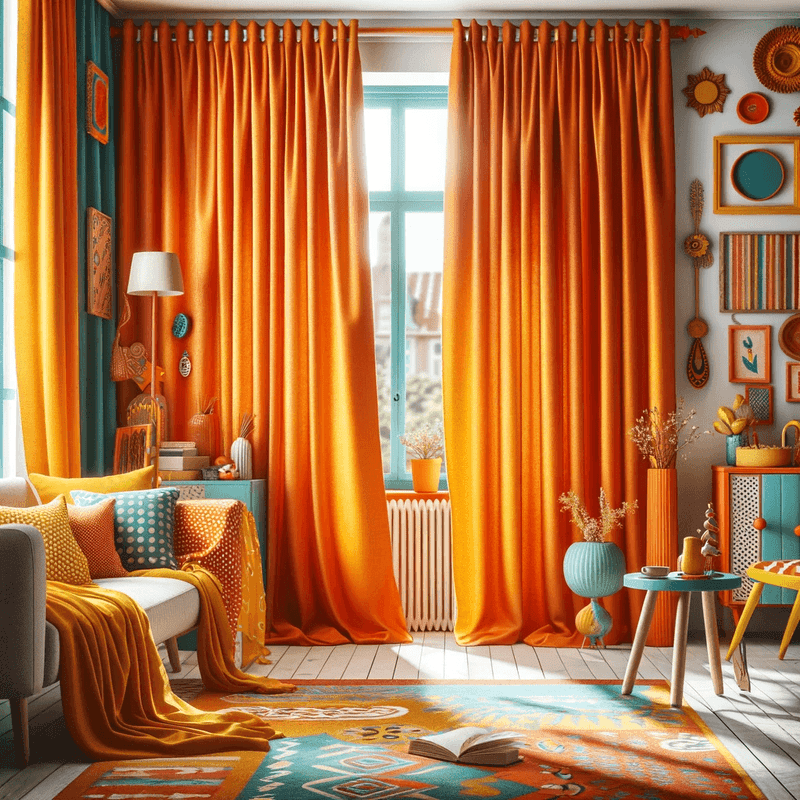
At the opposite end, organic modernism or neo-rustic style incorporates generous curves, raw textures like stone or solid wood, and an earthy color palette. Finally, colorful modernism is making a strong comeback, boldly playing with saturated hues as accents or even on entire walls. Take the time to create a mood board (on Pinterest or with physical samples) to crystallize your vision.
Freeing Up Space: The Art of Decluttering and Flow
The foundation of a modern living room is an airy, fluid space. Start with a major declutter. Follow the KonMari method: keep only items that "spark joy" and are useful. For the rest, sell, donate, recycle. This step is liberating and allows you to see the room with fresh eyes.
Next, reassess the layout. The trend is towards open plans, but if your living room is partitioned, you can create visual flow. Think about circulation: natural pathways should be clear. Avoid pushing all furniture against the walls. A floating sofa, perpendicular to a wall or defining a space, immediately brings a modern dynamic.
Optimizing Zoning in an Open Space
In a loft or open-plan living area, zoning is essential. Use decorative elements to define areas without building walls:
- A large rug anchors the living area.
- A low bookshelf or a back-to-back sofa can separate the living and dining areas.
- A change in floor texture (e.g., parquet vs. tile) or a play of levels with a discreet podium defines the zones.
The Color Palette: Between Calming Neutrality and Chromatic Boldness
Color is the most powerful tool to instantly modernize a room. Current trends offer two main paths. The first is the neutral and earthy palette. Warm beiges, grays with green or blue undertones, off-whites, and soft ochres create a calming, timeless base. They visually enlarge the space and highlight furniture and artwork.
The second path is colorful boldness. We are seeing a strong return of deep, comforting colors. "Viva Magenta," Pantone's 2023 Color of the Year, or tones like bottle green, navy blue, and terracotta can adorn an accent wall (or "feature wall") behind the sofa. The modern trick? Pair these strong colors with natural materials (wood, linen, rattan) to avoid an overwhelming effect.
Lighting: Setting the Scene
Modern lighting is designed in layers, like stage lighting. Abandon the single central ceiling fixture. Combine multiple sources to create flexibility and ambiance.
- General (ambient) lighting: Discreet recessed spotlights or an integrated LED track in a niche.
- Accent (task) lighting: Architect lamps for reading, picture lights, LED strips under shelves.
- Mood (decorative) lighting: Sculptural table lamps, soft LED garlands, candles.
LED technology, especially in strip form, allows for ingenious integrations: behind the sofa headboard, along a baseboard, in an alcove. Dimmers are essential for modulating the atmosphere from day to evening.
Furniture: Clean Lines, Functionality, and Comfort
Choosing modern furniture means prioritizing quality over quantity and form over ornamentation. Lines are clean, often geometric, but not necessarily cold. Comfort is paramount. Opt for a sofa with soft shapes, perhaps with curves, in a durable fabric like velvet or bouclé wool.
Multifunctionality is key. A coffee table with built-in storage, an ottoman that serves as a side table, modular shelving… Think about mixed materials: a solid oak tabletop on matte black metal legs, a fabric armchair with light wood legs. This hybridization adds visual richness.
Focus on the Coffee Table, a Centerpiece
The modern coffee table is no longer just a flat surface. It's a functional sculpture. Organic shapes (ovals, pebbles) are very trendy. Materials like travertine, smoked glass, or lacquered metal add character. Also, dare to use groups of coffee tables of different heights and sizes, which you can assemble or separate as needed.
Textiles and Wall Coverings: The Sensory Layer
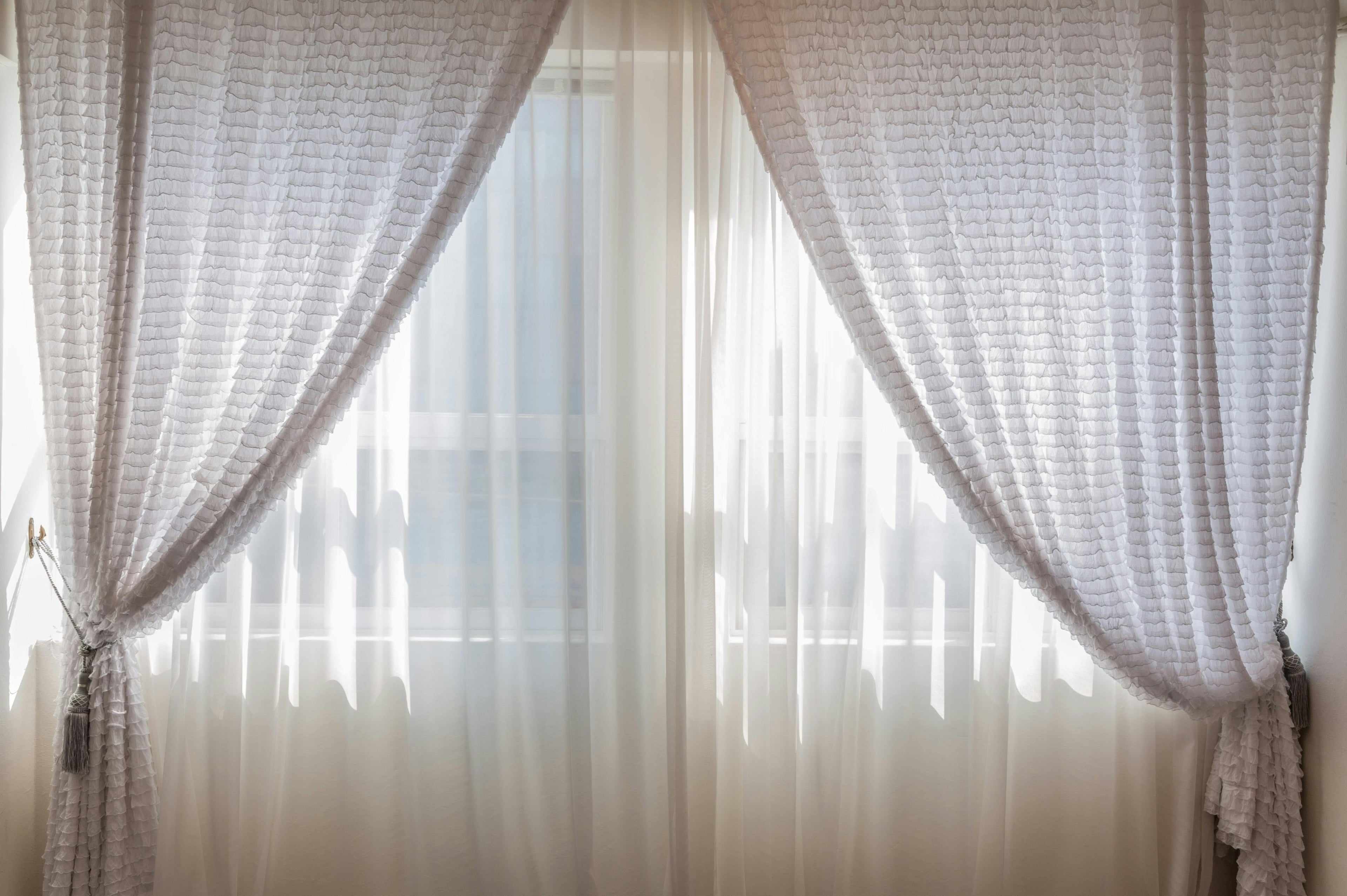
Modernizing is also about touch. Textiles bring warmth and personality. Replace old heavy curtains with linen sheer curtains or natural fabric roller blinds. On the floor, trends lean towards geometric or abstract patterned rugs, or shaggy textures for comfort.
For cushions and throws, layer different materials: knitted wool, linen, bouclé cotton, corduroy. This is an opportunity to introduce touches of color or pattern (stripes, graphic motifs) without commitment. Don't forget wall coverings: paint with a deep matte finish, limewash for texture, or even painted wainscoting at mid-height for a modern and cozy style.
Art and Accessories: A Personal and Minimalist Curation
In a modern living room, every object should have a purpose. Adopt a curatorial approach to your accessories. Favor a few strong pieces over a multitude of knick-knacks. A large artwork or a sculptural mirror on a bare wall has a much greater impact.
Mirrors, especially curved or sunburst shapes, are excellent for reflecting light and enlarging the space. For décor, invest in artisanal objects: a unique ceramic vase, a wooden sculpture, a rattan basket. Greenery is essential: a large fiddle leaf fig, a monstera deliciosa, or grouped plants in terracotta pots bring life and freshness.
Integrating Technology Invisibly and Usefully
A modern living room integrates technology without it visually taking over. Accessible home automation allows you to control lighting, blinds, and sound system from your smartphone. For the television, integration is ideal: a flat screen embedded in a bookshelf wall or behind a motorized painting.
Discreet connected speakers (like Sonos) blend into the décor. Also think about plugs and cables: use storage boxes or cable covers to hide them. The goal is to enjoy technological comfort in a calm, uncluttered environment.
Emerging Trends to Watch
To go further, some cutting-edge trends define the modernism of tomorrow. Recycled and upcycled materials are gaining momentum: furniture made from reprocessed ocean plastic, papier-mâché lamps, cushions from reclaimed fabrics. Extreme personalization is also key, with custom-made furniture tailored to the exact dimensions of the room.
Finally, biophilia – the connection with nature – goes beyond plants. It includes the use of truly natural, unprocessed materials (a branch as a coat rack, a raw stone as a paperweight), maximizing natural light, and creating viewpoints to the outdoors.
FAQ: Your Questions on Modernizing the Living Room
Where should I start to modernize my living room on a small budget?
Start with a radical declutter – it's free and transformative. Then, focus on high-impact changes: new paint on the walls (a current tone can change everything), modern textiles (cushions, throws, a new rug), and rethought lighting with revamped second-hand lamps. Rearranging existing furniture and adding a few green plants complete this economical metamorphosis.
How can I modernize an old or classic living room without breaking everything?
It's about creating a dialogue between old and new. Preserve character architectural elements (moldings, parquet, fireplace) by highlighting them. Contrast them with furniture with contemporary, clean lines. Paint the moldings in a modern shade (matte black, dark gray) instead of off-white. Mix a designer sofa with an old armchair reupholstered in a graphic fabric. Thoughtful eclecticism is key.
What are the absolute mistakes to avoid?
Several pitfalls can result in a dated or cold look. Avoid an overabundance of decorative objects that create visual clutter. Steer clear of matching furniture sets "in a pack," which lack personality. Don't neglect lighting: a single light source on the ceiling is the enemy of modern ambiance. Finally, resist the temptation to follow a trend to the letter if it doesn't suit you; modernity should reflect you.
How can I create a modern living room that remains cozy and welcoming?
Sensory comfort is paramount. Systematically incorporate soft, warm materials: a large plush rug, velvet or wool cushions, a cashmere throw. Use warm lighting (color temperature around 2700K) and dim it with dimmers. Incorporate natural materials like wood (on the floor, in furniture, as accessories) and stone. An earthy color palette as a base, combined with ambient lighting, guarantees a modern cocoon.
Are plants essential in a modern living room?
Absolutely. They are the vital element that links design to nature, a fundamental principle of contemporary modern style. Beyond their beauty, they purify the air and improve well-being. For a structuring effect, choose varieties with graphic lines like sansevieria, fiddle leaf fig, or orchids. Present them in pots with simple lines (terracotta, white ceramic, polished concrete) for perfect integration.
Modernizing your living room is an exciting journey that blends introspection and creativity. It's an opportunity to reinvent the space where you live your most precious moments, injecting functionality, serenity, and style. By following these steps, from defining your universe to the careful curation of accessories, you will transform your room into a decidedly contemporary setting, without sacrificing comfort and personality. Remember, the most important trend is the one that reflects you. To continue finding inspiration and detailed advice for every room in your home, explore the many resources available on ombreinterieur.fr. For more tips, discover how to choose the right frame for the living room on the blog. Browse our online store to see all our collections.
