
















How to Save a Window as a Favorite
In the digital world we navigate daily, the concept of a "window" has evolved considerably. While traditionally referring to an opening that lets light into a room, the term today just as frequently designates those virtual frames on our computer or smartphone screens. Thus, "bookmarking a window" can be confusing, but it is precisely this duality that opens up a fascinating field in interior decoration and digital organization. This article explores in depth how this seemingly simple action – marking a window as a precious element – can transform your living and working space, whether by optimizing natural light through a bay window you'll never tire of, or by organizing your virtual office for a more harmonious workflow. We will see that the concept of a favorite transcends the simple click to become a philosophy of design.
The Physical Window: An Architectural Element to Cherish
Before diving into the digital, let's return to the very essence of a window: an opening in a wall. In an interior decoration approach, "bookmarking a window" means considering it as the central element of a room, the focal point around which all the layout revolves. It is no coincidence that homeowners and architects often pay a premium for an exceptional view. A favorite window is one you choose to highlight, frame, and exploit for its aesthetic and functional qualities.
This process begins with an objective analysis of your openings. Which one offers the most beautiful morning light? Which one reveals a majestic tree or a patch of sky? Which one has particularly elegant proportions? Identifying this "favorite" window is the first step in creating an interior that makes sense and reflects your personality. It then becomes much more than a simple source of light; it is the living painting of your home, constantly changing with the hours and seasons.
Techniques for Highlighting an Architectural Window
Once you have identified your standout window, several decoration techniques allow you to enhance it and literally "bookmark it" in the space.
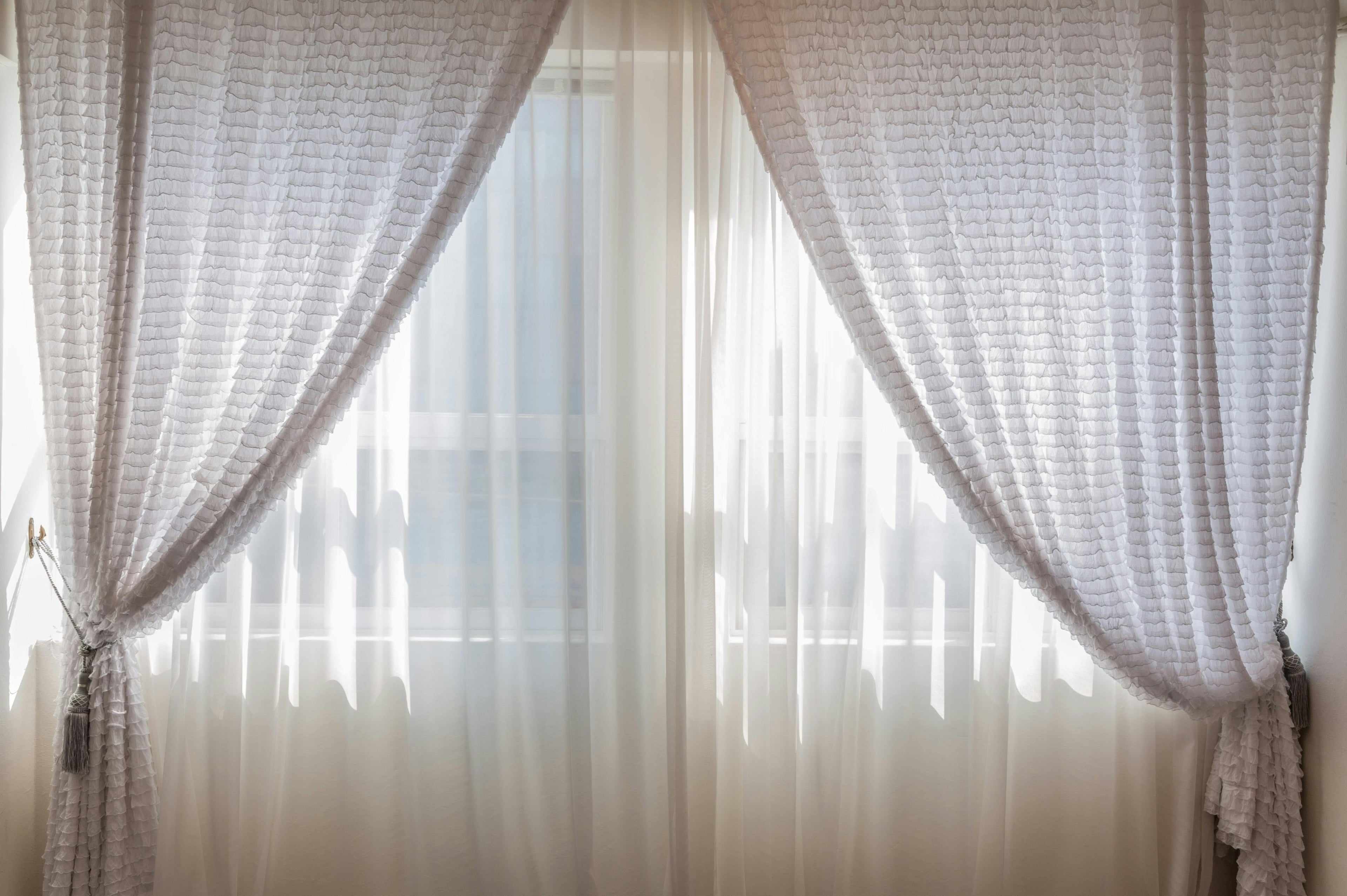
- Minimalist window treatment: To avoid stealing the spotlight from the view or architecture itself, opt for ultra-discreet roller blinds, fine linen curtains pulled to the sides, or even leave it bare if privacy allows. The idea is to create a clean, uncluttered frame.
- Custom built-ins: Create a seat, a banquette, or a built-in desk under the window. This arrangement invites you to sit down, to enjoy the light for reading, working, or contemplating. It physically anchors the "favorite" function in the room.
- Lighting staging: Use the window as the main light source during the day. In the evening, complement it with soft, indirect lighting (wall sconces, floor lamps) that will warm the alcove without creating annoying reflections on the glass.
- The play of perspectives and reflections: Place a mirror strategically on an adjacent wall to reflect the window and double the feeling of space and light. This reinforces the importance of this opening in the perception of the room.
The Digital Window: Organizing Your Virtual Workspace
In our connected lives, browser and application windows are the gateways to our projects, research, and creativity. Knowing how to "bookmark a window" in this context is a valuable organizational skill that directly impacts our productivity and visual serenity. A computer desktop cluttered with dozens of open tabs generates the same anxiety as a room overloaded with objects.
The philosophy is the same as in physical decoration: identify the essential and give it a place of honor. Your favorite digital windows are those that correspond to your current projects, daily tools, or permanent sources of inspiration. Techniques for managing them vary by operating system (Windows, macOS) and browser (Chrome, Safari, Firefox, Edge), but the fundamental principles remain universal.
Native Methods for Pinning and Organizing
Modern systems offer often underutilized features for keeping your important windows within easy reach.
- Pin: On Windows, you can "pin" an application window so it always stays on top of others. This is ideal for a video chat window, a video player, or a reference document while you work on another screen. A right-click on the title bar is often sufficient.
- Virtual workspaces (macOS) or virtual desktops (Windows): This powerful feature allows you to create multiple virtual "rooms." You can dedicate an entire desktop to a specific project, with all its associated windows (research, document, spreadsheet) grouped together, and switch cleanly between them. This is the digital equivalent of dedicating a room in your home to a specific activity.
- Full Screen or Split Screen mode: Putting a window in full screen gives it your full attention, without distraction. Split-screen allows you to place two favorite windows side by side, like arranging two armchairs facing a beautiful view for a conversation.
The Web Browser: The King of Tabs and Bookmarks
It is in the web browser that the concept of "favorite" is most literal. But beyond the simple bookmark for a site, there are advanced techniques for managing entire browsing windows.
The first good practice is to differentiate the classic bookmark (for a site you visit occasionally) from the essential "working window." For the latter, browsers offer solutions.
Tab Groups and Browsing Profiles
Tab groups (available in Chrome, Edge, Firefox) are a revolution for organization. You can group under a name and color all the tabs related to a project (e.g., "Living Room Decor," with tabs open on fabric stores, inspiration blogs, a budget document). You can then collapse this group into a single icon, freeing up mental and visual space. Saving a window with a specific tab group then becomes a contextual favorite.
Browser profiles or people go even further. You can create a "Work" profile with its own bookmarks, extensions, and windows, and a completely separate "Personal" profile. This is the best way to never mix your research on the latest decor trends with your professional spreadsheets.
Third-Party Tools and Dedicated Window Management Applications
For advanced users or those with extremely complex workflows, third-party applications offer granular control over windows. Tools like Magnet, Rectangle (macOS), or FancyZones (via PowerToys for Windows) allow you to create custom grids on your screen and "snap" your favorite windows into place with a single gesture.
This allows you to recreate an organized desktop in a reproducible way. For example, you can have a "Decor Research" configuration: the browser occupies two-thirds of the screen on the left, a notes document takes the right third, and an image manager sits in a small corner at the bottom right. Saving these layouts is like bookmarking an entire work *context*, far beyond a simple URL.
The Psychological and Ergonomic Impact of an Organized Space
Whether in your living room or on your screen, the act of designating and organizing your "favorite windows" has a profound impact. Psychologically, it reduces cognitive load. Your brain doesn't have to search for information or remember where the tool it needs is located; it's there, in its designated place, like a comfortable armchair placed facing the best view in the house.
Ergonomically, it limits unnecessary movements (mouse sweeping across a cluttered screen, moving around a poorly arranged room) and promotes a smooth workflow or relaxation flow. Natural light, well channeled by a highlighted window, reduces eye strain. A well-organized screen does the same for your concentration.
Current Trends: The Fusion of Physical and Digital
A strong trend in interior architecture is the discreet integration of technology into living spaces. This ties perfectly into our topic. Imagine a large bay window (your favorite physical window) equipped with electrochromic glass that allows you to adjust opacity with a simple button or via an app. The control for this window could be a "favorite" on your home automation tablet.
Similarly, hybrid offices are seeing the development of ultra-wide screens or multi-monitor setups that mimic the panoramic view of a window. Dynamic wallpaper software (like those simulating nature views, a river flow) often uses the window metaphor to soothe the user. The boundary between the window overlooking the garden and the one overlooking your digital dashboard is blurring in favor of a harmonious overall user experience.
FAQ: Your Questions on Bookmarking Windows
How can I save all open tabs in a window to return to them later?
Most browsers offer a "bookmark all tabs" feature. In Chrome or Edge, right-click on a tab and select "Add all tabs to bookmarks...". This creates a folder in your bookmarks. By clicking on this folder later, you can reopen all tabs at once. Some extensions like "OneTab" or "Session Buddy" offer even more advanced control for saving and managing entire window sessions.
What is the best way to arrange a room around a large window without cluttering it?
Favor low furniture and an asymmetrical layout. Place your sofa or main seat perpendicular to the window, rather than facing it, to avoid turning your back to it while not creating a visual wall. Use green plants of varying sizes on the sides to naturally frame the view, and choose a rug that guides the eye towards the opening without obstructing it.
Is there an equivalent of "picture-in-picture mode" for application windows on my computer?
Yes, increasingly so. Besides the native "Pin" function, some video playback applications (like VLC) or video conferencing apps (like Zoom) have their own "always on top" mode. On macOS, apps like "Helium" allow you to create a transparent floating window for any video or web page. On Windows, Microsoft's free "PowerToys" software includes an "Always on Top" module that assigns a keyboard shortcut to pin any window to the foreground.
I am a tenant, how can I highlight a window without being able to modify the architecture?
The power of decoration lies in furniture and accessories. Use a tension rod curtain or blind, easy to install without drilling. Create a focal point on the floor with a beautiful rug that draws the eye towards the window area. Install a low wall shelf (fixed with strong adhesive strips for tenants) under the window to place books and objects, creating a guiding line. A large mirror placed on the floor and leaned against the wall next to the opening will immediately double its impact.
Conclusion: Creating Your Personal Panorama
Bookmarking a window, whether it's made of wood and glass or pixels and code, is an act of intentionality. It's deciding what deserves your attention, your light, and your space – whether physical or digital. By applying these principles, you are not just tidying up or decorating; you are creating a custom environment that supports your activities, inspires your creativity, and nurtures your well-being. Start today by identifying the window, real or virtual, that will be the anchor point for your next project. To delve deeper into these concepts and discover a thousand other inspirations for a harmonious interior, feel free to explore the many resources and guides available on ombreinterieur.fr. To go further, try Rideau Court Fenetre in your room. Check out our article how to achieve a Scandinavian cocooning decor to go further. Visit ombreinterieur.fr to explore the entire catalog.
```