















How to highlight a window in the office?
In the world of interior decoration, the window is no longer just an opening to the outside. It has become a central element of office design, a fully-fledged aesthetic and functional asset. Knowing how to highlight a window in an office is an art that transforms a simple workspace into a place of inspiration, well-being, and productivity. Whether you are setting up a home office, a study, or a desk area in your living room, the layout around this source of natural light is crucial. This article guides you through all facets of this integration, from scientifically proven benefits to the latest decorative trends, including practical solutions for every configuration, as well as the most innovative ideas for cramped or charmless spaces.
The Scientific Benefits of a Desk Facing the Window
Positioning your desk facing the window is not just a matter of taste. Numerous studies in environmental psychology and ergonomics attest to its virtues. Natural light regulates our circadian rhythm, boosts vitamin D production, and significantly reduces eye strain caused by screens.
It also improves mood, reduces stress, and increases concentration. On a practical level, a window offers an infinite visual break, allowing your eyes to rest by looking into the distance, thus preventing nearsightedness. Consciously integrating this opening into your office layout is an investment in your health and daily efficiency. A study from Cornell University even showed that employees working in environments with optimal natural light reported an 84% decrease in symptoms of eye strain, headaches, and blurred vision.
Orientation: The First Strategic Decision
Before moving any furniture, analyze your window's orientation. This will dictate the quality and intensity of the light received, directly influencing your comfort and the choice of your color palette.
North-Facing Window: Soft and Constant Light
Ideal for precision work (graphic design, drawing, crafts), this orientation provides cool, glare-free light. To counterbalance its sometimes "cold" feel, opt for a decoration with warm colors (ochre, terracotta, light wood) and warm-toned accent lighting (below 3000K). This is the perfect orientation for displaying artwork without risk of fading.
South-Facing Window: Abundant Light to Manage
It floods the office with light all day. The challenge here is to control glare and summer overheating. Exterior blinds (awnings), thick sheer curtains, or adhesive solar films become essential. This is the perfect orientation for lush green plants like cacti or succulents that require maximum light.
East-Facing Window: An Energizing Wake-Up
You benefit from a soft, stimulating morning sun. Perfect for early risers. However, the afternoon will be darker. Consider supplementary artificial lighting to maintain a good light level. A wall color in pale yellow or peach tones can enhance this morning light.
West-Facing Window: Gentle Evening Rays
The warm, low-angle light at the end of the day can be beautiful but also very glaring. Sunshades or adjustable slatted blinds (like Venetian blinds) will allow you to enjoy the view without being bothered. This orientation is conducive to cozy, intimate atmospheres in the evening.
Winning Configurations for Placing Your Desk
There are several strategic ways to highlight a window in an office. The choice depends on the space, the view, and your concentration needs. Each configuration has its ergonomic advantages and challenges.
Desk with Back to the Window: The Light-Filled Niche (Handle with Care)
This configuration, where light comes from behind you, is often discouraged because it creates reflections on the screen and puts you in silhouette. However, with a side window and a good blind to diffuse the light, it can work. It offers the advantage of not having a direct view as a distraction. This is an option to consider if your window is very wide and you can position your workstation on one side, with your back to part of the wall rather than directly to the glass.
Desk Facing the Window: Connection to Infinity
This is the star placement for visual decompression. You look up and your gaze drifts into the distance. The main drawbacks are potential glare and too strong a contrast between the bright screen and the bright exterior. The solution lies in a side placement of the desk or the systematic use of blinds to soften direct light. Ideal for creative professions or people who need regular visual breaks.
Desk Perpendicular to the Window: The Ideal Compromise
Often considered the best ergonomic option, this placement provides uniform side lighting that doesn't glare. Your screen is perpendicular to the sun's rays, avoiding reflections. You benefit from a view of the outside by simply turning your head, without it being a permanent distraction. This is the configuration to prioritize in most cases, as it perfectly balances light intake and work comfort.
Desk Under the Window: The Integrated Niche Solution
Increasingly popular, especially in small spaces, this configuration involves installing the desk top directly in the window recess or continuous with the windowsill. It maximizes floor space and creates a very immersive work cocoon. The screen is then back to the window, which requires impeccable light management (essential blackout blind during the day) and quality accent lighting for the face during video conferences.
Mastering Light: Blinds, Curtains, and Technical Solutions
Controlling light is essential for working comfortably. The market offers a multitude of options to personalize your office window, ranging from traditional solutions to the smartest technologies.
Aluminum or wooden Venetian blinds remain unbeatable for their precision. You can adjust the angle of the slats to let in light while protecting yourself from direct rays. Roller blinds with blackout or light-filtering fabrics add a more textile and minimalist touch, perfect for a Scandinavian or minimalist style.
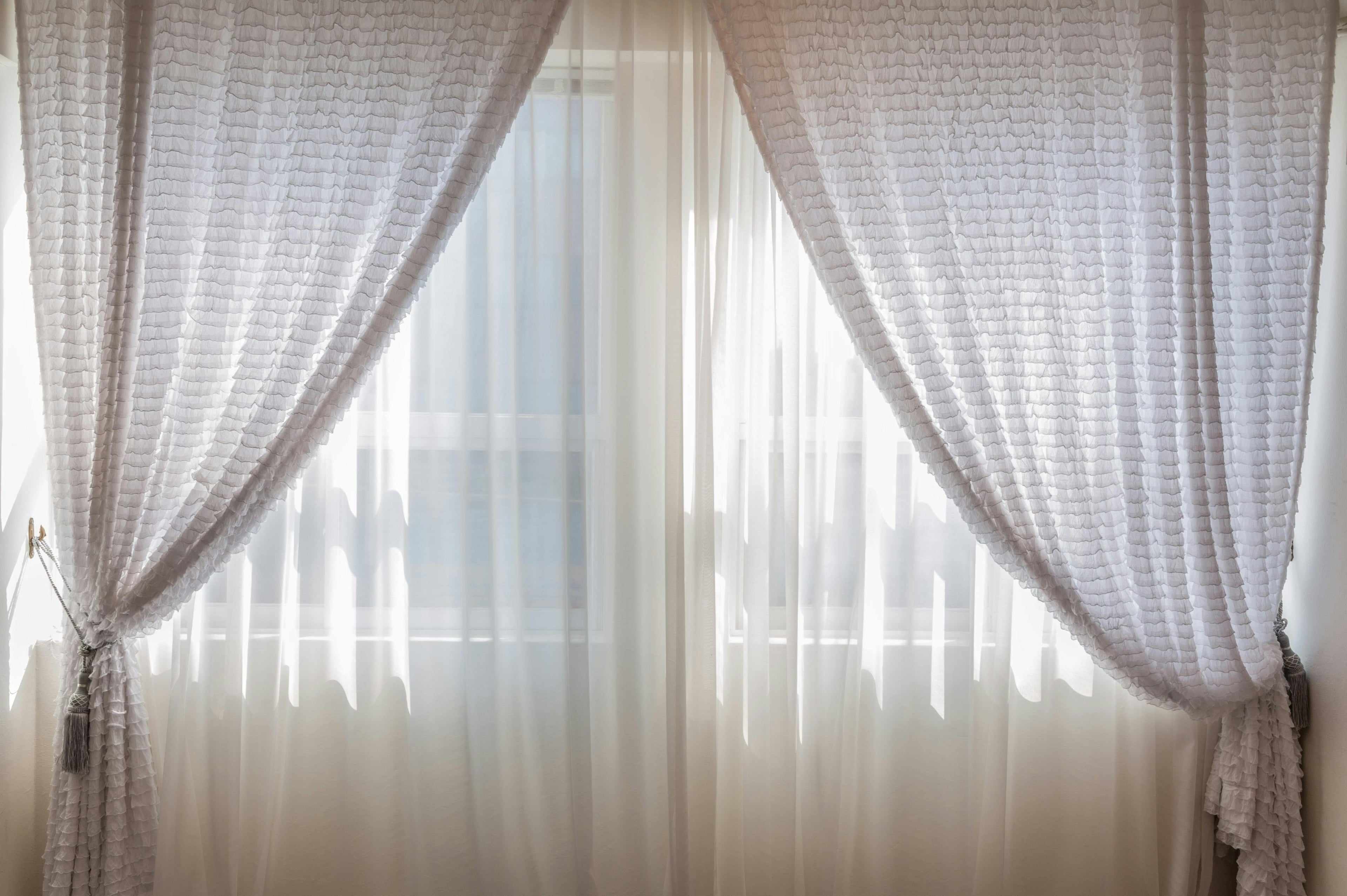
For a soft ambiance, sheer curtains or linen curtains diffuse a soothing light. Finally, anti-glare or tinted adhesive films, applied directly to the glazing, are a discreet and modern solution to reduce glare and heat without sacrificing the view. For larger budgets, solar control glazing (low-emissivity double glazing) is ideal.
Home automation also comes into play: connected blinds (like those from Somfy or Ikea) can be programmed to rise/lower at specific times or controlled by voice, offering optimal light comfort without work interruptions.
Choosing Furniture Suitable for an Office Window
The shape, size, and color of your desk are crucial for harmonizing the whole and ensuring perfect ergonomics. The furniture must adapt to the window, not the other way around.
A corner desk can be a clever solution to fit the window recess and maximize the work surface while benefiting from side light. Desks with light tops (white, natural oak) reflect light and keep the space airy, ideal for small rooms.
Conversely, a dark wood top (walnut, smoked oak) will create an elegant, grounded contrast, perfect for an industrial or contemporary style. Consider desks with a sliding keyboard tray: they allow you to move the desk closer to the window without hindering the opening of the casements. Height-adjustable desks (sit-stand) are also an excellent option for varying postures while enjoying the view.
The choice of chair is equally important: opt for a model with a low or transparent back so as not to visually obstruct the window when you are not sitting.
Decoration Around: Creating an Inspiring Ecosystem
The immediate environment of your office window should be carefully curated to amplify the feeling of well-being and stimulate creativity. It's about creating a harmonious microcosm.
The Plant Kingdom: Embracing Biophilia
Plants are the natural allies of a desk by the window. On the sill, favor succulents (jade plant, aloe vera) for south-facing exposures, or ferns and pothos for north-facing ones. A large floor plant (monstera, fiddle leaf fig, dwarf palm) next to the desk creates a very trendy urban jungle ambiance and improves air quality. Also consider miniature hydroponic indoor gardens, which are aesthetic and easy to maintain.
Smart and Aesthetic Storage
Avoid cluttering the windowsill. Opt for floating shelves installed on adjacent walls or a low cabinet placed under the window to store books and files without blocking the light. Wicker baskets or storage add a natural texture. Ceiling rail systems with panels or hanging storage allow for vertical storage without touching the side walls.
The Art of Framing and Accessories
The window itself becomes a living picture. Choose blind trims and curtain handles that echo your desk's style (matte black for an industrial look, brass for a retro touch, raw wood for a Scandinavian spirit). Add a minimalist decorative object on the sill: a stone, an abstract sculpture, a scented candle for evenings. The idea is to complement, not clutter.
Tackling the Challenges of Small Rooms and Unattractive Views
No beautiful panoramic view? The window faces a wall? The space is tiny? Creative and decorative solutions exist to transform these constraints into assets.
To mask an unpleasant view, use decorative adhesive films (geometric patterns, frosted glass effect, sandblasted effect) that let light through but blur outlines. An exterior planter with climbing plants (ivy, star jasmine, hops) can also create a living, changing green screen throughout the seasons. Indoors, a large curtain in light fabric, drawn to the side, can divert attention.
In a small room, a narrow console desk (40-50 cm deep), fixed directly under the window or on an adjacent wall, frees up floor space. Use a mirror on the wall opposite the window to double the perception of light and space. Light colors on the walls and a floor with planks laid lengthwise also visually enlarge the room.
For a very small window (skylight, roof window), treat it like a painting. Paint the inside of the recess a bright or dark color to create a sense of depth and framing. Concentrate lighting around it to stage it.
Current Trends: The Desk-Window as a Lifestyle Stage
The trend is towards personalization and multifunctionality. The fitted windowsill as an integrated desk is a highly sought-after custom solution, especially in guest rooms or studios. It involves a top that extends the windowsill, creating a niche, cozy, and ultra-functional workstation, often accompanied by integrated storage on the sides.
Natural and sustainable materials (cork for bulletin boards, linen for textiles, rattan for baskets, local solid wood) dominate to create a strong, authentic connection with the outdoors. The color palette is directly inspired by nature: sage greens (Hooker's green, celadon green), earth tones (ochre, sienna, terracotta), and gray-blues (slate blue, Payne's gray).
Technology also makes its mark with connected blinds that automatically adjust based on sunlight, for optimal light comfort throughout the day. Finally, the concept of the home "landscape office" is emerging, where the workstation is not fixed but can move around the room according to light and mood, thanks to lightweight, mobile furniture.
Ergonomics and Health: Beyond Aesthetics
A desk well-placed in relation to a window must also respect the basic rules of ergonomics to prevent musculoskeletal disorders. The height of the desk top should allow your forearms to be horizontal. The screen should be at arm's length, with the top of the screen at or slightly below eye level.
Managing light contrast is paramount: avoid having a very bright screen in a dark room, or vice versa. Natural light should be supplemented by directional task lighting (articulated desk lamp) to illuminate documents without creating reflections on the screen. Also consider air quality: a window that opens allows for regular ventilation, essential for renewing the air and maintaining alertness.
Inspirations by Decor Style
The way to highlight a window in an office varies greatly depending on your preferred decorative style.
Scandinavian Style: Favor a light wood desk (beech, raw oak), white slatted blinds, or white linen curtains. The window is stripped back, letting in maximum light. Add a green plant and an iconic design chair (like a bentwood chair).
Industrial Style: Leave the window in its raw state (metal, exposed brick). A desk with a reclaimed wood top and metal legs is a must. Black metal blinds or thick gray canvas curtains complete the picture. Lighting is provided by clamp lamps or track spotlights.
Japandi Style (Japanese-Scandinavian hybrid): Seek balance and serenity. A low desk, with clean lines, placed perpendicular to the window. Blinds in natural fibers (bamboo, rush) filter the light. The decoration is minimalist: a single plant (a bonsai or a single stem), a handmade ceramic vase on the sill.
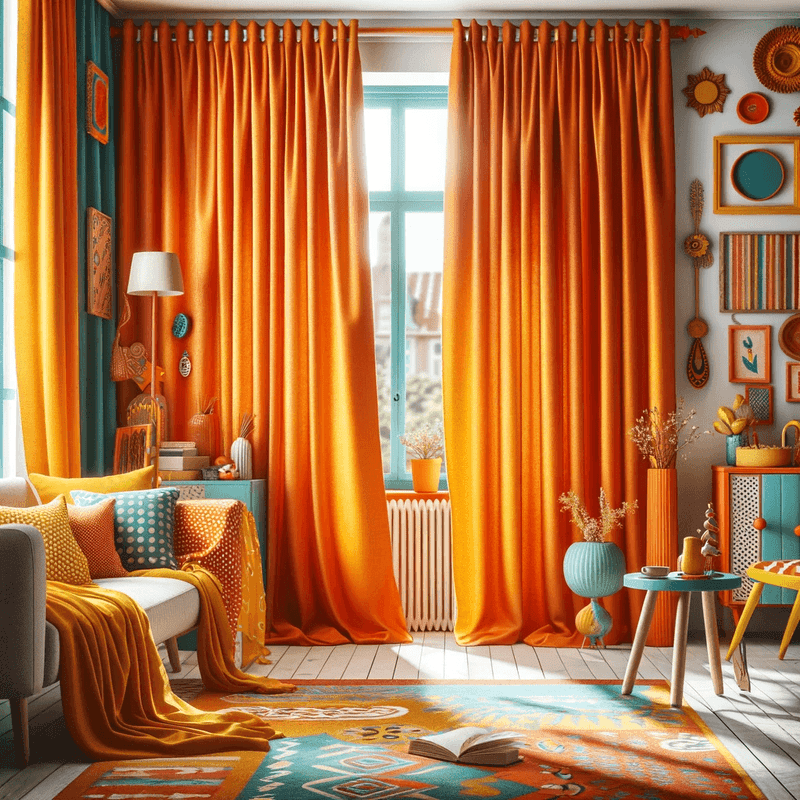
Bohemian Style: Here, the window is dressed generously: ethnic print curtains, macramés, hanging plant garlands. The desk could be a vintage secretary or a carved wooden table. Accumulating inspiring objects (books, notebooks, stones) on the desk is the norm.
FAQ: Your Questions About the Desk and Window
My screen always has reflections facing the window, what should I do?
This is the most common problem. Several solutions: move your desk to a side position relative to the window, install adjustable slatted blinds to direct light towards the ceiling, or invest in an anti-glare screen filter. Also avoid having a dark wall facing you, which increases contrast. Fine-tuning your screen's brightness and contrast can also mitigate the issue.
I don't have a window in my office room, can I create the illusion?
Absolutely. The trick lies in lighting and decoration. Install a large daylight lamp (6500K) behind your screen to simulate a front light source. Hang a large mirror facing your seat to enlarge the space. Use wallpaper or a painting with a landscape or forest perspective to create a visual fake window. Ambient LED screens (like those from Philips Hue) that project changing light mimicking the day cycle are also an effective high-tech solution.
What wall color should I choose for an office room with a large window?
With plenty of light, you have complete freedom. Light tones (off-white, very pale gray, glacier blue) will accentuate brightness and a clean feel. Bolder colors (teal, deep green, ochre) will create an intense, focused cocoon, ideal for creative work. Keep adjacent walls more neutral to avoid competing with the view. For a dramatic effect, you can even paint the window recess a contrasting color.
How do I organize cables with a desk placed under the window?
Cable management is essential to avoid spoiling the view. Use a desk top with an integrated cable grommet at the back. Attach cable sleeves or bundling tubes along the desk leg. For an ultra-discreet solution, consider installing a wall outlet and a connection bay directly on the wall under the desk top, to avoid hanging wires. Adhesive cable management boxes to stick under the desk top are also very effective.
Is it ergonomic to work with my back to the window?
Generally, no. In addition to reflections on the screen, this position creates a significant contrast between your dark silhouette and the bright window, which can be tiring for the eyes of someone on a video call. If this is your only option, equip the window with a blackout blind that you lower during calls, and use a front-facing accent light (ring light or softbox) to illuminate you evenly and balance the brightness.
What type of supplementary artificial lighting should I choose?
Even with a nice window, artificial lighting is necessary in the evening or on gray days. Opt for a three-level system: soft general lighting (indirect light ceiling fixture), focused task lighting (articulated desk lamp with a neutral to cool color temperature, 4000K-5000K, for concentration), and ambient lighting (a small warm light lamp, 2700K, for relaxation moments). Favor quality LEDs for accurate color rendering (CRI > 90).
Conclusion: Making Your Window the Beating Heart of Your Office
Highlighting a window in an office is much more than a simple decoration trick. It is a layout philosophy that places your well-being and efficiency at the center of the project. By understanding orientation, choosing the right configuration, mastering light, and dressing the space with intention, you transform an architectural constraint into a major asset. Your desk ceases to be just a piece of furniture and becomes a living, creative, and rejuvenating space, connected to the natural rhythm of the day. Whether you opt for a custom integrated desk, an ergonomic side placement, or a mobile solution, the goal remains the same: to create a personal sanctuary where productivity and serenity coexist. To discover more inspiration and practical guides for furnishing every corner of your home, feel free to explore the other articles on Ombre Intérieur. Need practical advice? Read how to choose a modular bookshelf for the office. Find our entire decor universe at Ombre Interieur.
