















How to Furnish a Baby’s Room: Complete Guide 2026
Preparing for a baby's arrival is a magical time, filled with emotions and gentle anticipation. Among the most exciting projects, creating their cozy nest—their nursery—takes center stage. But faced with an empty room, one essential question arises: how to furnish a baby's room in a way that is both aesthetic, functional, and safe? It's not simply about buying a crib and a dresser, but about designing an evolving space that will accompany your child's first years, respecting strict safety standards while reflecting your world. This article is your complete guide to navigating this exciting project. We will cover essential furniture, current trends in baby decor, absolute safety rules to know, and tips for optimizing space and creating a calming atmosphere. From sensory awakening to peaceful sleep, every detail matters to make this room a true cocoon of love.
The Fundamentals: The List of Essential Furniture for a Baby's Room
Before getting carried away by decor, it is crucial to establish the functional foundations. The furniture in a baby's room must meet specific needs: sleep, diaper changing, storage, and playtime. Here are the key pieces to absolutely consider when planning how to furnish your baby's room.
The Crib: Heart of the Cocoon, Choice and Safety
The crib is the most important element. For the first few months, a bassinet or a crib meeting strict standards (NF EN 716) is essential. The bars must be spaced 4.5 to 6.5 cm apart to prevent the baby's head from getting stuck. A firm mattress, perfectly fitted to the crib's dimensions (no more than 2 cm gap on the sides), is a non-negotiable safety requirement. Avoid thick crib bumpers, duvets, and pillows until at least 18 months to prevent suffocation risks. The trend is towards convertible cribs, which transform into a toddler bed, offering excellent longevity.
The Changing Table: An Ergonomic Workstation
You will spend considerable time here! A stable changing table, with raised edges and a dedicated changing surface, is essential. Ideally, choose one at a comfortable height for your back. Many models include practical storage for diapers, wipes, and care products, keeping everything within safe reach. Once the diaper-changing phase is over, it can often be converted into a classic dresser.
The Wardrobe or Dresser: Strategic Storage
Baby clothes, though small, are numerous! A spacious dresser with deep drawers is often more practical than a wardrobe, as it allows for visual and accessible storage. Remember to securely anchor it to the wall to prevent any tipping risk. Drawer dividers will help you organize bodysuits, pajamas, and socks by size. A wardrobe, if space allows, is a long-term solution for dresses, coats, and clothes for years to come.
The Armchair or Rocking Chair: Comfort for Nights and Feedings
A comfortable seat is a valuable investment for restless nights, breastfeeding, or bottle-feeding in peace. A rocking chair or a chaise lounge with padded armrests will quickly become your ally. Place it near a soft light source and plan a small side table for a glass of water, a bedside lamp, or your phone.
Absolute Priority: Safety Rules to Integrate from the Start
Knowing how to furnish a baby's room begins and ends with safety. This space must be a safe sanctuary. Here are the essential vigilance points.
Anchoring furniture to the wall is rule number one. Dressers, wardrobes, shelves—any furniture that could tip over must be securely fastened using straps or anchor brackets. The risks of tipping are real and serious.
Be careful with electrical cords and outlets. Use outlet covers and hide cords behind furniture or in cord channels. Power strips must be out of reach.
Windows and doors should be equipped with safety devices to prevent a child from opening them. Avoid placing the crib or climbable furniture under a window.
Check that all furniture and decorative items are free of sharp corners, small detachable parts (choking hazard), and made from non-toxic materials (VOC-free paints, preferably solid wood).
Decor Trends 2026: Creating a Soft and Evolving Atmosphere
Baby room decor has radically changed. Gone are the stereotyped gendered themes. Welcome softness, natural materials, and calming atmospheres that promote sleep and development.
Calming Color Palettes
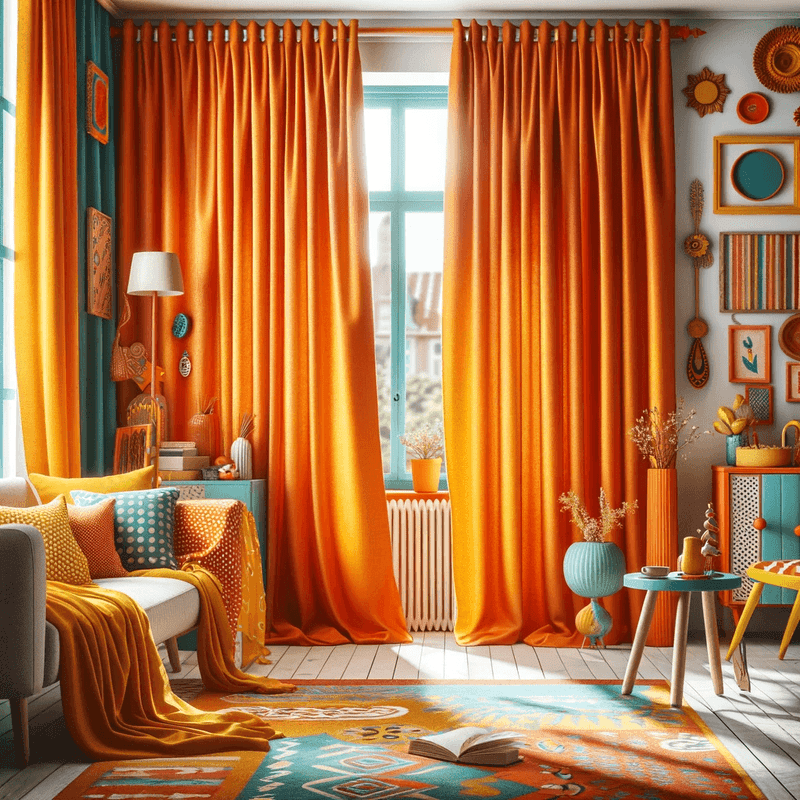
Pastel tones remain safe bets, but they are used in a more nuanced way. Shades of beige, taupe, very soft gray, and off-white create a serene base. Add touches of color through accessories: a soothing sage green, a powder blue, a soft terracotta, or a discreet mustard yellow. The idea is to create a sensory cocoon that does not overstimulate the baby.
Natural Materials and Textures
The connection with nature is a strong trend. Prioritize solid wood (oak, beech, walnut) for furniture, natural fibers like organic cotton, linen, jute, or wool for rugs, curtains, and bedding. A wool or bouclé cotton rug adds softness to the floor for those first rolls. These materials are not only beautiful and durable but also often healthier (fewer chemical emissions).
Discreet and Poetic Themes
Forget cartoon characters on every wall. Opt for evocative and timeless themes: an enchanted forest with stylized trees, a subtle starry sky, soft geometric patterns, woodland animals (foxes, bears, squirrels), or cloud and rain motifs. These decors can be easily achieved with a wall sticker, a painted border, or framed illustrations, and can evolve with the child.
Optimizing Space: Tips for Small Rooms
How to furnish a small baby's room without cluttering it? Optimization is key. The strategy relies on multi-functionality, vertical storage, and visual clarity.
Consider a loft bed or a cabin bed with a play or storage space underneath, for later. A combined dresser-changing table is an obvious space-saver. Use height with sturdy, anchored wall shelves to display books and a few toys.
Under-crib storage (built-in drawers or storage boxes) is valuable. Choose furniture with clean lines and light colors to visually enlarge the space. A safe mirror (plexiglass) reflects light and creates a sense of spaciousness.
Lighting: Creating Soft and Adapted Light
Lighting is crucial for structuring baby's day and creating atmospheres. It should be adjustable and soft.
Plan a main ceiling light with a dimmer for play and tidying up. A nightlight or a very low-intensity bedside lamp is essential for nighttime feedings and reassuring the child without disturbing their sleep. Models with warm, adjustable light are perfect.
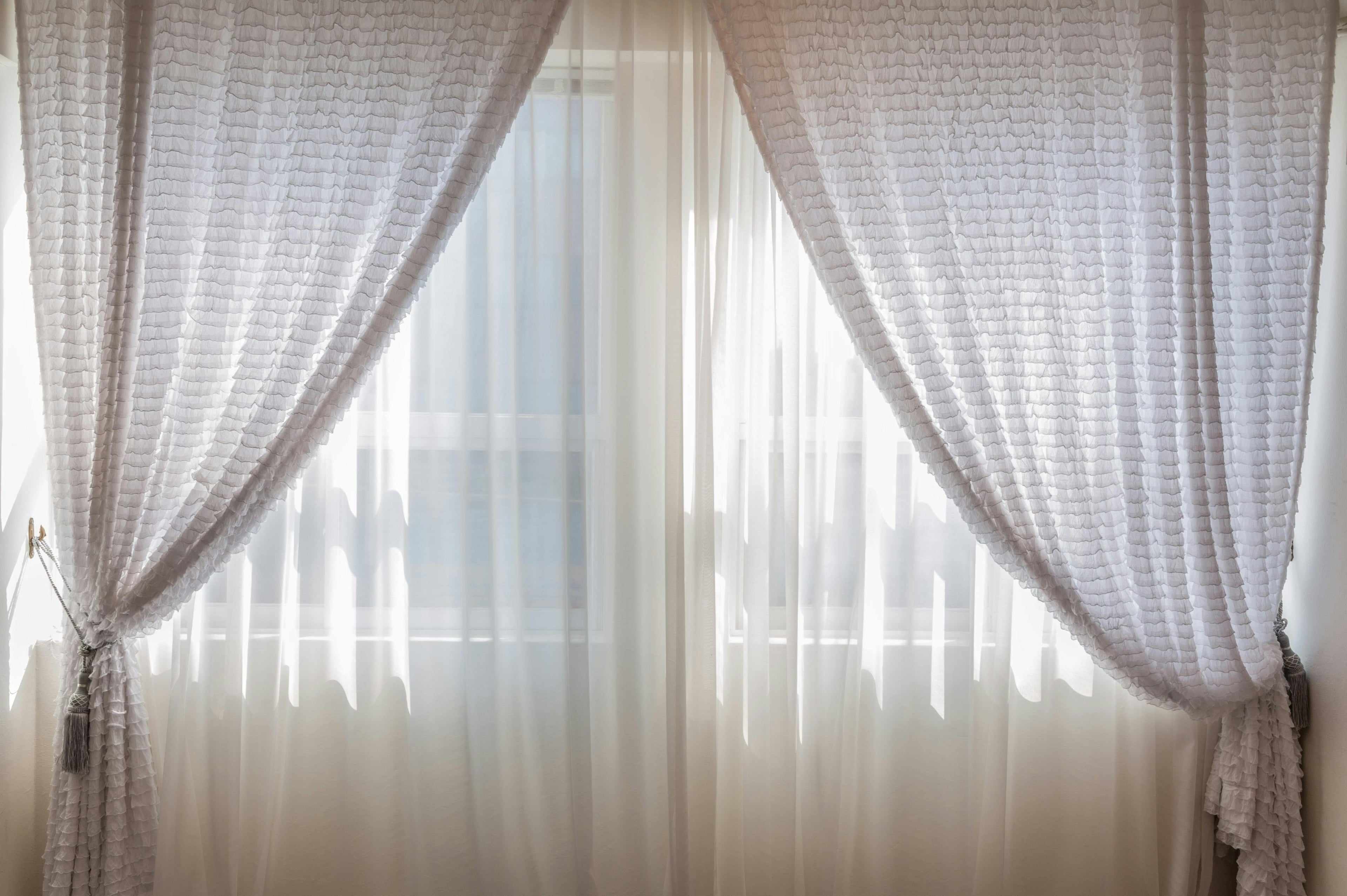
Finally, make the most of natural light. Curtains or blinds in lightweight fabric (linen, voile) allow you to soften the sun during nap time while maintaining a pleasant brightness.
Choosing Convertible and Durable Furniture: A Smart Investment
Given a child's rapid growth, the most reasonable and eco-friendly approach is to invest in furniture that grows with them. This perfectly answers the question of how to furnish a baby's room for the years to come.
Many brands now offer convertible cribs that go from a bassinet (60x120 cm) to a baby bed, then to a toddler bed (70x160 cm) by simply changing the sides. Some even transform into a small sofa. A dresser-changing table becomes a classic dresser once the changing tray is removed.
A sturdy coffee table can serve as a toy chest and later as a desk. By choosing pieces with simple, timeless design and quality materials, you build a stable environment and avoid constantly replacing furniture.
Decorative and Developmental Accessories: The Personal and Sensory Touch
Once the basic furniture is in place, it's time for personalization! Accessories are the way to inject softness, color, and appropriate stimulation.
A comfortable, colorful play mat is essential for motor development. A mobile above the crib or changing area stimulates vision (choose models with soft contrasts for newborns). A few low shelves to display a selection of sturdy board books invite early literacy.
Also consider acoustics: a small thick rug, curtains, and possibly decorative acoustic panels can help absorb noise and create a calmer atmosphere.
FAQ: Your Questions on How to Furnish a Baby's Room
What is the average budget for furnishing a baby's room?
The budget can vary considerably (from €800 to €3000 or more) depending on whether you choose new, second-hand, or high-end convertible furniture. Prioritize safety and sleep items (crib, mattress) and the changing table. The rest can be added gradually. Second-hand items, checked and up to standard, are an excellent option for saving money.
Is a changing table absolutely necessary?
No, it's not mandatory, but it offers appreciated comfort and safety. The alternative is to use the changing surface of a dresser, provided it is wide enough, stable, and you have storage within reach so you never leave the baby unattended, even for a second.
Can we prepare the nursery before birth if we don't know the sex?
Absolutely, and it's even becoming more common! Neutral color palettes (beige, gray, sage green, terracotta, soft yellow) and natural or abstract themes are perfect for creating a beautiful cocoon without resorting to pink/blue stereotypes. You can always add more gendered touches later if you wish, through accessories.
How to ensure good air quality in the baby's room?
Choose furniture made from untreated solid wood or with natural finishes (oil, wax), VOC-free (Volatile Organic Compounds) wall paints, and textiles (curtains, rugs, bedding) made from natural fibers. Air out the room daily, even in winter, for at least 10 minutes. Avoid air fresheners and chemical deodorizers.
When should we transition from bassinet to crib?
The transition usually occurs when the baby starts rolling over, sitting up, or when their head exceeds the edge of the bassinet, often between 4 and 6 months. Always follow the manufacturer's recommendations regarding maximum weight and size. Safety is paramount.
Conclusion: A Project of Love and Foresight
Deciding how to furnish a baby's room is much more than a simple stylistic exercise. It is a project that blends anticipation, love, and pragmatism. By starting with safety and functional fundamentals, choosing quality convertible furniture, and creating a soft atmosphere with natural materials and calming colors, you build a space that will welcome your child's first dreams and adapt to their discoveries. Remember, this room is above all a cocoon, a refuge. It doesn't need to be perfect, but it must be safe, warm, and filled with your care. To continue finding inspiration and expert advice for every room in your home, feel free to explore the other articles and complete guides available on ombreinterieur.fr. To go further, try Sheer Curtains for Baby's Room in your space. Need practical advice? Read how to choose the right candle for the bedroom. Browse our online store to see all our collections.
