














How to Furnish Your Entryway
The entrance is much more than just a passageway. It is the first impression of your home, the gateway that welcomes your guests and yourself every day. Furnishing your entrance in a functional and aesthetic way is therefore an exciting challenge, often complicated by limited space or unusual layouts. A well-thought-out entrance must combine practicality for storing daily items with elegance to reflect your style. This space, sometimes overlooked, deserves special attention, as it sets the tone for your entire home. Together, we will explore the keys to successfully designing your hallway, from clever solutions for small spaces to the latest decor trends, including the crucial choice of furniture and lighting.
Space Analysis: The Essential Starting Point
Before buying the first piece of furniture you see, take the time to analyze your space. This step is crucial to avoid costly mistakes and ill-suited furniture. Start by precisely measuring the length, width, and ceiling height of your entrance. Also note the location of doors, switches, electrical outlets, and radiators.
Observe the natural flow of traffic. How do you enter and exit? Where do you instinctively place your keys, bag, or coat? Identifying these patterns will help you position storage elements in the right places. Finally, assess the lighting. A dark entrance will need light-colored solutions and generous lighting, while a sun-drenched entrance can afford bolder colors.
The Different Types of Entrances
Not all entrances are alike. We generally distinguish the hallway entrance, long and narrow, which requires linear and vertical solutions. The square or rectangular entrance, more spacious, offers more freedom to create a true composition. Finally, the open entrance, integrated into the living room or kitchen, requires defining the space with visual tricks, such as a change in flooring or a bookcase that acts as a divider.
Essential Furniture for a Functional Entrance
Entrance furniture must meet specific needs: storage, seating, display. Here are the key pieces to consider.
The Console Table, the Centerpiece
The console table is the focal point of the entrance. It serves as a surface for placing mail, keys, and can accommodate a lamp or vase. For small spaces, opt for a narrow console (30 to 40 cm deep) but long. Models with drawers or a lower shelf add functionality. The current trend leans towards natural materials like solid oak or walnut, but also towards bold designs with curved shapes and sculptural legs.
Shoe Storage and Coat Rack
Shoe storage is essential for keeping an entrance tidy. A storage bench combines seating and storage, ideal for families. An open shelf with cubbies allows quick access but requires discipline. For coats and bags, a wall-mounted or freestanding coat rack is a classic solution. Designer models with wooden or raw metal hooks add a decorative touch. For discreet storage, opt for an integrated wardrobe or a closed entrance cabinet.
The Mirror, a Valuable Ally
A mirror in the entrance is both practical and strategic. It allows a final check before leaving and, above all, reflects light, visually enlarging the space. A large mirror placed above the console is a timeless classic. Round or oval shapes soften the angles of a hallway entrance. Mirrors with a designer border, in bamboo, brass, or with a molded frame, become true works of art.
Optimizing a Small Entrance: Tips and Ingenious Solutions
A lack of square footage is not a dead end. With the right strategies, a small entrance can become ultra-functional and welcoming.
The key is to think vertically. Utilize ceiling height with high wall shelves to store infrequently used items. A coat rack reaching up to the ceiling maximizes space for jackets. Choose furniture with slim, open legs that allow you to see the floor, creating a sense of lightness. Light-colored furniture, in white, beige, or pale gray, blends into the walls and enlarges the space.
Wall-mounted solutions are your best friends. Hooks, pegs, a narrow shelf fixed to the wall, a frameless mirror: anything that avoids cluttering the floor is beneficial. Finally, a long, narrow rug can guide the eye and visually lengthen a hallway, provided it is not too thick to hinder door opening.
Decor Trends for a Modern and Personal Entrance
The entrance is the perfect place to express your personality and test trends without committing to the entire living room. Here is what's current in entrance decoration.
The Japandi trend, a fusion of Japanese style and Scandinavian design, is perfect for this space. It advocates serenity, natural materials (wood, linen, wicker), clean lines, and a color palette that is neutral and calming. A light oak bench, a rattan basket for shoes, and a raw ceramic vase perfectly embody this ambiance.
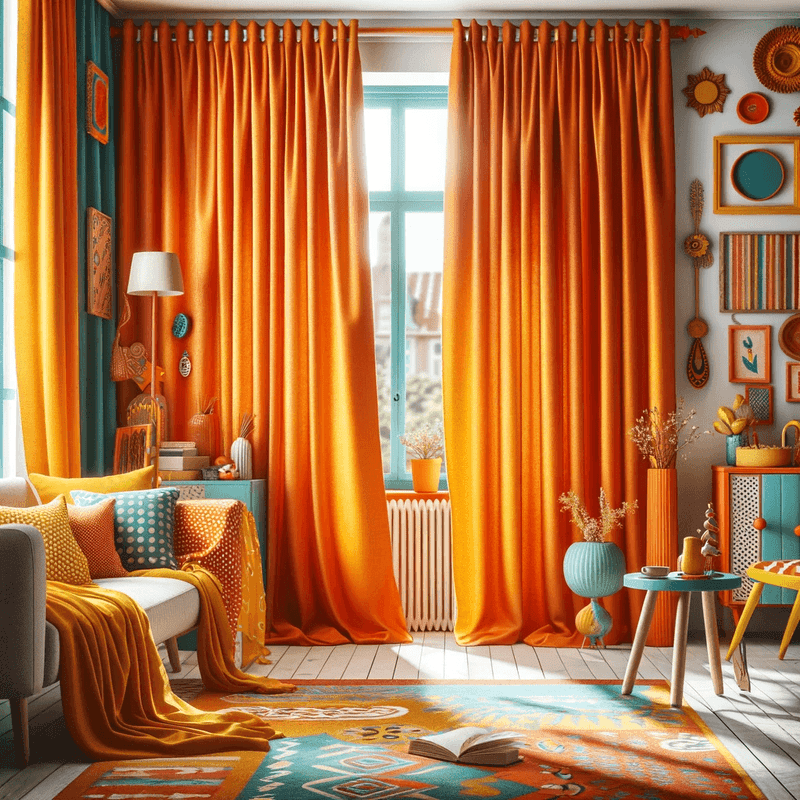
Bold colors are making a comeback, especially on a niche background or a single wall. A deep blue, sage green, or terracotta can create a wow effect without overwhelming the space. Patterned wallpaper, especially vertical stripes that enlarge the room or botanical motifs, is experiencing a strong resurgence of interest for dressing an entrance wall.
Finally, personalization is key. The entrance should tell a story. Hang a gallery of photos or artworks, arrange a collection of found objects (seashells, stones, old keys) on the console, or choose a rug with unique patterns. These singular elements transform the entrance into a true introduction to your world.
Lighting: Creating Ambiance and Enhancing Functionality
Good lighting is the element that transforms a practical entrance into a welcoming space. It must be both functional and atmospheric.
The main source is often a ceiling light or pendant. For low ceilings, a wall sconce or a flush-mount ceiling light is preferable. A designer pendant can become the focal point of a more spacious entrance. Complement with accent lighting, such as a lamp on the console, which emits a warm, localized light, perfect for creating ambiance in the evening.
Directional lighting is also important. A small sconce or adjustable spotlight above the mirror prevents cast shadows when you look at yourself. Also consider lighting for closed storage (cabinets) with motion-sensor LEDs, which is very practical. Current trends lean towards natural materials (paper or fabric lampshades, wooden structures) and organic or geometric shapes.
Choosing Materials and Colors
Materials and colors define the atmosphere of your entrance and should be chosen consistently with the rest of your home.
For materials, wood remains a safe bet, bringing warmth and authenticity. Metal, in the form of black lacquered console legs or brass finishes, adds a contemporary touch. Wickerwork (rattan, willow) in baskets or a mirror bordered with cane webbing brings a natural and textured note that is very trendy. Glass, in a console with a transparent top or shelves, contributes to a feeling of lightness.
For the color palette, neutrals (off-white, light gray, taupe) are reassuring and easy to accessorize. They form a perfect backdrop for colorful accessories. If you love color, use it strategically: on a single wall, on cabinet doors, or through accessories (cushion on a bench, vase, frame). Dark, deep colors, like navy blue or forest green, can create very dramatic and elegant entrances, especially when paired with careful lighting.
Accessorizing Your Entrance: The Finishing Touch
Accessories are the signature of your entrance. They should be both beautiful and useful.
On the console, consider a tray or saucer for keys and change, thus avoiding clutter. A small vase with fresh flowers or a bouquet of dried branches brings life and color. An ambient scent diffuser or a scented candle creates a pleasant welcoming smell. A painting or a series of small frames instantly personalizes the space.
On the floor, a durable rug is essential to protect the floor and define the area. Choose an easy-to-maintain material like sisal, coir, or quality synthetic. A small bench or ottoman can provide extra seating for putting on shoes. Finally, don't forget practical yet aesthetic details: a designer umbrella stand, an elegant ashtray for outdoors if you smoke, or a small courtesy mirror at child height.
FAQ: Most Frequently Asked Questions About Entrance Design
What is the minimum width for a console table in a narrow hallway?
In a narrow hallway, it is crucial to leave a passage of at least 80 cm to 1 meter to move comfortably, especially with coats or bags. Measure the total width of your hallway, subtract 90 cm, and you will get the maximum recommended width for your console. Many models specifically designed for narrow entrances have a depth of only 25 to 30 cm, which is perfect for not encroaching on the walkway.
How to hide shoes in a small entrance without a wardrobe?
Several clever solutions exist. The storage bench is ideal, as it combines seating and closed storage. Baskets or bins made of wicker or fabric stored under a console or open bench allow for discreet and mobile storage. Open shelves with cubbies or individual boxes can be organized aesthetically if shoes are arranged neatly. Finally, a simple low shelf with a curtain drawn in front of it creates concealed storage at a low cost.
What height to hang a mirror in the entrance?
The general rule is to center the mirror at eye level. For practical use, the middle of the mirror should be between 1.60 m and 1.70 m from the floor. If you place the mirror above a console, leave a space of 15 to 30 cm between the top of the furniture and the bottom of the mirror to avoid a cluttered look. For maximum effect, a mirror that extends almost to the ceiling can dramatically enlarge the space.
Can you put a rug in a very small entrance?
Absolutely, and it is even recommended to define the space and add comfort. The key is to choose the right size and shape. In a hallway entrance, a long, narrow rug (runner type) that follows the shape of the room is perfect. It should be wide enough to place both feet on when putting on shoes, but not so wide as to touch the baseboards. Avoid rugs that are too thick or have fringes that could hinder door opening.
How to light an entrance without a window?
An entrance without a window needs generous and warm lighting to avoid a cave-like effect. Combine multiple light sources. A powerful main ceiling light (high-lumen LED in neutral white) is essential. Definitely add an accent lamp on the console (with warm light) to create contrast and softness. A mirror strategically placed opposite a light source will help reflect and diffuse light. Finally, favor light colors on walls and furniture to maximize light reflection.
Conclusion: Your Entrance, a Promise of Comfort and Style
Furnishing your entrance is an exercise in balance between imperative functionality and personal expression. Whether you have a spacious hall or a simple nook, the principles remain the same: analyze the space, choose furniture suited to your daily needs, play with light and color, and never forget the finishing touch that makes this space your own. A successful entrance is not just practical; it welcomes you with a smile when you return and inspires admiration from your guests. It is the prologue to the story your home tells.
Feel free to experiment, mix styles, and adapt these tips to your reality. To discover more inspiration, detailed tutorials, and product selections for furnishing every room in your home, explore without delay the other articles and comprehensive guides available on ombreinterieur.fr. Your interior deserves your full attention, and we are here to support you at every step of its transformation. Fall for Exterior Entrance Door Curtain, a real plus for your interior. Before choosing, browse how to arrange an entrance with a pastel blue wall sconce. Get inspired on our decoration website for your upcoming projects.
