















How to Furnish Your Living Room: Complete Guide 2026
Furnishing your living room is much more than a simple furnishing task; it is the project of bringing the heart of your home to life. This multifunctional space must reflect your personality, welcome moments of family relaxation, impress your guests, and sometimes even serve as an office or playroom. Faced with this multiplicity of roles, the question of how to furnish your living room can seem daunting. Where to start? Which style to adopt? How to optimize space without sacrificing style or comfort? This article is your complete guide to navigating this decorative adventure serenely. We will cover every crucial step, from the foundations of planning to the latest trends, including practical advice on layout and selecting pieces, so you can create a living room that reflects you and brings you together.
The essential phase: reflection and planning before buying
Diving headfirst into buying furniture is the most common mistake. Careful planning is the key to a coherent and functional result. This first step determines the success of your entire project.
Analyze the space and its constraints
Take the time to study your room. Meticulously measure the dimensions (length, width, ceiling height), and note the location of doors, windows, radiators, and electrical outlets. These fixed elements dictate the flow and placement of furniture. Sketch a floor plan by hand or use a free interior planning app to visualize different configurations.
Define uses and priority needs
List all the activities that will take place in your living room. Is it primarily a relaxation space for watching movies with the family? A reception area for dinners with friends? A playroom for the children? Does it need to incorporate a desk area or a library? Prioritize these needs. For a family core, sofa comfort will be paramount. For a keen reader, an optimal armchair and suitable lighting will be essential.
Establish a realistic budget
The budget is the unavoidable framework of your project. Allocate it wisely by prioritizing fundamental, quality pieces, such as the sofa and the main furniture (coffee table, storage), on which you will not compromise. You can then add decorative elements and accessories over time. Also consider mixing new, vintage, or second-hand pieces, an excellent way to infuse character while managing costs.
Choosing your living room style: an identity to assert
Style is the soul of your living room. It guides the choice of furniture, colors, materials, and the overall atmosphere. In 2026, trends favor authenticity and well-being.
The main style families
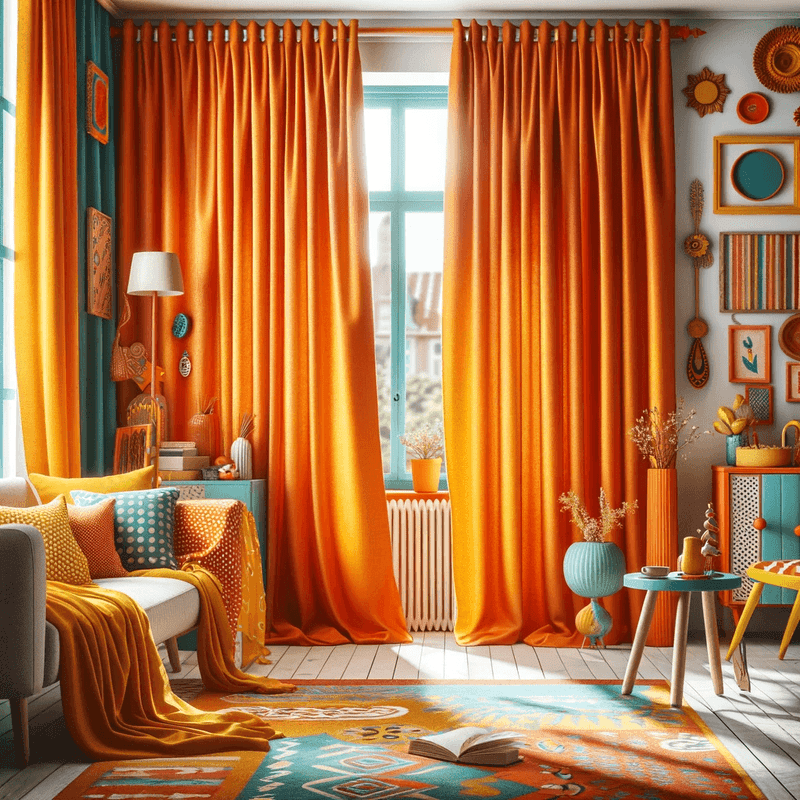
The Scandinavian style remains a pillar, with its brightness, clean lines, light woods, and focus on functionality. The Japanese style (or wabi-sabi) is gaining popularity, celebrating imperfection, natural materials, and serenity. In contrast, the maximalist style or "grandmillennial" embraces bright colors, mixed patterns, and collections of objects, creating a personal and warm interior. The industrial style, with its bricks, metals, and leathers, now coexists with softened versions, blended with softer materials.
The "quiet luxury" trend and the return to natural
Inspired by fashion, the "quiet luxury" trend is investing in the living room. It involves prioritizing intrinsic quality, noble and timeless materials (wool, linen, solid wood, stone), and a clean design rather than ostentation. The emphasis is on touch sensation and durability. Coupled with the search for well-being, biophilic design (integrating nature) is more relevant than ever: generous green plants, materials like rattan or jute, and earth-inspired colors (beiges, muted greens, ochres).
Living room layout: the golden rules of flow and balance
A well-arranged living room is one that breathes and where you feel good. The goal is to create intimate conversation areas while ensuring smooth circulation.
Arrangement around a focal point
Identify the natural focal point of the room: a fireplace, a bay window with a beautiful view, or, more classically, the television. Arrange your main seats (sofa, armchairs) facing this point, forming a "U" or "L" shape to encourage interaction. Avoid pushing all furniture against the walls; bring them closer together to create a friendly conversation bubble.
Respect circulation distances
For comfortable passage, allow a circulation corridor of at least 60 cm between furniture. In front of a coffee table, leave about 30 to 45 cm between the edge of the table and the sofa to be able to put your feet up and access it easily. These measurements are crucial to avoid a feeling of clutter.
Play with volumes and heights
To energize the space, vary the heights. Pair a low sofa with tall shelves or a large floor lamp. A bookcase that goes up to the ceiling draws the eye upward and gives a sense of grandeur. Conversely, low, long furniture, like a console or a bench, can help visually "lengthen" a narrow room.
The sofa, centerpiece: how to make the right choice?
A central investment, the sofa deserves special attention. Its choice influences the rest of the decoration.
Shape and size according to space
For a small living room, a two-seater sofa or a chaise lounge (three-seater sofa with an extended corner) is ideal. In a larger space, a corner sofa (L-shaped) or a modular model offers great seating capacity and optimal comfort. Think about scale: a sofa that is too massive will overwhelm a small room, while a sofa that is too small will look lost in a large volume.
Materials and practicality
Fabric is a crucial choice. Velvet, very trendy, brings softness and color depth but can show marks. Linen and cotton are natural and breathable but wrinkle. Technical fabrics (microfibers, resistant velvets) are perfect for families with children or pets, thanks to their high stain resistance and ease of maintenance. Leather, timeless and durable, ages beautifully but requires a certain budget.
Comfort and seating
Don't just rely on appearance! Sit down for a long time in the store. Test the seat depth (ideally between 60 and 70 cm to be able to curl up), the firmness of the cushions (back and seat), and the height of the armrests. A sofa with removable cushions offers more flexibility for reupholstering and maintenance.
Complete the seating: armchairs, poufs, and benches
Additional seats are allies of flexibility and style. They allow you to accommodate more guests and personalize the space.
One or two contrasting armchairs immediately create a point of interest. Dare a sculptural shape, a patterned fabric, or a strong color. Poufs are multifunctional: stool, footrest, low side table, or extra seat. Models in leather, fabric, or even rattan add texture. A bench, placed against a wall or under a window, is a clever solution to gain seating without visually cluttering, and it often offers valuable built-in storage.
The coffee table and surfaces: between functionality and aesthetics
The coffee table is the practical pivot of the relaxation area. It must be within easy reach from each main seat.
Shape and proportions
In a classic layout with a sofa and two armchairs facing each other, a round or oval coffee table facilitates circulation. Facing a large sofa, a rectangular table or two matching coffee tables bring balance. The trendy trick? Layer a coffee table on a larger rug and add a tray or a small rolling cart nearby for aperitifs.
Materials and current trends
Mixing materials is key. Pair glass (which gives lightness) with solid wood. Travertine and reconstituted stone are very popular for their mineral and natural look. Tables with a raw wood top and metal base embrace the industrial chic style. Don't forget the secondary surfaces: side tables, consoles behind the sofa, or wall shelves are essential for placing lamps, books, and glasses.
Storage and bookshelves: the art of decorative organization
An organized living room is a calming living room. Integrate storage from the design stage to avoid messy accumulation.
Open bookshelves allow you to showcase books, decorative objects, and plants, but require a certain aesthetic order. Models with glass doors protect from dust while displaying your most beautiful items. Sideboards and consoles with drawers are perfect for hiding everyday clutter (remote controls, chargers, games). Also consider built-in storage under windows (window seat) or in alcoves, custom-made to optimize every square centimeter.
Lighting: staging the living room atmosphere
Good lighting is thought of in layers, to adapt to every moment of the day and every mood.
The ambient layer (general)
It diffuses soft, uniform light. Favor a ceiling light with a diffuser, a pendant light with a shaded bulb, or recessed spotlights directed towards the walls for indirect, warm lighting. Avoid neon lights or cool bulbs that give a clinical look.
The functional layer (task)
It illuminates a specific activity. A floor lamp or wall sconce next to the reading armchair is essential. A directional spotlight can illuminate a work of art or a bookcase.
The accent layer (decorative)
This is the magical touch. It creates points of light and intimacy. Use discreet LED string lights on a shelf, candles (or their LED alternatives), or small, low-intensity table lamps. Dimmers are invaluable allies for adjusting light intensity at the turn of a knob.
Textiles and accessories: the finishing touch that makes all the difference
This is where your personality fully expresses itself. Accessories transform a furnished room into a true home.
The rug, foundation of the living area
It anchors the conversation space. Choose a rug large enough for the feet of the main seats to rest on it (at least the front legs). Geometric patterns or fringed rugs bring dynamism, while solid tones or shaggy wool models infuse softness and comfort.
Cushions and throws
Play with textures (linen, velvet, mohair, knit) and patterns (stripes, ethnic motifs, florals) while maintaining a coherent color palette. Three cushions of different sizes on a two-seater sofa is a good base. A wool or cashmere throw draped over an armrest immediately invites relaxation.
Wall art and personal objects
Walls tell your story. Invest in a large painting, a composition of frames in various sizes, or styled wall shelves. Integrate objects that have meaning for you: travel souvenirs, handmade creations, beautifully printed photos. Mirrors, especially if placed facing a light source, enlarge the space and reflect the decoration.
FAQ: The most frequent questions about how to furnish your living room
How to furnish a small living room without cluttering it?
Favor furniture with slim, exposed legs to let light pass through and give an impression of lightness. Opt for multifunctional storage (pouf with storage, coffee table with shelves). Use vertical space with wall shelves and a large mirror. Choose a light, solid color palette to visually enlarge the space.
Should I absolutely follow trends to furnish my living room?
Not at all. Trends are a source of inspiration, but the goal is to create a space that reflects you and where you feel good for years to come. It is better to invest in timeless, good-quality pieces (a beautiful sofa, a solid wood coffee table) and play with trends through accessories (cushions, rugs, wall decor), which are easier and less expensive to change.
How to combine different furniture styles without creating clutter?
The key is to find a common thread. This could be a dominant color (a deep blue present on a modern sofa and a vintage armchair), a recurring material (oak wood on several pieces), or a shape (rounded lines). Balance proportions: a massive antique piece can be counterbalanced by a sofa with very clean lines. Unity is created by the repetition of common elements.
What is the first piece to choose when starting to furnish?
Always start with the most important and most constraining piece in terms of dimensions and style: the sofa. It is generally the most significant purchase and the one around which everything is organized. Once the sofa is chosen, you can select the coffee table, armchairs, and textiles in harmony with it, based on its colors, shape, and ambiance.
How to create a convivial living room for entertaining?
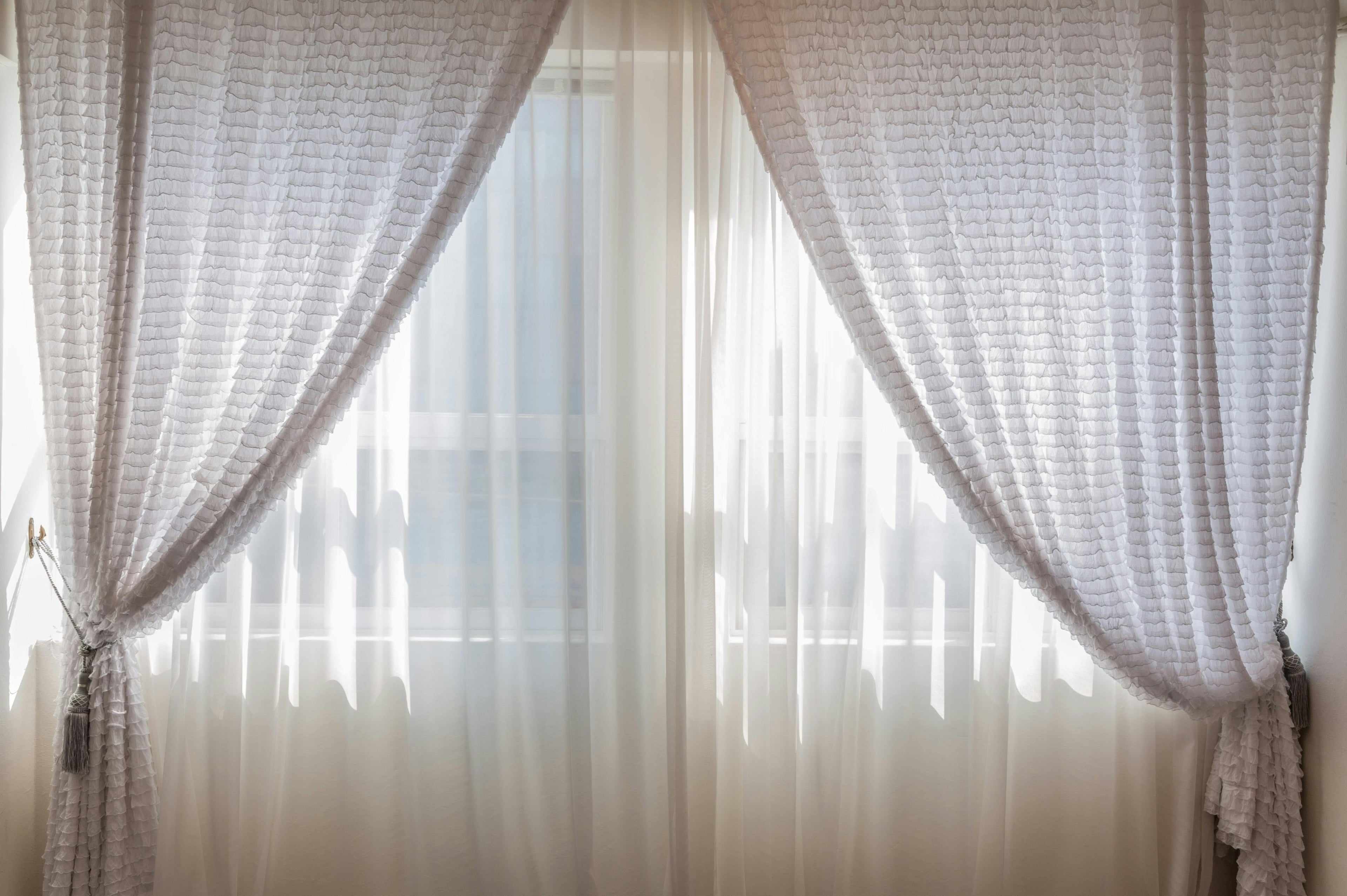
Favor circular or "U" shaped arrangements that allow everyone to see each other and converse easily. Provide lightweight, mobile extra seats (poufs, stools) that you can bring out as needed. Create themed zones: an aperitif area with a rolling cart near the sofa, a more intimate reading corner with an armchair and a lamp. A warm atmosphere also comes from dimmed lighting and soft, welcoming textiles. Discover the product Voilage Fenetre Salon to finalize your decor. Before choosing, browse how to decorate a wabi sabi living room with tv furniture. Browse our online store to see all our collections.
Conclusion: Your living room, an evolving creation
Furnishing your living room is a journey, not a race. It is a space that will live, evolve with you and your habits. The essential thing is to lay solid, functional foundations that suit you. Don't hesitate to take your time, mix eras and influences, and leave room for improvisation and heart choices. The perfect living room is one where you immediately feel good, surrounded by the people and objects you love. To continue finding inspiration and detailed advice on every decorative element, explore the other guides and articles available on ombreinterieur.fr without delay. Your interior deserves your full attention.
```