
















How to Furnish a Studio: Tips and Trends for 2026
Furnishing a studio is an exciting challenge that requires both creativity and strategy. With a surface area often ranging from 20 to 40 square meters, every centimeter counts and each furniture choice has a direct impact on the comfort and functionality of the space. The goal is not simply to pile up furniture, but to create a harmonious, versatile living space perfectly suited to your daily life. Whether you are a student, a young professional, or simply a fan of a minimalist lifestyle, successfully arranging your studio is within everyone's reach, provided you follow a few key principles. In this article, we will explore in detail all the strategies, from current trends to clever solutions, to transform your small space into a cozy, practical, and aesthetic haven.
The Basic Philosophy: Think Optimization and Multifunctionality
Before choosing any furniture, it is crucial to adopt the right mindset. Furnishing a studio is first and foremost a matter of space optimization. It is about maximizing the usefulness of every area without sacrificing the feeling of airiness and freedom. The key lies in multifunctionality: a piece of furniture should rarely be limited to a single function. This approach helps reduce the number of items while increasing the practicality of your interior.
Take the time to analyze your real habits. Do you spend more time working on a computer than watching television? Do you often have friends over for dinner? These questions will determine your priorities. The idea is to identify essential functions (sleeping, eating, working, storing) and find ingenious solutions to integrate them without the space feeling cluttered or disorganized.
The Essential First Step: Planning and Zoning
Never underestimate the power of a plan. Drawing a scale sketch of your studio, even a rough one, is the most important step. Use graph paper or free online planning apps to place your walls, windows, doors, and fixed elements (radiators, columns). This overview will save you from costly mistakes.
Next, proceed with zoning. Even without partitions, you need to define dedicated areas. The current trend favors a soft, visual separation rather than a physical one.
Defining Spaces Without Walls
Several techniques are available to create this delineation. Using a wool carpet or a large rug in the "living room corner" visually anchors the space. A screen, especially if it is openwork or made of cane, can separate the bed from the rest of the studio without blocking light. Open bookshelves or tall bookcases serve as dividers while providing valuable storage. Finally, playing with levels, such as raising the sleeping area with a platform, is a very effective architectural solution for studios with high ceilings.
The Heart of the Studio: Choosing a Suitable Sofa and Bed
The choice of major furniture pieces is decisive. For the living area, the convertible sofa remains a staple, but models have evolved. Prioritize sofa beds with a "click-clack" or "pull-out" mechanism that offer a truly comfortable sleeping surface, and avoid models that are too low, which can be difficult to open daily. A strong trend is the modular L-shaped sofa, where the chaise longue section can be moved to adapt to different configurations.
For the bedroom, the bed is the most bulky element. Solutions are plentiful:
- The mezzanine bed: Ideal for freeing up floor space, it allows you to install a desk, dressing area, or relaxation zone underneath. It requires a ceiling height of at least 2.40 meters.
- The folding bed or Murphy bed: The ultimate space-saving solution. It folds completely into a closet or against the wall, transforming the bedroom into a living room in seconds. Current models are much lighter and easier to maneuver.
- The bed with integrated storage: Storage drawers under the slatted base, or headboards with shelves, maximize otherwise wasted space.
The Art of Smart and Integrated Storage
In a studio, clutter is the number one enemy of space. Well-planned storage is the key to a calming interior. The golden rule is to take advantage of verticality. High wall shelves, reaching up to the ceiling, allow you to store infrequently used items while freeing up the floor.
Invest in storage furniture that fits the dimensions of your studio. Custom-made closets or modular systems like IKEA PAX, designed to fill an entire wall from floor to ceiling, are perfect. They can integrate hanging space, shelves, drawers, and even an area for a sliding desk. Don't forget often overlooked spaces: above doors (magazine rack), under the sink (pull-out drawers), or corners (corner shelves).
Identical, stackable, and labeled storage boxes are your best allies for maintaining order in high cabinets or under the bed.
The Table: Dining, Work, and Socializing
The table is the nerve center of many activities. Here again, multifunctionality is key. Extendable tables are perfect: compact for daily use for one or two place settings, they expand to accommodate guests. Models with sliding extensions or drop-leaf sides are particularly suitable.
A very popular trend in small spaces is the console table fixed to the wall. It folds down when not in use, freeing up valuable passage space. For work, if the dining table also serves as a desk, plan for a discreet extension cord and solutions for quickly storing files (a rolling cabinet under the table).
High stools or stackable chairs, which can be tucked under the table or stored in a closet, perfectly complement this flexible arrangement.
Optimizing the Studio Kitchen and Bathroom
The kitchenette in a studio is often a single line of units along a wall. To make it more functional, think vertically. Install a shelf or magnetic rail above the countertop to hang utensils, spices, and cups. Compact and multifunctional appliances (combination microwave oven, 45 cm mini-dishwasher) are valuable space savers.
In the often-cramped bathroom, prioritize narrow column units, medicine cabinets with integrated storage, and heated towel rails to avoid piling linens on radiators. Using baskets or niches in the shower keeps products within reach without cluttering.
Decorative Tips to Visually Expand the Space
Decoration plays a crucial role in the perception of space. Light and neutral colors (white, beige, very pale gray) on walls and floors reflect light and enlarge the room. You can introduce color and personality through decorative accessories (cushions, throws, artwork), which are easier to change.
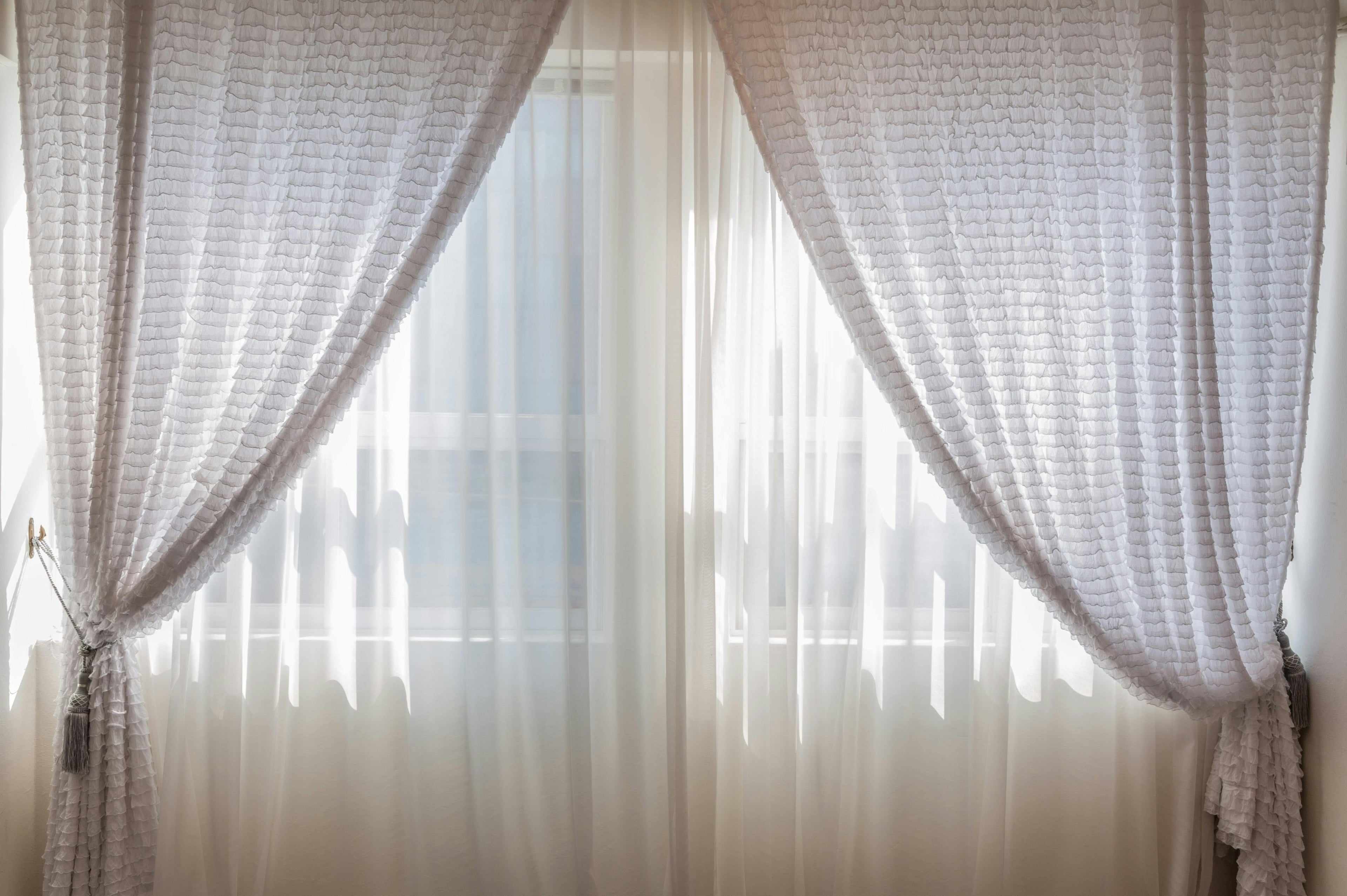
Light is your ally. Multiply light sources (ceiling light, table lamps, reading lamps, string lights) to create a warm atmosphere and avoid dark corners. Large mirrors, strategically placed opposite a window, literally double the light and perspective.
For the floor, choose large tiles or parquet laid diagonally or in a herringbone pattern, which gives an impression of stretching the space. Avoid bulky, opaque furniture; choose models on legs, with airy structures in metal or glass, which allow the eye to pass through.
Current Trends for Styling a Studio
Furnishing a studio does not mean giving up style. Several current trends perfectly embrace the constraints of small spaces. The Japanese style or "Japandi" (a mix of Japanese and Scandinavian) advocates minimalism, natural materials, clean lines, and low furniture, creating a feeling of calm and order.
Modular and evolving furniture is experiencing considerable growth. Brands offer systems of cubes, shelves, and tables that assemble and rearrange according to your needs, providing total flexibility.
Finally, upcycling and DIY allow you to personalize your studio with unique pieces, such as a bookshelf made from wine crates or a pallet coffee table, without investing significant sums.
The Budget: Investing Wisely
Furnishing a studio can be done on any budget. The rule is to invest in pieces that will last and are crucial for comfort: a good slatted base and mattress for the bed, a quality convertible sofa, and efficient storage systems. For the rest, the second-hand market, flea markets, and budget furniture stores are full of finds. Don't hesitate to hunt for chests of drawers, tables, or shelves that you can revamp with paint.
FAQ: Most Frequent Questions About Furnishing a Studio
How to hide the bed in a studio?
Several solutions exist to conceal the bed and preserve the aesthetics of the living space. The folding bed is the most radical. Otherwise, use a decorative screen, a sliding curtain on a ceiling rail, or a bookshelf-divider to mask the bed from the entrance. A bed with a designer headboard and neat bedding can also be embraced as a decorative element in its own right.
What is the best color to enlarge a studio?
Light and cool colors (white, light gray, very pale blue, seafoam green) are most recommended as they reflect light. To avoid a hospital-cube feeling, create subtle contrasts with shades from the same family (off-white on walls, dark gray on an accent wall, light wood on the floor). Avoid dark colors on main walls, but you can use them on a single wall to create depth.
Can you really entertain guests in a studio?
Absolutely. The key is furniture flexibility. With an extendable table, stackable stools, and a comfortable convertible sofa, you can host a dinner for 4 to 6 people without difficulty. Also consider additional seating solutions like poufs, floor cushions for a casual aperitif, or a bench that can slide under the table.
Is a sofa mandatory in a studio?
No, it is not mandatory. If you entertain little or prefer your bed for relaxing, you can opt for a simple comfortable armchair accompanied by two designer chairs. This frees up a lot of space. A trendy alternative is creating a "living room corner" with a large rug, low poufs, and cushions for a lounge and very relaxed atmosphere.
How to manage cables and technology?
Cable management is essential for a clean studio. Use conduits or tubes to group wires behind the TV or desk. Favor flat multi-plugs that can be fixed under furniture. For an integrated solution, consider furniture with built-in cable passages and wall sockets with integrated USB ports, thus limiting the need for bulky power bricks.
Conclusion: Your Studio, a Reflection of Your Ingenuity
Successfully furnishing a studio is an exercise in balance between pragmatism and creativity. By planning carefully, choosing smart and multifunctional furniture, and applying proven decorative tips, you can transform the constraints of a small space into assets to create a unique, ultra-functional, and deeply personal interior. Every choice, from the folding bed to the ceiling-high shelf, contributes to building a space that reflects you and simplifies your daily life. Don't be afraid to experiment and rearrange over time. Your studio is an evolving capsule, ready to adapt to your life. To discover even more inspiration and concrete solutions for optimizing every square meter of your home, explore the many resources available on ombreinterieur.fr without delay. Fall for Larynx Anatomical Poster High Quality Canvas 70x100cm Printed, a real plus for your interior. Before choosing, browse how to integrate frames in a small 40 m studio. Get inspired on our decoration website for your upcoming projects.
