














How to Furnish a 20m2 Studio: Tips and Advice
Furnishing a 20m² studio is an exciting challenge, at the crossroads of creativity and logic. This small space, often synonymous with a first home or urban living, requires careful thought to turn a constraint into an asset. The goal is not simply to pile up furniture, but to create a functional, aesthetic, and rejuvenating living space where every square meter is optimized without sacrificing comfort or style. In this article, we will detail a complete methodology, from current trends to the most ingenious tips, to help you furnish a 20m² studio with intelligence and elegance. We will cover essential planning, space division solutions, strategic furniture choices, storage optimization, and finally, the finishing touches that make all the difference.
The crucial phase: planning before buying
Rushing headlong into buying furniture is the first mistake to avoid. To successfully furnish a small studio, planning is the key step. It will save you unnecessary expenses and irreversible clutter.
Taking measurements and creating a scale plan
Start by meticulously measuring your studio: length, width, ceiling height. Note the exact location of windows, doors, radiators, electrical outlets, and water supply points. With this data, create a scale plan on paper or using dedicated free apps. This overview is essential for visualizing traffic flow and the placement of zones.
Defining living zones (zoning)
In a studio, the functions of "living room," "bedroom," "office," and "kitchen" must coexist. List your daily activities and priorities. Do you need a real dining area? An efficient workspace? A comfortable sofa for entertaining? Mentally, then on the plan, assign a location to each zone. This preliminary thinking guides all furniture choices.
The art of separation without walls
Creating an illusion of separate rooms is key to not living in a single room. Several solutions, more or less permanent, are available to you to delineate space while preserving brightness and the feeling of space.
Lightweight and functional dividers
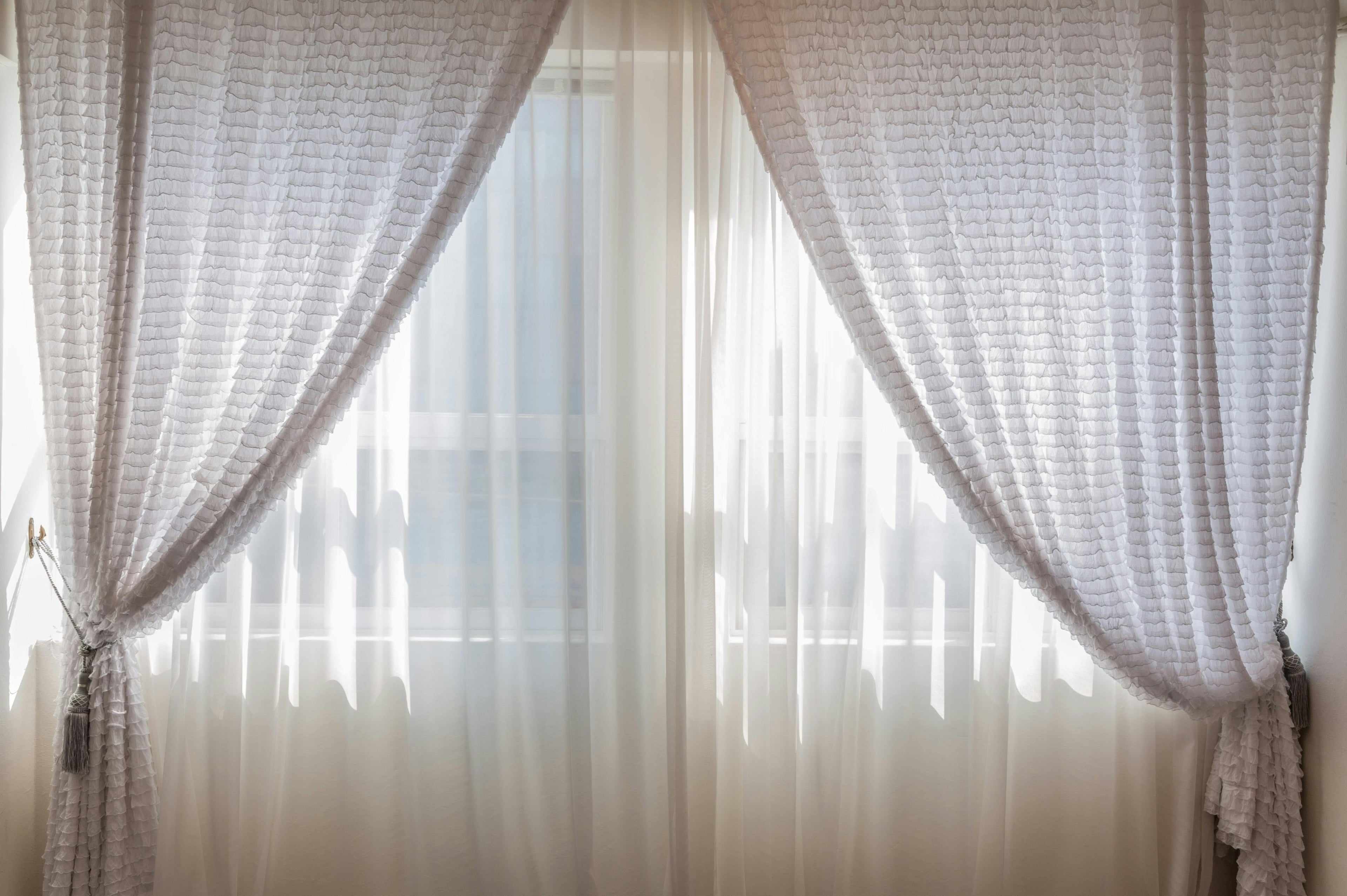
Choose elements that filter the view without completely blocking it. An open shelving unit like a bookcase becomes a design divider that lets light through and offers valuable storage. A screen, very trendy with models in caning, fabric, or perforated metal, allows you to modulate the space throughout the day. Curtains suspended from the ceiling add a touch of softness and privacy in the evening.
The play of levels and materials
Visual differentiation is powerful. Use a large rug to anchor the living area. A change in floor or wall color (with paint or an accent wallpaper) can mark a zone. Play with heights: a raised coffee table, a sofa on slim legs that clears the floor, or even a raised platform for the sleeping area create an interesting spatial dynamic.
Smart furniture: the essential ally for the studio
To furnish a 20m² studio, each piece must justify its presence through its utility, and ideally, its multifunctionality. This is where smart furniture becomes your best ally.
The bed, a centerpiece to choose carefully
The bed is the bulkiest element. Forget massive frames and choose integrated solutions. The mezzanine bed is a great option if ceiling height allows (minimum 3.30m recommended). It frees up considerable space below for an office, dressing area, or living space. Another star of small spaces: the wall bed (or Murphy bed). It folds up completely into a closet or against the wall, transforming the bedroom into a living room in seconds. Finally, a bed with built-in storage (drawers or chests) is a classic that is always effective.
Modular and transformable seating
The sofa is often central. Opt for a convertible sofa without fail. Current models are much more comfortable than before, with simple mechanisms (click-clack, pull-out sofa bed). Some even incorporate storage in the armrests or under the seats. For the dining area, an extendable table or one with leaves is ideal. It stays compact daily and expands to host guests.
Storage optimization: a life discipline
In a studio, visual clutter instantly reduces the perceived space. Optimal and well-thought-out storage is non-negotiable to maintain a serene and functional atmosphere.
Exploiting verticality and dead angles
Walls are your most valuable storage surface. Install shelves from floor to ceiling to create a bookcase or display case. Use the space above doors, the head of the bed, or the kitchen to attach cabinets or high shelves. Corners, often unused, can accommodate triangular shelves or a custom corner unit.
Built-in and custom storage
Investing in custom storage is often the most cost-effective for a studio. A closet/dressing area covering the entire width of a wall, from floor to ceiling, with sliding doors to save space, allows you to store everything in an organized and invisible way. Think of solutions like drawers under the bed, niches in the thickness of a partition, or tall, narrow furniture that fits anywhere.
Optical illusion: expanding space through the senses
Decoration and the choice of finishes have immense power over the perception of space. It's about tricking the eye to create a feeling of spaciousness.
Color and light strategy
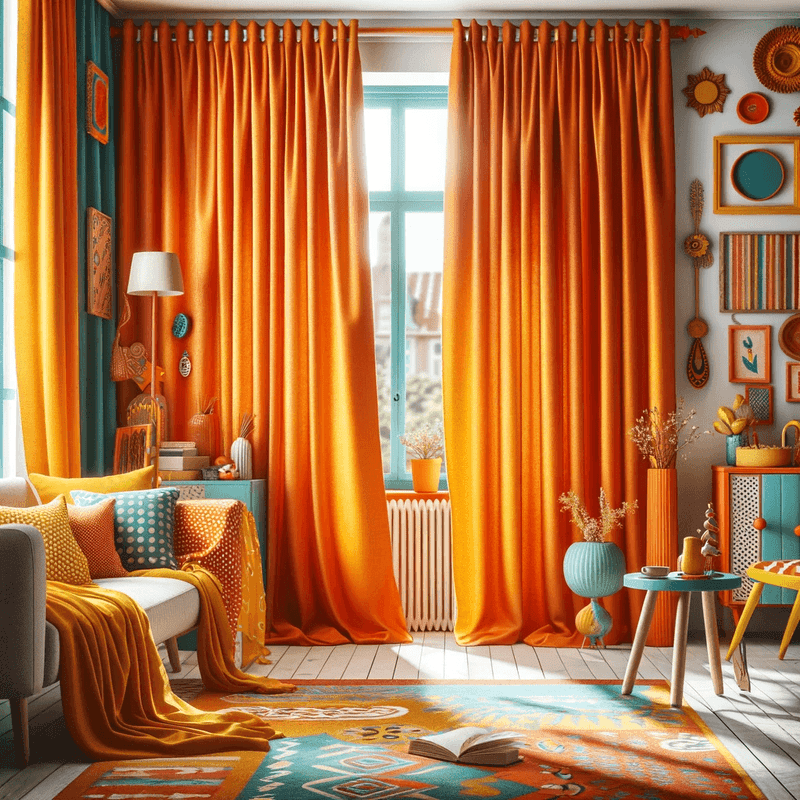
A light and bright palette (white, beige, very pale gray, soft pastels) on walls and large furniture reflects light and visually enlarges the room. You can introduce brighter color accents or textured materials through accessories (cushions, throws, artwork). Lighting is equally crucial: multiply soft light sources (floor lamps, standard lamps, low-hanging pendants) to create warm atmospheres and avoid a single ceiling light, which is often overwhelming.
Reflections and transparency
Large mirrors are the best friends of a small space. Placed strategically opposite a window, they double the light and perspective. Furniture with slim legs, which allows you to see the floor, gives an impression of lightness. Materials like glass (table) or plexiglass (shelves) create transparency and do not disrupt visual continuity.
The kitchen and bathroom: optimizing technical spaces
These areas, often compact in a studio, require special attention to combine ergonomics and aesthetics.
A functional and integrated kitchen
Choose a linear or L-shaped kitchen to save space. Small-sized (compact oven, tabletop refrigerator) or built-in appliances are perfect. Use the space above wall units for additional storage. A countertop that extends can serve as a bar for quick meals. Current trends favor sleek fronts and integrated handles for a clean look that harmonizes with the rest of the studio.
A well-thought-out bathroom or toilet
If your bathroom is tiny, turn to specific solutions: a pedestal or wall-mounted sink, a mirror with built-in storage, a heated towel rail for drying laundry, a narrow drawer unit. The large mirror trick also works here to enlarge the space. Choose large-format tiles and a straight lay for fewer grout lines and more visual fluidity.
Current trends for the modern studio
Furnishing a 20m² studio today does not mean giving up style. Several trends perfectly embrace the constraints of small spaces.
The Japandi style, a fusion of Japanese (minimalism, functionality) and Scandinavian (warmth, natural materials), is ideal. It advocates for simplicity, low furniture, raw materials (wood, linen, wicker), and a calming neutral palette. Sustainable decor and upcycling also have their place: a unique vintage piece adds character without overloading. Finally, connectivity and light home automation (smart lighting, discreet speakers) allow you to gain comfort without physical clutter.
FAQ: Most frequent questions about furnishing a studio
What is the average budget to furnish a 20m² studio?
The budget varies considerably depending on whether you choose new, second-hand, or custom furniture. Starting from scratch, with entry-level and smart furniture, expect between €2,000 and €4,000. A budget of €5,000 to €8,000 allows you to invest in quality, multifunctional, and durable pieces, even some custom work. Prioritize spending: invest more in a good bed and convertible sofa, and save on accessories.
Is a sofa absolutely necessary in such a small space?
No, it is not a requirement. It all depends on your lifestyle. If you entertain little and prioritize the comfort of the bed or an armchair, you can do without one. You can then create a seating area with two lightweight armchairs and a coffee table, or with a large pouf and floor cushions. The space saved is considerable. However, for many, the sofa remains the symbol of the living room; in this case, choosing a convertible is the most rational solution.
How to avoid the "dormitory room" effect?
The key lies in zoning and hiding the bed. During the day, make your bed disappear (wall bed) or transform it into a sofa (with a mattress topper and appropriate cushions). Use a screen or shelf to visually mask it from the entrance. Systematically store the blanket and pillows in a chest. These actions, combined with warm lighting in the "living room" area, completely erase the bedroom atmosphere.
Do plants have a place in a studio?
Absolutely! Plants bring life, color, and well-being. Choose climbing varieties (ivy, pothos) that occupy vertical space, or hanging plants. Plants with fine, airy foliage (ferns, calatheas) create volume without heaviness. They help purify the air and create a natural and calming atmosphere, essential in a confined space.
Can you really host several people in a 20m² studio?
Yes, with impeccable organization. Plan for flexible seating: poufs, floor cushions, stackable stools that you bring out for the occasion. A large coffee table can serve as an impromptu dining table. The trick is to prepare everything in advance (food, drinks) to free up kitchen space. Finally, a successful atmosphere (dim lighting, music) often makes the modest square meters forgettable.
Conclusion: Your studio, a reflection of your ingenuity
Furnishing a 20m² studio is an exercise in style and optimization that, far from being a constraint, can prove extremely rewarding. By applying these principles of planning, multifunctionality, maximum storage, and optical illusion, you will transform your small space into a personal cocoon, perfectly adapted to your life. Remember that the ultimate goal is to create an interior where you feel good, in harmony with your needs and tastes. The adventure is just beginning. To discover more inspiration, tutorials, and ideas on small space decoration, feel free to explore the other articles and complete guides available on ombreinterieur.fr. Discover the product Rideaux Passe Tringle to finalize your decor. For more tips, discover how to furnish a studio with off-white clocks on the blog. Visit ombreinterieur.fr to explore the full catalog.
