














How to Furnish a 25m2 Studio: Complete Guide
Furnishing a 25m² studio is an exciting challenge that requires both creativity and rigor. This compact space, often the first step towards independence, must become a true multifunctional cocoon, combining comfort, aesthetics, and practicality. The goal is not simply to fit everything in, but to create an atmosphere where you feel good, where every square meter is optimized without feeling cramped. With strategic thinking about layout, furniture choices, and visual tricks, transforming this small space into a functional and stylish interior is within everyone's reach. This article guides you step by step, from the fundamental principles of layout to the latest decor trends, to make your studio a unique living space perfectly adapted to your daily life.
The Fundamental Principles for Furnishing a Small Space
Before choosing the first piece of furniture, it is crucial to adopt the right mindset. Furnishing a 25m² studio relies on intangible pillars that will make all the difference between a space that feels imposed upon and one that is mastered. The first golden rule is multifunctionality. Every element, from the sofa to the table, must be able to play several roles. The second is visual flow: avoid obstacles and breaks so that the eye moves freely, creating an impression of space.
Finally, modulation is essential. Your interior must be able to adapt to your activities: entertaining, working, relaxing. This involves thinking in terms of zones rather than closed rooms, and using mobile or transformable furniture. Understanding these principles means laying the foundations for a successful layout where nothing is left to chance.
Analyzing the Space and Defining Living Zones
Take the time to study your studio from every angle. Draw a plan, even a rough one, noting precise measurements, the location of windows, doors, electrical outlets, and radiators. This analysis is key to avoiding costly mistakes. Then, define your priority living zones. In 25m², it is generally necessary to create three main areas.
The sleeping zone, dedicated to sleep and rest. The living zone, which accommodates the living room and often the dining area. And the office or dressing zone, depending on your needs. The trick lies in defining these zones without using physical partitions, which would weigh down the space. This is achieved through the interplay of furniture, rugs, lighting, or color, creating intimate spaces while preserving the unity of the volume.
The Importance of Circulation
Never underestimate traffic paths. Leave at least 60 cm of passage between furniture and walls. Access to windows, the front door, and storage must remain fluid. Obstructed circulation immediately gives a feeling of disorder and clutter, even in an otherwise well-organized space.
Multifunctional Furniture: The Indispensable Ally of the Studio
This is the heart of the strategy for furnishing a 25m² studio intelligently. The market is now full of ingenious solutions that save floor space while offering optimal comfort. Investing in these key pieces is often more cost-effective than buying unsuitable standard furniture.
The bed is the bulkiest element. Opt without hesitation for a loft bed if the ceiling height allows (minimum 2.40m), freeing up all the floor space for an office or living room. Otherwise, a folding bed (wall bed) or a bed with integrated storage (drawers in the base, headboard bookshelf) are winning solutions. For the living room, a quality convertible sofa is a must, serving both as seating during the day and an extra bed.
The table perfectly illustrates the concept of multifunctionality. Choose an extendable table or one with leaves, which transforms from a nightstand or desk into a dining table for 4 people. Fold-down models against the wall (like a "secretary" desk) are also excellent. Finally, think about stackable furniture: a dresser that doubles as a nightstand, shelves above the sofa, an ottoman with a storage chest.
Optimizing Storage from Head to Toe
In a small space, clutter is the number one enemy of serenity. The solution is not to have fewer belongings, but to store them with extreme efficiency. You must exploit all dimensions: height, depth, and even blind spots.
Prioritize built-in and custom storage if your budget allows. They fit perfectly into nooks and can go up to the ceiling, maximizing storage volume. Failing that, tall, narrow bookcases, continuous wall-mounted shelves, and column units are perfect. Use the space under the bed with rolling storage boxes.
For the often compact kitchen, vertical storage is a lifesaver: magnetic spice racks, bars and hooks for utensils, shelves above the countertop. In the entryway, a narrow unit with hooks and a catch-all tray prevents accumulation on chairs. The goal is for every object to have a designated place, invisible in daily life.
The "One In, One Out" Rule
To maintain balance, adopt a strict discipline: for every new item purchased, an old one must leave the studio. This simple rule prevents gradual accumulation and forces you to keep only the essentials and what brings you joy.
Creating the Illusion of Space with Light and Color
Decoration is a powerful tool for visually enlarging a studio. A well-chosen color palette and layered lighting can literally push the walls back. For colors, the base remains light and neutral tones (white, beige, very pale gray, taupe) on walls and large furniture. They reflect light and create a calming, luminous backdrop.
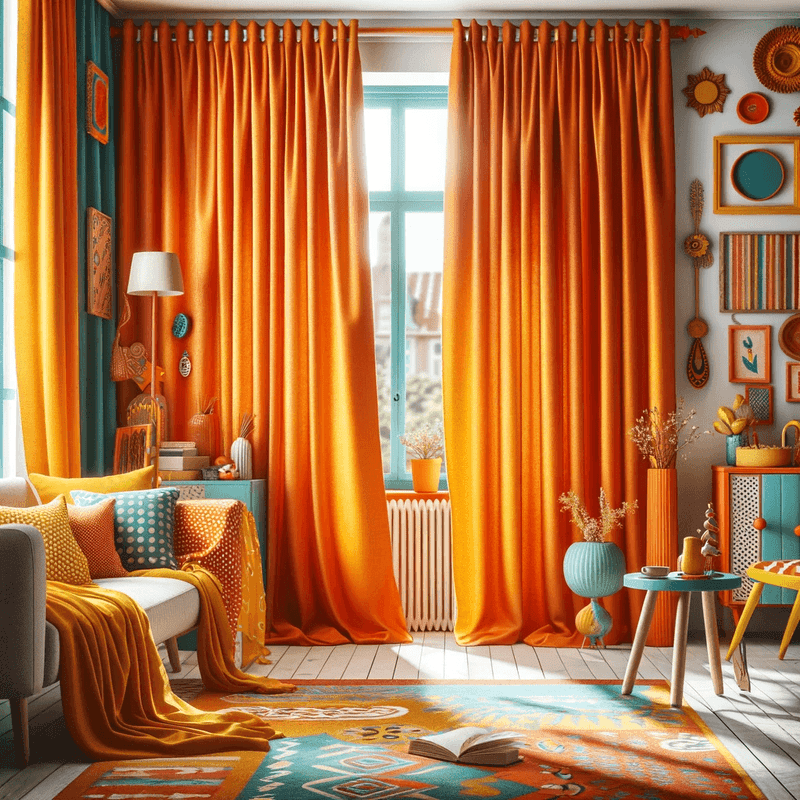
However, current trends advocate for more personality. You can certainly introduce bold colors or patterns strategically: on an accent wall (preferably the farthest from the entrance to draw the eye and deepen the space), on textiles (cushions, throws), or via a piece of art. Shades of deep blue, sage green, or terracotta add warmth without overwhelming the space.
Lighting is equally crucial. Avoid a single central pendant light. Instead, create lighting atmospheres by zone with various sources: directional LED spots or strips for work surfaces, floor lamps for the reading nook, wall sconces on either side of the bed, candles or fairy lights for ambient light. The more light points there are, the larger and more dynamic the space appears.
Choosing Materials and Textures for Depth
In a universe of light colors, materials and textures provide the necessary warmth and character to avoid a cold or clinical feel. It is through them that you will personalize your studio and create a pleasant sensory atmosphere.
Mix materials to create contrast and richness. Combine smooth and rough, matte and glossy. For example, a vinyl floor imitating light oak parquet (natural and warm material), a corduroy velvet sofa (soft and deep texture), a glass or lacquered metal table (reflections and lightness), and accessories in wicker or ceramic (craftsmanship and authenticity).
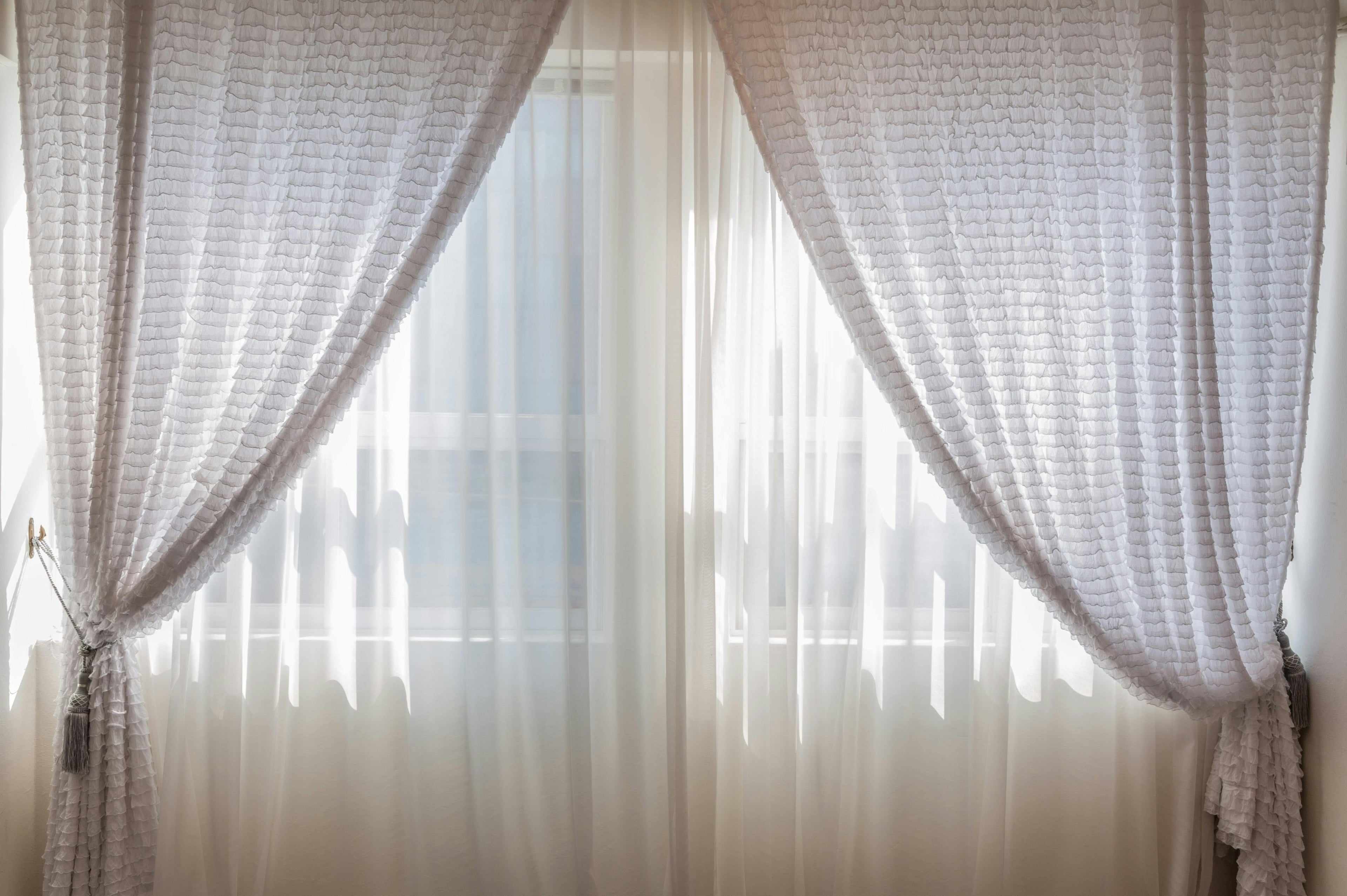
Textiles play a major role. A large rug with subtle patterns can anchor a living zone. Light, fluid curtains, mounted from ceiling height to the floor, draw the eye upward and amplify the ceiling height. Don't hesitate to layer fabrics: linen on the bed, knitted wool on the sofa, light cotton at the windows.
Current Trends for Small Spaces
Studio decor has evolved, moving away from strict and sometimes impersonal minimalism. Today, "cosy minimalism" or "edited maximalism" is favored: a balance between a clean base and strong but controlled personal touches. The trend is towards expressing your personality, even in a small format.
Oversized mirrors are more popular than ever. Placed strategically facing a light source, they double the perspective and flood the room with brightness. Curved shapes, in mirrors, coffee tables, or sofas, soften the angles of a square space and bring organic dynamism.
Greenery is an essential element. Climbing plants (ivy, pothos) or hanging plants create verticality and purify the air. Finally, wall art is used as a focal point. A large artwork or a composition of frames of varying sizes adds scale and style, drawing attention to the art rather than the size of the room.
Mistakes to Absolutely Avoid in a 25m² Studio
Certain seemingly good ideas can quickly make a small space unlivable. The first is trying to divide the space too much with heavy screens, large bookcases acting as walls, or thick separating curtains. This fragments the space and makes it appear even smaller.
Choosing oversized or too much furniture is a classic mistake. A huge L-shaped sofa, a dining table for 6 people, or a massive dresser will immediately saturate the space. Always prefer pieces with adapted seating and proportions.
Neglecting lighting or relying solely on the main ceiling light is another mistake. It creates shadow zones that visually shrink the room. Finally, using colors that are too dark or too numerous on large surfaces can be suffocating if not mastered by a professional.
Example of a Typical Layout for a 25m² Studio
Imagine a rectangular studio with a window on one short side. Here is an optimized layout scenario. Place the sleeping zone in the corner farthest from the front door. A loft bed with a built-in desk and custom wardrobe underneath. This frees up all the remaining space.
Along the adjacent wall, install the living zone with a two-seater convertible sofa, a narrow rectangular coffee table, and a long wall shelf above for books and the TV. Opposite the sofa, a small storage ottoman can be planned.
Near the window, the dining/secondary office zone with an extendable table fixed to the wall, which can be unfolded for meals and folded down to expand the circulation space. The kitchen, usually at the entrance, is equipped with tall storage up to the ceiling and a clear countertop. A large rug under the sofa and coffee table defines the living zone.
FAQ: Your Questions on Furnishing a Studio
What is the minimum budget to properly furnish a 25m² studio?
There is no single answer, but for basic equipment with new multifunctional furniture (folding bed, convertible sofa, table, storage), expect to spend between €2,500 and €4,000. The budget can be reduced by hunting for second-hand bargains, prioritizing gradual furnishing, and making some elements yourself (shelves, customization). Invest first in the major pieces (bed, sofa) and complete over time.
Is a sofa absolutely necessary in such a small space?
No, it is not mandatory. If you entertain little or prefer your bed for relaxing, you can opt for alternatives. A large comfortable armchair accompanied by two "Acapulco" style chairs or a bench with thick cushions can create a cozy relaxation area. The important thing is to have comfortable seating outside the bed to maintain the psychological distinction between the sleeping zone and the living zone.
How to hide the bed during the day in a studio?
Several solutions exist. The folding bed (wall bed) is the most radical, transforming into a closet or bookshelf when raised. Otherwise, you can use a sliding curtain on a ceiling track to visually isolate the bed alcove. Another trick is to choose a bed with a very design headboard and stylish sheets/duvets, so that the bed fully assumes its role as a decorative element during the day, without needing to be hidden.
Can studios accommodate a washing machine?
Yes, absolutely. Many compact models (45 cm wide) or top-loading models exist. They can be integrated under a kitchen countertop, in a fitted bathroom, or even in a hallway dressing area. Washer-dryer combos are an interesting solution to save even more space, although more expensive to purchase.
How to add style without cluttering?
Style comes from details and coherence. Choose a palette of 2-3 colors max and carry them through textiles, accessories, and a piece of art. Prioritize quality over quantity: a beautiful vase, a sculptural lamp, a rug with chosen patterns will have more impact than a multitude of small knick-knacks. Use the walls to express your personality with framed posters or a painting, which doesn't encroach on floor space.
Conclusion: Your Studio, a Work of Personal Optimization
Furnishing a 25m² studio is much more than a logistical exercise; it is an opportunity to design a hyper-functional interior that perfectly reflects your lifestyle and tastes. By applying the principles of multifunctionality, vertical optimization, and visual flow, you transform constraints into creative levers. Don't be afraid to mix practical tips with bold decorative touches. Your small space has the potential to become the coziest, most practical, and most inspiring of refuges. To discover more inspiration, layout plans, and custom decor ideas, explore the other resources available on ombreinterieur.fr, your guide to mastering the art of living in a small space. To go further, try Halloween Pumpkin Printed Linen Table Runner 100% Washable Linen in your room. Our guide how to decorate a country chic style studio with cushions helps you make the right choice. Browse our online store to see all our collections.
