
















How to Furnish a Student Studio: Complete Guide
Furnishing a student studio is much more than just a matter of decoration. It is a real challenge of space optimization, budget management, and functionality, where every square centimeter counts. For many young people, it is their first experience of independence and creating a true home, a sanctuary that must serve as a living, working, and relaxing space. Success relies on a smart strategy that combines layout tips, multifunctional furniture choices, and a touch of personality to make it an inspiring and efficient space. In this comprehensive guide, we will explore all facets of furnishing a student studio, from the fundamentals of planning to the latest decor trends, to help you transform a small space into a practical, comfortable, and stylish interior.
The Basics: Analyzing the Space and Defining Your Needs
Before buying the first piece of furniture, it is crucial to take the time to analyze your studio. This preliminary step is the key to a successful layout and will help avoid costly mistakes.
Start by taking exact measurements of the room, noting the position of doors, windows, electrical outlets, and radiators. Draw a simple scale plan, even by hand. This visualization will allow you to play with furniture arrangement before physically moving it.
Next, list your main activities. An architecture student will need a large work surface, while a literature student will prioritize a spacious bookshelf and a comfortable reading armchair. Define dedicated zones: sleep, work/study, dining, relaxation, and storage. In a studio, these zones overlap, but mentally delimiting them is essential.
Finally, set a realistic budget. Prioritize investments in structural pieces (a good bed, an ergonomic desk) and be clever for the rest by hunting on second-hand marketplaces, in charity shops, or during end-of-university-year sales.
The Golden Rule: Opt for Multifunctional and Adaptable Furniture
In a student studio, every piece of furniture must justify its presence by offering at least two functions. This is the cardinal principle of optimization.
The bed is the bulkiest element. A loft bed frees up considerable space underneath, which can be arranged as a desk, a lounge area with a sofa, or a dressing room. It is the ultimate solution for ceilings of at least 2.40 meters. Another star option: the trundle bed or Murphy bed that folds up into a closet to transform the bedroom into a living room during the day.
The coffee table should be chosen with lift-up tops to become a dining tray, or with built-in storage. The sofa transforms into a guest bed for friends staying over. Stackable stools serve as extra seating and side tables.
Also consider adaptability. Your needs in three years will be different. Prioritize modular furniture, such as cube shelves (like IKEA's Kallax) that can be arranged horizontally or vertically, and serve as room dividers, bookshelves, and storage.
Essentials for the Student Studio
- The desk with built-in shelves: combines work and book storage.
- The storage bench: seating, storage for blankets or sports equipment, and coffee table.
- The rolling tray or wheeled bedside table: serves as a nightstand, a side table for drinks, and is easy to store away.
- Wall shelves: free up floor space and go up to the ceiling for maximum storage.
Optimizing Storage: The Key to a Serene Space
The feeling of being cramped in a small space often comes from clutter. Smart and abundant storage is non-negotiable.
Exploit verticality without moderation. Install shelves up to the ceiling. Use the space above doors and windows to place decorative crates or baskets. Wall-mounted magazine racks and hooks for bags, belts, or scarves are invaluable.
Under the bed is a goldmine of storage space. Opt for a bed base with built-in drawers or flat storage boxes on wheels that slide easily. Choose identical boxes for a clean look.
For the kitchen, often reduced to a corner, wall solutions are lifesavers: a rail with hooks for utensils, a cutting board that sits over the sink, magnetic spice pots attached to the fridge. A small two- or three-tier rolling cart serves as extra counter space, storage for provisions, and can be moved wherever needed.
Creating Distinct Zones Without Walls
Delimiting spaces in a single room is essential for well-being and efficiency. This avoids working on your bed or eating at your desk.
Room dividers are your best allies. A large open bookshelf, placed perpendicular to the wall, creates a visual separation between the sleeping area and the living area while remaining airy. A thick curtain or drape suspended from a ceiling rod acoustically and visually isolates the sleeping area for better quality sleep.
The play of floor coverings can also mark a separation. Use a large rug to define the lounge area, another under the desk. Color is another powerful tool: painting one wall an accent color in the work or relaxation zone creates a focal point and distinguishes the area.
Lighting also plays this role. Hang a ceiling light or low-hanging pendant light above the dining table, use a powerful desk lamp for the study area, and soft, diffuse light (fairy lights, floor lamps) for the relaxation corner.
Choosing Personal and Budget-Friendly Decor
Your studio should reflect you. Decor brings the warmth and personality that transforms a functional space into a true home.
Walls are your largest canvas. Opt for framed posters (uniform frames, even simple ones, instantly give a professional look), personal photo galleries, or more original art like colorful vinyl records or embroidered fabrics stretched over frames. DIY (Do It Yourself) is the perfect trend for students: customize old furniture with paint, create a macrame wall hanging, or frame pages from books or sheet music.
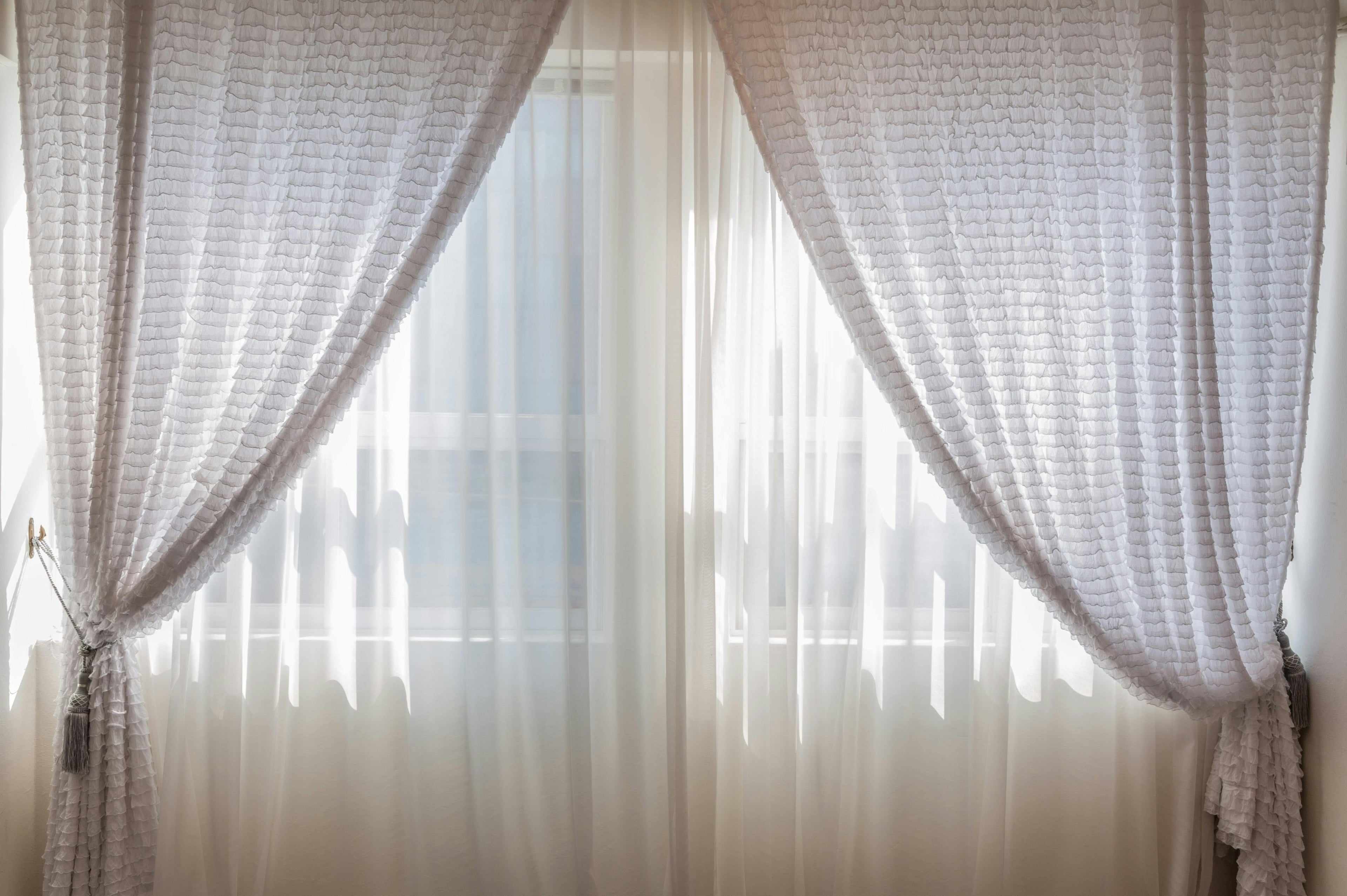
Textiles are an inexpensive and changeable solution. Several cushion covers and throws allow you to change the mood according to the seasons. A beautiful curtain can hide open storage or dress up a charmless window.
Green plants are essential. They purify the air, bring life, and a touch of calm. Prioritize hardy, space-saving varieties like pothos, zamioculcas, or sansevierias, which can be hung to save space.
Current Trends for the Student Studio
Small space decor is evolving. Today, we favor soft atmospheres, natural materials, and ingenious solutions.
The "Japandi" trend, a fusion of Japanese style (minimalist, functional) and Scandinavian (warm, natural), is ideal. It focuses on light wood furniture with clean lines, a neutral color palette (white, beige, light grey) accented with black and touches of green, and maximum natural light. The goal: a clean, zen, and highly organized space.
Transparent and reflective materials are popular for visually enlarging the space. A glass coffee table, a large mirror (ideally placed facing a window), or acrylic elements (like a ghost chair) create lightness.
Finally, integrated technology is a real plus. Voice-controlled smart lamps, discreet Bluetooth speakers, and organized power strips and charging cables (thanks to storage boxes) help keep the space neat and modern.
Lighting and Atmosphere: Playing with Light
Good lighting is the magic that transforms a studio. Avoid the single central ceiling bulb, which flattens the space and creates shadows.
Adopt the principle of three-level lighting. First, general lighting (ceiling light or spots). Second, task lighting, strong and directed, for the desk and kitchen (desk lamp, under-cabinet spot). Finally, ambient lighting, soft and diffuse, for relaxation (fairy lights, LED candles, floor lamps with indirect light).
Dimmable lamps are perfect for adapting the light to the time of day and activity. Don't forget strategically placed mirrors to reflect and diffuse natural or artificial light, doubling its power.
FAQ: Frequently Asked Questions About Furnishing a Student Studio
What is the most important piece of furniture to invest in for a studio?
Without hesitation, a good bed. Sleep quality is crucial for student success and well-being. If space allows, invest in a quality bed of at least 90x200 cm. Otherwise, a good sofa bed or a sturdy loft bed is a smart compromise. The second priority is a desk and ergonomic chair to protect your back during long study sessions.
How can I visually enlarge a very dark studio?
The color palette is your first lever. Paint the walls and ceiling white or in light, warm tones. Use furniture with slim legs and light colors to create lightness. Maximize natural light with sheer curtains and place large mirrors facing light sources. Finally, multiply sources of warm artificial light (color temperature around 2700-3000 Kelvin) at different levels.
Where can I find cheap, quality furniture?
Explore second-hand platforms like Leboncoin, Facebook Marketplace, or student groups in your city. Charity shops and Emmaüs are goldmines for unique pieces. For new items, Swedish brands (IKEA, Mio) and discount stores (Maisons du Monde on sale, Action for accessories) offer affordable solutions. Also consider furniture rental, an increasingly popular and flexible option.
How do I manage cables and outlets in a small space?
The war against cables is essential for a neat interior. Use cable sleeves or tubes to group wires behind the desk or TV. Fix them under furniture with adhesive clips. Opt for flat power strips that can be slid behind furniture and, when possible, choose wireless devices (mouse, keyboard, speakers). A power strip storage box hides everything in an instant.
Can I entertain friends comfortably in a studio?
Absolutely! The key is flexibility. Have lightweight seating (poufs, floor cushions, stackable stools) that you can bring out for the occasion. A lift-top coffee table or a large tray is enough for drinks. Think about quick storage: decorative boxes to toss everything into 5 minutes before guests arrive. The atmosphere is created with music, dim lighting (fairy lights, candles), and conviviality, much more than with square footage.
Conclusion: Your Studio, Your Sanctuary
Furnishing a student studio is a creative and formative adventure. It's about making smart choices, prioritizing your needs, and daring to express your personality. By following these principles of space optimization, multifunctionality, and clever storage, you will succeed in creating an interior that is not just a place to pass through, but a true sanctuary adapted to your life and dreams. Remember that constraints are often the breeding ground for the most ingenious ideas. So, it's your turn! To discover more inspiration and detailed advice on furnishing small spaces, explore without delay the other articles and guides available on ombreinterieur.fr. Fall for White Linen Curtains, a real plus for your interior. Before choosing, browse how to choose the right wall lamp for the studio. Browse our online store to see all our collections.
