















How to Furnish a Studio for Rent: Complete Guide
Furnishing a studio for rental is both an exciting and strategic project. It is not simply about filling a space, but about creating an environment that will instantly appeal to potential tenants, justify the asking rent, and minimize vacancy periods. In an increasingly competitive market, a well-thought-out and aesthetically pleasing studio makes all the difference. This article guides you step by step to transform your studio into a modern, functional, and irresistible little haven, incorporating the latest trends and practical rental market imperatives.
Understanding the psychology of the typical studio tenant
Before choosing the first piece of furniture, it is crucial to identify your target. The studio tenant is often a young professional, a graduate student, or someone on a work relocation. These profiles primarily seek practicality, modernity, and an immediate sense of "home." They are sensitive to aesthetics, connected amenities, and smart solutions that maximize space. Their decision is often made quickly, based on visual appeal during viewings or from online photos. Your layout must therefore speak to this generation: clean, connected, and optimized.
Priority expectations: functionality and emotion
The tenant expects a space where everything is designed to make their life easier. Integrated storage, an ergonomic workspace, and a comfortable sleeping area are must-haves. But beyond function, they seek an atmosphere. A studio that exudes a warm, bright, and stylish ambiance will create a much stronger emotional attachment than a cold, impersonal space. The goal is to make them immediately envision living and thriving in this place.
The golden rule: optimize every square centimeter with multifunctional furniture
In a studio, space is the most precious resource. The era of bulky, single-use furniture is over. To furnish a studio effectively, you must adopt a "multifunctional" mindset. Every element should serve at least two purposes. This approach is not only practical; it is visually soothing as it reduces clutter and creates a sense of space.
- The mezzanine bed or wall bed: Ideal for studios with high ceilings, the mezzanine bed frees up floor space for a real living room or office. For standard ceilings, the wall bed (or Murphy bed) is a revolutionary solution. It folds vertically into a closet or against a wall, transforming the bedroom into a living space in seconds.
- The convertible sofa bed: Choose it carefully. Prioritize models with a "click-clack" or "memory foam" mechanism that offer real sleeping comfort, not just an occasional seat. Versions with integrated storage under the seats are a significant plus.
- The extendable or fold-down table: A fixed 6-person table is unsuitable. Opt for a table with extensions, a fold-down model against the wall, or a drop-leaf table that can serve as a desk during the day and a dining table in the evening.
- Modular storage furniture: Modular shelving, narrow and tall chests of drawers, and low sideboards with numerous drawers allow you to adapt to the studio's layout and evolve with needs.
Defining distinct zones in an open space
Creating a visual and functional separation is essential for well-being. Without walls, you must use studio layout and decoration to delineate areas. This smart zoning gives a clear structure to the home.
Clever separation techniques
Several solutions exist, ranging from subtle to more pronounced. An open bookshelf or room divider shelf separates without blocking light. A thick curtain or Japanese blinds can isolate the sleeping area for quality sleep. A large rug will anchor the living area, while another, more practical and easy-to-clean rug, defines the dining space. Playing with levels, such as a small podium for the bed or a difference in flooring, is a more architectural option but very effective.
Choosing a cohesive color palette and ambiance
Color is your most powerful ally for enlarging the space and creating an identity. For a rental studio, prioritize a neutral, bright, and timeless base, which can be accentuated with trendier touches.
- Dominant colors: White, very light grays, beiges, and sand tones are perfect for walls and large furniture. They reflect light and provide a neutral backdrop.
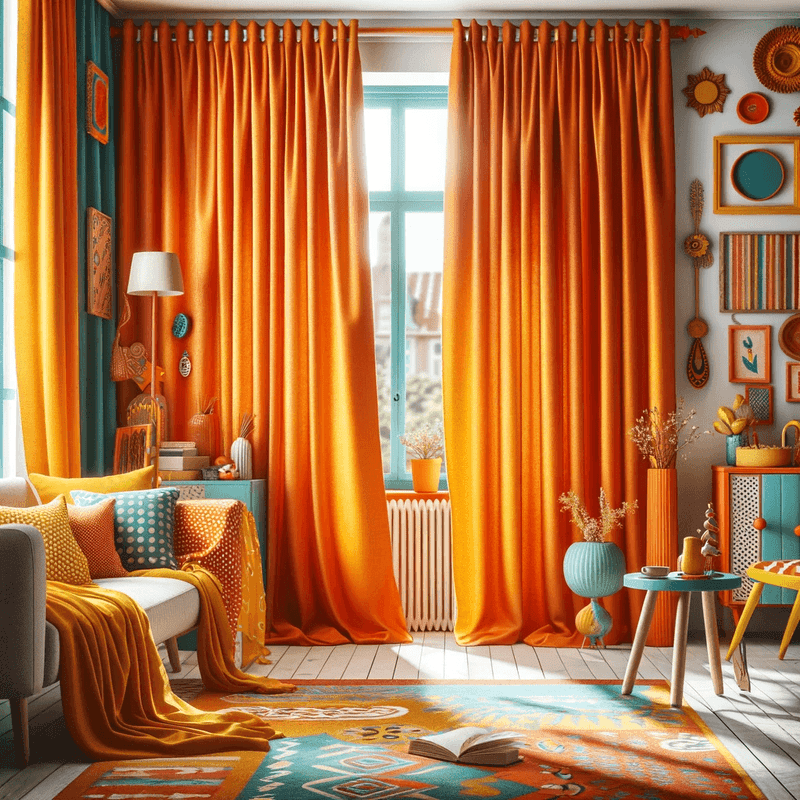
- Accent colors: Introduce personality through accessories. Deep blues (navy, teal), sage greens, terracotta, and ochres are very trendy and bring warmth and character. Limit these colors to cushions, throws, artwork, and one or two furniture pieces like an armchair or headboard.
- The "Modern Cocooning" ambiance: This is the leading trend for small spaces. It blends soft materials (velvet, bouclé wool, light wood), rounded shapes, and dimmed lighting to create a comfortable and stylish refuge.
Selecting furniture scaled to the studio
Nothing kills the sense of space more than an oversized sofa or a massive wardrobe. Choosing proportions is a science. Favor furniture with clean lines, often on legs, which allows the eye to pass through and gives a feeling of lightness. A deep, comfortable two-seater sofa is better than a cramped three-seater. An oval or round coffee table, less visually aggressive than a rectangle, facilitates movement. Low furniture, such as long, low TV units, helps maintain clear sightlines.
Lighting: layering light to create ambiance
A single ceiling light in the center of the room is the absolute mistake. To arrange a studio professionally, you need to think about three layers of lighting. General lighting (ceiling light or recessed spots), functional lighting (desk lamp, kitchen worktop lighting), and ambient lighting (accent lamps, string lights, LED strips). Invest in lamps with variable intensities (dimmers) and adjustable color temperatures (warm white for evening, cool white for work). Floor lamps or pendants above a table also help define zones.
Storage, storage, storage: the key to decluttering
A cluttered studio immediately appears smaller and less attractive. Offer integrated and abundant storage solutions. Utilize height with tall cabinets up to the ceiling in the kitchen and entryway. Use the space under the bed with drawers or storage boxes. Niches, shelves in dead corners, and wall-mounted magazine racks are your best friends. In the bathroom, a mirrored medicine cabinet and a shelf above the toilet maximize storage.
Equipping the kitchenette and bathroom intelligently
These technical spaces must be impeccable, modern, and hyper-functional.
For the kitchenette, prioritize compact yet efficient appliances (combi steam oven, induction hob, under-counter refrigerator). A sufficiently large worktop for meal preparation is crucial. The choice of finishes: a quartz or resistant laminate worktop, an easy-to-clean backsplash (metro tiles, glass), and quality handles make all the difference. Integrate a tabletop dishwasher if space allows; it is a highly appreciated feature.
In the bathroom, opt for a walk-in shower (without a tray) for a spacious effect. A vanity unit with numerous drawers prevents clutter. An anti-fog mirror with integrated lighting is a detail that impresses. Thermostatic shower faucets are a convincing high-end plus.
Finishing touches and accessories that make a difference
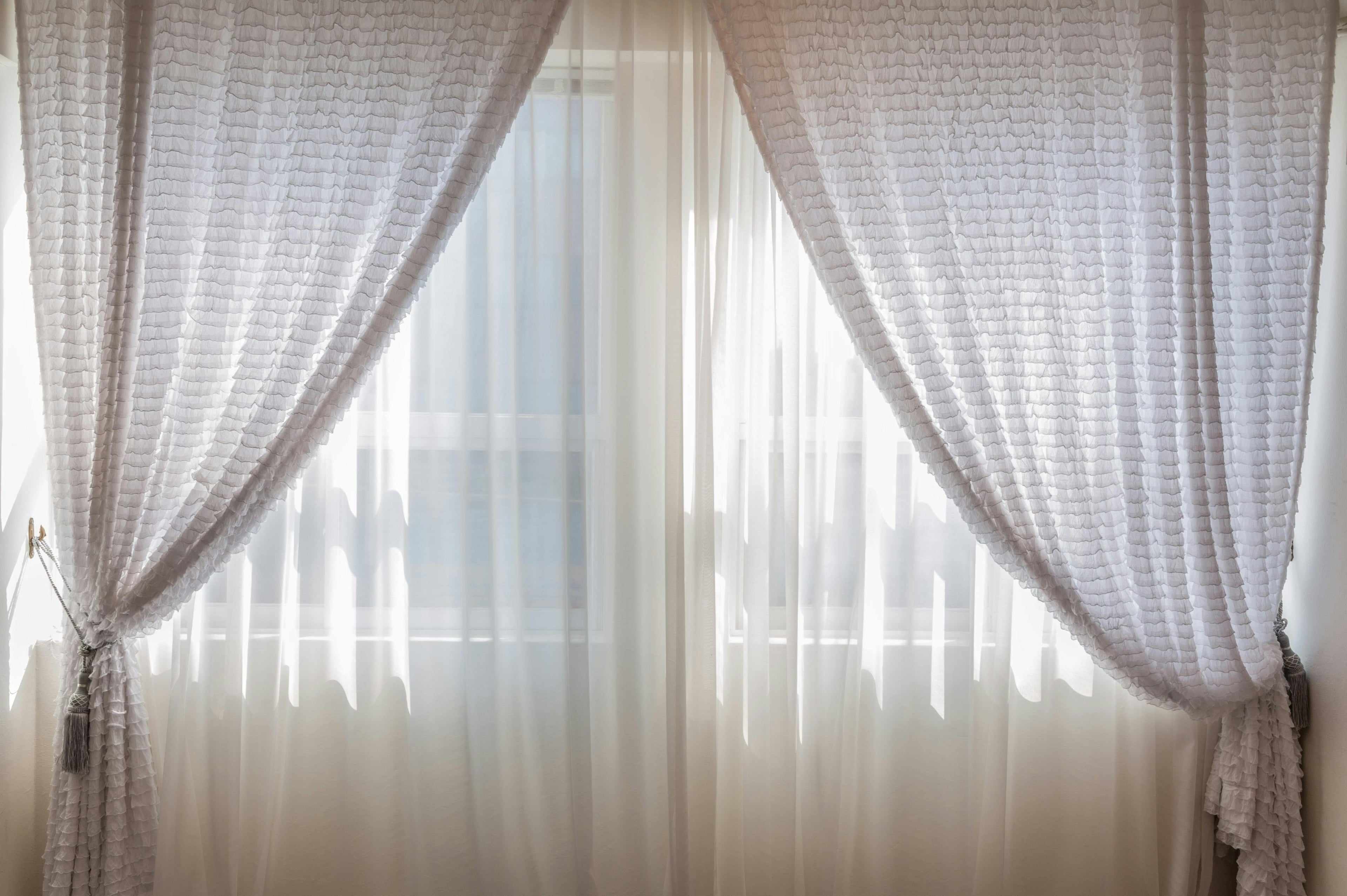
It is often in the details that the impression of quality is made. Modern door and furniture handles, elegant switches and sockets, well-fitted blinds or curtains (exact window dimensions, almost touching the floor) elevate the space. Hang a few original artworks or quality prints in simple frames. A resilient green plant (a monstera, a sansevieria) instantly brings life and freshness. These elements demonstrate care for the future occupant's well-being.
Preparing the studio for viewings and photos
Your layout must be "photogenic" and ready to live in. Before viewings or the photo shoot, ensure the space is immaculate, bright, and smells good (a neutral, clean scent). Store away all personal items. Make the beds with neutral but textured sheets and blankets. Arrange a few books and a vase with a single branch on the coffee table. The goal is to show the potential of the place while leaving enough emptiness for the tenant to imagine placing their own belongings.
FAQ: Frequently asked questions about furnishing a rental studio
Should I opt for custom-made furniture?
Custom-made furniture can be an excellent solution for utilizing difficult nooks (alcoves, under eaves) and providing maximum storage. However, it represents a larger investment and is less flexible if you decide to change the layout later. For most standard studios, a mix of quality modular furniture and one or two custom pieces (like a headboard with an integrated nightstand) offers the best optimization-to-cost ratio.
What budget should I plan for furnishing a studio?
The budget varies greatly depending on quality, furniture source, and whether you hire a professional. For a 20 to 30 m² studio, plan a minimum budget of €3,000 to €5,000 for basic but decent furnishings (flat-pack furniture, entry-level appliances). For a high-end result with durable materials, quality multifunctional furniture, and careful finishes, budget between €8,000 and €15,000. Consider this an investment that will pay off through higher rent and more stable occupancy.
How to choose furniture that is both beautiful and durable?
Prioritize noble and durable materials for the most heavily used items: a solid oak or high-pressure laminate tabletop, a sofa with a wooden frame and resistant fabric (microfiber, woven velvet), metal furniture legs. Read warranties carefully. Brands specializing in small spaces (like Maisons du Monde, Gautier, or Scandinavian brands) often offer suitable ranges. Do not hesitate to invest more in a good bed base and mattress; it is a decisive argument for comfort.
Should I follow trends to the letter?
It is wise to follow trends for easily replaceable and inexpensive items: cushions, throws, wall decor, accent lighting. However, for structural and costly items (sofa, bed, main table, flooring), opt for timeless designs and neutral colors. This ensures a long lifespan for your layout and avoids a too-quick "dated" look. The idea is to offer a neutral, high-quality base that the tenant can personalize.
How to manage electronic equipment and connectivity?
A modern studio must be connected. Plan for several Ethernet ports and numerous electrical outlets in the right places (near the sofa for charging, near the bed, on the worktop). Installing a TV outlet and an RJ45 outlet in the living area is essential. Providing high-performance Wi-Fi access (via an internet box included in the charges or a dedicated installation) is a major competitive advantage, especially for young tenants and teleworkers.
Conclusion: A profitable and rewarding investment
Furnishing a studio for rental is much more than a logistical task; it is an act of creation and real estate strategy. A well-designed studio, where every detail has been considered for space optimization, comfort, and aesthetics, rents faster, for more money, and to tenants who are more mindful of their living environment. It becomes a high-performing asset and a source of satisfaction. By following these tips and injecting your attention to detail, you will transform a simple volume into a true rental gem. To discover more inspiration and practical guides on living space design, feel free to explore the other resources available on ombreinterieur.fr. To go further, try Voilage Pour Salon in your room. Before choosing, browse how to compare wicker and wood wall lights for the office. Find our entire decor universe on Ombre Interieur.
