












How to Position Cushions on a Sofa? 2026 Guide
Placing cushions on a sofa may seem like a trivial, almost instinctive gesture. Yet, this simple action holds immense power: that of transforming the atmosphere of a living room, defining a style, and inviting absolute comfort. Far more than a simple accessory, the cushion is the key element that completes a sofa's decor, giving it character, depth, and a touch of soul. But how do you go from a messy pile to a harmonious composition that looks like it came from the pages of a home decor magazine? The answer lies in mastering a few fundamental principles of staging, balance, and style. This article guides you step by step to learn how to position cushions on a sofa with the ease of an interior designer, exploring current trends, composition rules, and mistakes to avoid to create a living space that is both elegant and welcoming.
The foundations of the art of cushion styling: understanding the basic principles
Before diving into specific arrangements, it is essential to grasp the concepts that underpin any successful composition. Positioning cushions on a sofa is not an exact science, but an art that plays with perception and balance.
The first principle is that of visual hierarchy. Not all cushions are equal. You need to designate one or more "star cushions," usually the largest, most textured, or with the boldest patterns. They serve as a visual anchor. Around them, secondary cushions, smaller or more discreet, complete and balance the composition.
Next comes the principle of the odd number. A golden rule in decor states that odd-numbered groups (3, 5, 7) are more dynamic, natural, and pleasing to the eye than even-numbered ones. Applying this rule to your cushions instantly creates a sense of harmony and avoids overly rigid and static symmetry.
Finally, think about depth and textures. A flat sofa with identical cushions will lack dimension. The trick is to layer sizes and mix materials (linen, velvet, wool, faux fur, embroidery) to create relief that draws the eye and invites touch.
The symphony of sizes: playing with formats to create rhythm
Variety in formats is your best ally for structuring your arrangement. Each size has a specific role to play in the visual choreography of your sofa.
Large formats (50x50 cm and larger): the foundation of your composition
These cushions, often 50x50 cm squares or rectangular (like lumbar pillows), are the pillars. Place them first, against the armrests or the back of the sofa. They provide comfortable back support and establish the color palette or main pattern. For a two-seater sofa, one large cushion on each side is a good starting point.
Medium formats (40x40 cm): the links and contrasts
Medium-sized cushions are perfect for transitioning between large and small ones. They allow you to introduce a complementary pattern or accent color without overwhelming the composition. Position them in front of the large cushions to start creating layers.
Small formats (30x30 cm and smaller): the finishing touch and detail
Small cushions, or "accent squares," are the icing on the cake. They add a touch of whimsy, bright color, or precious texture. Placed at the very front, they bring lightness and zest. A small velvet cushion in garnet or with a geometric gold pattern can illuminate the entire seating area.
The alchemy of materials and textures: a sensory festival
In 2026, the trend is towards the sensory and cocooning. Positioning cushions on a sofa is no longer done just with the eyes, but also with the hands. Mixing textures has become essential.
Dare to contrast smooth and rough materials. Pair the freshness of linen or cotton with the warmth and luxury of corduroy velvet. In autumn and winter, feel free to introduce a faux fur or bouclé wool cushion for an ultra-comfortable effect.
Artisanal and tactile details are also very much in vogue. Look for cushions with embroidery, pom-poms, fringes, or appliqués. These elements add not only visual interest but also an artisanal and personal dimension to your decor. A long fringe on a raw linen cushion brings movement and character.
The magic of patterns and colors: rules for successful mixing
This is often the most intimidating step, but also the most rewarding. How do you ensure harmony between the patterns and colors of your cushions?
The safest method is to start with a base palette. Choose two to three dominant colors in your living room (colors of the sofa, wall, rug). Your cushion assortment should draw from this palette, possibly adding a touch of contrast (an "accent color").
For patterns, the rule of three is an excellent guide: mix one large pattern (wide stripes, large florals), one medium pattern (geometric pattern, polka dots), and one small pattern or textured solid. Ensure your patterns share at least one common color to create a visual link. For example, on a gray sofa, you could pair a large gray and white striped cushion, a medium geometric cushion with gray and terracotta, and a small solid terracotta velvet cushion.
Classic arrangements that work every time
Now that the theory is absorbed, let's move to practice. Here are proven schemes for positioning cushions on a sofa according to its size.
For a two-seater sofa (love seat)
Space is limited, so precision is key. A triangular composition works perfectly. Place one large cushion (50x50) in each corner at the back of the sofa. In the center, at the front, add a smaller cushion (40x40 or 30x30) that brings the accent color or pattern. This creates a balanced yet not monotonous symmetry.
For a three-seater sofa (the standard)
This is the ideal playground. Opt for a dynamic asymmetrical composition with 5 cushions. For example: two large cushions (50x50) placed against each armrest. In front of the left cushion, add a medium cushion (40x40). On the right side, layer a medium and a small cushion (30x30) in front of the large one. This arrangement guides the eye diagonally and feels natural.
For a large corner or modular sofa
Here, think in "zones." Treat each section of the sofa (main seat, corner, chaise longue) as a mini-composition linked to the others by a recurring color or pattern. On the main seat, apply a 5-cushion arrangement. On the chaise longue, a simpler 3-cushion arrangement (large, medium, small) is sufficient. Unity is created by repeating, for example, the same solid fabric on one cushion in each zone.
Trends 2026: inspiration and modernity
Interior design evolves, and with it, the art of arranging cushions. This year, we see a return to authenticity and personalization.
The "quiet luxury" trend also influences our sofas. It translates into noble materials with subtle textures (cashmere, thick linen, matte velvet), neutral and deep colors (taupe, mouse gray, sage green), and an absence of logos or loud patterns. The arrangement is minimal but extremely refined, with slightly "deconstructed" cushions for a relaxed yet chic effect.
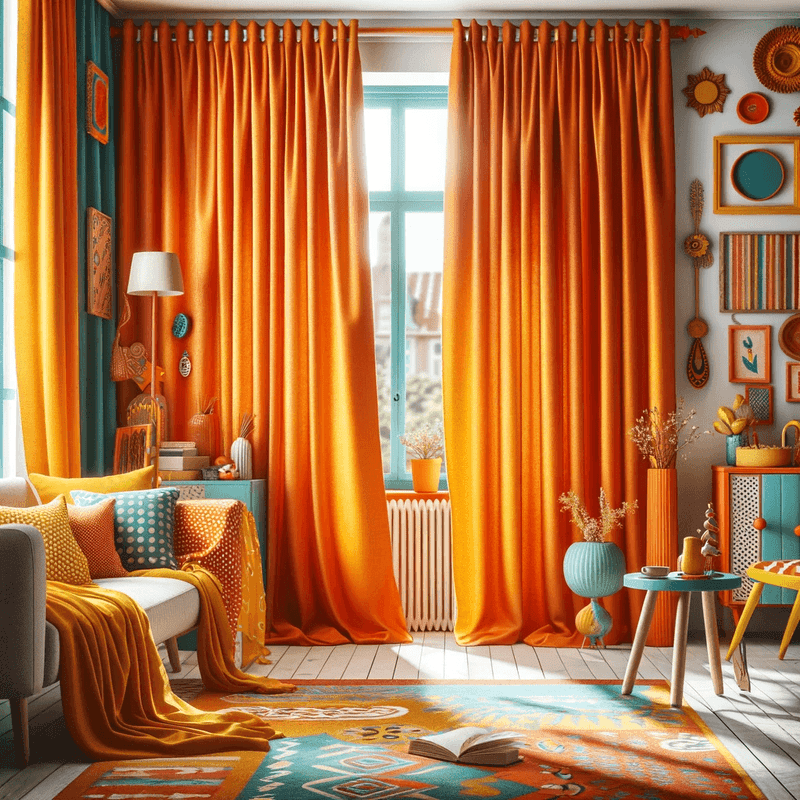
At the opposite end, joyful maximalism also has its followers. It allows bold pattern mixing (gingham, floral, ethnic), vibrant colors, and varied shapes (round, cylindrical, heart-shaped cushions). The key is to maintain chromatic coherence despite the visual explosion.
Finally, personalized cushions or those with messages, handmade cushions, and vintage pieces (e.g., embroidered cushions from the 70s) are highly sought after to inject a unique story into the living room.
Common mistakes to absolutely avoid
Even with the best intentions, it's easy to make a few missteps. Identifying them allows for quick correction.
- Overloading: Too many cushions kill the cushions. If you have to move a mountain to sit down, there's a problem. Prioritize quality over quantity.
- Perfect and rigid symmetry: A sofa with two identical cushions perfectly aligned on each side lacks life. Slightly offset the angles, use different sizes, break the line.
- Forgetting comfort: A cushion that is too flat or, conversely, too puffy is useless. Choose quality inserts (feathers, synthetic down) that hold their shape and offer real support.
- Neglecting the back of the sofa: If your sofa is against the wall, the arrangement is crucial. If it's in the middle of the room (island), also consider the back view. One or two decorative cushions at the back can be very effective.
Adapting decor to seasons and occasions
Changing your cushions is the simplest and most economical way to redecorate your living room through the seasons or for a special occasion.
For summer, opt for lightweight fabrics (linen, cotton), light colors (white, ecru, lavender blue, pale yellow), and fresh patterns (nautical stripes, botanical motifs). The arrangement can be more airy.
For autumn/winter, switch to cocooning mode. Bring out the velvets, woolens, faux furs. Colors become deeper: burgundy, forest green, mustard, anthracite gray. The arrangement can be more generous and dense.
For the holidays, simply add one or two cushions in Christmas colors (red, green, gold) or with festive patterns (stars, snowflakes). No need to change everything; a touch is enough to create the ambiance.
FAQ: Answers to the most common questions
How many cushions should I put on a 3-seater sofa?
There is no single answer, but a number between 3 and 7 is generally ideal. For a clean, modern look, 3 cushions (one large on each side and an accent in the center) are enough. For a more generous and warm style, aim for 5 or 7 cushions by playing with layering. It all depends on the style you want to give your space.
Should I have identical cushions on each side?
No, and it's even discouraged for a dynamic result. You can use cushions of the same size but with complementary patterns, or different sizes. The idea is to create balance, not a perfect mirror. Symmetry can be suggested by the shape of the arrangement, not by the identity of the cushions.
How to choose the size of inserts relative to covers?
This is a crucial point for a professional look. The rule is simple: the insert should be 5 to 10 cm larger than the cover. For a 50x50 cm cover, choose a 55x55 cm or 60x60 cm insert. This guarantees well-stuffed, generous cushions that don't deform, with well-filled corners. An insert of the right size makes all the difference between a chic cushion and a sad, flat one.
Can I mix shapes (squares, rounds, rectangles)?
Absolutely! Mixing shapes is an excellent way to add dynamism and originality. Introduce a round cushion or a lumbar cushion (rectangular and long) among squares. The lumbar cushion is perfect for lower back support and adds a horizontal line that breaks the monotony of squares. Just ensure that colors and materials create a link between the different shapes.
How to care for and wash decorative cushions?
Always read the care label. As a general rule, covers in cotton, linen, or synthetic materials can withstand machine washing at 30°C. Velvet covers or those with delicate finishes (embroidery, sequins) often require hand washing or dry cleaning. For feather inserts, professional cleaning is recommended. For daily care, regularly shake your cushions to redistribute the filling and air them outdoors to remove odors.
Conclusion: Your sofa, a stage to personalize
Positioning cushions on a sofa is much more than a decorative act; it is an expression of your personality and an invitation to well-being. By mastering the balance of sizes, the alchemy of textures, and the boldness of patterns, you bring your living room to life. Remember that rules are meant to guide, not limit. The essential thing is that the result reflects you and invites you to snuggle into it with pleasure. Let your creativity run free, dare to mix, and don't hesitate to evolve your composition according to your desires and the seasons. To discover more inspirations and expert advice for transforming every room in your home, explore without delay the numerous resources available on ombreinterieur.fr. Among our favorites, find Rideau Sur Porte Fenetre. Our guide how to use ivory floor lamps on the balcony helps you make the right choice. Visit ombreinterieur.fr to explore the entire catalog.
```