














How to Effectively Protect Your Windows from the Sun
The sun, a source of light and heat, can quickly become an unwelcome intruder in our homes. Its rays, as beautiful as they are, can damage our furniture, floors, and works of art, while turning certain rooms into veritable ovens in the summer. Protecting your windows from the sun is therefore not a mere aesthetic whim, but a necessity to preserve your comfort, health, and assets. Today, solutions go far beyond simple shutters or basic blinds. They fully integrate into the decor, combining technical performance with innovative design. This article guides you through all the available options, from the most classic to the most high-tech, to help you choose the ideal sun protection—one that combines efficiency, aesthetics, and control of natural light.
Why Protecting Your Windows is Essential: Beyond the Heat
The first reason that comes to mind is combating overheating. Indeed, a south-facing window can let in a considerable amount of thermal energy, raising the indoor temperature by several degrees. But the stakes are multiple. UV rays are the main culprits behind color fading and material degradation. Fabric sofas, solid wood flooring, rugs, and paintings see their colors irreversibly fade under prolonged exposure.
In terms of comfort, glare is a major nuisance, especially when working on a screen or wanting to read quietly. Finally, from an energy standpoint, good sun protection significantly reduces the need for air conditioning, thereby lowering your electricity bill and your ecological footprint. It is an approach that is both economical and responsible.
Blinds and Curtains: The Classic and Decorative Indoor Solution
As the first line of defense inside the home, blinds and curtains offer a vast variety of styles, materials, and functionalities. Their main advantage is their decorative versatility.
Roller Blinds with Blackout or Filtering Fabric
These are among the most popular for their efficiency and discretion. Blackout fabrics, often made of PVC or coated polyester, block up to 100% of light and provide an excellent thermal screen. Filtering fabrics, made of lighter material, gently diffuse light, creating a soothing ambiance while preserving the view outside. Current trends favor natural materials like linen or cotton, and motorized systems that integrate with home automation.
Venetian Blinds and Louvers: Precise Light Control
Timeless classics, they allow for millimeter-precise adjustment of brightness and privacy thanks to the orientation of the slats. Aluminum models are very effective at reflecting heat, while wooden versions (bamboo, pine, oak) bring natural warmth to the room. Wide slats (50 mm or more) are very trendy, offering a modern, clean look.
Double Curtains: The Perfect Blend of Function and Style
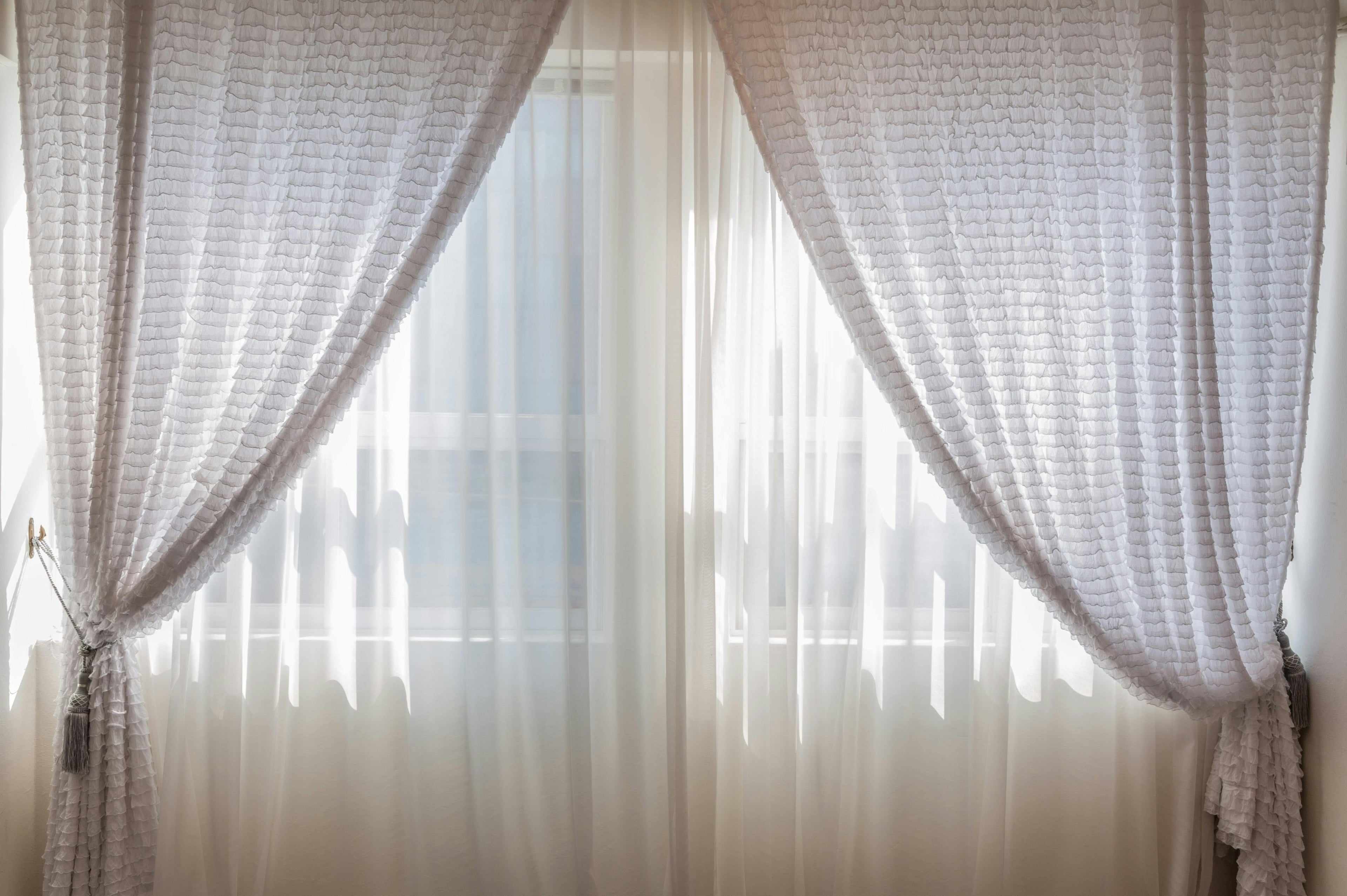
The double-curtain technique remains a safe bet. It involves pairing a lightweight sheer curtain, which diffuses light throughout the day, with a thick drape (velvet, lined fabric, opaque cloth) that is drawn in the evening for privacy and thermal insulation. This is an opportunity to introduce color, pattern, and texture into your decor.
Solar Window Films: Invisible and High-Tech Protection
A discreet and high-performance solution, solar film is a treated polyester sheet applied directly to the glass. It acts as a selective barrier. Technologies have evolved significantly: current films reject up to 80% of solar heat and block 99% of UV rays, while still allowing visible light to pass through. They come in neutral tints, reflective (mirror) finishes, or even decorative patterns. This is an excellent solution for bay windows or windows with a beautiful view that you don't want to obstruct with a blind.
It is crucial to have these films installed by a professional to avoid air bubbles and ensure their longevity. Some films also provide glass reinforcement in case of breakage, improving safety.
External Protections: The Most Effective Solution Against Heat
For maximum effectiveness, you need to intercept the sun's rays before they hit the glass. This is the role of external sun protections. By blocking heat outside, they prevent the greenhouse effect behind the window.
External Blinds and Adjustable Sunshades
Awning blinds, with fabric stretched over a frame, and external roller blinds are very effective. Their fabric, often made of coated fiberglass, is designed to withstand the elements. Models with adjustable slats (or external louvers) offer optimal control: you can tilt them to block the midday sun while allowing the low-angle morning or evening light to enter. They give the facade a very contemporary architectural look.
Roller Shutters and Louvers: The French Institution
The roller shutter, often made of PVC or aluminum, is a complete protection. When closed, it insulates from the sun, noise, and prying eyes. Sliding or hinged wooden louvers offer timeless charm and allow for ventilation even when closed. Current trends see the emergence of roller shutters with perforated slats that let in a little light while protecting from heat.
Canopies, Awnings, and Bioclimatic Pergolas
For large openings, architectural solutions reign supreme. A canopy (fixed roof overhang) or an awning (fabric or polycarbonate structure) creates shade. The bioclimatic pergola equipped with adjustable slats is the high-end, ultra-modular solution. Controllable from your smartphone, it adapts in real-time to the sun's path and weather conditions.
Plants: A Natural and Ecological Sun Protection
Nature offers remarkable and aesthetic solutions. Vegetation is a dynamic protection that evolves with the seasons: dense in summer for shade, it allows light through in winter when it loses its leaves.
Planting deciduous trees (like linden or maple) or growing Virginia creeper or wisteria on a pergola creates a very effective vegetative screen. On a balcony, tall planters with climbing plants like golden hops or morning glories can act as a natural privacy screen and sunshade. This solution also improves air quality and biodiversity.
Solar Control Glazing: Integrated Technology
For new construction or major renovation projects, the choice of glazing itself is decisive. Beyond standard double glazing, there are low-emissivity (Low-E) glazings that reflect heat back inside in winter and outward in summer. Solar control glazings have an invisible metallic layer that selectively filters infrared rays (heat) while allowing light to pass through.
Electrochromic glazing, still marginal but promising, allows you to change the tint of the glass on demand, with a simple press of a switch, transitioning from a clear pane to a tinted one for sun protection.
How to Choose the Right Protection Based on Your Window Orientation
The effectiveness of a protection depends greatly on sun exposure. A differentiated strategy is therefore recommended.
- South: This is the orientation most exposed to direct sunlight in the middle of the day, especially in summer. Prioritize effective external protections like awnings, louvers, or sunshades. Indoors, blackout blinds or thick double curtains are essential.
- West: It receives the afternoon and evening sun, often the hottest and most glaring. Venetian blinds for adjusting the slat angle or external blinds are perfect for managing this low-angle light.
- East: Exposed to the morning sun, gentle but sometimes glaring at sunrise. Filtering blinds, lightweight sheers, or neutral solar films allow you to enjoy this morning light without being bothered.
- North: Little or no direct sunlight. The priority is not sun protection but maximizing light. Very light sheers or transparent blinds are sufficient for privacy.
Current Trends in Decorative Sun Protection
Sun protection is no longer just a technical accessory; it is a design element in its own right. Current trends blend materials, textures, and technologies.
- Natural and Sustainable Fabrics: Linen, organic cotton, jute, and recycled fibers are popular for their aesthetics and low environmental impact.
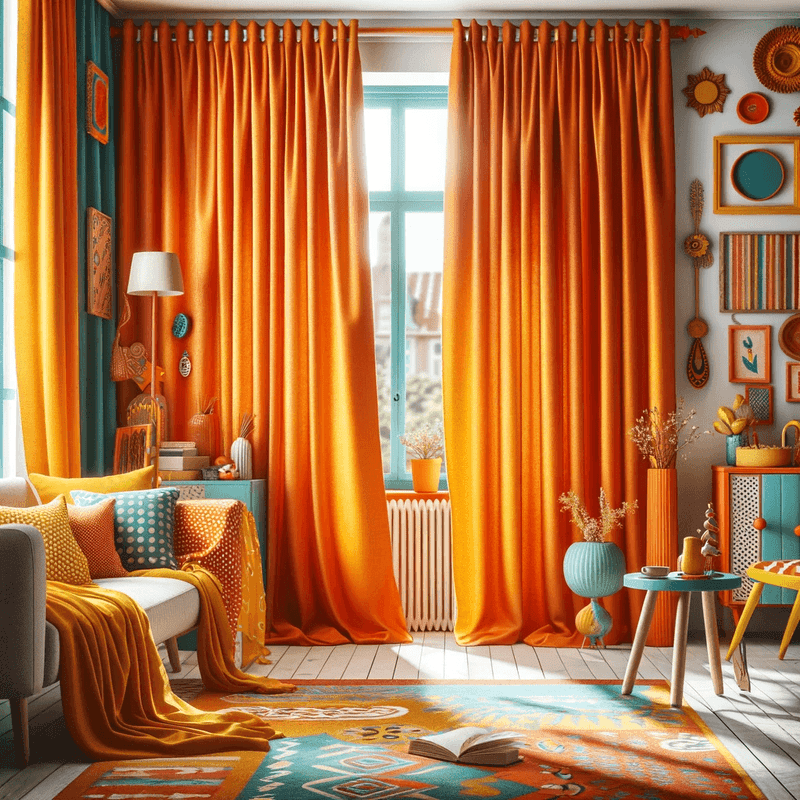
- Patterned and Brightly Colored Blinds: Dare to use color blocking with colored fabric roller blinds or tinted-through Venetian blind slats to create a focal point.
- Total Home Automation Integration: Motorized systems are controlled via an app, a voice assistant (Google Home, Alexa), or programmed based on time or sunlight via sensors.
- Decorative Screens and Panels: Made of wood, laser-cut metal, or resin, they are fixed in front of the window to create a play of light and shadow inspired by mashrabiya, while allowing air to circulate.
FAQ: Your Questions on Protecting Windows from the Sun
What is the most effective solution for cooling a room?
Without a doubt, external sun protections. By blocking the rays before they reach the glass, they prevent the phenomenon of heat storage in the glazing and walls. A well-positioned external blind can reduce heat gain by over 80%, whereas an internal blind, once the heat has entered, can only reduce it by about 30%.
Do solar films create a greenhouse effect in winter?
No, modern solar films are selective. They are designed to primarily block infrared (sun heat) while allowing visible light to pass through. Most also allow some long-wave infrared to pass through—those emitted by heated objects inside the house—thus limiting heat loss in winter. Some films are even specifically designed to be "heat-gain," promoting the retention of indoor heat.
Can you combine multiple sun protection solutions?
Absolutely, and it is often recommended for maximum effectiveness and great flexibility. This is called "combined sun protection." A classic approach is to combine an external Venetian blind (to block heat) with a lightweight indoor sheer (for diffusing light and privacy) and a thick curtain (for nighttime and winter insulation). You can also combine a solar film on the glass with a decorative indoor blind.
How do you protect a bay window without losing the view?
This is the typical case where solar films or roller blinds with filtering fabric are ideal. Roller blinds can be fully retracted into their cassette to clear the entire view. Venetian blinds with extra-wide slats, once raised, are also very discreet. External horizontal adjustable-louver sunshades, on the other hand, allow you to keep an unobstructed view of the landscape while blocking the high sun in the sky.
Are sun protections eligible for energy renovation grants?
Yes, under certain conditions. The installation of external sun protections (insulating roller shutters, external blinds) as part of a comprehensive renovation aimed at improving the home's energy performance may be eligible for grants like MaPrimeRénov'. It is imperative to check with official bodies and use an RGE-certified (Recognized Guarantor of the Environment) professional for installation to meet the eligibility criteria.
Conclusion: A Comprehensive Approach for a Preserved Home
Protecting your windows from the sun is a winning investment on all fronts: increased thermal and visual comfort, preservation of your decor and belongings, and substantial energy savings. The key lies in a precise analysis of your needs (orientation, window type, room usage, decorative style) to choose the appropriate solution(s). Don't hesitate to combine approaches—external for effectiveness, internal for style—and to explore innovations like home automation or plants. Your home deserves soft, controlled light, a serene atmosphere where it's good to live in every season. To discover more ideas and inspiration for creating a harmonious and comfortable interior, explore the many resources available on ombreinterieur.fr without delay. For more tips, discover how to hem curtains on the blog. Visit ombreinterieur.fr to explore the full catalog.
```