















Living room decor tips: easily transform your living space
Your living room is far more than just a room: it is the stage for your daily life, where quiet moments of rest meet lively gatherings. Yet giving it a soul without embarking on major renovations can feel daunting. This guide invites you to rethink the space using simple yet powerful principles, from furniture arrangement to the choice of materials and lighting. You will see how each carefully orchestrated detail can unlock the full potential of your main living area. Let yourself be led towards a transformation that feels truly your own.
The living room is far more than just a passageway; it's the beating heart of the home, the setting where our lives unfold, from moments of solitary relaxation to festive gatherings with family or friends. Yet, transforming it into a space that is both functional, aesthetic, and reflective of our personality can seem like a daunting challenge. Where to begin? How to avoid common mistakes and create a cohesive ambiance that feels like us? Fortunately, with a few well-thought-out living room decor tips, it's possible to metamorphose this space without necessarily undertaking major renovations. This article guides you through the fundamental principles and current trends to reveal the full potential of your living space, making every detail an asset.
The Essential Foundations: Planning and Structuring the Space
Before rushing out to buy cushions or a new sofa, the first decor tip for the living room is to step back and analyze the space. Successful decoration rests on solid foundations. Start by evaluating the room's configuration: its shape, its sources of natural light, the location of electrical outlets and radiators. Draw a simple plan, even a rough sketch, and experiment with different layouts for the main furniture.
Circulation is paramount; you should be able to move around easily without weaving between coffee tables. A golden rule is to create intimate "conversation zones," where seating is arranged at a distance that allows for conversation without raising your voice. For large living rooms, don't hesitate to create several of these zones (a reading nook near the window, a relaxation area around the sofa) to structure the space and give it multiple functions.
The Art of Furniture Arrangement
Furniture arrangement is the framework of your decor. Avoid pushing all furniture against the walls, a common mistake that creates an unwelcoming central void. Bring the sofa and armchairs closer together to encourage interaction. Using a large rug, on which at least the front legs of the seating rest, helps visually anchor the relaxation zone. Also consider visual balance: distribute bulky items (sofa, bookcase) harmoniously throughout the room to prevent one side from feeling too heavy.
The Magic of Color and Materials
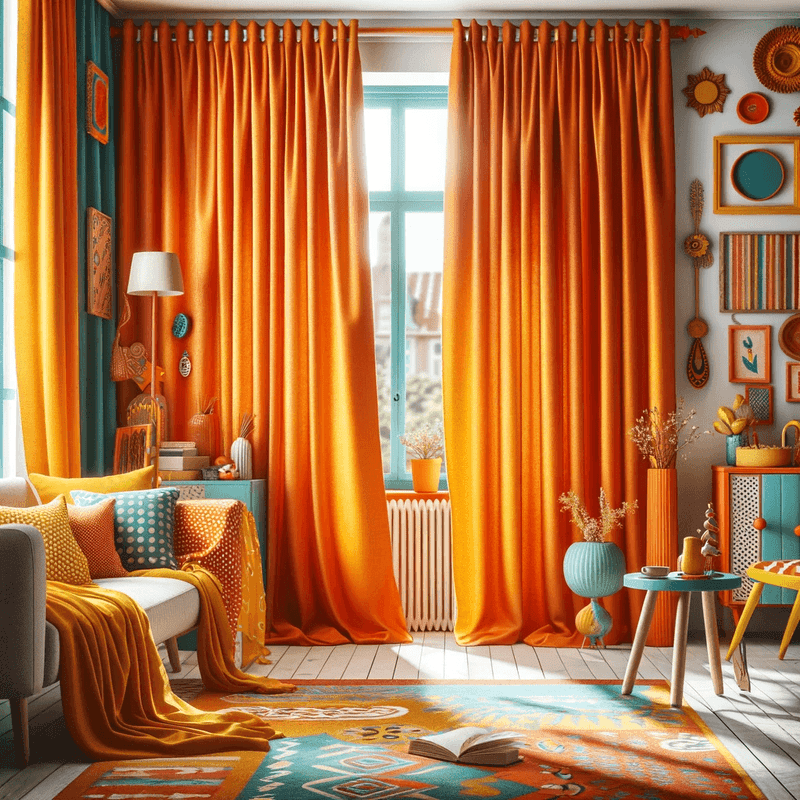
Color is the most powerful and quickest tool for transforming a living room's ambiance. Current trends favor soothing and enveloping atmospheres. Natural color palettes, terracottas, soft ochres, and sage greens are omnipresent. They create a feeling of calm and connection with nature. For a modern living room decor tip, play with monochrome by using several shades from the same color family (for example, from beige to taupe through warm gray), then add a touch of contrast with an accessory in a brighter color or a textured material.
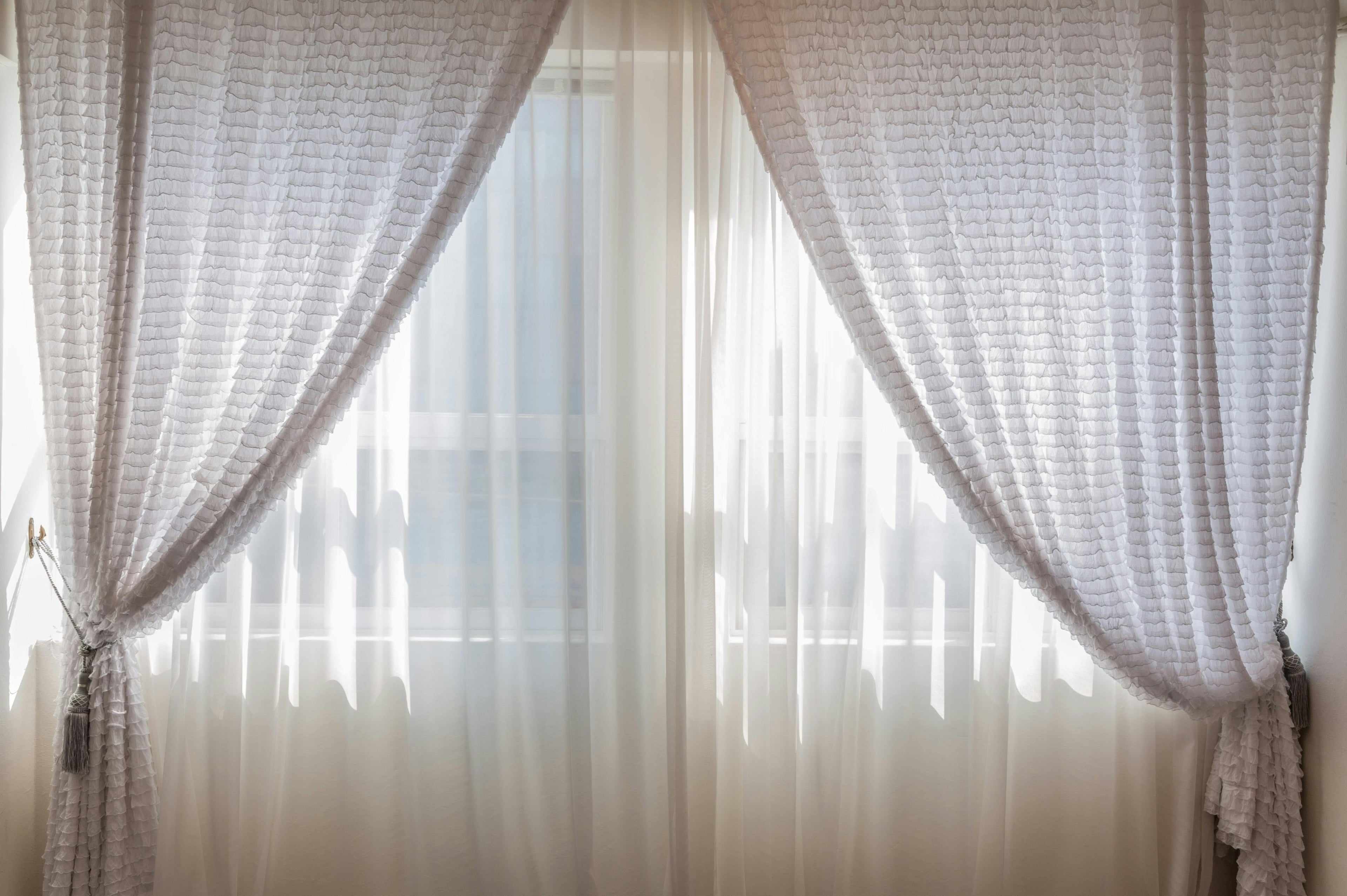
Materials, on the other hand, bring depth and character. Mixing materials is a strong trend. Combine the softness of velvet on an armchair, the warmth of solid wood in a coffee table, the elegant coolness of matte black metal in a floor lamp, and the woven texture of a rattan basket. This sensory layering makes the space rich and interesting. Don't forget natural materials like linen for curtains or cushions, jute for rugs, and reconstituted stone for decorative accessories.
Lighting: Creating Ambiance at Will
Successful lighting is layered lighting. Relying solely on the central ceiling light is the biggest mistake to avoid; it creates harsh shadows and impersonal light. The key lies in layering three types of lighting: general, accent, and ambient. General lighting can come from discreet recessed spots or pendants diffusing soft light. Accent lighting highlights specific elements: an arched floor lamp to light a reading nook, a sconce above a piece of art.
Finally, ambient lighting is what creates the magic. It involves indirect and subdued light sources. Table lamps with fabric shades, discreet fairy lights (behind a sofa or in a plant), and especially candles or warm-glow LED lamps are foolproof decor tips for establishing a cozy and intimate atmosphere in the evening. Consider dimmer switches to adjust the brightness for each moment of the day.
The Power of Accessories and Customization
Accessories are the punctuation of your decor. They personalize the space and tell your story. The trend is toward the "curated home," an interior that seems to have been assembled over time with carefully chosen pieces, not bought all at once from the same store. Mix eras: a 70s design vase on a contemporary console, a Baroque mirror above a modern fireplace. Artisanal objects, unique pieces found at flea markets or during travels bring an incomparable soul.
Don't be afraid of verticality! Walls are a precious surface. An effective living room decor tip for adding character is to create a gallery of paintings or photographs. For a modern look, favor frames of a similar style (all thin black or all natural wood) and play with geometric alignment. Open shelving is also an excellent solution for displaying books, art objects, and plants, while providing storage.
Integrating Nature: Plants and Connection with the Outdoors
Bringing nature indoors has never been more trendy, and for good reason: green plants purify the air, reduce stress, and bring incomparable vitality. Beyond a simple small pot on a table, think big. A large fiddle-leaf fig, a monstera deliciosa, or a dwarf palm can become structuring elements of the decor. Use cache-pots in terracotta, wicker, or textured ceramic to enhance the aesthetic.
For total immersion, create a "jungle corner" by grouping several plants of different sizes. Macramé hangers for trailing plants (like pothos or string of hearts) use aerial space and add movement. Finally, a simple but impactful decor tip: choose bouquets of dried flowers or branches (like eucalyptus) for durable and poetic decoration that requires no maintenance.
Optimizing Space and Smart Storage
A clutter-free living room is a calming living room. Smart storage is the key to a space that is both beautiful and functional. Opt for dual-purpose furniture: a coffee table with drawers or a lift-top, an ottoman that opens for blanket storage, window seats with integrated storage. Bookcases, whether open or closed with doors, remain the queens of storage for books, audiovisual systems, and knick-knacks.
Also think about vertical storage. Narrow wall shelves above a door or in a dead corner can hold a book collection or small objects. Wicker or fabric baskets are perfect for quickly storing magazines, children's toys, or TV accessories, while adding a touch of warm texture. The goal is for everything to have its place, for a more serene daily life.
Key Current Trends to Adopt (or Adapt)
Staying informed about trends allows you to pick up ideas to refresh your interior. Currently, several strong currents are emerging. "Grandma Chic" or "Cottagecore" values handmade items, floral patterns, light fabrics like linen and cotton, and aged, patinated furniture. It's an invitation to softness and nostalgia. In contrast, the "Brutalist" or "Mineral" aesthetic is gaining ground, with raw materials like polished concrete, oxidized metal, and stone, often softened by very soft textiles and organic shapes.
The "Biophilic" trend goes beyond plants; it seeks to integrate forms, materials, and views that evoke nature. This can be achieved through a wallpaper with foliage patterns, carpeting mimicking moss, or a layout that maximizes the view of the outdoors. Finally, "dopamine" colors are making a comeback for the more daring: bright yellows, fuchsia pinks, or emerald greens used as accent touches on a wall, an armchair, or a piece of art to inject energy and joy.
Avoiding Common Living Room Decor Pitfalls
Even with the best intentions, some pitfalls can spoil the final result. The first is a lack of scale. A sofa too small lost in a large space, or conversely, a massive piece of furniture that overwhelms a small room. Always take measurements and visualize the volumes. The second pitfall is an overabundance of accessories or small furniture, which creates a cluttered feeling. Apply the "less is more" rule: it's better to have a few beautiful objects well displayed than a multitude of elements that cancel each other out.
Finally, neglecting practicality in favor of aesthetics is a mistake. A living room must be livable. Choose upholstery fabrics suited to your lifestyle (durable, washable textiles if you have children or pets, more delicate velvets for an adult living room). Lighting must be sufficient for comfortable reading. By keeping in mind this balance between beauty and function, your living room will become a true refuge.
FAQ: Your Questions About Living Room Decor Tips
How to visually enlarge a small living room?
Several decor tips can create an illusion of space. Favor a light, unified color palette on walls and large furniture. Use mirrors strategically placed to reflect light and double the perspective (facing a window is ideal). Opt for furniture with slender, raised legs that let you see the floor, and avoid overly bulky furniture. Transparency, with a glass or acrylic coffee table, is also a precious ally.
What is the ideal height for hanging a painting or mirror?
A common rule is to center the artwork at approximately 1.55m-1.60m from the floor, roughly at eye level for a person of average height. If hanging above a sofa or console, leave a space of 15 to 25 cm between the furniture and the frame to create a visual link without the ensemble appearing cramped. For a wall gallery, treat the whole as a single shape and center it on the wall or relative to the furniture below.
How to mix patterns without making a taste error?
The key lies in balance and a common denominator. Choose a limited color palette (2-3 colors max) that is found in all the patterns. Then vary the scales: associate a large pattern (on a sofa) with a medium pattern (on cushions) and a small pattern or stripe (on an ottoman). Also integrate solid surfaces to give the eye a rest. For example, a patterned sofa can be accompanied by solid cushions, and vice-versa.
What type of rug should I choose for my living room?
The choice depends on usage and the desired effect. To define a conversation area, the rug should be large enough for the front legs of the seating to rest on it. For a modern living room, rugs with geometric patterns or natural textures (curly wool, jute) are perfect. In a cozy interior, favor long-pile or shaggy rugs for a soft sensation. Think about practicality: synthetic fibers are often easier to clean than natural wool.
How to give character to a neutral living room?
A living room with neutral bases (white walls, light floor) is a perfect canvas for infusing personality. Start by adding texture in layers: a rug with subtle patterns, cushions in velvet, linen, and wool, a faux fur throw. Introduce decorative elements with sculptural shapes or interesting finishes (a raw terracotta vase, an artisanal ceramic lamp). Finally, don't hesitate to incorporate one or two furniture pieces in a dark wood or strong color (a navy blue armchair, a black bookcase) to create a focal point and depth.
Conclusion: Your Living Room, an Evolving Work
Decorating your living room is a journey, not a destination. The living room decor tips we've explored are tools to guide you, but the essential thing is that the final space feels like you and meets your needs. Don't be afraid to experiment, to move furniture with the seasons, to add a new plant, or to change the arrangement of paintings. A living interior is one that evolves with you. Start with a simple action today – reorganizing a shelf, adding a new throw, changing a lamp's location – and let the transformation happen step by step. To discover more inspiration and practical guides for every room in your home, feel free to explore the other articles and resources available on ombreinterieur.fr. Your dream home is within reach. Our Living Room Decor Curtain integrates perfectly with this style. Need practical advice? Read what to do with indoor plants in the living room. Browse our online store to see all our collections.
Share
