














Decorating an Old Apartment: A Complete Guide to Modernity and Charm
An older apartment charms with its history, mouldings and generous proportions, yet demands a subtle dialogue between preservation and modernity. How do you enhance its soul without betraying it, while introducing the contemporary comfort you lack? The challenge goes beyond mere decoration: it is a true design strategy, where every decision — from the initial survey to the final touch — must honour the heritage while meeting your present needs. Let yourself be guided towards this delicate, inspiring balance.
Decorating an old apartment is an adventure that is both exciting and delicate. Between the undeniable charm of moldings, parquet floors, and high ceilings, and the practical challenges sometimes posed by the wear of time, atypical volumes, or outdated installations, it's about finding the right balance. The goal is not to erase the soul of the place, but to enhance it by bringing it into our era. This article is your complete guide to successfully fusing heritage and modernity, exploring all facets of decorating an old apartment, from the foundations to the final touch.
Understanding and Celebrating the Identity of Your Old Apartment
The first, essential step is to establish a precise diagnosis of your home. Take the time to observe it. Identify its heritage assets: are there herringbone or Hungarian point parquet floors, moldings (rosettes, baseboards, cornices), marble fireplaces, doors with small or large panes, typical ironwork? Also note its constraints: impractical enfilade layout, dark rooms, limited sound or thermal insulation, presence of exposed pipes or technical ducts. This analysis will allow you to define a strategy: which elements to absolutely highlight, and which can be modernized or elegantly concealed. Celebrating the apartment's identity is the starting point for successful decoration.
Letting History Speak Without Falling into Pastiche
The trap to avoid is strict historical reconstruction, which can give a museum-like impression. The idea is rather to create a dialogue. You can, for example, restore a cornice and paint it in a bold contemporary color, like a deep black or forest green. An old fireplace becomes a perfect setting for a modern sculpture or a simple candle arrangement. Let the marks of time, like the irregularities of a worn parquet floor, testify to the life of the place. This "wabi-sabi" approach, which accepts and celebrates imperfection and wear, is particularly suited to old apartments.
Smart Renovation: Combining Modern Comfort and Preservation
Before thinking about decoration, you often need to think about renovation. Renovation work in old buildings requires special attention. For insulation, prioritize solutions that preserve walls and volumes, such as interior insulation with thin, high-performance materials, or, ideally, exterior insulation if the co-ownership allows it. For electricity and plumbing, a complete rewiring is often necessary to meet safety standards and current needs (numerous outlets, flexible lighting). This is an opportunity to plan discreet cable runs and integrate subtle smart home solutions, like connected thermostats or remotely controllable lighting.
Treating Common Problems: Moisture, Parquet Floors, and Joinery
Moisture problems in old buildings must be treated at the source (rising damp, infiltration) before anything else. For parquet floors, sanding and varnishing remain the classic solution, but more natural finishes with oil or wax, which preserve the feel of the wood, are emerging. Old joinery (sash windows, paneled doors) has heritage and insulating value that is often underestimated. Their restoration by a professional, with replacement of seals and installation of custom double glazing, may be preferable to replacing them with standard PVC, which breaks the harmony of the facade and interior.
Playing with Natural and Artificial Light in Old Volumes
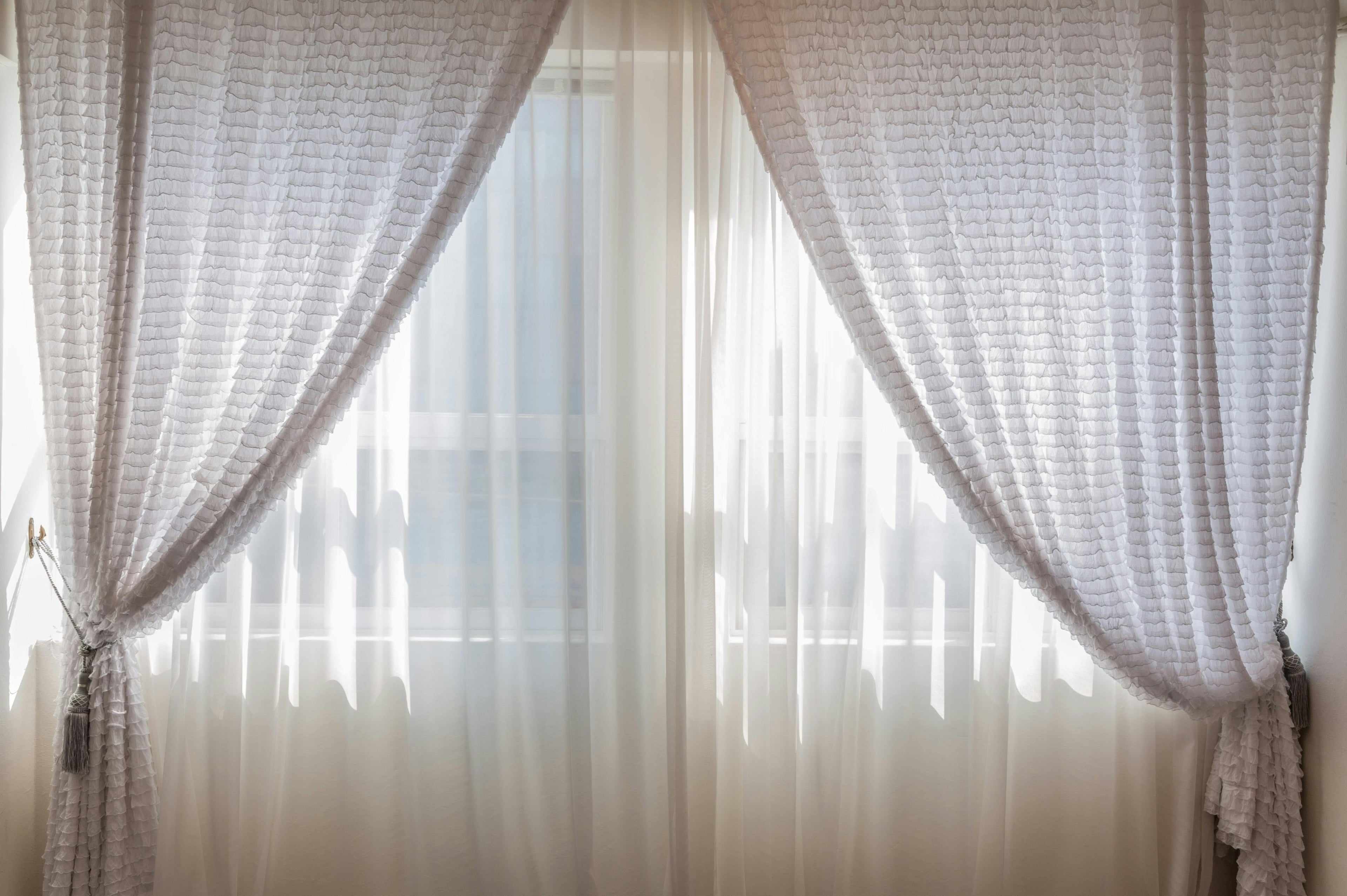
Old apartments can suffer from a lack of light, especially in rooms in the middle of the building. To maximize natural light, keep windows clear. Opt for light sheer curtains rather than heavy blackout curtains. Strategically placed mirrors facing light sources are a timeless classic for doubling the lighting and visually enlarging the space. For artificial lighting, forget the single ceiling light in the center of the room. Think in layers: soft general lighting (discreet recessed spotlights on the periphery, or pendant lights with a diffuser), ambient lighting (table lamps, LED strips behind furniture), and functional lighting (reading lights, kitchen spotlights). Wall sconces are ideal for dressing a bare wall and creating warm indirect light.
A Color Palette Suited to the Architecture
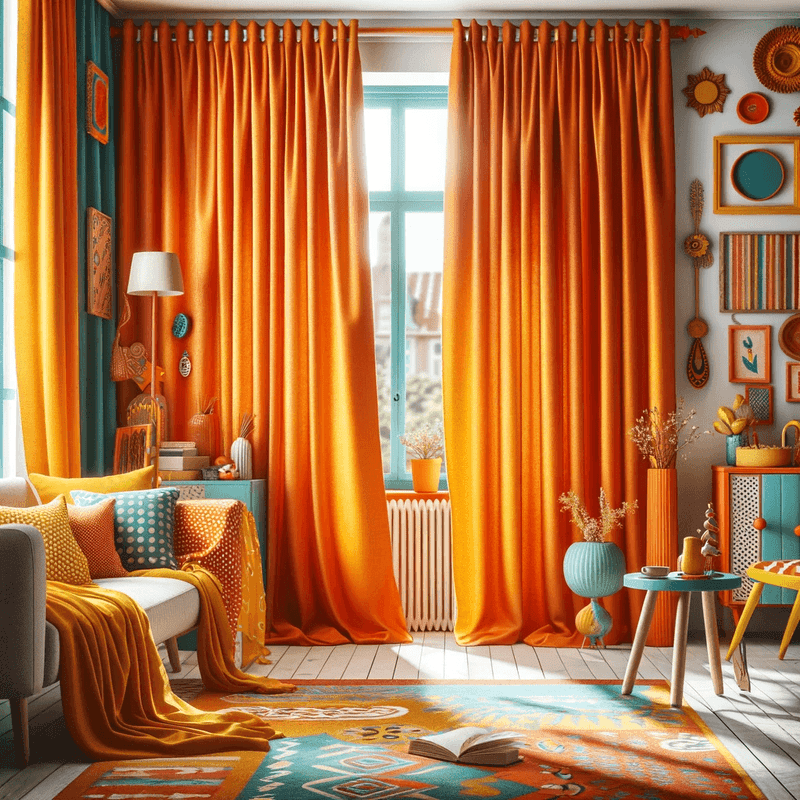
The choice of colors is essential for enhancing old volumes. Light and neutral tones (off-white, very pale gray, taupe, linen) enlarge the space and highlight moldings. They constitute a perfect and timeless base. However, do not hesitate to introduce touches of more assertive color to create character. Dark and deep colors (navy blue, bottle green, blood red) in a room with high ceilings and beautiful moldings create an atmosphere that is both dramatic and cozy, very trendy. Earth tones (ochre, terracotta, sienna) dialogue beautifully with wood and stone, recalling natural pigments. A tip: paint moldings, baseboards, and door frames in a contrasting color (matte black, for example) to make them stand out with modernity.
Furniture: The Successful Marriage Between Old and Contemporary
It is in the choice of furniture that the "mix & match" style makes perfect sense. The contrast between old architecture and furniture with clean, contemporary lines is often very successful. A glass and steel table, a sofa with organic shapes, or a modular metal bookcase will bring unexpected freshness. Conversely, integrating a few vintage or period pieces (a rustic sideboard, a 1950s architect's table, a club chair) will reinforce the soul of the place. The important thing is to create a visual balance. Avoid cluttering the rooms; old volumes breathe with airy furniture. Also think about custom-made furniture to perfectly fit corners, alcoves, or sloped areas, thus maximizing every square centimeter.
Materials and Textures: The Key to Warmth
To prevent a renovated old interior from appearing cold, play on the richness of materials and textures. Mix the velvet of the sofa with the linen of the cushions, the wool of the rug with the worn leather of the armchair. Introduce natural materials like rattan, wicker, jute, or raw wood. Stone (marble, travertine) and metal (brass, black wrought iron) also echo the history of the building. This tactile layering creates an incomparable depth and warmth, essential for a welcoming interior.
Optimizing Space and Circulation in an Old Floor Plan
Old floor plans (enfilade of rooms, narrow hallways, maid's rooms) do not always correspond to our contemporary lifestyles. The temptation is great to knock down walls to create open spaces. This solution can be excellent for gaining light and conviviality (kitchen/living room), but it must be considered carefully. Check the nature of the walls (load-bearing or not) and think about acoustic and visual management afterwards. Sometimes, preserving a partial separation with glass partitions, sliding doors, or open bookcases is wiser. For small spaces like hallways, use mirrors, light paint, and generous lighting. Built-in storage in alcoves or under slopes is precious for decluttering the space.
Art and Accessories: The Personal Signature
It is through accessories and art that your personality fully expresses itself. In an old setting, contemporary art (large-format photographs, abstract paintings, sculptures) creates a striking and dynamic contrast. For a more classic setting, old engravings or portraits in modernized gilded frames will find their perfect place. Regarding accessories, mix eras: a designer vase on an old mantelpiece, a Berber rug with geometric patterns on a Versailles parquet floor, sculptural lamps on vintage side tables. Green plants, especially climbing varieties or those with large leaves (monstera, fiddle-leaf fig), bring an organic vitality that softens the mineral quality of old walls.
Room by Room: Specific Tips for Decorating an Old Apartment
The Living Room: Heart of Life and Reception
Anchor the space with a rug that defines the conversation area. If you have a fireplace, make it the focal point. Arrange the sofa and armchairs to encourage interaction. Use table lamps of different heights to create intimate pockets of light. If the walls are high, consider a large bookcase or a vertical-format artwork to fill the space visually.
The Kitchen: Inserting Modern Appliances Discreetly
In an old kitchen, the idea is to integrate appliances (dishwasher, fridge) in a camouflaged manner, behind facades that harmonize with the style. Custom kitchens with painted wood fronts, porcelain or brass handles, and a countertop in natural stone or solid wood are ideal. Possibly retain an old element like a cast iron sink or original tiles to keep a soul.
The Bedroom: A Haven of Peace
Priority to comfort and serenity. A bed with a padded or velvet headboard adds softness. Exploit alcoves to slide in the headboard or to create a built-in wardrobe. Thick blackout curtains are valuable for sleeping well. A thick carpet or a large rug at the foot of the bed increases acoustic and thermal comfort.
The Bathroom: Modernizing Without Betraying
The bathroom is the room that often requires the most radical transformation. To keep a soul, opt for revisited "period" materials: modern cement tiles, white metro tiles, a ceramic pedestal sink, cross-handle faucets in an old style but in brass or matte black. A large mirror with an ornate frame and soft, diffuse lighting will transform the space.
FAQ: Answers to Frequently Asked Questions About Decorating an Old Apartment
Should All Old Elements Be Kept?
Absolutely not. The goal is to create an interior that reflects you and is functional. Choices must be made. Identify elements with high heritage or aesthetic value (a beautiful molding, a parquet floor) and those that are unsightly or too damaged (1970s tiles, PVC joinery). You can also decide to restore only certain elements in reception rooms (living room, entrance) and modernize private rooms more frankly.
How to Modernize an Old Apartment Without Denaturing It?
The key is controlled contrast. Keep the envelope and structural elements (ceiling heights, volumes, parquet floors, moldings) and insert contemporary furniture, lighting, and accessories. Use a current color palette. Integrate invisible technologies (audio, video, connected lighting). This dialogue between old and new creates a dynamism much more interesting than an identical reconstruction.
What Are the Current Trends for Character Apartments?
Several strong trends are emerging: the "Grandmillennial style," which mixes traditional patterns (toile de Jouy, floral) with modern pieces; the use of dark, saturated colors in rooms with high ceilings; the return of wallpaper, especially large-format or panoramic patterns; the integration of artisanal and unique furniture and objects; and a more sustainable approach, with restoration rather than replacement, and the choice of natural and local materials.
How to Manage the Lack of Storage in an Old Apartment?
The solution lies in custom-made solutions and ingenuity. Exploit all niches, spaces under stairs, and sloped areas. Install floor-to-ceiling cabinets in hallways or bedrooms. Use multifunctional furniture (bed with storage drawers, storage bench). Also think about decorative storage solutions, like open shelves or bookcase furniture, which become integral elements of the decoration.
What Budget to Plan for Decorating an Old Apartment?
The budget varies greatly. A distinction must be made between major renovation work (electricity, plumbing, insulation) and decoration proper. For decoration, it is entirely possible to proceed in stages. First invest in key pieces (a good sofa, a comfortable bed, a dining table) and in elements that radically change the ambiance (paint, lighting). Then gradually hunt for accessories, vintage furniture, or artworks. The mix of investments and low-cost finds often yields the most personal results.
Conclusion: Creating a Unique Setting Between Past and Present
Decorating an old apartment is much more than a simple style exercise; it is an act of transmission and creation. It's about listening to the walls, understanding the history they carry, and inscribing your own with sensitivity and boldness. By respecting the framework of the place while infusing your personality through choices of contemporary furniture, colors, and accessories, you will create a unique interior, full of emotion and perfectly adapted to modern life. The old apartment, once reinvented, becomes an incomparable setting, a place where time seems suspended between the elegance of the past and the comfort of the present. To discover more inspiration and detailed advice on transforming your interior, feel free to explore the other resources and complete guides available on ombreinterieur.fr. For more tips, discover how to decorate a minimalist dining room with a hallway rug on the blog. Discover our entire decor universe on Ombre Interieur.
