















Furnishing a Small Apartment: Tips and Practical Solutions
Living in a compact space need not mean sacrificing comfort or style. On the contrary, furnishing a small apartment becomes a stimulating creative exercise, where every square metre turns into an opportunity. With a strategic approach, you can unlock your interior’s full potential by playing with light, choosing multifunctional furniture, and devising clever storage solutions. Let us guide you in crafting a home that breathes, reflects your personality, and transforms constraints into assets, making even the smallest nook feel airy and inviting.
Furnishing a small apartment is often seen as a major challenge, even an insurmountable constraint. However, with the right strategies, a limited space transforms into a haven of functionality, comfort, and personal style. The key lies not in the number of square meters, but in the intelligence of the layout and the optimization of every centimeter. Whether you live in a studio, a compact two-bedroom, or three-bedroom apartment, the principles of interior design for small spaces will allow you to create a living space that breathes, reflects you, and meets all your needs. This article is your complete guide to furnishing a small apartment successfully, exploring current trends, organization tips, and decorative solutions that make all the difference.
The Basic Philosophy: Think "Quality of Space" Rather Than Square Footage
Before moving the first piece of furniture, it's essential to adopt the right mindset. Furnishing a small apartment requires a minimalist and strategic approach. It's about valuing the quality of the space rather than its quantity. This involves banishing clutter, prioritizing light, and creating a fluid flow. The feeling of being cramped in a small home often comes from an excess of objects, overly bulky furniture, or poor layout. By planning each addition carefully and aiming for multifunctionality, you turn limitations into assets. A well-thought-out space always appears larger and more welcoming.
The Essential Step: Intelligent Zoning
In an open space or an apartment with cramped rooms, delineating zones without building walls is an art. Zoning allows you to structure your daily life and bring visual order.
Delineate Without Partitioning
Use furniture, rugs, lighting, or colors to create dedicated spaces. A sofa with its back to the rest of the room can mark the separation between the living room and dining area. A large rug under the relaxation area anchors the living room space. A low, open bookcase acts as a light separation between the living room and a home office corner.
Create Dedicated Spaces
Even in 30m², it's possible to have a dining area, a workspace, a sleeping area, and a living room. The trick is to layer them over time. A lift-top coffee table becomes a dining table, a desk hides in a closet, a bed folds into a cabinet or transforms into a sofa during the day. This flexibility is at the heart of a successful small apartment layout.
Choosing Furniture: The Golden Rule of Multifunctionality
This is the most important pillar. Every piece of furniture must justify its presence through its utility, and ideally, through multiple functions.
- The Storage Bed or Murphy Bed: A revolutionary solution for a studio. The Murphy bed (wall or ceiling-mounted) frees up floor space all day. The storage bed offers immense integrated storage volume for bedding, off-season clothes, or suitcases.
- The extendable or drop-leaf table: Essential for the dining area or desk. Wall-mounted, it disappears when not in use. In its "console" version, it extends to accommodate guests.
- Modular Seating: Stackable stools, poufs that open for storage, or folding chairs that hang on the wall.
- Furniture Reaching the Ceiling: Bookcases and shelves that go up to the ceiling exploit verticality, drawing the eye upward and creating a sense of height.
Current trends see the emergence of stylish "transformable" furniture, far from a camping look. Ultra-comfortable sofa beds, coffee tables with lift-tops for eating or working, and custom integrated storage systems are the best allies for optimizing a small space.
Storage Optimization: Every Centimeter Counts
Clutter is the number one enemy of small interiors. Intelligent and abundant storage is non-negotiable.
Integrated and Custom Storage
The most effective solution for a small apartment is often custom storage. It allows for perfectly fitting into nooks, sloping ceilings, or spaces under stairs. Sliding closets from floor to ceiling along an entire wall offer massive storage capacity while maintaining a clean look.
Utilize Neglected Areas
Think about storage under the bed (especially with drawer bed bases), above doors (high shelves), in wall thicknesses (niches), under stairs, or even under window seats (bench storage). Coat racks and shelves in the entryway, even if tiny, prevent accumulation in the living area.
The "One In, One Out" Rule
To avoid accumulation, adopt a strict discipline: for every new object purchased, an old one must leave the apartment. This applies to clothes, dishes, books... This practice maintains the balance and lightness of the spaces.
The Magic of Colors and Light
The color palette and lighting are powerful tools for visually enlarging a small apartment.
A Light and Bright Palette
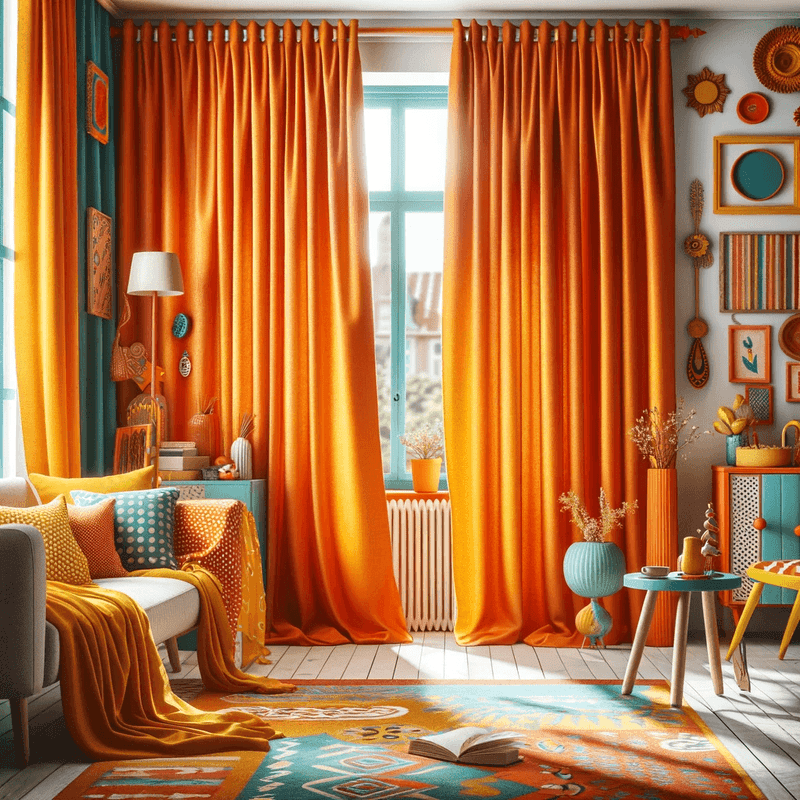
Light colors (white, cream, very pale gray, soft pastels) reflect light and enlarge perceptions. Prioritize them for walls and large furniture. This doesn't mean giving up personality! Introduce touches of color and texture through accessories (cushions, throws, artwork), an accent wall, or a signature piece of furniture. Dark tones can be used sparingly to create depth or frame an area.
Layered Lighting
Avoid a single ceiling light that crushes the space. Create multiple light sources at different heights: floor lamps for ambiance, table lamps for activities, directional spotlights to highlight a painting or shelf. Articulated-arm floor lamps are perfect for studios. Also consider LED strips under shelves or behind furniture for ambient lighting that "lifts" the walls.
Maximize Natural Light
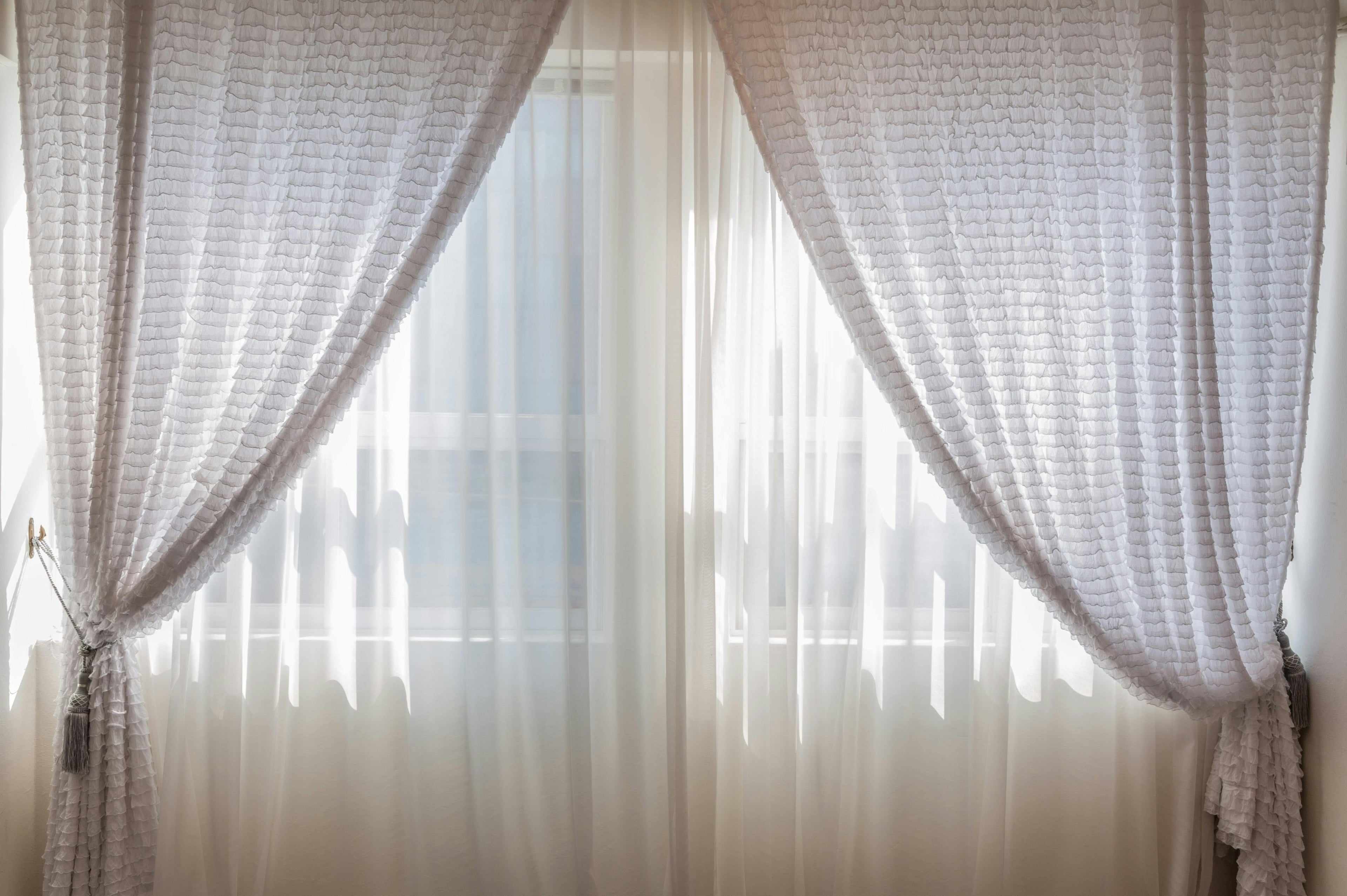
Let in as much daylight as possible. Use light sheer curtains rather than thick curtains. Mirrors, strategically placed facing windows, double the light and create an illusion of additional space. A large mirror in the entryway or behind a sofa works wonders.
Optical Illusion Tricks to Enlarge the Space
A few simple techniques can trick the eye and give the impression of a more generous volume.
- Continuous Floors: Use the same floor covering (parquet, laminate, vinyl) throughout the continuous surface of the apartment. This removes visual breaks and unifies the space.
- Sliding Doors: They save the swing space of a hinged door and add a contemporary touch.
- Furniture on Legs: Prefer sofas, beds, and dressers raised on legs. The visual space flows underneath, giving an impression of lightness and fluidity.
- Vertical and Horizontal Lines: Vertical stripes on a wall (wallpaper or paint) make the ceiling appear higher. Horizontal lines (wainscoting, long shelves) widen a narrow room.
Decorating with Restraint and Personality
A small space should not be impersonal. Decoration is even more crucial there, as every element is highlighted.
Choose Statement Pieces
Instead of accumulating small knick-knacks, opt for a few masterpieces: a beautiful work of art, a sculptural vase, a rug with interesting patterns. This creates focal points without clutter.
Play with Textures
In a light color palette, textures bring warmth and richness. Mix linen, wool, velvet, rattan, raw wood, and metals. A chunky knit throw, a wicker basket, a ribbed velvet cushion... These tactile contrasts avoid coldness and make the space welcoming.
Greenery as an Asset
Plants are the best friends of small interiors. They purify the air, bring a touch of life and color. Prioritize climbing plants (ivy, pothos) or hanging plants to avoid occupying floor space, or graphic species like a snake plant or a fiddle-leaf fig.
Adapting Specific Rooms: Kitchen, Bathroom, Entryway
Each room has its specific challenges in a small layout.
The Optimized Kitchen
Prefer a linear or L-shaped kitchen to save space. Built-in appliances (microwave oven, slim dishwasher) are valuable. Use the full height with cabinets up to the ceiling. A clear countertop is visually essential: opt for wall storage (rails, shelves) for everyday dishes. Light and glossy kitchen fronts (lacquer, glass) reflect light.
The Practical Bathroom
Wall-mounted furniture (vanity, toilet) frees up the floor and facilitates cleaning. A medicine cabinet or wall-mounted medicine cabinet offers storage without encroachment. Large-format tiles with thin grout lines visually enlarge the space. A walk-in shower without a tray seems more spacious than a bathtub.
The Functional Entryway
Even if reduced to a simple hallway, it must be organized. A narrow coat rack, a storage bench to sit and store shoes, a mirror to check your outfit and reflect light. A small basket for keys and mail prevents clutter.
Current Trends for Small Spaces
The market has largely adapted to urban living in reduced surfaces. Several strong trends are observed:
- "Micro-living" and High-Tech Solutions: Furniture controllable by smartphone (motorized Murphy beds), connected lighting to modulate atmospheres, miniaturized and high-performance appliances.
- Natural and Warm Materials: A counterpoint to high-tech, light wood (oak, beech), rattan, linen, and terracotta bring essential softness to small spaces, avoiding a "cell-like" effect.
- Customization and Accessible Custom-Made: Thanks to specialized manufacturers, it is easier and more affordable than before to have a piece of furniture or a storage system perfectly adapted to your exact dimensions.
- Light Partitioning Solutions: Stylish room dividers, open bookcases, heavy fabric or bead curtains, frosted glass partitions... So many solutions to create privacy without obstructing light.
Frequently Asked Questions: Answers to Your Questions
How to Furnish a Studio Apartment Under 25m²?
The absolute priority is sleeping flexibility. A Murphy bed or a very high-quality sofa bed is the main investment. Then, use a tall piece of furniture for storage (like a wardrobe) and a wall-mounted drop-leaf table. Zoning with a rug and a change in lighting level is crucial to separate the sleeping area from the living area.
What Paint Color to Choose to Enlarge a Small Room?
Warm white tones (off-white, eggshell) are the safest. They avoid the coldness of pure white while reflecting light. For more character, you can paint one wall in a stronger but still light shade (grayish blue, sage green, pale terracotta) to create depth, and keep the other walls very light.
Can You Have a Dining Table in a Small Apartment?
Absolutely. There is no shortage of solutions: a wall-mounted drop-leaf table, a lift-top coffee table (raised to eat on the sofa), an extendable table that slides against a wall in "console" position, or even a counter/bar fixed to a partition or the kitchen. The important thing is that it doesn't block circulation when not in use.
How to Manage Storage in an Apartment Without a Dressing Room?
Several options: a metal wardrobe system like "Elfa" or "String" that you dress with a curtain, a large custom cabinet integrating hanging space and shelves, or transforming a niche or nook into a dressing area with rails and shelves. Don't forget to use the space under the bed with storage boxes.
Are Mirrors Really Effective for Enlarging a Space?
Yes, provided they are placed strategically. The ideal is to position them facing a natural light source (window) to double it. A large mirror in the entryway or behind a sofa creates a reflection that gives the impression of a mirrored room. Avoid small mirrors scattered around which fragment the space.
Conclusion: Your Small Apartment, a Custom Haven of Well-Being
Furnishing a small apartment is a creative and rewarding adventure. Far from being a constraint, the limited surface area forces you to make choices, refocus on the essentials, and invent ingenious solutions. By applying the principles of zoning, multifunctionality, storage optimization, and visual harmony, you will create an interior that has nothing to envy of larger spaces. Your home will become the reflection of a conscious and refined lifestyle, where every object has its place and its reason for being. Don't be afraid to personalize, experiment, and seek inspiration. To discover more ideas, custom solutions, and trends to enhance every square meter, explore the other resources and complete guides available on ombreinterieur.fr. Your ideal nest awaits. For more tips, discover how to choose an entryway bench for the bedroom on the blog. Browse our online store to see all our collections.
