













Enhance Your Entryway: Decor and Layout Tips
Your hallway is not merely a corridor: it is the first gesture of your home, a threshold that sets the tone for the entire house. Yet this often cramped space becomes a dumping ground for shoes and coats, at the expense of harmony. How to make it welcoming, functional and stylish without sacrificing square footage? By examining your habits and choosing clever furniture, you can transform this passageway into a true sanctuary. Let us guide you toward an entrance that feels unmistakably yours.
The entryway to your home or apartment is much more than just a passageway. It's the first impression, the airlock between the outside hustle and the inner sanctuary, a calling card that speaks volumes about your personality and lifestyle. Yet, this often cramped space is frequently neglected, becoming a catch-all for shoes, coats, and bags of all kinds. Enhancing your entryway is therefore not a decorative whim, but a necessity for creating a warm and functional welcome. This article is your complete guide to transforming this transitional area into a true jewel box, regardless of its size or your budget. We will explore the fundamental principles of layout, current trends, and detail step-by-step how to create an entryway that is both practical and aesthetic, setting the tone for your entire interior.
Why Your Entryway Deserves Your Full Decorative Attention
Before diving into the practical, it's essential to understand the multifaceted role of the entryway. Psychologically, it's a decompression zone. A well-arranged entryway allows you to leave the day's stress at the door and enter your home serenely. Functionally, it's the nerve center for arrivals and departures: where you drop your keys, mail, put on or take off your shoes. Aesthetically, it announces the color and style of the rest of the home. A well-kept entryway creates a harmonious continuity and immediately elevates the perception of your overall decor. Enhancing your entry hall is therefore an investment with a high return in terms of well-being and overall impression.
The Fundamentals: Defining Needs and Optimizing Space
The first step to enhancing your entryway is to conduct an impartial audit of the space and your habits. Take the time to observe how you and your family use this space daily. Where do the keys land? Where do the shoes pile up? Is there a spot for guests' coats?
Functional Analysis: The Key to an Organized Entryway
List all the functions your entryway must fulfill: shoe storage (daily and seasonal pairs), hanging coats and jackets, space for handbags or backpacks, a small desk for mail, a mirror for a final check, and of course, a decorative touch. This analysis will allow you to prioritize layouts based on your real needs, not a preconceived idea.
Optimizing Small Spaces: Tips and Optical Illusions
For narrow or tiny entryways, optimization is key. Prioritize furniture with custom or modular dimensions. A narrow bench with integrated storage under the seat is a perfect two-in-one solution. Use verticality: high shelves, a slender wall coat rack, or hooks aligned to the ceiling divert the gaze and create an impression of height. Light colors (white, very pale beige, light gray) on the walls reflect light and visually enlarge the space. A large mirror is essential for doubling the perception of depth.
Essential Furniture for a Functional and Stylish Entryway
Choosing the right furniture is crucial for reconciling order and aesthetics. Current trends favor pieces with clean, understated designs, but with character.
The Entryway Console: The Centerpiece
More than just a table, the console is the heart of the entryway. It serves as a landing spot for keys, mail, a vase, or a lamp. Models with drawers or a lower shelf are ideal for hiding everyday clutter. 2026 trends see the emergence of consoles with organic, curved shapes, contrasting with strict lines, as well as the return of noble materials like solid wood with natural finishes (oak, walnut) or travertine.
Smart Storage Solutions
Beyond the console, think about integrated or clever solutions. A sliding wardrobe or a cabinet with hinged doors can conceal an entire dressing area in a small space. Storage benches are perfect for storing off-season shoes or sports gear. Open ladder-style shoe racks, in metal or wood, add a design touch while keeping pairs within reach. For coats, design wall hooks (in the shape of branches, triangles, or geometric lines) advantageously replace traditional bulky coat racks.
Lighting: Creating a Welcoming Atmosphere from the Threshold
Good lighting is the magical element that transforms a functional entryway into a warm space. It must be both practical and atmospheric.
The general light, often provided by a ceiling light or pendant, should be powerful enough to illuminate the entire space. Multi-arm pendants or opal glass globes diffuse soft, uniform light. For ambient lighting, add a table lamp on the console. A lamp with a textured fabric or paper shade will bring a subdued, cozy glow in the evening. Finally, don't forget directional lighting: a wall sconce above the mirror or an LED strip integrated into a niche will eliminate shadows for a last-minute outfit check without surprises.
The Mirror: Much More Than a Practical Accessory
The mirror is the indispensable ally of the entryway. Besides its obvious utility, it reflects light and gives an impression of space. The choice of its frame is an opportunity for stylistic expression. For a modern entryway, opt for a frameless mirror or one with a thin metal border (rose gold, matte chrome). For a bohemian or retro style, a frame in rattan, carved wood, or with Art Deco patterns will make a statement. Shapes are also a game: a round mirror or oval softens the angles of a square entryway, while a sunburst mirror becomes a sculptural piece in its own right. Don't hesitate to play with proportions: a very large mirror leaned against the wall on the floor can be spectacular.
Wall Decor and Colors: Setting the Tone
The entryway walls are a blank canvas to express your personality. The trend is toward deep colors and textures, even in small spaces. Contrary to popular belief, a dark color like midnight blue, forest green, or anthracite gray can create a cozy and sophisticated ambiance, especially when paired with well-thought-out lighting and contrasting elements (light wood, gold metal).
For decoration, favor a few strong pieces rather than an accumulation. A large work of art, a composition of frames of varied sizes (with photos, posters, or prints) or a carefully curated wall shelf (art books, vase, small sculpture) draw the eye. Wallpapers are making a strong comeback, particularly graphic geometric patterns or botanical frescoes, perfect for creating a focal point on a single wall.
Flooring and Textiles: Details That Make the Difference
The entryway floor must be both aesthetic and resistant to foot traffic and dirt. Vinyl flooring imitating tile or hardwood is very practical and offers a wide choice of designs. Cement or terracotta tile brings a touch of authenticity. If you have hardwood, protect it with a decorative doormat or an entryway rug.
Speaking of which, the rug is a key element for enhancing your entryway. It defines the space, adds texture and color, and protects the floor. Choose a rug made of durable natural fibers (coco, sisal) or easy-care wool. Tribal patterns, stripes, or solid colors are very effective. Add cushions on a bench for extra comfort and a pop of color.
Accessories and Personalization: The Final Touch
This is where your entryway truly becomes your own. Accessories should be chosen sparingly to avoid visual clutter.
- A catch-all tray or bowl: Essential for dropping keys, change, and small items upon arrival. Opt for a model in ceramic, marble, or wood.
- A design umbrella stand: Useful and decorative, it prevents puddles.
- A plant element: A green plant (a very resilient snake plant, a trailing pothos, or a fiddle-leaf fig) brings a breath of life and purifies the air. A large bouquet of dried branches (eucalyptus, pampas grass) is also very trendy.
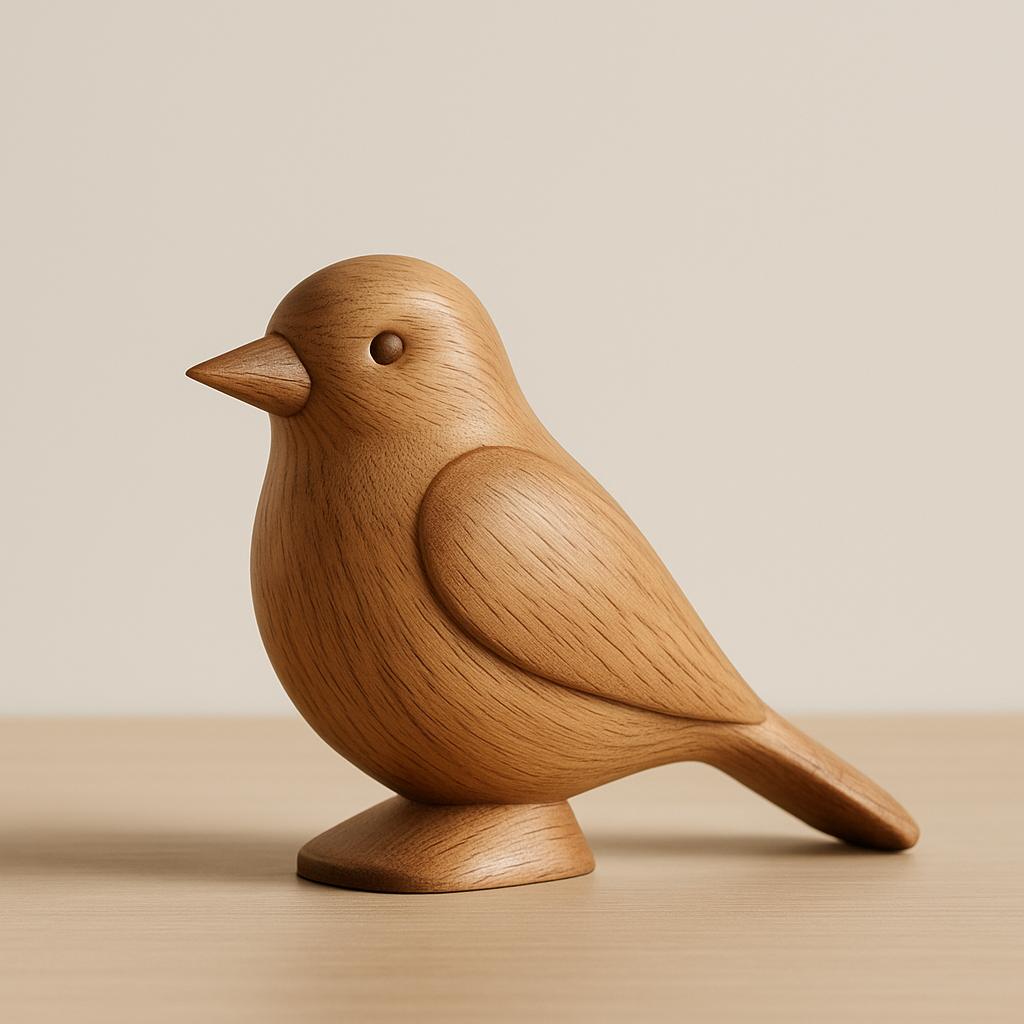
- Personal artwork: A small sculpture, a vintage find, or a souvenir object from a trip tells a story and personalizes the space.
FAQ: Your Questions on Enhancing Your Entryway
How to arrange a very narrow and long entryway?
Prioritize using the side walls. Install an extra-slim console (20-25 cm deep) against one wall, topped with a long, narrow mirror. On the other side, fix a series of hooks or a very thin shelf for bags. Use a long, narrow rug to guide the eye toward the next room. Lighting should be directed toward the walls to visually widen the space.
What paint color to choose for an entryway without a window?
In a dark entryway, light and bright colors are the safest: warm white, cream, very pale gray reflect artificial light to the maximum. To dare with color, choose saturated but light-toned hues, like sky blue, mint green, or powder pink. Avoid dull or very dark colors that would absorb light. Compensate especially with generous and multiple lighting (ceiling light, sconce, table lamp).
How to create an entryway in a studio or open space?
It's about creating a visual demarcation without a partition. Several techniques exist: use a rug with a distinct shape and pattern to define the "entryway" zone, install a half-wall or a low bookshelf that serves as a divider, play with a color change on one wall section, or hang a curtain of beads or fibers. A piece of furniture like a console placed back-to-back with the sofa can also symbolically mark the limit.
What are the current trends for enhancing your entryway in 2026?
Several trends are emerging: the return of natural and raw materials (terracotta, reconstituted stone, lime, wood with visible grain), the rise of curves and organic forms (cloud mirrors, consoles with rounded legs), the search for personalization and authenticity with artisanal or vintage pieces, and the increased importance of multi-functionality, especially in small spaces (transformable furniture, ingenious storage).
How to manage shoe storage in a small entryway?
The key is selection and rotation. Only keep seasonal shoes in the entryway (4-5 pairs per person maximum). Use vertical solutions: narrow shelves, tiered shoe racks placed high, or storage under a bench. Transparent stackable shoeboxes on a high shelf are also a visually tidy solution. For other pairs, plan storage in a nearby closet or under a bed.
Conclusion: Your Entryway, an Evolving Project
Enhancing your entryway is a process that can be done in stages, depending on your time and budget. Start with the most urgent: decluttering and defining basic storage zones. Then add lighting and the mirror for more comfort. Finally, personalize with color, textiles, and accessories that reflect you. Remember that this space evolves with you and with the seasons. Don't hesitate to change a cushion, a vase, or the doormat to give it a regular refresh. To discover more inspiration, DIY tutorials, and expert advice for every room in your home, continue your exploration on ombreinterieur.fr. Your interior deserves all your attention, and it starts right at the doorstep. Fall in love with Rideau De Porte D Entree Exterieure, a real plus for your interior. Before choosing, browse how to integrate planters into a Scandinavian entryway. Browse our online store to see all our collections.
