















Enlarging a room with parquet flooring: tips and techniques
If your room lacks breadth and you are seeking an elegant solution before resorting to major renovations, the choice of flooring—from its colour to the direction of the planks—acts as a powerful architectural tool to push walls back visually. By playing with wood species, board widths and the way light reflects, you can transform a constrained space into an airy, luminous volume. Let the subtleties of this craft guide you, giving your interior a new dimension without a single hammer blow.
The feeling of being cramped in a room that's too small is a challenge many homeowners and renters face. Before considering costly and complex demolition work, know that the choice of flooring, and particularly wood flooring, is one of the most powerful levers for creating an illusion of space. A well-chosen and well-laid floor can literally push back the walls, raise the ceilings, and flood the room with light. This article is your complete guide to mastering this art. We will break down together all the techniques, from the choice of wood species and plank styles to installation and maintenance tips, to transform your interior and give it the spaciousness and brightness you dream of.
The Psychology of Space: How Flooring Influences Our Perception
Our brain interprets space through visual cues. The floor, being the largest flat surface in a room, plays a fundamental role in this perception. Flooring with wide and long planks, laid in the direction of the room's length, creates vanishing lines that guide the eye to the farthest point. This linear perspective gives an immediate impression of stretching. Conversely, flooring with complex patterns or short planks can fragment the visual space, making it appear more divided and therefore smaller. Understanding this principle is the first step to making informed choices.
The reflection of light is another crucial parameter. A light and slightly shiny floor acts as a natural reflector, bouncing ambient light (whether from windows or artificial lighting) towards the ceiling and walls. This uniform diffusion softens cast shadows, blurs corners, and muddles the room's boundaries. The effect is a sensation of openness and increased volume. Every decision, from color to finish, must be considered from this optical angle.
The Crucial Choice of Color: Light, Medium, or Dark?
The golden rule for enlarging a room is often summed up as "light and bright." This statement is true but deserves nuance. Floors in white, very pale gray, natural bleached or oiled oak tones are the undisputed champions for maximizing light. They create a neutral and reflective base that harmonizes with all decoration styles. Current trends also favor light oaks with matte or satin finishes, bringing a Scandinavian or contemporary touch that is very effective for limited spaces.
Floors of a medium tone, like honey oak or light walnut, offer an excellent compromise. They bring warmth and character without excessively absorbing light. They are perfect for creating a cozy atmosphere while maintaining a sense of space, especially if the walls are painted in light tones.
Contrary to popular belief, a dark floor (wenge, smoked oak, dark chestnut) can also visually enlarge a room, provided one essential rule is followed: contrast. In a room with very light walls and abundant lighting, a dark floor creates a strong visual anchor and can give the impression that the walls "float," thereby enhancing the ceiling height. However, this approach is riskier in very small or poorly lit rooms, where dark tones can have an overwhelming effect.
The Magic of Installation Direction: The Ultimate Architectural Trick
The direction of the floor planks is the most direct tool for sculpting space. Laying your floor in the direction of the length of the room is the most common and effective technique for visually lengthening it. The lines parallel to the longest walls irresistibly guide the gaze, creating a perspective that stretches the room. It's an ideal solution for a narrow hallway, an elongated kitchen, or a rectangular living room.
For a square or nearly square room that lacks directional cues, diagonal installation (at 45° to the walls) is spectacular. It breaks the monotony of right angles, energizes the space, and draws the eye to the corners, which gives the illusion of a wider room. Be careful, this installation generates more wood waste and can be more complex to execute, but the visual result is often worth it.
Staggered installation (offset planks) remains a timeless classic suitable for almost all situations. To enhance the enlarging effect, favor long offsets (planks of very varied lengths) which avoid a too repetitive pattern and maintain an interesting visual dynamic.
Installations to Avoid in Small Spaces
Certain installations, although beautiful, should be avoided in small areas. Herringbone installation (or chevron), with its sharp angles, creates a very active pattern that can saturate the visual space and make it appear cluttered. Similarly, floors with complex patterns (diamonds, marquetry) or very short planks fragment the floor and break spatial unity, canceling any enlarging effect.
The Plank Format: Width and Length to Maximize Space
The current trend for visual enlargement decidedly leans towards wide and long planks. Planks 20 cm wide or more, and 2 meters long, create fewer visual joints. This continuity of the wooden surface gives an impression of calm, unity, and open space. The fewer lines on the floor, the more vast and peaceful the room seems.
Conversely, narrow planks (like traditional 7-8 cm strip flooring) multiply the joint lines. While this style can bring charm to a large room, in a small space, it risks creating a sensation of "stripes" that visually compresses the room. If you love this look, choose a very light wood species and a matte finish to mitigate this effect.
Wide chevron flooring (with planks 15-20 cm wide) is a notable exception. Although forming a pattern, the large size of the elements and the unique direction of the points can, if well oriented (points towards the main light source), contribute to enlarging the space in an elegant and design-oriented way.
The Decisive Impact of the Finish: Glossy, Satin, or Matte?
The floor finish is not just a matter of aesthetics or durability; it is a key element of light reflection. A glossy finish (high-gloss varnish) offers the best reflective power. It acts almost like a mirror on the floor, capturing and bouncing light intensely. However, it has the disadvantage of showing micro-scratches, dust, and footprints more easily.
The satin or semi-matte finish is the most balanced and popular choice. It reflects enough light to enlarge the space without being harsh on the eyes. It also better masks small everyday imperfections, making it a practical option, especially for living areas.
The matte or oiled finish brings a natural and contemporary touch. It absorbs more light than it reflects, which may seem counterproductive. Yet, by avoiding stray reflections, it creates a soft and uniform light, without bright spots that could fragment the view. In an already very bright room, a matte floor can enhance the quality of natural light.
Harmonizing Rooms: Creating a Continuous Flow for a Unified Space
To enlarge a house or apartment as a whole, floor continuity is a masterful strategy. Using the same flooring in several rooms in a row (for example, an open-plan living room, kitchen, and dining room) removes visual breaks. The gaze travels through the spaces without obstacles, creating a sensation of fluidity and grandeur. It's the architectural equivalent of opening up partitions.
If you must change flooring (between the entryway and the living room, for example), ensure a flush transition (perfectly level) and choose materials with similar colors and tones. Avoid overly strong contrasts that "cut" the space. A trick is to use the same wood species but with a different plank width or orientation to subtly delineate zones while maintaining unity.
Accessories and Decor: The Allies of an Enlarging Floor
Your beautiful light floor with wide planks will be even more effective if staged by coherent decor. Favor furniture with slender legs or raised on legs. This visual space between the floor and the bottom of the furniture allows you to see more of the floor, reinforcing the impression of space and lightness. Avoid bulky furniture that touches the floor.
The choice of rugs is crucial. Prefer light rugs, with discreet patterns or solid colors, and of appropriate size. A small rug in the center of a room fragments it. A large rug that leaves a beautiful border of flooring visible all around unifies the space. Ideally, the legs of the main living room furniture should rest on the rug.
Finally, play with reflections. A large mirror placed facing a window will double the light and the perspective offered by the lines of your floor. Metallic elements (lamps, table legs) or glass (coffee table) will add points of light without cluttering the visual space.
Solid Wood, Engineered, or Vinyl? The Material from a Space Perspective
All types of flooring can contribute to visual enlargement, but with nuances. Solid wood flooring offers impressive plank lengths (up to 3 meters) ideal for grand effects. Its price and more complex installation make it an investment.
Engineered wood flooring (or quality laminate "flooring") is today an excellent alternative. Printing technologies allow for ultra-realistic designs with very long planks and varied finishes. Its value for money and ease of installation (often click-lock) make it a very popular choice for renovation projects.
Luxury vinyl tile (LVT) or click vinyl flooring perfectly reproduces wood, with the advantage of being very thin. This low thickness is an asset for preserving ceiling height, especially if you install it over an old floor. They are also perfect for creating perfect continuity with adjacent rooms.
Lighting: Illuminating Your Floor
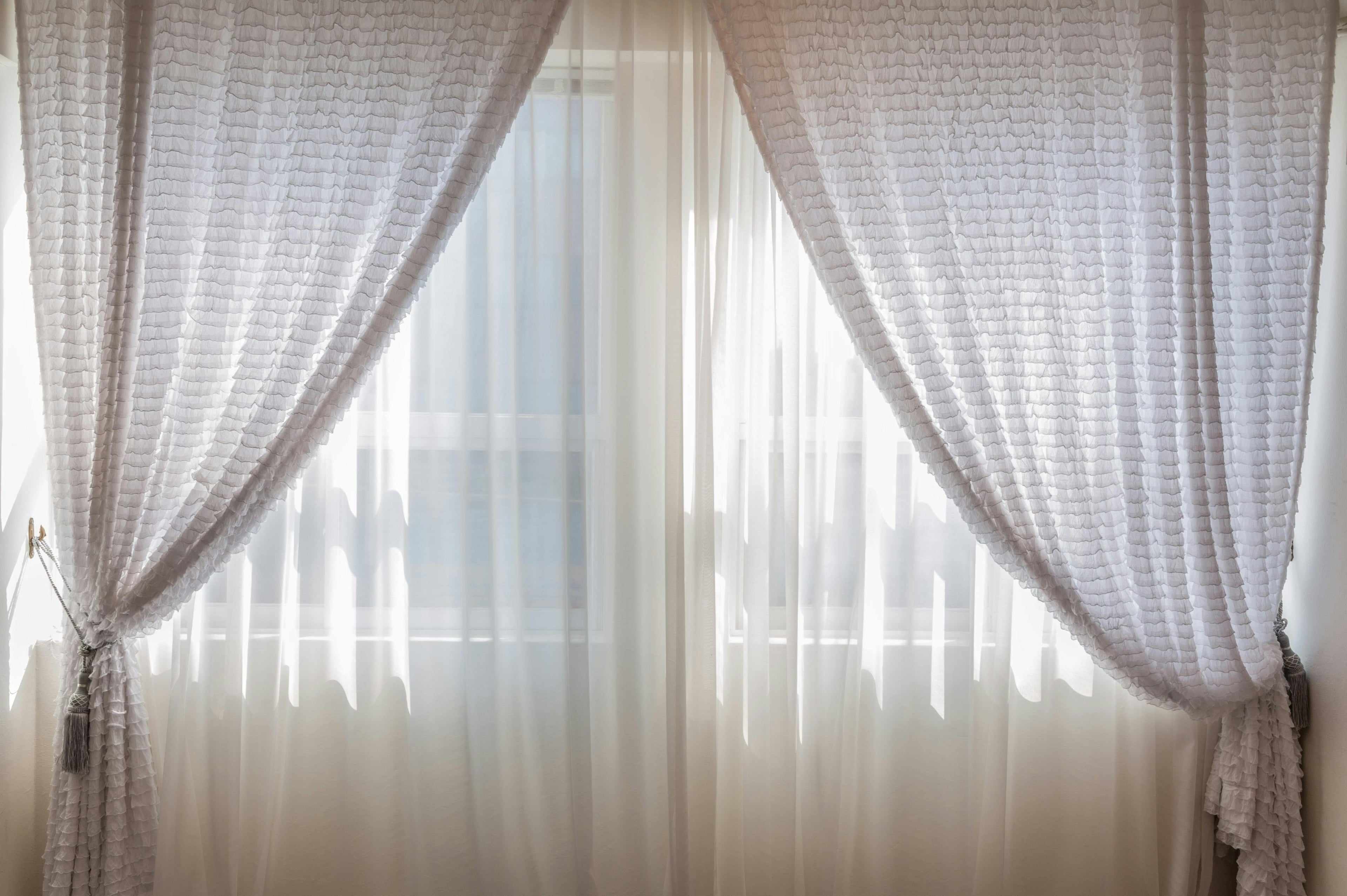
A floor designed to enlarge needs light to reveal its full potential. Maximize natural light by avoiding overly opaque curtains. Prefer light sheer curtains or blinds that let in daylight, which will graze the surface of your floor.
For artificial lighting, forget the single central ceiling light which creates harsh shadows. Adopt multi-layered lighting: recessed or track lights on the ceiling for general lighting, wall sconces to illuminate vertical surfaces, and floor lamps (like by the sofa) to create pockets of warm light. This diffuse and uniform lighting will erase corners and highlight the texture and color of your floor without creating shrinking shadow zones.
FAQ: Your Questions About Flooring to Enlarge a Room
Can a dark floor really enlarge a small room?
Yes, but under very specific conditions. This technique works if the room benefits from an abundance of natural light and if the walls, ceiling, and main furniture are in very light, even white, tones. The created contrast then gives depth and can make the walls appear taller. In a standard room with little light, a light floor remains the safest option.
What is the best plank width for a studio?
For a studio or small apartment, opt without hesitation for wide planks (minimum 15 cm, ideally 18-20 cm) and as long as possible. This format minimizes the number of joints, creating a visually calm and continuous surface that "flattens" the space and makes it appear larger. Avoid patterns and short planks.
Should floating or glued installation be preferred for this effect?
From a purely visual point of view, once installed, there is no difference. The choice is based on technical and practical criteria. Glued installation offers better stability and a more "solid" feel underfoot, but it is more permanent and complex. Floating installation (click) is faster, potentially allows for the floor to be recovered, and is often simpler for a skilled DIYer to implement. Both can achieve an excellent enlarging result.
How to maintain a light floor so it keeps its luminous effect?
The key is regularity. Vacuum regularly (with an attachment suitable for floors) and use a damp mop (very well wrung out) with a specific maintenance product for light floors. These products are often formulated to prevent yellowing. Avoid excess water and abrasive or overly acidic products (pure white vinegar). Protect high-traffic areas with rugs and furniture legs with felt pads.
Is diagonal installation more expensive?
Yes, generally. Diagonal installation generates more material waste (about 15% more than straight installation), which increases the cost of the flooring itself. Furthermore, labor is often more expensive because the installation requires more time, precision, and expertise for angle cuts. It is an aesthetic investment that can be worth it to transform a square room.
Conclusion: Your Action Plan for a Successful Transformation
Enlarging a room with flooring is not just a matter of taste, but a true interior design strategy. In summary, for maximum effect, combine a light floor with wide and long planks, laid in the direction of the room's length, with a satin finish. Harmonize it with airy decor and intelligent lighting. Remember that the floor is the foundation of your decor; a thoughtful choice at this level will positively influence the entire ambiance of your interior. Ready to give spaciousness to your living area? Explore our inspiration gallery and our complete guides on to find the flooring that will enhance your home and create the illusion of space you've always dreamed of. Need practical advice? Read how to decorate a vintage bedroom with diffusers. Get inspired on our decoration site for your next projects.
