















Bring more light into a dark home
Does your home feel dark, stuffy, or even a little gloomy? Do you feel like you're living in a cave while the sun shines outside? This feeling is more common than you might think. A dark house can impact our mood, our energy, and even our perception of space. But rest assured, there are a multitude of solutions, from the simplest to the most ambitious, to let in more light and transform your interior into a haven of brightness and well-being. This article is your complete guide to capturing every ray of sunshine, optimizing natural light, and creating the illusion of a brighter space through clever decorating tips. We will explore all facets of this issue, from structural work to aesthetic choices, so that your home can finally breathe with light.
Understanding the source of the problem: the light diagnosis
Before embarking on any work or purchases, it is crucial to analyze why your home lacks light. This diagnosis will allow you to target the most effective solutions. Several factors may be involved, often in combination.
The orientation of your rooms is the most determining parameter. A north-facing facade will receive soft but constant light, while a south-facing facade will be bathed in sunlight for most of the day. The east benefits from the gentle morning rays, and the west from the warm glow of the evening. Identify which rooms face north; they will require special attention.
The size, shape, and location of openings (windows, French doors, sliding glass doors) are the second key point. Windows that are too small, placed high on the wall, or insufficient in number significantly limit the amount of light entering. Also, observe what is outside: an overly dense tree, a party wall, an overhanging balcony, or any other external obstacle can steal precious light.
Finally, indoors, the decor can be the enemy of brightness. Dark colors on walls and floors, bulky furniture blocking the path of light, thick textiles, and cluttered decorations all contribute to darkening the atmosphere. Letting in light also means knowing how to make room for it once it is inside.
Optimizing what you have: solutions without major renovations
Sometimes, simple and inexpensive changes can make a dramatic difference. Always start with these tips before considering more extensive transformations.
The magic of color and finishes
Paint is your most powerful ally. To let in more light and reflect it, choose light colors on all surfaces. White remains unbeatable, but shades of white (off-white, cream white, very pale gray) avoid the coldness of pure white. Soft pastels (sky blue, mint green, peach) also bring brightness with a touch of color.
Opt for matte or satin finishes rather than glossy ones on walls to avoid harsh reflections. On ceilings, however, a matte or very slightly satin white paint will help diffuse light. Also consider floors: light-colored parquet (bleached oak, pine) or tiling in very light beige or gray tones will work wonders. Glossy or lacquered finishes on floors also increase reflection.
Strategic choice of textiles and coverings
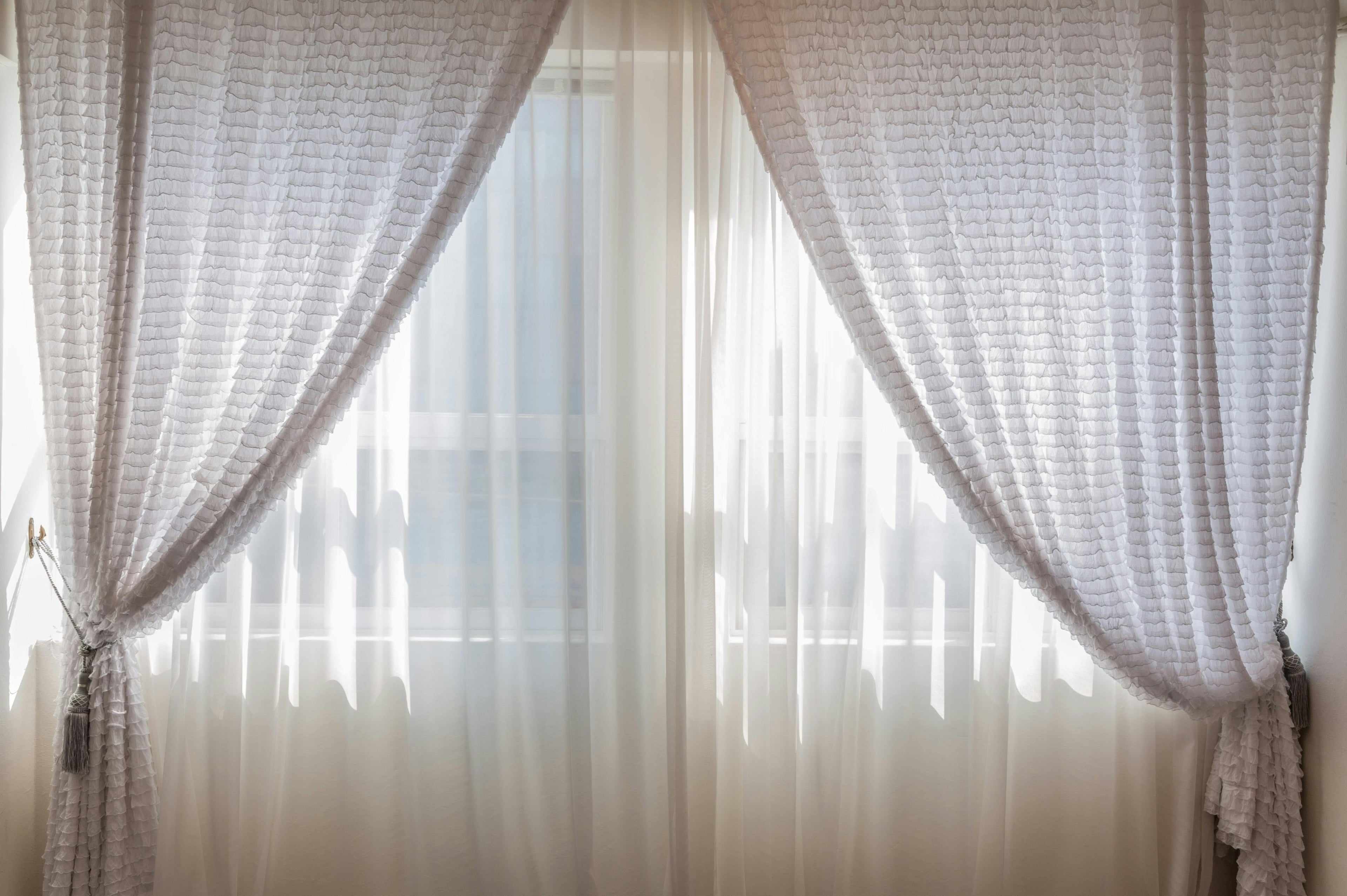
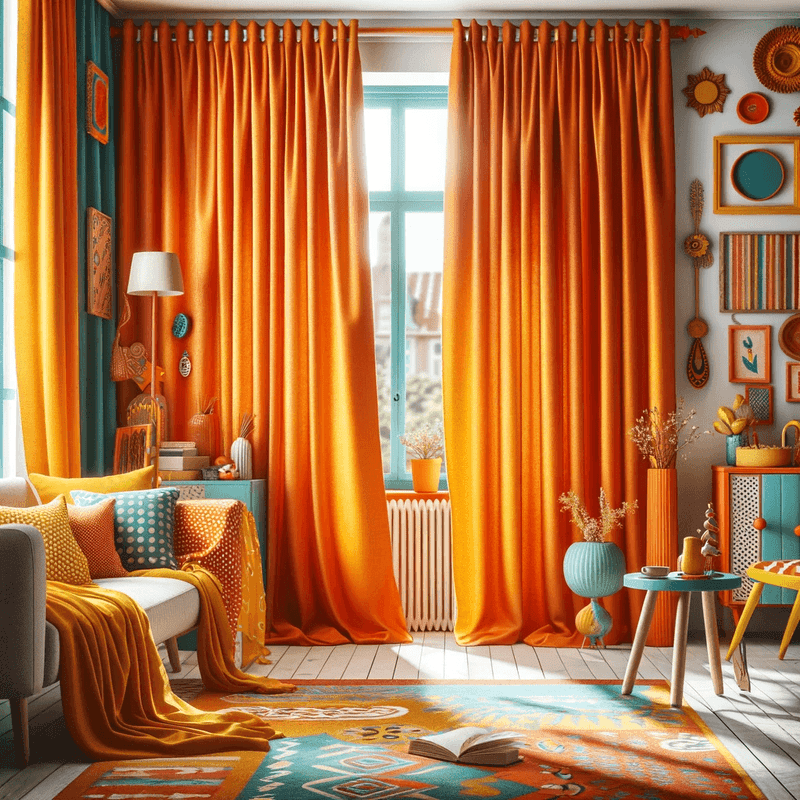
Get rid of heavy, opaque curtains that turn your windows into walls. Replace them with lightweight sheer curtains, transparent fabric blinds (like linen), fine cotton curtains, or Roman shades in light-colored fabric. The idea is to let in maximum light while preserving privacy.
On floors, avoid thick, dark carpets. Prefer light-patterned, low-pile rugs, or remove them altogether to let the floor reflect light. On sofas and armchairs, choose light-colored slipcovers or pale-toned fabrics.
The art of reflection: mirrors and shiny surfaces
Mirrors are the best friends of a dark house. Placed strategically facing a window or perpendicular to it, they virtually double the light source and create an impression of space. A large mirror on a wall at the far end of a dark room will make the window seem closer.
Incorporate other reflective surfaces: a lacquered sideboard, a glass table, metal frames, light fixtures with glass or polished metal shades, crystal or glazed ceramic accessories. These touches will capture and scatter light throughout the room.
Transforming openings: solutions with light to moderate renovations
If optimizing the decor is not enough, it is time to act on the openings themselves. These interventions permanently transform the quality of natural light.
Enlarging or creating new windows
Replacing a standard window with a sliding glass door or a French door is a radically effective solution. Today, high-performance joinery (PVC, aluminum with thermal break, wood) offers large glazed surfaces without compromising insulation. For rooms on the ground floor with access to the outside, a sliding or hinged French door visually opens the house onto the garden or terrace, creating a continuous flow of light.
In some cases, it is possible to create a new opening in a load-bearing wall (after validation by an architect or structural engineer). A roof window (Velux) in an attic floor or a dormer window can also flood a previously dark room with light.
Optimizing glazing and joinery
If you cannot enlarge the opening, optimize it. Replace old single glazing with double or triple low-emissivity glazing (low-e glass). This treatment allows visible light to pass through while reflecting some infrared rays, thus improving thermal comfort without darkening the room.
Choose joinery with the thinnest possible frames ("minimalist" profiles) to maximize the glazed area. Prefer French-style casement windows (hinged) that clear the entire opening when open, unlike awning windows. The color of the frames also matters: white, light gray, or anthracite reflect light better than dark brown wood.
Introducing translucent partitions or light wells
For rooms without an exterior wall, light can come from above or the sides in ingenious ways. Installing a glass partition (frosted, sandblasted, or patterned glass) between a dark room and a bright room (like a hallway or entrance) allows light to circulate while preserving the spaces. This is an ideal solution for windowless bathrooms or closed-off kitchens.
Light wells or light tunnels are systems of reflective ducts that capture light from the roof and redistribute it into an interior room. Modern models are very efficient and can bring in genuine daylight, radically changing the atmosphere of an entrance hall, dressing room, or shower room.
Rethinking the layout and flow of light
Light is a flow that needs to be guided. Sometimes, reorganizing the space is more effective than adding a window.
Adopt the principle of open spaces (open plan). Knocking down a non-load-bearing wall between a dark kitchen and a bright living room allows light to spread unhindered. This visual fluidity enlarges the space and evens out the brightness. If a total opening is not possible, create wide openings (pass-throughs, arches, half-walls) to connect the rooms.
Pay attention to furniture placement. Avoid placing tall bookcases or wardrobes facing windows. Favor low, airy furniture that allows light to pass under and over it. The space between the top of the furniture and the ceiling should remain clear so that light can "glide" along the walls.
Create bright perspectives. From the entrance, try to have a clear view towards the brightest room (often the living room). This direct line of sight draws light into the back of the house and gives an immediate impression of brightness.
Amplifying with artificial light: an indispensable complement
At night or on very gray days, artificial light must take over, imitating daylight as closely as possible. Good lighting design is crucial in a dark house.
Banish single, powerful ceiling lights that create harsh shadows. Adopt a layered and soft lighting scheme. Start with general ambient lighting (recessed LED spotlights, diffusing pendant lights) for even illumination. Add functional task lighting (desk lamps, directional spots in the kitchen, floor lamps near reading chairs). Finally, accent lighting (highlighting a painting, a plant, a shelf) creates depth and relief.
Carefully choose the color temperature of your LED bulbs. To mimic natural light and energize the space, favor neutral whites (between 4000 and 4500 Kelvin) for kitchens and bathrooms, and warm whites (2700 to 3000K) for living rooms and bedrooms for a cozy atmosphere. The quality of color rendering (CRI > 90) is also essential to keep the colors of your decor true.
Use mirrors with wall lights or place lamps in front of mirrors to multiply their effect. Floor lamps directed towards a white ceiling (the "uplighting" technique) reflect soft, indirect light, ideal for rooms with high ceilings.
Focus on the most problematic rooms
Certain rooms are notoriously difficult to light. Here are targeted solutions.
The windowless entrance and hallways
These circulation spaces are often the poor relations of light. To brighten them, use ultra-light paint, even pure white. Install a large mirror facing the front door to reflect light coming from outside as soon as it opens. Generous artificial lighting is essential: a spectacular pendant light, a series of recessed spotlights, or wall lights at regular intervals. A light, shiny floor (tiles, vinyl imitating polished concrete) will also help.
The dark bathroom
Favor light-colored wall and floor tiles, in large formats to minimize grout lines. A large bathroom mirror, ideally with integrated lighting (illuminated mirror), is essential. If a window is impossible, a glass partition on the top of the door or a light well are miracle solutions. For artificial lighting, avoid spots above the mirror that create shadows on the face; prefer vertical wall lights on each side of the mirror for even illumination.
The north-facing kitchen
To warm up the sometimes bluish light of a north-facing kitchen, use warm materials and colors: a light wood countertop, cabinet fronts in cream, beige, or warm gray tones. A white lacquered central island with a light glass or quartz top will reflect light. Under-cabinet lighting (LED) will illuminate the countertop without creating shadows and give the cabinets a feeling of lightness.
Current trends for bright interiors
The quest for light strongly influences decor trends. The "Japandi" style, a fusion of Japanese and Scandinavian design, advocates for minimalist spaces, natural materials (light wood, linen, stone), and a neutral, soft color palette, perfect for maximizing serenity and brightness.
Reflective materials are very popular: glass in all its forms (partitions, tables, shelves), polished metals (chrome, brass), glazed ceramic, and high-gloss lacquered finishes. Paints with subtle effects, like streaks or micro-reflections, also capture light dynamically.
Contemporary architecture focuses on maximum openness: curtain walls, full-height sliding doors, interior patios, and skylights (vertical roof windows) are designed to create total immersion in outdoor light, blurring the boundary between inside and outside.
FAQ: Your questions on how to let in more light
What paint color reflects the most light?
Pure white is theoretically the best reflector. However, to avoid a too clinical effect, professionals often recommend whites tinted with subtle shades (off-white, seashell white, cloud white) which remain extremely reflective while adding a bit of warmth. Paints with a high Light Reflectance Value (LRV) (above 80%) are preferable.
Can you really brighten a room without windows?
Yes, it is a challenge but it is possible. The solution involves a combination of tips: 1) White or very light paint on all walls and the ceiling. 2) Abundant layered artificial lighting, simulating a natural light source (color temperature at 4000K). 3) Large mirrors strategically placed, possibly facing an artificial light source. 4) Using glass partitions to borrow light from an adjacent room. 5) Installing a light well if the structure allows it.
Are blinds and curtains enemies of light?
Not necessarily. It all depends on the choice of materials. Blackout blinds are indeed enemies when lowered. To maximize light, choose lightweight, translucent, light-colored fabrics: sheer curtains, linen, fine cotton, percale. Adjustable slatted blinds (like Venetian or vertical blinds) allow you to control the direction and intensity of light without completely blocking it. The idea is to filter, not block.
What type of light fixture should I choose for a very dark room?
Avoid fixtures that only light downwards, creating pockets of light and sharp contrasts. Favor models that diffuse soft, overall light: pendants with large light-colored fabric shades, ceiling lights with opal diffusers, floor lamps with heads adjustable towards the ceiling (for indirect lighting). Concealed LED strips in niches or behind furniture also create a very effective and modern ambient light.
Is enlarging a window a complicated process?
It depends on the structure of the wall. If it is a load-bearing wall, the process is regulated and requires the intervention of a professional (architect, structural engineer) for structural calculations and a preliminary declaration or building permit depending on the area. For a non-load-bearing wall, the operation is simpler but must still be carried out by a qualified carpenter to guarantee waterproofing and insulation. In all cases, it is crucial to check with the town hall about applicable urban planning rules.
Conclusion: Dare to embrace the light!
Letting more light into your home is much more than a simple decor question; it is a transformation of your living environment that impacts daily well-being. As we have seen, the solutions are numerous and adapt to all budgets and levels of ambition. Whether you opt for a simple coat of white paint, the installation of a grand mirror, or the creation of a sliding glass door, every action counts. The goal is to create a harmonious dialogue between inside and outside, to let natural light sculpt your spaces, and to intelligently complement it with well-designed artificial lighting. Don't wait any longer to step out of the shadows. Explore without delay the thousands of ideas and practical guides available on ombreinterieur.fr to find the inspiration that will illuminate your project and, above all, your daily life. Check out our article how to integrate frames in a small 30 sqm bathroom to go further. Browse our online store to see all our collections.
