














Hiding a window view: decor solutions and tips
Does your window frame a view you would rather not see? Between the awkward proximity of neighbours and the need for privacy, the answer is not a simple opaque curtain. The real challenge lies in learning to filter prying eyes while preserving light and your room’s character. From softly blurred sheers to sleek technical blinds, and clever installation tricks, you will discover how to turn this constraint into a decorative asset. Let yourself be guided towards ideas that reimagine your opening onto the world, balancing seclusion with an airy, luminous feel.
Sometimes, a window is not a desired source of light but a visual constraint to conceal. Whether it's to hide an awkward view, an unsightly party wall, or simply to create privacy without sacrificing brightness, knowing how to block the view from a window is a common decorating challenge. This issue, far from being a simple question of opaque curtains, opens the door to unexpected creativity. Hiding does not mean permanently obstructing, but rather filtering, redirecting the gaze, and reinventing the opening. From traditional solutions to the most innovative tricks, there are a multitude of strategies to transform this constraint into a major decorative asset. This article guides you through the technical, aesthetic, and practical options for mastering the art of concealing an undesirable view, exploring materials, current trends, and mistakes to avoid for a result that is both functional and stylish.
Analyzing the Situation: Why and How to Hide This Window?
Before choosing a solution, it is crucial to precisely diagnose the nature of the problem. The reason why you want to hide the view determines the type of intervention. Is it a permanent need for total privacy, like in a bathroom facing the street? A light filtering to mitigate a partial view? Or a desire to redecorate by integrating a poorly placed window?
Also evaluate the window's orientation. Hiding a south-facing picture window requires considering heat and light management, while for a north-facing window, preserving every ray of sunlight will be a priority. Take into account the frequency of use: a window in a hallway that is never opened can be treated more radically than one in a living room.
Key Questions to Ask Yourself
- Main Need: Privacy, light blackout, aesthetic camouflage, or sound insulation?
- Window Usage: Do you want to be able to open it easily? Do you need access to daylight?
- Room Style: Should the solution integrate into a modern, rustic, minimalist decor?
- Budget and Investment: Are you opting for a temporary, economical solution or a lasting transformation?
The Timeless Classics: Blinds, Curtains, and Sheers
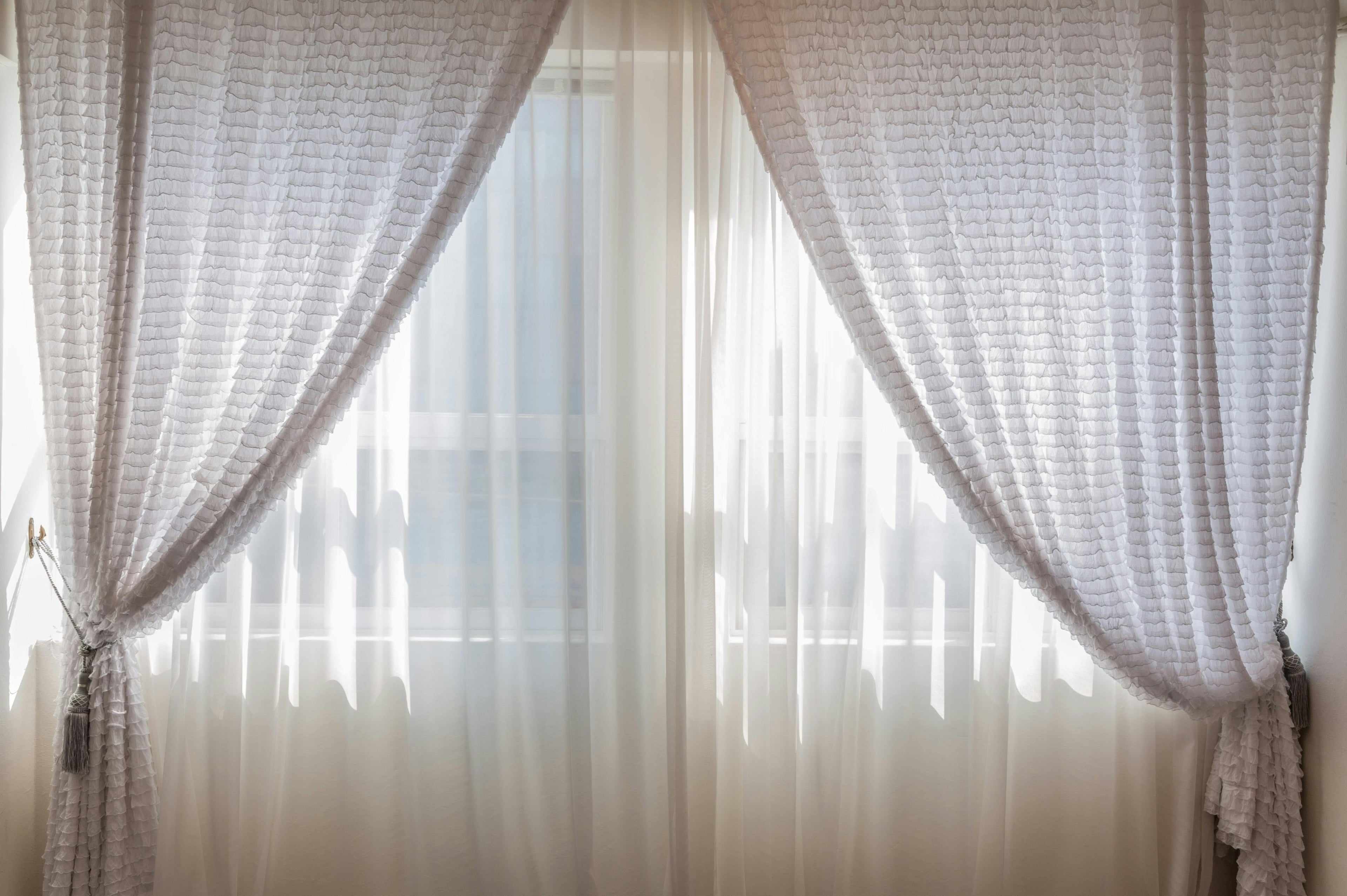
Textile solutions remain the most popular for hiding the view from a window, offering incomparable flexibility. The current trend favors dual systems, combining a sheer that filters light and preserves daytime privacy, with a more opaque blind or curtain for nighttime. Natural materials like linen, raw cotton, or bamboo fiber are highly sought after for their texture and organic look.
For a contemporary effect, roller blinds with technical fabric, often called "screen," are excellent. They let in soft, uniform light while effectively blurring details from the outside. Their installation is simple and their discreet profile fits into all frames. Double curtains, with a rail holding two types of fabric, offer total control over the light ambiance.
Choosing the Right Textile to Hide the View
- Thick Sheers or "Sun" Fabrics: Perfect for creating a blurred visual barrier while letting in light. Ideal for daytime views.
- Complete Blackout Blinds: A radical solution for bedrooms or projection rooms. They block 100% of light and view.
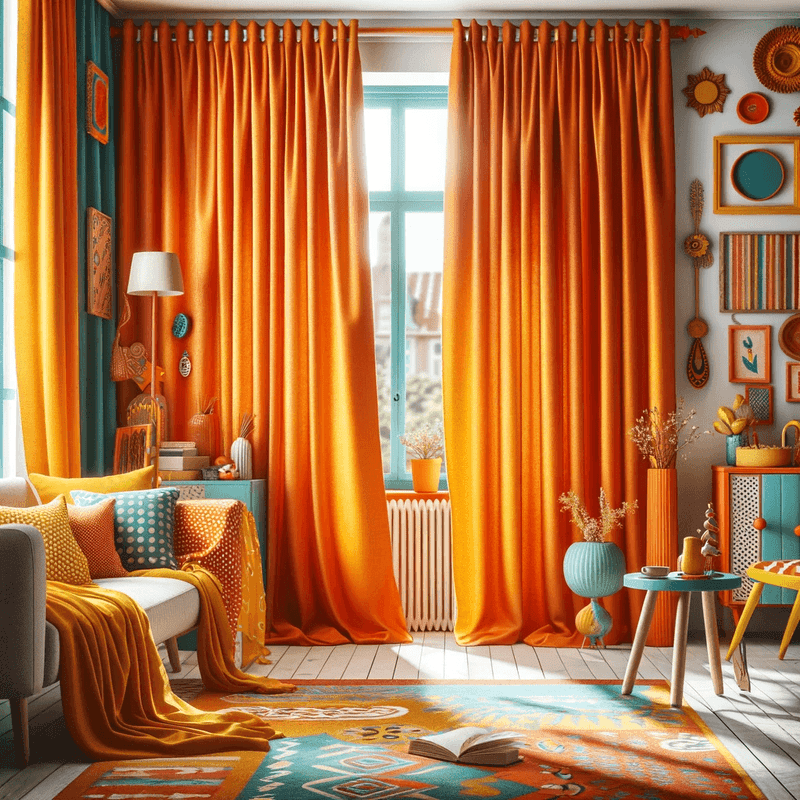
- Velvet or Quilted Fabric Curtains: In addition to their blackout power, they provide significant thermal and acoustic insulation.
- Installation Tip: To maximize the camouflage effect, install the rod or rail well above the window frame and let the curtains fall to the floor. This gives height to the room and completely conceals the opening.
Architectural Solutions and Permanent Transformations
For those considering a more structural modification, several architectural options allow for hiding the view in a definitive and design-oriented way. These solutions literally transform the window into a wall element or a decorative focal point.
Installing specific glazing is a strong trend. Frosted or acid-etched glass, patterned glass (like "cathedral" style), obscures the view while diffusing beautiful light. More innovative, electrically switchable glass (smart glass) allows alternating between transparency and complete opacity with a simple press of a switch. While representing an investment, it is the high-tech solution par excellence.
Another approach is to create a partition wall in front of the window. This could be a half-wall of carved wood (Indian "jali" style), a perforated metal structure, or an assembly of glass blocks. These elements filter light, creating spectacular plays of shadow and light, while completely erasing the direct view.
The Art of Diversion: Transforming the Window into a Decorative Element
Why simply hide when you can enhance? This philosophy guides the most creative approaches. It involves diverting attention from the outside view by making the window itself a work of art.
The application of decorative adhesive films on the glass is immensely popular. The patterns are endless: geometric, botanical (monstera leaves, palms), contemporary stained-glass effect, or frost imitation. They bring color, texture, and immediate privacy. It's a renter-friendly, economical, and customizable solution.
Another spectacular idea is to create an indoor garden or a bookshelf in front of the window. By installing deep shelves filled with green plants (chosen for their tolerance to the available light) or books, you obstruct the view while creating a living and warm element. Integrated lighting (LED strips) behind the shelves can enhance the scenic effect in the evening.
Using Furniture and Layout to Hide Intelligently
The strategic layout of the room can solve the problem without touching the window. This method is ideal for spaces where modifying the window is not possible.
Placing a large piece of furniture in front of or beside the window can naturally redirect the gaze. A tall bookcase, a decorative screen fixed to the wall, or a console topped with a large mirror or painting can create an effective visual diversion. The trick is to create a balanced composition that seems intentional, not like a simple cover-up.
For high or roof windows (skylights), a trendy solution is to create a "built-in hideaway." You can build a drywall or wood casing that follows the shape of the window and integrate it into a dressing room, a built-in bookcase, or even a bed headboard. The window then disappears into the room's architecture.
Plant Solutions: A Natural and Soothing Screen
Nature offers the most beautiful screens. Using vegetation to hide a view is a solution that is aesthetic, ecological, and beneficial for well-being. The "urban jungle" trend lends itself perfectly to this exercise.
Indoors, favor climbing plants on supports. Install a trellis, taut strings, or a macramé structure in front of the window and let ivy, a climbing philodendron, or a pothos climb it. They will form a living, evolving veil. For immediate impact, a large potted plant like a fiddle-leaf fig, a banana plant, or an indoor palm placed strategically can obscure a significant part of the glass.
If the window opens onto a balcony or small outdoor space, create an exterior plant screen. Tall planters filled with non-invasive bamboo, ornamental grasses, or small evergreen shrubs (like viburnum) will form an effective and pleasant privacy screen from the inside. This is a solution that preserves light while offering a green landscape instead of the view.
Innovative Materials and Current Trends
Interior design constantly innovates to meet the need for privacy. Materials are being reinvented to offer solutions that are both functional and sculptural.
Decorative acoustic panels, initially designed for sound insulation, are now used as decorative partitions. In fabric, felt, or perforated wood, they come in a multitude of colors and shapes. Fixed in front of a window, they create a textured, design-oriented wall that also absorbs noise.
Metal mesh or claustras (pierced partitions) in wood or plaster are a strong trend in contemporary decoration. Their repetitive geometric pattern (diamonds, circles, lines) plays with light and gaze, creating a very graphic visual filter. They can be customized to measure to perfectly fit the opening.
Finally, polished concrete or micro-cement panels can be applied directly to the glass (on a suitable backing) or on a false wall to create a uniform mineral wall, in which an opaque window becomes a textural detail.
Mistakes to Avoid When Hiding a Window
Some solutions, although intuitive, can harm the aesthetics or comfort of the room. It is important to know them to make the right choices.
- Completely Obstructing a Main Source of Natural Light: This can plunge the room into permanent gloom, detrimental to morale and requiring constant artificial lighting. Always favor filtering solutions over blocking solutions.
- Neglecting Ventilation: Ensure your system still allows the window to be opened to ventilate the room, especially in kitchens and bathrooms.
- Choosing a Material Unsuitable for Humidity: In a bathroom, avoid thick cotton curtains that will mold, or untreated wood. Opt for aluminum, PVC, or synthetic fiber blinds.
- Forgetting Scale and Proportion: A tiny blind in the middle of a large picture window will look miserable. The camouflage solution must be to the scale of the opening.
- Sacrificing Style for Function: A purely utilitarian solution (like cardboard fixed with tape) will always be visible. Seek the option that combines functionality and aesthetics for a harmonious result.
FAQ: Frequently Asked Questions on How to Hide the View from a Window
What is the most economical solution to hide a window?
Decorative or frosted adhesive films are by far the most economical solutions. They cost a few tens of euros, can be applied yourself in a few hours, and offer a great variety of styles. Second-hand curtains or customizable screens are also very affordable options.
How to hide a window without losing light?
Favor translucent or openwork patterned solutions. White sheers, "screen" blinds, frosted or etched glass, claustras, and open-pattern adhesive films allow natural light to diffuse while blurring details from the outside. The light is softened and made uniform, which can even be more pleasant than direct light.
Can you hide a window permanently while respecting urban planning rules?
You must be very careful. Permanently obstructing a window on a facade may contravene co-ownership regulations or the Local Urban Plan (PLU), especially if it changes the building's external appearance. For permanent transformations (installing glass blocks, walling up), it is imperative to inquire at the town hall and with the building management. Removable solutions (blinds, curtains) or interior ones (furniture) are always risk-free.
How to conceal a small toilet or bathroom window?
For these small openings, made-to-measure blinds (roller, Venetian) are perfect. One-way mirror film is also an ingenious trick: it reflects the inside of the room from the outside while allowing you to see outside from the inside (provided the inside is brighter). Printed glazing or targeted decorative stickers are also very suitable for this format.
Are there smart home solutions to hide a window?
Absolutely. The connected home offers elegant solutions. Motorized blinds and roller shutters can be programmed or activated via an app or voice command. The technological pinnacle is electrically switchable glass, which goes from transparent to milky opacity with one click. Some connected blinds even automatically adapt to the sun's position.
Conclusion: From Constraint to Decorative Opportunity
Hiding the view from a window is much more than a practical act; it's an opportunity to rethink space, light, and decoration. Whether you opt for the softness of a sheer, the graphics of an adhesive film, the modernity of a technical blind, or the boldness of an architectural transformation, each solution brings its own personality to the room. The essential thing is to align the choice with your real needs for privacy and light, your decorative style, and your budget. By approaching this problem with creativity, you can transform a weak point into a strong and characterful design element. Remember that the best solution is often the one that brings you both serenity and aesthetic pleasure daily.
Looking for other inspirations to optimize space and light in your home? Explore our collection of articles on to discover hundreds of ideas and expert tips on interior decoration. From arranging small rooms to the latest trends in decorative partitions, we accompany you to create an interior that reflects you, sheltered from prying eyes and rich in style. Check out our article how to integrate a candle in a small 20 m² bedroom to go further. Visit ombreinterieur.fr to explore the entire catalog.
