














How to Decorate a Dark Room: Decorating and Lighting Tips
A room deprived of natural light may seem like a challenge, yet it holds unexpected decorative potential. Before giving up, know that the goal is not to fight the darkness but to tame it with thoughtful choices. Colour, texture, lighting—every detail can reshape the atmosphere and reveal your space’s unique character. You will learn to assess light levels with precision and select hues that capture even the faintest glow. Let us guide you in turning that shadowy corner into a serene haven as warm as it is luminous.
A dark room can seem like an insurmountable decorating challenge. Lack of natural light, a heavy atmosphere, colors that appear dull... These spaces, often bathrooms, hallways, attic bedrooms, or north-facing rooms, are actually raw diamonds. With the right strategies, it is perfectly possible to transform them into cozy havens of peace, dramatic and elegant spaces, or bright and welcoming nooks. Furnishing a dark room is not about fighting its essence, but about understanding and enhancing its unique character. This article is your complete guide to brilliantly taking on this challenge. We will explore the fundamentals of light reflection, the power of colors and materials, strategic choices in furniture and lighting, and we will see how certain current trends, like Japandi or cottagecore, can wonderfully adapt to them. Get ready to rediscover the potential of your least sunny spaces.
Understanding Light: The Diagnosis Before Furnishing
Before choosing any paint or light fixture, it is crucial to make a precise diagnosis of your dark room. This analysis will allow you to act in a targeted and effective manner.
Start by identifying the source and amount of available natural light. At what time of day does the room receive light? Is this light direct and bright, or indirect and soft? A north-facing orientation provides a cool, constant light, while an east-facing room will be bathed in light only in the morning.
Next, evaluate the obstacles to light. Opaque shutters, thick curtains, furniture placed in front of the window, or dark walls absorb precious brightness. Also note the current color of the walls, floor, and ceiling, as they determine light reflection.
The Traps to Absolutely Avoid
In a dark room, certain mistakes worsen the situation. Opting for matte dark tones on all surfaces is the biggest trap, as they absorb light without returning it. Conversely, a pure, cold white can appear clinical and accentuate the shadowy aspect.
A single, central light fixture creates overly harsh contrasts and leaves many areas in darkness. Finally, cluttering the space with massive, dark furniture blocks the circulation of light and weighs down the atmosphere.
The Color Strategy: Brightness's Number One Ally
The choice of colors is the most powerful tool for transforming the ambiance of a dark room. It's not just about painting everything white, but about using a thoughtful palette that maximizes light reflection.
Prefer light shades and finishes with subtle sheens. Warm whites (broken up with nuances of cream, vanilla, or greige) are much more welcoming than neutral or bluish whites. Very pale grays with beige or aqua undertones, soft lavender light blues, and gentle sage greens are excellent for creating depth without darkening.
The professionals' trick: paint the walls, ceilings, and woodwork (windows, doors, baseboards) in the same light shade. This continuity removes visual breaks and gives the impression that light diffuses without obstacles, enlarging the space.
Daring to Use Saturated Colors Intelligently
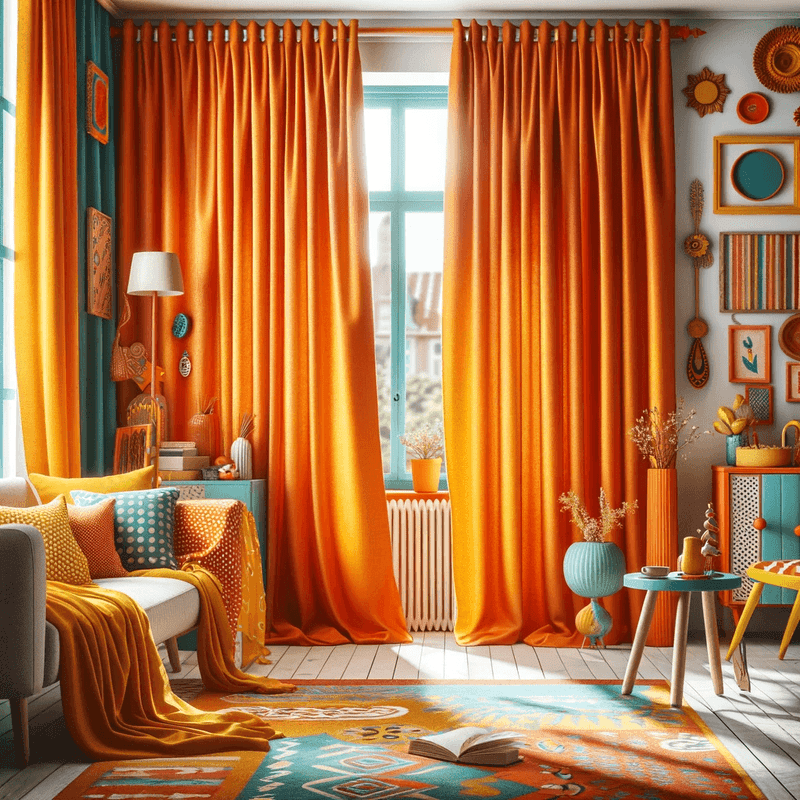
Contrary to popular belief, a dark room can accommodate strong colors, provided they are dosed precisely. An accent wall in a deep navy blue, emerald green, or rich terracotta can create a dramatic and sophisticated cocooning effect.
The key is to contrast it with very light elements on the other walls, ceiling, and furniture. This touch of dark color, well-lit, adds character without suffocating the space. Current trends, in fact, value these moody atmospheres, where darkness becomes a quality.
The Power of Reflective Materials and Textures
In a dark room, every surface must work for you. The chosen materials can literally capture and redirect the slightest bit of light, creating a precious play of reflections.
Prefer finishes with reflective properties. Paint with a satin or pearl finish offers a slight sheen that diffuses light better than a deep matte. For floors, light varnished parquet, glossy laminate, or large polished ceramic tiles will be perfect.
Incorporate metallic elements, true luminous allies. A brass mirror frame, stainless steel table legs, brushed nickel drawer pulls, or a polished copper pendant light capture and disperse light dynamically. Even small accents make a big difference.
Textiles and Coverings: Softness and Brightness
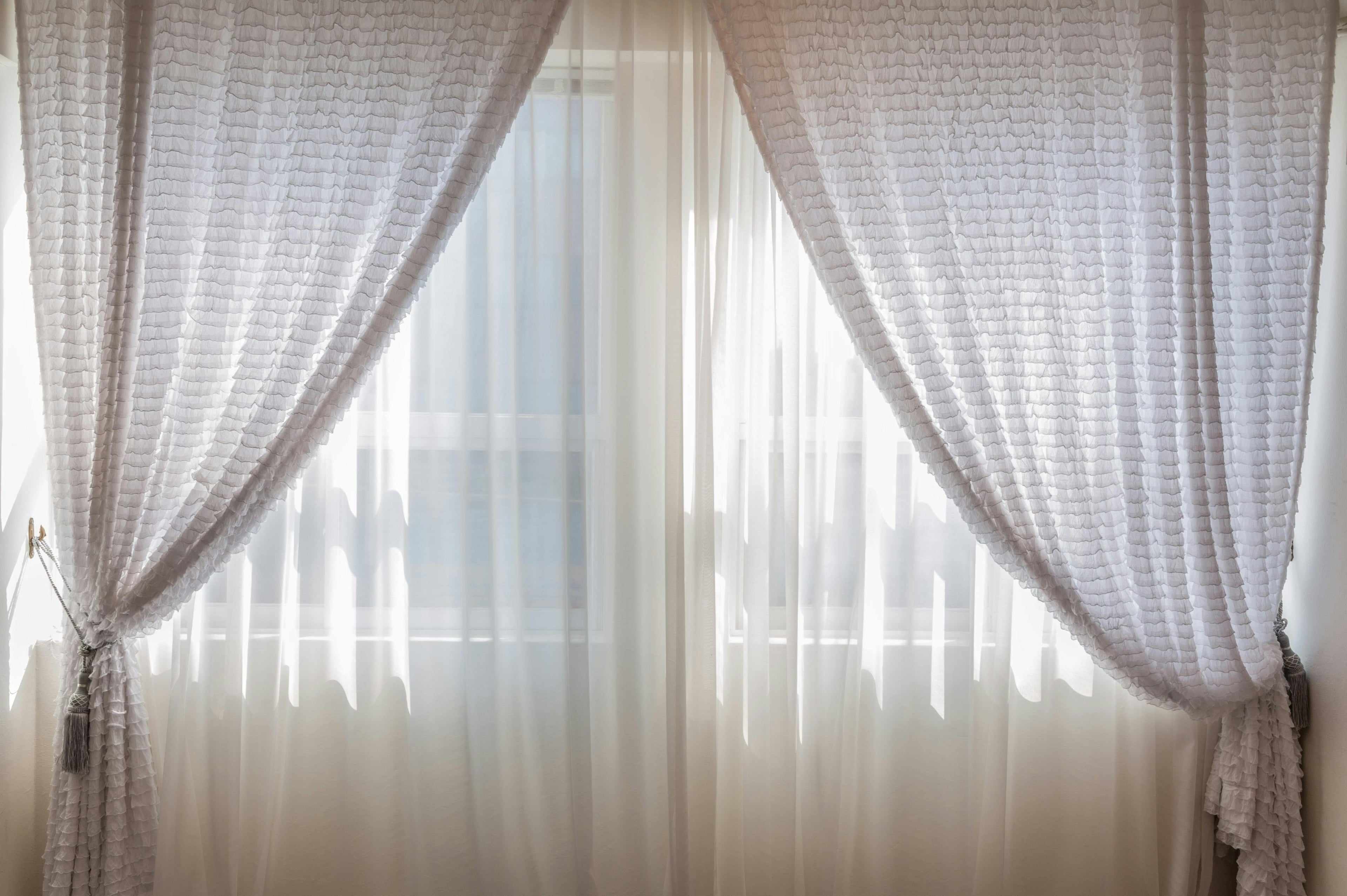
Textiles play a crucial role in acoustics and the feeling of warmth. Choose curtains in light, translucent fabrics like linen, voile, or cotton organza, which filter light without blocking it.
For rugs, avoid overly busy patterns and colors that are too dark. A light rug with a low pile or subtle geometric patterns will help brighten the floor. Don't forget cushions and throws in materials like cotton velvet (which catches the light) or bouclé wool, to add texture without weighing things down.
Layered Lighting: The Key to Successful Lighting
In a dark room, artificial lighting is not an option, it's the backbone of the layout. The golden rule is to abandon the single ceiling light in favor of layered lighting, combining several sources at different heights.
Start with ambient lighting, which forms the light base. This can be recessed or track spots on the ceiling, or pendant lights diffusing indirect light towards the ceiling. Prefer bulbs with a warm color temperature (between 2700K and 3000K) to create a welcoming atmosphere and avoid cold office-like light.
Then add functional lighting, targeted on activity areas. A beautiful floor lamp near the sofa for reading, a wall sconce on each side of the bed, LED strips under kitchen shelves, or a designer desk lamp. This layer brings practicality and sculpts the space.
Accent Lighting and Magical Effects
The third layer, accent lighting, is what gives the room its soul. It highlights decorative elements, textures, or interesting architecture. Use directional spots to light a painting, LEDs integrated into a niche, or small ambient lamps.
Fairy lights (with warm LEDs) aren't just for Christmas! Arranged along a headboard, on a shelf, or wrapped around a pillar, they bring a magical, diffuse glow that wonderfully compensates for the lack of natural light.
Furniture and Layout: Lightness and Fluidity
The choice and arrangement of furniture have a direct impact on the perception of space and light. The goal is to promote visual and physical circulation.
Opt for furniture with clean lines and raised legs. A sofa on slender legs, a coffee table in glass or with a light top, open shelves rather than massive bookcases... These elements let the gaze and light pass through, giving an impression of air and space.
Prefer light finishes for large furniture: light wood (oak, ash, light walnut), white or light grey lacquered tones. If you love a dark piece of furniture, make it a unique statement piece and surround it with light tones to highlight it without it overwhelming the room.
The Art of Reflection: Mirrors and Glass Surfaces
The mirror is the essential accessory for a dark room. Placed strategically facing or perpendicular to a light source (window or lamp), it literally doubles its impact. Dare to use large, spectacular formats: a panoramic mirror above a sofa, a trumeau mirror in a hallway, or several mirrors of varied shapes grouped in a gallery.
Glass surfaces, like a glass table, cabinet doors, or room dividers, play the same role of transparent reflection. They contribute to that precious visual lightness.
Adopting Decor Trends Adapted to Dark Spaces
Certain contemporary decor trends are particularly well-suited and even enhanced by soft light. They offer precious inspiration for furnishing a dark room with style.
The Japandi style, a fusion of Japanese minimalism and Scandinavian hygge, is ideal. It advocates neutral and natural color palettes (beiges, grays, off-whites), raw and textured materials (linen, wood, stone), and soft, indirect lighting. It transforms a dark room into a sanctuary of serenity.
Cottagecore or the romantic country style, with its discreet floral prints, white-painted furniture, and natural materials like wicker and ceramics, can bring cheerfulness without clutter. A touch of sage green on the walls and scented candles complete the ambiance.
The Return of the "Moody" Style and Theatrical Atmospheres
At the opposite end, the "moody" or "dark academia" trend fully embraces darkness to create dramatic, intimate, and intellectual spaces. You'll find dark wood bookcases, walls painted midnight blue or forest green, brass lighting, and oriental rugs. This approach proves that a dark room doesn't necessarily need to be "brightened," but can be enhanced in its deep essence.
Room by Room: Specific Furnishing Advice
Each space has its constraints and uses. Here's how to adapt the general principles to the rooms most affected by lack of light.
A Dark Bathroom
Prefer white or light ceramic tiles with a glossy finish for walls and floors. A pharmacy mirror with an integrated LED frame is a perfect solution, combining reflection and functional lighting. Lit shower niches and wall-mounted vanity units in light tones complete the look.
A Hallway or Entryway Without a Window
Here, lighting and mirrors are king. Install a series of wall sconces at regular intervals for uniform lighting. A large mirror at the end expands the perspective. A wallpaper with very light, shiny patterns can also create a fascinating depth effect.
An Attic or Loft Bedroom
Paint the walls and exposed beams in warm white to unify the space and enhance the complex volumes. Use dark corners to create built-in storage. Articulated-arm bedside lamps allow you to adjust the light exactly where you need it for reading.
Frequent Mistakes and How to Correct Them
Even with the best intentions, it's easy to make blunders. Identify these common errors to avoid or remedy them.
Mistake #1: Too many dark colors and patterns. The room feels stifling. Correction: Reintroduce clarity on at least 70% of the surfaces. Paint an accent wall a light color, replace a dark rug with a light model.
Mistake #2: A single, cold light source. This creates harsh shadows and an inhospitable ambiance. Correction: Invest in at least three different light sources (ceiling lights, floor lamp, table lamps) with warm-light bulbs.
Mistake #3: Obstructed windows. Heavy curtains or furniture in front of the window block natural light. Correction: Free access to the window. Replace curtains with light Roman shades or sheer curtains.
FAQ: Your Questions About Furnishing a Dark Room
Can you really use black in a dark room?
Yes, but sparingly and with contrast. Black works wonderfully as an accent to create depth and drama. A door painted matte black, a black mirror frame, or a signature piece of furniture contrasting with very light walls can be spectacular. It draws the eye and structures the space without darkening it if well-dosed.
What is the best paint color for a very dark room?
There isn't a single answer, but a winning family of colors: light, warm tones with a high LRV (Light Reflectance Value). Off-whites (like Benjamin Moore's "Chantilly Lace," "White Dove"), very pale greige ("Repose Gray" by Sherwin-Williams), and soft blue-grays are excellent choices. Avoid pure, cold tones.
Can plants survive in a dark room?
Some low-maintenance houseplants thrive in low light. Pothos, snake plants (Sansevieria), ivies, Boston ferns, and ZZ plants (Zamioculcas) are perfect. They bring a touch of life and greenery that balances the mineral aspect. Place them near the available light source and water moderately.
How to create an illusion of a window in a room without an opening?
Several creative tricks exist. You can install a two-way mirror in front of which you place a shelf with plants lit by a grow light, simulating a window. Another option is to use a panoramic wallpaper depicting a bright landscape, framed like a window and lit by spots. LED screens playing a looped video of a sky or forest are also a high-tech solution.
Are dark rugs always to be avoided?
Not necessarily. In a room with a very light floor (white parquet, white tiles), a modestly sized dark rug can anchor the space and create elegant contrast, like a painting on the floor. The key is that the rug doesn't cover the entire surface and is surrounded by brightness so it doesn't create a dark "stain."
Conclusion: Making Shadow a Decorative Ally
Furnishing a dark room is much more than a simple whitening operation. It's a style exercise that requires boldness, subtlety, and a fine understanding of light, whether natural or artificial. By mastering the palette of light, warm colors, carefully layering lighting, choosing reflective materials and airy furniture, you transform a constraint into a unique opportunity to create a singular atmosphere.
Whether you opt for a hygge and cozy cocoon, a moody and sophisticated jewel box, or a pure Japandi space, remember that shadow carries within it an unparalleled quality of calm and intimacy. It invites relaxation, concentration, and dreaming. So, instead of fighting the darkness, learn to celebrate it. Your dark room is just waiting for your ideas to reveal its full potential. To discover more inspiration and practical guides on transforming your interior, explore without delay the many resources available on ombreinterieur.fr. Before choosing, browse how to decorate a wabi sabi bathroom with mirrors. Get inspired on our decoration site for your next projects.
