














How to compare linen and wooden planters for the kitchen?
Your kitchen deserves a verdant setting that is both beautiful and kind to the planet. Choosing the right material for your planter is no mere whim: it affects your plants’ health and the harmony of your home. From the airy lightness of linen to the authentic warmth of wood, each option brings distinct sensory and practical benefits. To help you decide with confidence, this comparison examines their performance, durability and ecological footprint. Let yourself be guided towards the material that will elevate your culinary space.
Looking to integrate a touch of greenery into your culinary space? Discover our comprehensive comparison of linen and wooden planters for your kitchen, tailored to the latest interior design trends in 2026.
Indoor Planters: A Must-Have Decorative Element for Your Kitchen in 2026
Transforming your kitchen into a vibrant and harmonious space now involves incorporating plants. Indoor planters have become essential accessories to bring freshness and nature to your culinary area, while serving as decorative elements in their own right.
Planters made from natural materials such as linen and wood are becoming the preferred choice for decorators and interior design enthusiasts who want to combine aesthetics with environmental respect.
Characteristics of Linen Planters: Lightness and Textile Elegance
Unique Properties of Linen for Your Indoor Plants
Linen, a noble and ecological plant fiber, offers considerable advantages for your indoor planters:
- Exceptional breathability allowing your plants' roots to breathe
- Natural moisture regulation, ideal for plant health
- Remarkable fade resistance, even when exposed to direct light
- Lightweight, making it easy to move and rearrange your green spaces
Aesthetics and Integration into Modern Kitchens
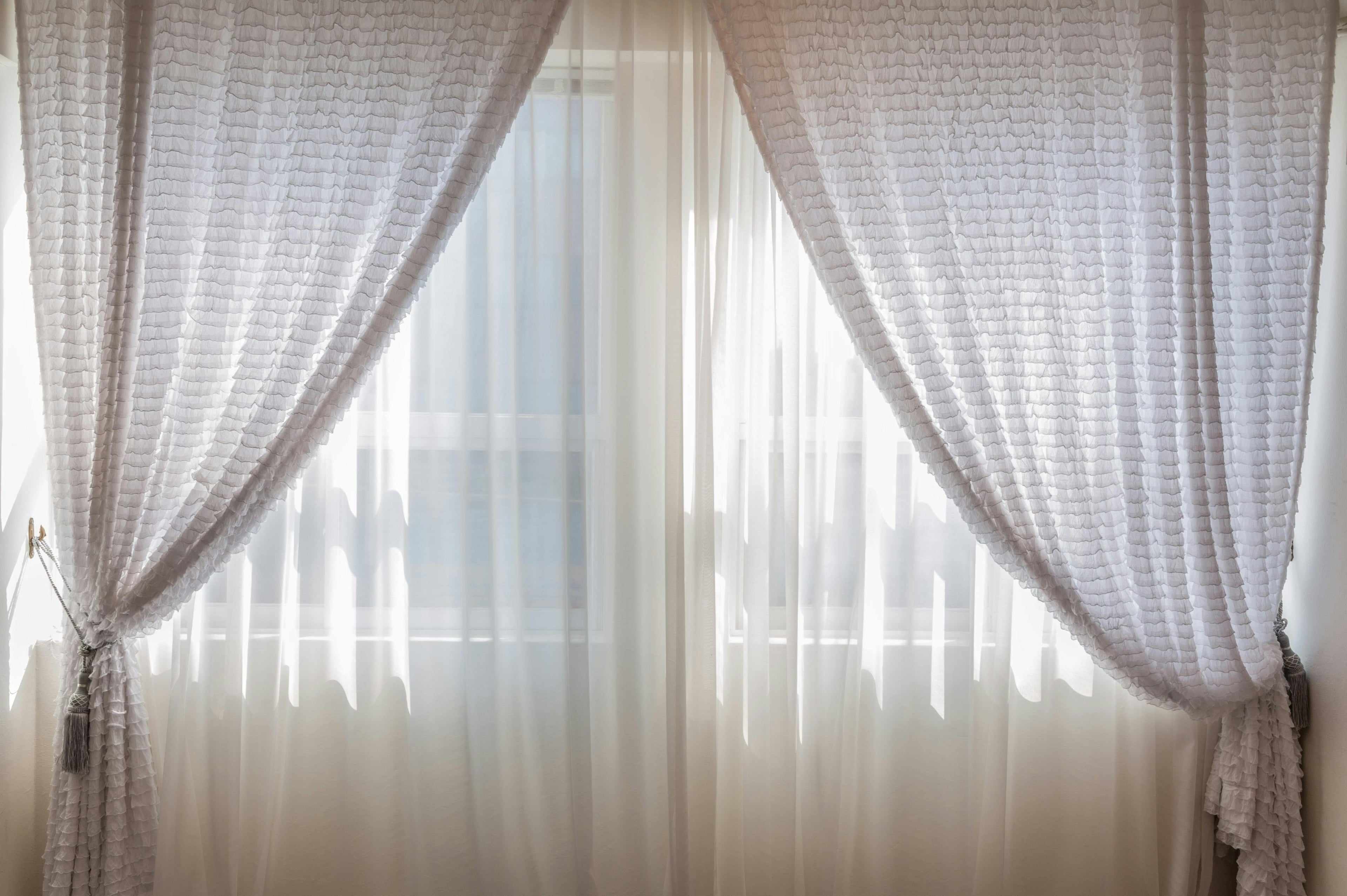
Linen planters harmonize perfectly with current interior design trends. Their soft, natural texture brings a pleasant tactile dimension that elegantly contrasts with the smooth surfaces of contemporary kitchens. Available in a palette of natural tones or soft colors, they integrate harmoniously into all kitchen styles.
Wooden Planters: Warmth and Natural Authenticity
Wood Varieties and Their Specific Characteristics
In 2026, wood remains a key material for indoor planters, with several particularly popular species:
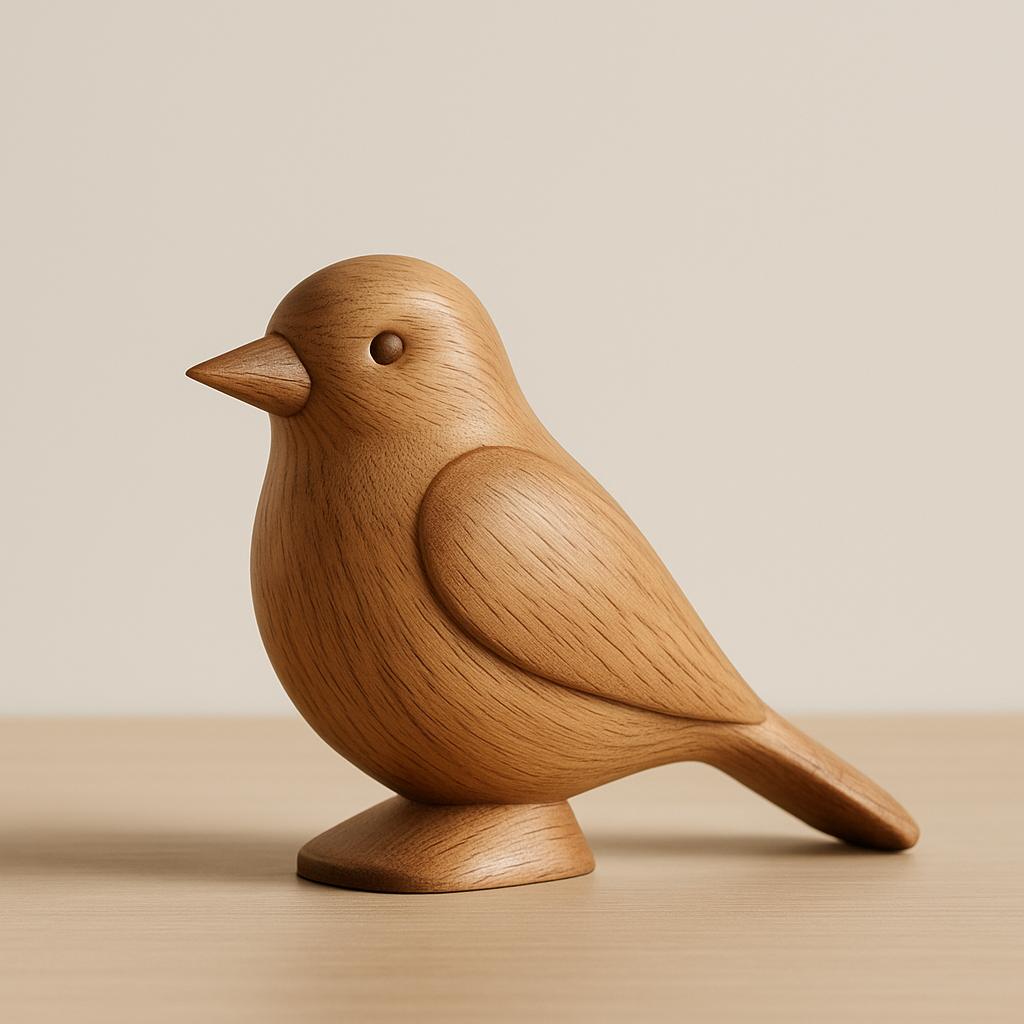
- Oak: exceptional robustness and elegant grain, ideal for long-lasting use
- Bamboo: fast-growing and renewable, perfect for eco-conscious consumers
- Pine: lightweight and affordable, with a beautiful patina over time
- Teak: naturally resistant to moisture, perfect for plants requiring frequent watering
Eco-friendly Finishes and Treatments
Modern wooden planters benefit from natural treatments that preserve their beauty while ensuring their durability. Vegetable oils and natural waxes have largely replaced synthetic varnishes, offering effective protection while allowing the material to breathe.
Comparative Analysis: Linen Versus Wood for Your Aromatic Plants
Performance and Adaptation to Plant Needs
To choose between linen and wood, consider the specific needs of your plants:
- Water retention: Linen offers excellent moisture regulation, while wood may require internal treatment to prevent leaks
- Thermal insulation: Wood better protects roots from temperature variations, ideal for exposed kitchens
- Durability: Well-maintained wooden planters can last several decades, compared to 3-5 years for linen ones
Ecological Impact and Carbon Footprint
The ecological aspect is now paramount in the choice of decorative accessories. Both linen and wooden planters have excellent environmental profiles, with a few nuances:
- Linen cultivation requires little water and pesticides, with low energy transformation
- FSC or PEFC certified local wood ensures sustainable forest management
- Natural treatments significantly reduce the environmental impact of both materials
Maintenance Guide to Extend the Lifespan of Your Planters
Specific Care for Linen Planters
To preserve the beauty and functionality of your linen planters:
- Always use a waterproof inner pot to prevent direct infiltration
- Clean stains quickly with a mixture of lukewarm water and mild soap
- Allow to dry completely after cleaning to prevent mold growth
- Apply an ecological waterproofing spray every 6 months
Maintenance of Wooden Planters
To ensure the longevity of your wooden planters:
- Apply a natural nourishing oil annually to deeply nourish the wood
- Avoid prolonged exposure to direct sunlight, which can discolor certain species
- Slightly elevate the planter to avoid direct contact with soil moisture
- Regularly check for wood pests
Decoration and Arrangement Tips for Your Kitchen
Harmonization with Your Kitchen Style
For perfect integration of your planters:
- In a Scandinavian kitchen, opt for light wood or ecru linen planters
- For an industrial style, combine dark wood planters with metallic elements
- In a rustic environment, choose raw wood planters with irregular finishes
- For a contemporary ambiance, choose clean geometric shapes in linen or lacquered wood
Recommended Plants for Kitchen Planters
Certain plants thrive particularly well in linen or wooden planters placed in the kitchen:
- Aromatic herbs: basil, thyme, rosemary, ideal in terracotta planters lined with linen
- Purifying plants: pothos, spider plant, perfect in wooden containers
- Succulents: aloe vera, echeveria, which appreciate the moisture regulation of linen
Investment and Value for Money
Short-Term and Long-Term Cost Analysis
The initial investment differs significantly between the two materials:
- Quality linen planters generally range from €25 to €60 depending on size and finish
- Solid wood models can range from €40 to over €150 for precious species
- In the long term, wood offers better depreciation due to its superior durability
Where to Find Quality Eco-Responsible Planters
For a conscious and sustainable purchase, prioritize:
- Local artisans who offer custom and authentic creations
- Specialized eco-responsible decoration brands that guarantee certified materials
- Online craft platforms that allow you to discover independent creators
Conclusion: Choosing the Ideal Planter for Your Kitchen
The choice between a linen or wooden planter essentially depends on your priorities:
- Opt for linen if you are looking for lightness, flexible arrangement, and a soft texture
- Prefer wood for its exceptional durability, robustness, and timeless character
Whatever your preference, both natural materials fit perfectly into current decorative trends, combining aesthetics, functionality, and respect for the environment. Your planter will thus become a central element of your kitchen, transforming your culinary space into a lively and inspiring place.
Share
