














How to Create a Secret Room: A Complete Guide
The idea of a hidden refuge, sheltered from the daily clamour, is winning over more and more design enthusiasts. Far from the cliché of stately homes, this concept is now within everyone’s reach, thanks to clever layout tricks and discreet mechanisms. Whether you dream of a confidential study or a secret leisure space, you will discover how to turn a forgotten corner into a personal sanctuary. Let yourself be guided into the art of the concealed space, where function and poetry meet.
The idea of a secret room is a dream. Whether it's to create a personal sanctuary away from the world, a play space for children, an immersive home cinema, or simply a concealed dressing room, this mysterious space adds a touch of magic and unique functionality to your interior. Creating such a room is no longer just the stuff of movies or old mansions; with a little imagination and planning, it's a project within reach for many homes. This article guides you step by step, from initial inspiration to final decoration, to turn this dream into reality.
Why create a secret room at home? The reasons for growing success
The trend for hidden rooms is exploding, driven by a growing need for privacy, personalization, and space optimization. In a hyper-connected world, having a place to disconnect physically and mentally becomes a precious luxury. It's also a clever response to sometimes cramped living spaces, allowing for the creation of specific functions without encroaching on the main living area. Psychologically, it fulfills a desire for escape and control over one's immediate environment.
The uses are multiple and reflect everyone's passions. For some, it will be a cabinet of curiosities or a private library; for others, an artist's studio, a video game room, an elegant cocktail bar, or even a small spa. The pandemic also accelerated this movement, with the need to create discreet home offices that can be "closed" at the end of the workday. Finally, from a purely decorative point of view, a secret room is the ultimate conversation piece, which surprises and delights your guests.
Prime locations to conceal your secret space
Choosing the location is the first crucial step. It depends on the architecture of your home, the available space, and the desired function.
Behind a pivoting or sliding bookcase
This is the timeless classic, directly inspired by adventure movies. A shelf or an entire bookcase that pivots on an axis perfectly conceals an entrance. Today, motorized sliding systems or silent roller systems make this solution more accessible. It is ideal for libraries, offices, or collection rooms.
In a wardrobe or dressing room
The back of a wardrobe is a prime location. By installing a false back or designing a clothing rail that moves aside, you can access a space nestled in the attic, under a staircase, or in a lost corner. It's perfect for an ultra-organized additional dressing room or a disguised safe.
Under the stairs or in a converted attic
These often underutilized spaces are natural candidates. A trapdoor cleverly integrated into the steps or a panel that blends into the staircase paneling can lead to a small sanctuary. Attics, with their sometimes discreet access, can be converted into a secret room accessible by a retractable ladder or a decorated trapdoor.
Behind a painting or a two-way mirror
For small cavities or niches, a painting mounted on hinges or a two-way mirror fixed to an opening frame creates a perfect illusion. It's an ideal solution for hiding a small safe, a bar, or an elaborate cat nook.
In a bathroom or kitchen: clever false bottoms
A double-bottom drawer in a kitchen can conceal a pastry chef's worktop or valuable storage. In a bathroom, a pivoting medicine cabinet mirror can reveal a niche for beauty products or medicines. The idea is to play with existing furniture to integrate a discreet mechanism.
Opening mechanisms: between tradition and high technology
The mechanism is the heart of discretion. It must be reliable, safe, and suitable for daily or occasional use.
Manual systems remain the most common: concealed hinges, powerful magnets, hidden latches, or dummy books that activate a latch (the famous "secret book"). They are economical and do not require electricity.
Motorized systems bring an impressive touch of modernity and comfort. Controlled by a remote, a smartphone, a discreet switch, or even a biometric sensor, they allow a heavy bookcase to be opened with a simple press. We are even seeing systems activated by voice recognition or a specific gesture in front of a sensor. Integration into home automation (via assistants like Google Home or Alexa) allows them to be programmed or controlled remotely.
Whatever your choice, prioritize safety. The mechanism must not be able to trigger accidentally and must allow for easy exit from the inside, especially if children can access it. For heavy doors, gas struts or suitable motors are essential.
Layout and arrangement: optimizing every square centimeter
A secret room is often cramped. Its layout must therefore be thought out to the millimeter to be both functional and pleasant.
- Study the circulation: Can you stand up? Sit down? The space must allow for movement for the intended activity.
- Think multifunction: A desk can integrate a sofa bed for naps. Benches with storage chests maximize space.
- Use verticality: Floor-to-ceiling shelves, wall rails, custom-made furniture that follows the shapes of the room are essential.
- Manage cables and ventilation: For an office or home cinema, plan for cable pass-throughs and discreet ventilation (silent fan, air vent) for lasting comfort.
- Lighting is paramount: LED strips concealed in niches, directional recessed spotlights, or a nice table lamp will create the ambiance. Consider an automatic welcome light that turns on upon opening.
Decorating your sanctuary: creating ambiance and immersion
Decoration is what transforms a simple cubbyhole into an extraordinary place. It's an opportunity to give free rein to your personality, without the constraints of the rest of the house.
Choosing a strong and immersive theme
The theme guides all aesthetic choices. Do you want a gardener's hut with recycled wood walls and seedling shelves? A vintage 70s lounge with velvet and psychedelic wallpaper? An astronomical observatory with a starry fiber optic ceiling? A minimalist dojo? Defining this theme from the start gives powerful coherence to the space.
The power of colors and materials
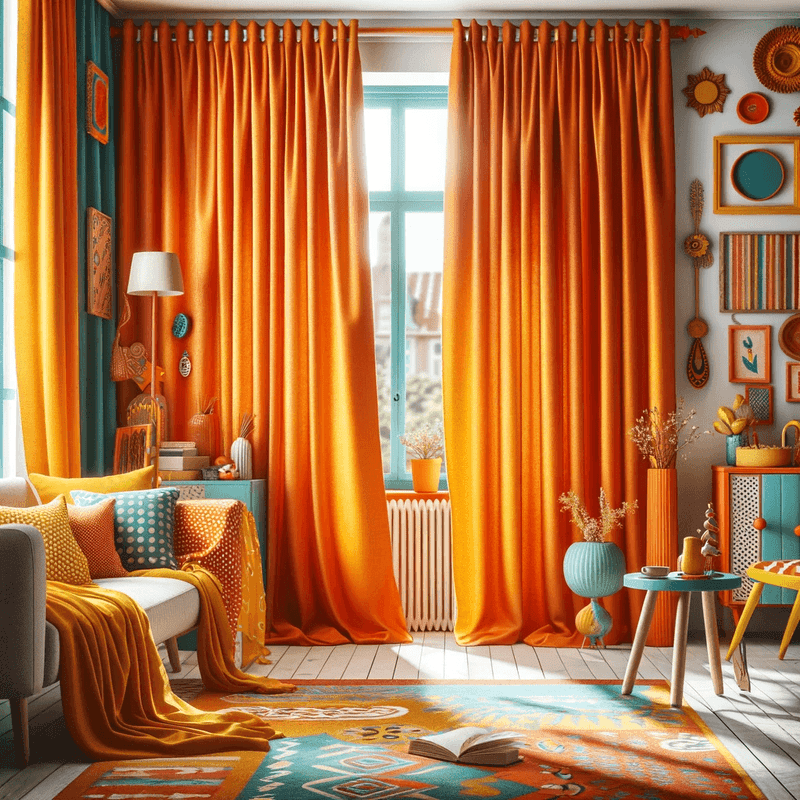
In a small space, dark and deep colors (midnight blue, forest green, burgundy) can create a cozy and elegant ambiance, especially when paired with warm lighting. Light tones visually enlarge the space. Play with materials: wood paneling, exposed bricks, thick carpet, wall hangings, textured paint… They enhance immersion.
Furniture and accessories: custom-made and finds
Prioritize custom-made furniture to exploit every nook. A bench built into an alcove, a fold-down desk, ladder-shaped shelves. Accessories are the stars: old maps, globes, musical instruments, works of art, collections… They tell a story and animate the space.
Ambient lighting, the keystone of atmosphere
Forget the single ceiling light. Bet on multiple light sources with variable intensity: table lamps with colored shades, fairy lights, controllable RGB LEDs to change the mood, candles (electric for safety). A dimmer is a wise investment to adapt the brightness to the mood of the moment.
Practical case studies for secret room layouts
The invisible home office
Ideal for compartmentalizing professional and private life. Behind a pivoting bookcase in the living room, set up a sober, ergonomic space: a deep worktop, a comfortable chair, effective task lighting, and plenty of storage for equipment. Opt for soothing colors like sage green or pale blue. Soundproofing (decorative acoustic panels, thick rugs) is a significant plus.
The immersive home cinema or game room
In a basement or under the attic, create a total blackout room. Walls painted matte black or covered with sound-absorbing fabric enhance the video experience. Install a video projector, a motorized screen, a surround sound system, and a comfortable sofa or bean bag chairs. A small integrated fridge and a bar complete the setup for perfect evenings.
The dream and organized dressing room
Concealed behind a false closet door in the bedroom, this secret dressing room maximizes storage. Think compartmentalized drawers for accessories, rotating shoe shelves, pull-out rods for hangers, a full-length mirror, and a central island for jewelry. Cool, white LED lighting gives optimal color rendering for getting dressed.
The creative hobby or collection room
This space must be practical above all. Washable work surfaces, natural light reproduced by daylight lamps, a modular storage system (like Gridwall) for tools, and good ventilation if you use paints or glues. This is the place where everything can stay in place, without fear of having to tidy up for dinner.
Technical and regulatory aspects not to be overlooked
A hidden room project is not just a matter of decoration. Technical and legal considerations must be taken into account.
- Structure and permits: Does your project modify the load-bearing structure (walls, floors)? In a condominium, is it allowed? Check with your town hall for a building permit if you are creating new living space.
- Electricity and fire safety: The electrical installation must be up to standard, with appropriate circuit breakers. Consider emergency lighting and ensure the entrance does not become a trap in case of fire. An emergency exit or an easy-to-use internal opening system is mandatory.
- Ventilation and insulation: An enclosed space needs air. A simple flow VMC or a passive air vent is necessary. Good thermal and acoustic insulation will greatly improve comfort, especially if the room is adjacent to a noisy or poorly insulated living area.
- Budget: It can range from a few hundred euros for a simple niche to several tens of thousands for a custom project with motorized mechanisms and high-end fittings. Establish a realistic budget including labor (carpenter, electrician) if necessary.
FAQ: Your questions about secret rooms
Does a secret room decrease the value of my home?
On the contrary, if well executed. A well-integrated, functional, and high-quality hidden room is perceived as a unique asset and a sign of care taken with the house. It can be a decisive selling point for buyers looking for a home with character and original features. Just make sure the work complies with planning regulations.
Can I create one in a small apartment?
Absolutely. In a small space, we're talking more about "secret niches" or "hidden functions." A false bottom in a storage unit, a retractable desk behind a painting, a headboard that opens to reveal storage space, or a space under a raised platform bed converted into a small lounge… Ingenuity trumps square footage. The goal is to gain functionality without sacrificing apparent space.
What is the most reliable mechanism for a discreet door?
Reliability depends on usage. For occasional opening (a collection dressing room), a robust manual system with quality hinges and a powerful magnetic latch is sufficient and inexpensive. For daily use (an office), a good brand motorized system, with solid rails and a quiet motor, will be more comfortable and durable. Consult a carpentry professional for the choice best suited to your door (weight, frequency of use).
How to ensure good soundproofing?
Soundproofing starts with the door itself. It should be heavy and solid (not hollow). Apply acoustic sealing strips all around the frame. Inside, use absorbent materials: a thick rug, decorative acoustic panels on the walls, shelves filled with books (excellent sound absorbers). For partitions, a double structure with rock wool inside is very effective.
Is this a project a skilled DIYer can tackle alone?
Yes, for simple projects like a niche behind a removable panel or a double-bottom drawer. Projects involving heavy pivoting doors, complex electricity, or structural modifications should be entrusted to professionals (carpenter, electrician, architect). Do not underestimate the safety and compliance aspects, especially for electrical installations and emergency exits.
Conclusion: Dare the extraordinary in your daily life
Creating a secret room is much more than a simple decoration project. It's a creative adventure that blends engineering, design, and a hint of mystery. Whether you dream of a personal refuge, a play space, or a perfectly integrated office, this project adds a unique narrative dimension to your home. By following this advice, from discreet planning to immersive decoration, you are capable of transforming a forgotten space into the most magical place in your home. Let your imagination run free and start sketching the plans for your future sanctuary. For more inspiration and advice on clever interior design, explore the other articles on ombreinterieur.fr without delay. Check out our article how to integrate a candle in a small 20 m bedroom to go further. Browse our online store to see all our collections.
