














How to make a room look bigger: decorating and layout tips
Does your home feel too cramped, every square metre a source of oppression? Before you consider moving, know that the art of spatial illusion can radically transform how you perceive a room. Pale hues, airy furniture and controlled light become your allies, pushing back the walls without altering the structure. This feature explores accessible solutions that restore a sense of spaciousness to your daily life. Let us guide you towards a space where the eye travels freely, unburdened by physical constraints.
Do you feel cramped in your living room, does your kitchen seem tiny, does your bedroom lack breathing space? This feeling of confinement is a common problem in many homes, whether they are older with heavy partitioning or modern with optimized layouts. Before considering a costly and stressful move, know that there are a multitude of tips and solutions to make a room look bigger visually and sometimes even physically. This article is your complete guide to transforming your interior, giving it a new sense of spaciousness and creating the illusion of a more generous area. We will explore all facets of the art of making a room look bigger, from the most accessible decorating tricks to the most ambitious renovation work, including current trends in layout. Get ready to rediscover your home in a new, more spacious and brighter light.
The Power of Illusion: Decoration Techniques to Visually Enlarge
The first step to make a room look bigger doesn't require a jackhammer, but a keen eye and strategic choices. The goal is to trick the eye and push back the perceived limits of the space.
The Magic of Color: Light, Solid, and Cool Tones
Color is the most powerful tool at your disposal. A light, bright palette reflects light, unlike dark colors which absorb it and bring walls closer. Opt for whites, very pale beiges, light grays, or soft pastels. Cool tones like ice blue, mint green, or pearl gray have the optical property of making surfaces recede, making the room look bigger instantly. For the ceiling, a pure white is often the best option to add height.
Unity and Continuity: Floors, Walls, and Ceilings
Creating visual continuity is essential. Prefer the same floor covering throughout the room, or even in adjacent open spaces. Wide floorboards or large-format tiles (60x60cm or more) with thin grout lines reduce fracture lines and enlarge the perspective. To accentuate the effect, you can even run the same color up the baseboards and part of the wall, creating a coherent and fluid look.
Furniture Strategy: Lightness and Proportions
The choice and arrangement of furniture are decisive. Avoid bulky, overstuffed furniture that crushes the space. Prefer pieces with visible legs (sofas, chairs, tables) that let light and sight pass through, giving an impression of lightness. Low furniture, like a slim console or a sofa with minimal armrests, preserves sightlines. Measure your space and choose furniture to scale: a sofa too large for a small living room will always be a visual hindrance.
Optimizing Natural and Artificial Light
Nothing makes a room look bigger than an abundance of light. A bright room always seems more vast and welcoming than a dark, confined space.
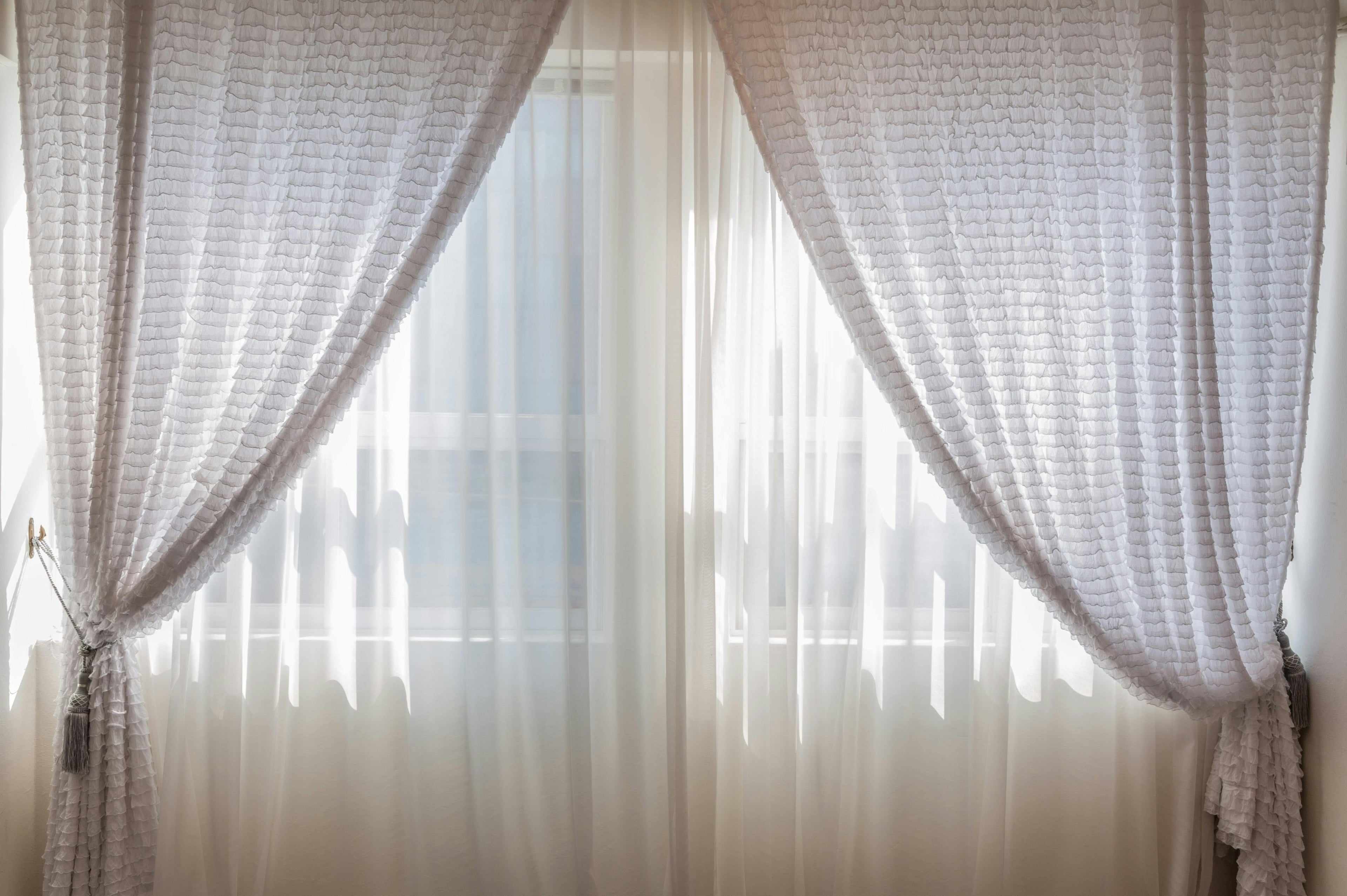
Maximize every ray of sunshine. Rid your windows of heavy opaque curtains. Opt for light sheer curtains, Roman blinds in light fabric, or ring-top curtains placed well above the window frame, up to the ceiling, to draw the eye upward and create an illusion of height. Mirrors strategically placed opposite or next to a natural light source will double its impact, reflecting the view and making the room look bigger dramatically.
For artificial lighting, banish the single ceiling light that creates harsh shadows. Adopt multi-source, soft lighting. Combine recessed or track lights for diffuse general lighting, with floor lamps, wall sconces, and table lamps to create warm pools of light. This technique, called "layering," eliminates dark dead corners and gives depth to the space. LEDs with a warm color temperature (2700K-3000K) are ideal for cozy lighting without reducing the feeling of space.
The Art of Layout: Circulation and Focal Points
The way you organize your space can free up unsuspected square meters. Good circulation is the key to a room that feels large.
Avoid pushing all furniture against the walls. This common mistake creates a useless central void and a hallway feeling. Don't hesitate to create functional zones (reading nook, relaxation area, dining space) by bringing furniture closer together. Leave a clear passage of at least 60-70 cm between elements. Create a focal point that draws the eye to the back of the room: a beautiful bookcase, a work of art, a fireplace. This point of interest gives direction and depth to the space.
Storage is the secret ally to make a room look bigger. Visual clutter instantly shrinks a space. Invest in smart, integrated storage solutions: shelves up to the ceiling, bench storage chests, coffee tables with drawers, beds with built-in storage. Every item should have its place, thereby freeing up visual surfaces and creating a feeling of order and space.
Light Renovation Work: Opening and Unifying Spaces
If you're ready to undertake more involved work, some light structural modifications can radically transform the perception of your home.
Removing a Non-Load-Bearing Wall
The most effective solution to make a room look bigger physically is to open up two adjacent rooms. Removing a wall (after mandatory verification by a professional that it is not load-bearing) between a kitchen and a living room, for example, creates a large, modern, and convivial living space, very popular today. This operation requires masonry, electrical, and plastering work, but the gain in light and fluidity is incomparable.
Creating Openings: Arches, Pass-Throughs, and Transom Windows
If complete removal is impossible, creating an opening can be an excellent compromise. An arch or a wide opening between two rooms preserves some privacy while allowing light to circulate and the gaze to pass through, visually unifying the spaces. In a kitchen, an open pass-through to the living area enlarges both rooms. Even a transom window above a door can bring valuable additional light.
Replacing a Solid Door with a Glazed Opening or a Glass Door
Solid doors, especially if they are dark, are visual barriers. Replacing them with glazed doors (like an interior entry door with frosted glass) or with a sliding glass door opening onto a balcony or garden removes this barrier, integrates the outside into the field of vision, and makes the room look bigger significantly by creating continuity.
Custom Solutions: From Built-in Furniture to Architectural Tricks
For more advanced renovation projects or new construction, some architectural and custom solutions offer exceptional results.
Built-in furniture is a winning investment. Floor-to-ceiling wall cabinets, custom-designed with wall-colored doors, blend perfectly into the decor and eliminate the feeling of clutter created by freestanding furniture. A built-in bookcase, a fold-away desk, or a wall bed are other perfect examples for optimizing every square centimeter.
On the architectural side, playing with volumes can create space. If the structure allows, creating a double height in a room (like a living room) is a spectacular solution. On a more modest scale, sunken flooring (creating a small step down of a few stairs for a lounge area) can define spaces without partitioning them. Wall niches for the TV or shelves also free up floor space.
Pitfalls to Absolutely Avoid
In your quest to make a room look bigger, some choices can have the opposite effect and make the space feel more stifling.
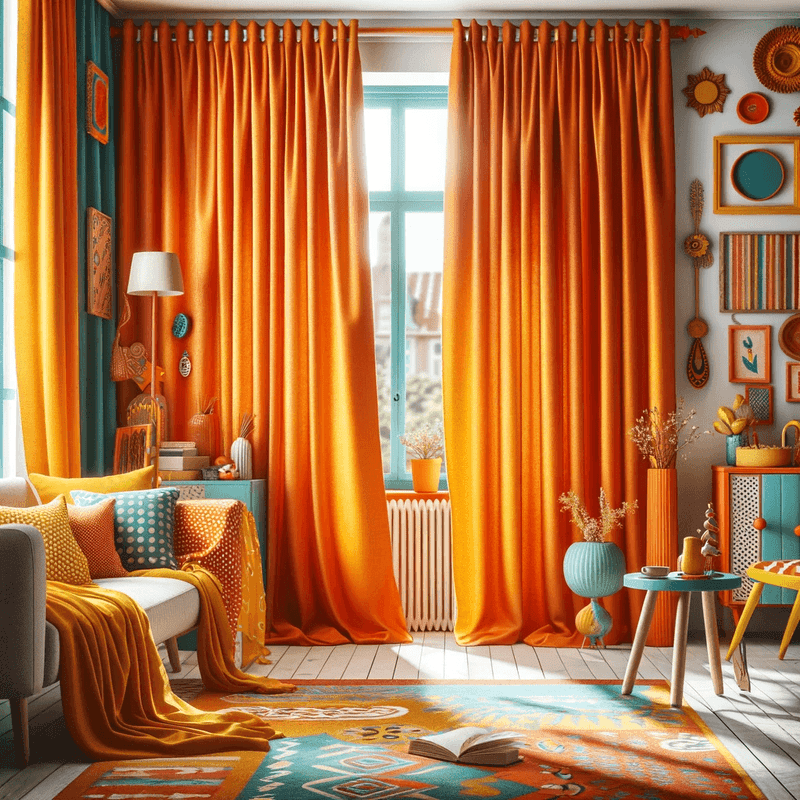
- Overly Large and Busy Patterns: A wallpaper with large flowers or a sofa with bold patterns will overwhelm a small room. Prefer subtle patterns, fine vertical stripes, or solid textures.
- Color Fragmentation: Painting each wall a different color or using too many bright colors breaks visual unity and fragments the space.
- Oversized Furniture and Overfilling: Insisting on a 3-seater sofa in a space meant for 2, or accumulating too many small pieces of furniture, creates a feeling of clutter and narrowness.
- Neglecting Verticality: Forgetting to use the height of the room is a mistake. High shelves, long curtains, a light-colored ceiling paint, all of this pulls the room upward.
- Insufficient or Poorly Placed Lighting: A poorly lit room, with shadowy areas, will always seem smaller and less welcoming.
Current Trends for Amplified Spaces
Contemporary decoration is full of ideas for creating open and airy spaces.
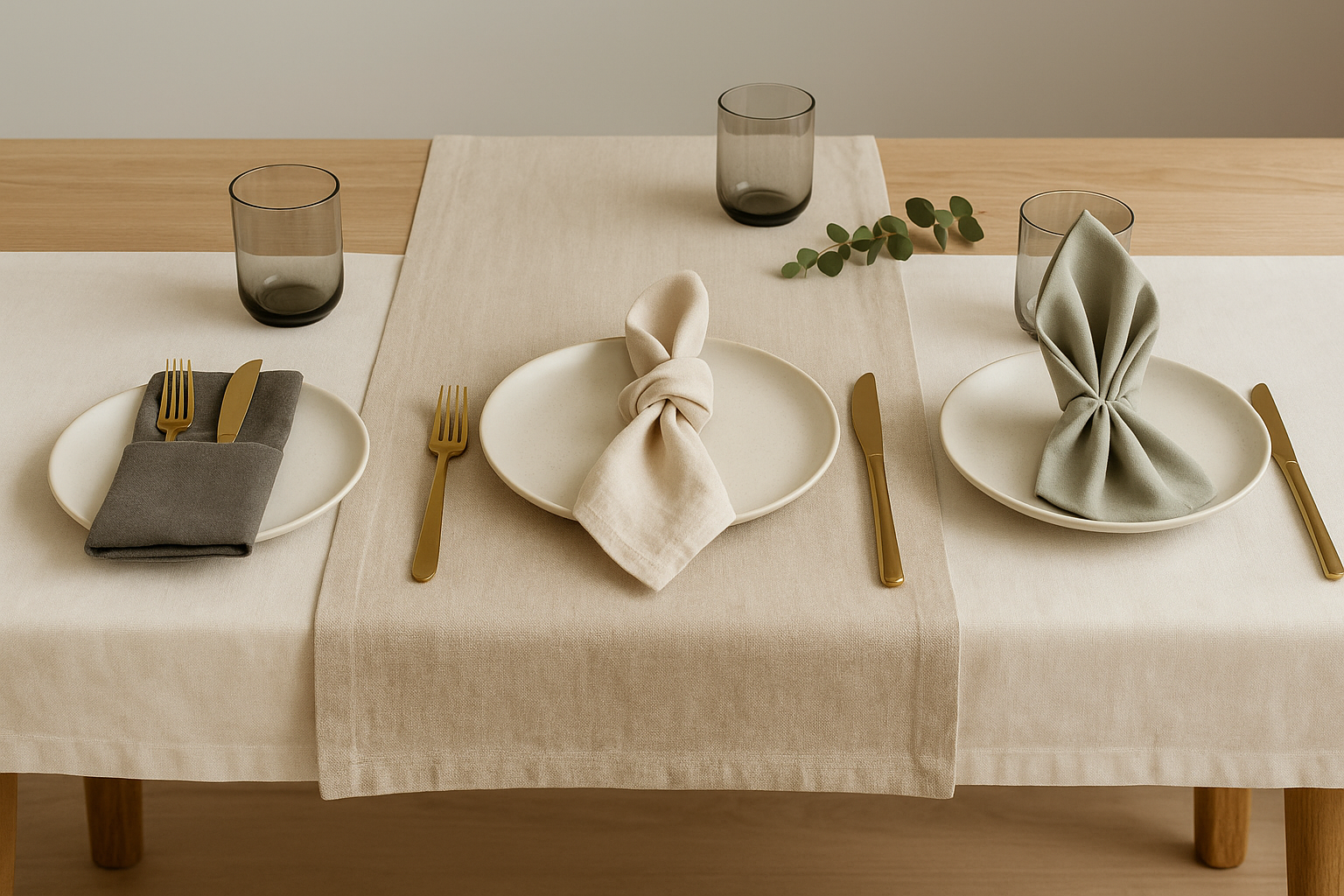
Japandi, a fusion of Japanese style (minimalism, natural) and Scandinavian (light, functionality), is perfect for making a room look bigger. It advocates for emptiness, natural materials (light wood, linen, stone), a neutral palette, and clean-lined, refined furniture. Every object has a reason to be, removing all visual superfluity.
Frameless mirrors or those with ultra-thin frames are very trendy. Hung in series or in large format, they blend into the wall like an extra window, reflecting space and light without interruption. Multifunctional furniture (extendable table, sofa bed, coffee table with storage) are also at the heart of trends, responding to the need for space optimization in urban homes.
Finally, the return of sand, earth, and soft ochre tones (terracotta, blush) offers a warm alternative to all-white, while remaining in light, reflective tones that contribute to the illusion of a larger space.
FAQ: Your Questions on How to Make a Room Look Bigger
What color makes a room look the biggest?
White remains the king of colors for maximizing light and creating a sense of space. However, warm whites (off-white, cream) are often preferable to cold white to avoid a clinical feel. Very pale "icy" blues and greens are also excellent as they are so-called "receding" colors that visually push back walls.
Can you visually enlarge a room without renovation work?
Absolutely. Most of the techniques mentioned in the first part of this article are non-destructive: light paint, adapted furniture, multi-source lighting, mirrors, optimal storage, and strategic furniture arrangement. With a good plan and a little shopping, you can radically transform the perception of your space without touching the walls.
Mirrors, where to place them for maximum effect?
To make a room look bigger, place mirrors to reflect what is most interesting and brightest. Ideally, opposite or perpendicular to a window to double the natural light. In a narrow hallway, a mirror at the end gives an impression of depth. Avoid placing them opposite a bare wall or a closet, as they will only reflect a lack of interest.
How to make a room with a low ceiling look bigger?
To pull a low ceiling upward, use subtle vertical stripes on the walls, paint the baseboards the same color as the wall, choose low and elongated furniture, and hang your curtains as high as possible, very close to the ceiling. Avoid low-hanging pendant lights and prefer recessed spotlights or wall sconces directed upward to light the ceiling.
What are the most effective works to gain real space?
Opening up rooms (removing non-load-bearing walls) is the most transformative work. Next are creating a mezzanine (if ceiling height allows), optimizing lost attic space, and replacing solid doors with glazed openings. Installing floor-to-ceiling built-in furniture is also an excellent way to gain usable space and free up floor surface.
Conclusion: From Illusion to Transformation
Making a room look bigger is an art that blends the psychology of perception, decoration techniques, and sometimes space engineering. Whether you opt for a simple furniture rearrangement and a coat of light paint, or you embark on opening up a wall, every action counts to create a more breathable, brighter interior more in tune with your needs. The ultimate goal is not necessarily to have more square meters, but to ensure that every centimeter is perceived, lived in, and used in the best possible way. Remember that space is also a matter of feeling. By applying these tips, you will not only modify your interior, you will transform your daily life. To discover more inspiration and practical guides on optimizing your living space, explore without delay the other articles and portfolios available on ombreinterieur.fr. Your more spacious and harmonious home awaits. Our guide how to cut a curtain rod helps you make the right choice. Get inspired on our decoration website for your next projects.
