
















Tips for organizing a small bedroom and optimizing space
Organising a small bedroom can feel like a puzzle: every square metre must be negotiated between the bed, the wardrobe and the need to breathe. Yet limited space need not be a constraint. With thoughtful planning and clever vertical solutions, you can turn this compact area into a functional, calming haven. The challenge lies in making every corner work for you, without compromising on style. Let us guide you in rethinking your room and creating an interior where order and tranquillity naturally take hold.
Furnishing a small bedroom is often seen as a major challenge, a puzzle where every square centimeter counts. Between the bed, the wardrobe, the desk, and the vital need for breathing space, the balance seems fragile. However, a cramped bedroom is not a sentence to clutter or a feeling of suffocation. On the contrary, with thoughtful organization and ingenious storage tricks, it can transform into a functional, peaceful, and incredibly stylish cocoon. This article is your ultimate guide to mastering the art of storage in a small bedroom. We will detail, step by step, how to optimize space, choose suitable furniture, and create storage systems that last over time, to finally enjoy a room where every item has its place.
The Big Sort: The Essential First Step to Organizing a Small Bedroom
Before even buying a single storage box or imagining a new layout, you must go through the "decluttering" stage. In a small volume, every superfluous object weighs double. This step, although sometimes tedious, is liberating and fundamental.
The most effective method remains the four-category technique: keep, donate/sell, recycle, throw away. Take absolutely everything out of your closets and drawers. Confront the reality of what you own. For clothes, the "12-month" rule is ruthless: if you haven't worn it in a year (excluding very special occasions), it's time to part with it.
For papers, souvenirs, and miscellaneous objects, be ruthless. Ask yourself the right questions: Does this object serve me? Does it make me happy? Does it have a real use? Minimalism doesn't mean depriving yourself, but keeping only what has value in your eyes. This big cleanup will instantly gain visual and physical space and clarify your mind about what you really need to store.
Optimize Vertical Space: Your Best Ally in a Small Bedroom
When floor space is limited, the only direction to explore is height. Walls and aerial space are untapped reserves of space. Thinking in three dimensions is the key to multiplying storage surfaces without encroaching on the circulation area.
Installing wall shelves up to the ceiling is both an aesthetic and ultra-functional solution. Use them for books, decorations, identical storage boxes for a clean look, or even to place wicker baskets for laundry. Tall and narrow bookcases, often called "tower bookcases," are perfect for slipping into a lost corner.
Don't forget the door, a vertical space often overlooked. Towel racks or pocket organizers hung behind the bedroom or wardrobe door offer valuable storage for belts, scarves, jewelry, or shoes. Also consider rails and wall hooks for hanging bags, hats, or an evening dress, thus freeing up space in the closet.
Trendy Wall Storage Solutions
Current trends favor modular and lightweight systems. Perforated panels like "Pegboard," popularized by workshops, are making a remarkable entry into the bedroom. Infinitely customizable with shelves, hooks, and baskets, they allow for storing and displaying everyday objects in a graphic and organized way.
Floating shelves, without visible supports, add a modern and airy touch. By arranging them asymmetrically or in a cascade, you create both an artistic installation and a practical storage space. The idea is to go up, up, and up again, to clear the floor as much as possible and create a sense of space.
Choosing Multifunctional and Scale-Appropriate Furniture
In a small bedroom, every piece of furniture must justify its presence by offering maximum functionality. The trend is towards hybrid pieces that combine several uses in a single footprint. This is the smartest strategy to save space.
The bed is the most cumbersome element. Opt for a model with integrated storage. A bed with storage drawers under the mattress, or a lift-up bed like a "loft bed" with a desk or sofa underneath, are revolutionary solutions for small spaces. Headboards with integrated shelves or niches also eliminate the need for a traditional nightstand.
For the desk, choose a fold-down or retractable model that mounts to the wall. It unfolds when you need it and disappears completely the rest of the time. For seating, a stool or pouf that tucks under the desk or serves as a side table is ideal.
The Suspended Nightstand Trick
Replace the classic nightstand with a wall shelf placed at the right height, or with a very narrow console. A fabric basket hung on the wall can also serve as a lightweight nightstand for slipping in a book and a glass of water. The goal is to free up floor space around the bed, which visually enlarges the room.
Smart Storage Solutions for the Dressing Room and Wardrobe
The wardrobe is often the weak point of small bedrooms. An overloaded and poorly organized closet can undo all your efforts. The solution lies in optimizing the internal space available.
Start by standardizing your hangers (thin, preferably velvet to prevent slipping) to save space and achieve visual coherence. Then, invest in closet interior organizers. Adjustable shelves, stackable fabric drawers, dividers for piles of sweaters, and over-the-door shoe racks are inexpensive changes with spectacular effects.
Think "seasonal." Store off-season clothes (heavy sweaters in summer, light dresses in winter) in boxes under the bed or at the top of a closet. Use vacuum compression bags to drastically reduce their volume. This allows you to keep only the current season's collection within easy reach, simplifying daily choices and storage.
Utilizing Hidden Spaces and Dead Corners
A well-organized small bedroom is a bedroom that exploits every nook and cranny. These "dead" spaces can become the most valuable assets of your organization.
The space under the bed is a gold mine. If your bed doesn't have integrated drawers, equip it with low storage boxes on wheels, perfect for household linens, shoes, or souvenirs. Choose opaque boxes for a uniform look, or transparent models to see the contents.
Wall corners can accommodate triangular shelves or a corner unit specifically designed for that space. The space above the door can support a closed shelf for storing rarely used items. Even the space between two pieces of furniture can be filled with a sliding shelf or a narrow cart, ideal for beauty products or books.
The Importance of Colors and Light to Enlarge the Space
Storage isn't limited to furniture; it's also a matter of perception. Suitable decor can create the illusion of a larger, more airy room, where storage seems easier to maintain.
Prefer a color palette of light and neutral tones for walls and large furniture. Whites, beiges, very pale grays, and soft pastels reflect light and visually enlarge the space. Reserve brighter colors or patterns for accessories, cushions, or an accent wall, to avoid a "boxy" effect.
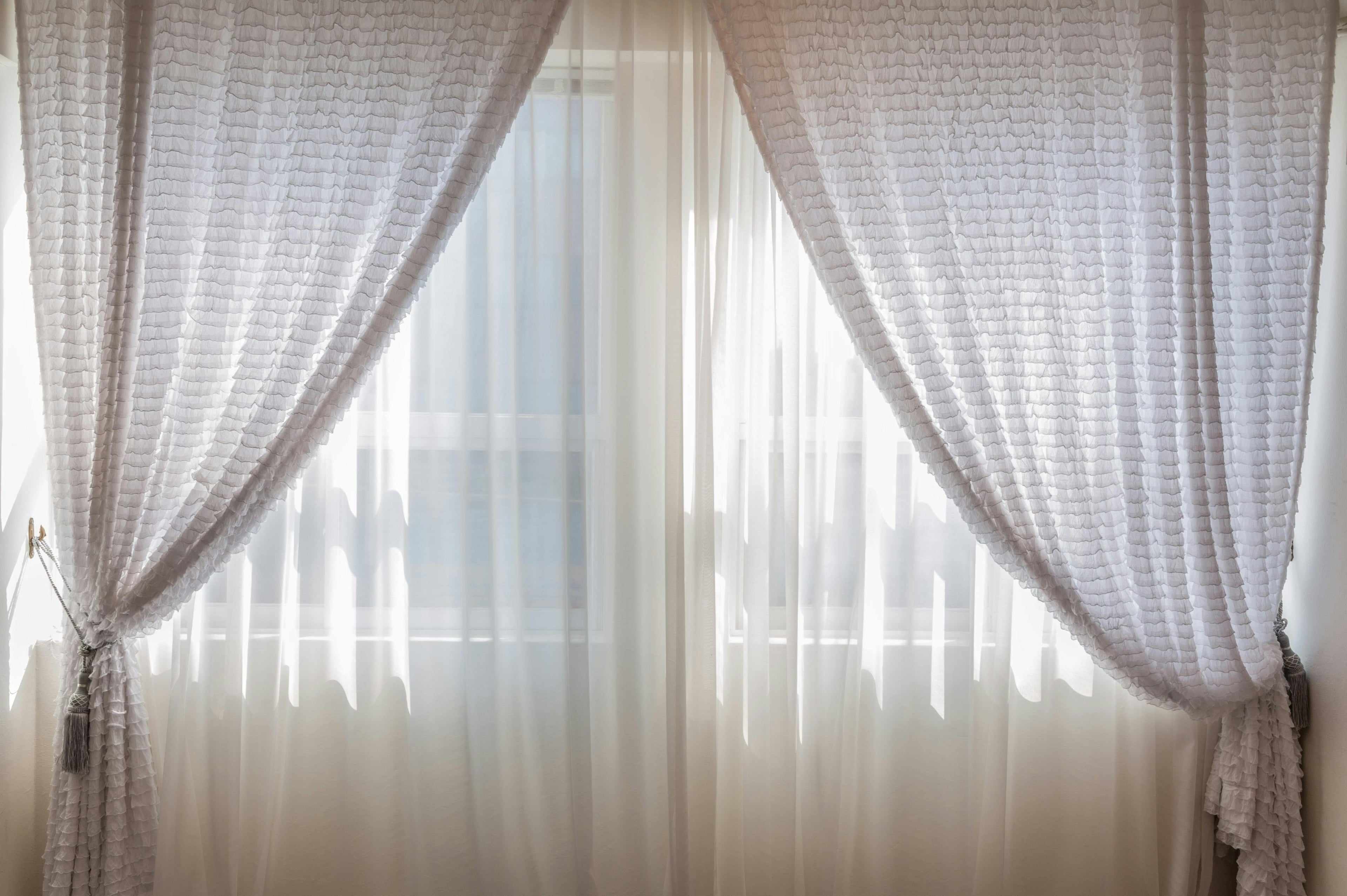
Light is crucial. Maximize natural light with light sheer curtains rather than heavy blackout curtains. Complement with well-thought-out artificial lighting: general ceiling light, bedside lamps for reading corners, and especially, directed light points towards storage areas (like LEDs under a shelf) to avoid shadowy areas that shrink the room.
Maintaining Order Daily: Essential Routines
The most beautiful storage system in the world is useless without minimal discipline. In a small bedroom, clutter returns at lightning speed if you don't establish simple habits.
Adopt the "two-minute" rule: if a storage task takes less than two minutes (putting away a sweater, returning a book to the shelf), do it immediately. This prevents accumulation. Establish a five-minute "surface tidy-up" every night before bed: put back what's lying around on the desk, nightstand, floor.
Make your bed every morning. This simple act, which takes only a minute, immediately gives an impression of order and cleanliness to the entire room. Finally, plan a seasonal "express sort," for example during the time change, to re-check your clothes and objects and get rid of what has been lying around uselessly.
Mistakes to Absolutely Avoid in a Small Bedroom
Some misguided ideas can, on the contrary, clutter and darken a small room. Identifying them allows you to make the right choices from the start.
- Furniture that is too large and oversized: A king-size bed or a massive wardrobe crushes the space. Always prioritize furniture scaled to the room.
- Lack of visual coherence: Too many colors, different patterns, or disparate furniture styles create visual chaos. Opt for unity of style and color.
- Neglecting circulation: Cluttering passageways (sides of the bed, entrance door) makes the room uncomfortable. Leave at least 60 cm of free passage.
- Forgetting about light: A dark room always appears smaller. Multiply light sources at different heights.
- Storing mismatched objects in plain sight: Prefer closed storage (drawers, boxes) for what is unsightly. Display only the pretty objects.
FAQ: Your Questions About Organizing a Small Bedroom
How to store a lot of clothes in a very small closet?
The solution relies on verticality and segmentation. Use a double hanging rod to stack two rows of clothes on hangers. Fold jeans, sweaters, and t-shirts vertically (KonMari method) in drawers or on shelves to see everything at a glance. Add an extra rod at the bottom for short tops. Finally, use the door space with a pocket organizer for underwear and accessories.
What is the best type of bed to save space?
The bed with integrated storage (drawers or chest) is the most practical for immediate space gain. For studios or children's rooms, the loft bed is unbeatable, freeing up the entire floor surface for a desk, sofa, or dressing area. A single bed (90x200) or European double bed (140x200) is also preferable over very wide beds.
How to create a discreet desk area in a small bedroom?
Opt for a wall-mounted fold-down desk that closes like a painting when not in use. You can also use a wall-mounted shelf, supported by invisible brackets, and a stool that stores under the shelf. Another trick: use a narrow dresser on which you place a laptop; the drawers then serve for storing supplies.
Are white storage furniture always the best option?
White or very light-colored furniture is excellent because they blend into the walls and reflect light, which enlarges the space. However, to avoid a too-sterile feeling, you can play with natural materials like light wood (oak, pine) or introduce a pastel color on a single piece of furniture to create a focal point without heaviness.
How to prevent the bedroom from becoming cluttered again quickly?
The key is the simplicity of the system. If putting away a garment requires too many steps (opening a box, lifting a lid...), you won't do it. Create easy-access and intuitive storage: baskets for dirty laundry, hooks for clothes worn once, a tray on the dresser for everyday small objects. Assign each type of object to a single, obvious place.
Organizing a small bedroom efficiently and with style is within everyone's reach. It requires an initial phase of reflection and sorting, but the benefits are immense: a calming, functional space, and a daily time saver. By combining vertical optimization, the choice of multifunctional furniture, and simple maintenance routines, you transform a constraint into an asset. Your small bedroom will become the reflection of serene organization, where clutter no longer has a place. To discover more inspiration for small space layout and decor trends, feel free to explore the other comprehensive guides available on ombreinterieur.fr. Before choosing, browse how to integrate a rug in a small 30 m² entryway. Discover our entire decor universe on Ombre Interieur.
