














Tips for Visually Enlarging a Room with Decoration
The feeling of tightness in your home often stems more from perception than from square footage. Yet a handful of well-executed decorative principles can utterly transform a room’s atmosphere. Colour, light and layout become your allies in conjuring the illusion of generous volume, without so much as lifting a hammer. Let proven visual tricks guide you—those that play with optics and textures, coaxing depth from every surface. You will learn to rethink each corner, granting your space a newfound breath and an airy elegance that feels both effortless and refined.
Do you feel cramped in your living room, bedroom, or entryway? The feeling of space is often more psychological than physical. Fortunately, the art of decoration is full of visual tricks, optical effects, and lighting strategies to create the illusion of a more generous volume. Visually enlarging a room is not a matter of extra square meters, but of knowing how to play with perception. It's a stylistic exercise that requires finesse and an understanding of the fundamental principles of layout. In this article, we will explore in depth the most effective techniques, from timeless classics to current trends, to transform your interior into a space that breathes lightness and grandeur.
The Magic of Color: Your Ally for Enlarging Space
Color is the most powerful tool for altering the perception of a room. It acts directly on our psyche and our vision of space. The basic principle is well known: light and cool tones tend to push surfaces away, while dark and warm tones bring them closer. But today, the approaches are much more nuanced and creative.
The Power of White Walls and Light Tones
White remains the undisputed champion for visually enlarging a room. It reflects light to the maximum (up to 80% of the light received), creating a diffuse brightness that softens corners and boundaries. Opt for warm whites (off-white, ivory, eggshell) to avoid a clinical effect. Very pale shades of gray, glacier blue, or water green offer the same reflective capacity with a touch of character. The master trick is to paint the ceiling, walls, and moldings in the same light shade. This visual continuity removes the reference points that delimit the space, creating an impression of infinity.
Dark Colors: The Bold Move That Pays Off
Counter-intuitively, a dark color can also enlarge a room, provided it is used strategically. Applied to a single wall (the far wall in a hallway, for example), a deep navy blue or forest green creates a depth and light-absorbing effect that gives the impression the wall is receding. This technique, highly prized in contemporary decoration, works particularly well in narrow rooms.
Monochromatic Schemes and Subtle Gradients
To visually enlarge a room, harmony is key. A monochromatic palette, where you play with different shades of the same color (for example, from sand to taupe through beige), avoids fragmenting the space. Fluid transitions guide the eye without interrupting it. Also consider the "vertical gradient": a wall painted a darker color at the floor, which gradually lightens towards the ceiling. This effect, inspired by natural light, gives an impression of additional height.
Strategic Lighting: Sculpting Space with Light
Without good light, even the brightest room will seem cramped. The goal is to create uniform illumination, without marked shadow areas, which flattens volumes. The current trend favors multiple, diffuse sources.
Ban the single central ceiling light, which creates harsh shadows and accentuates boundaries. Opt for three-layer lighting: general (recessed spotlights or LED tracks concealed in ceiling niches), ambient (floor lamps, wall sconces), and functional or accent (reading, highlighting a painting). LEDs with a warm color temperature (2700K-3000K) are ideal for cozy lighting that doesn't reduce the space.
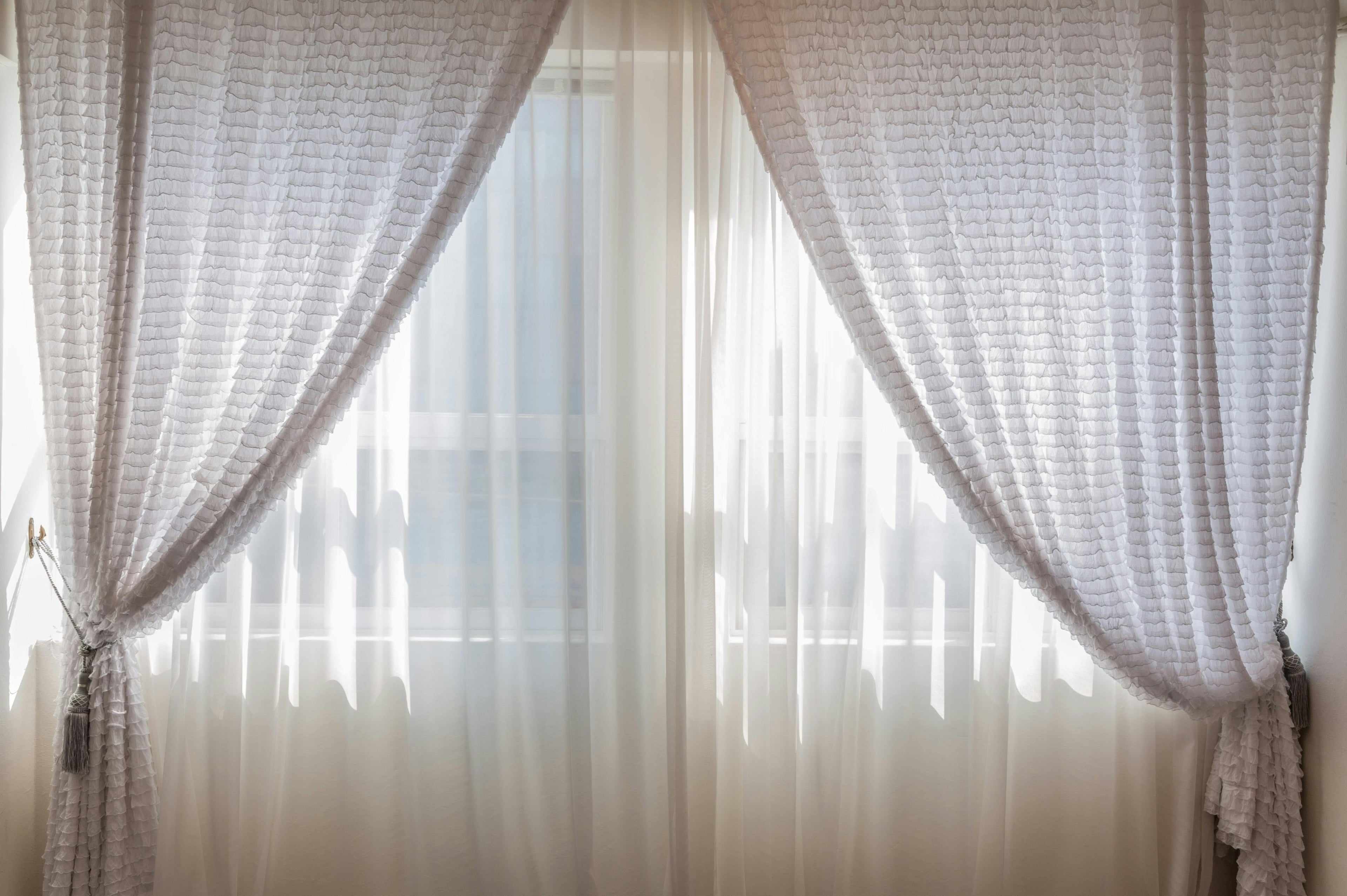
Don't forget natural light, your best ally. Transparent sheer curtains or horizontal slat blinds let in light while preserving privacy. A large mirror placed opposite a window will literally double the amount of light and the view to the outside, creating a virtual extension of the room.
The Mirror: The Ultimate Weapon of Optical Illusion
The mirror is much more than a simple functional accessory; it is an architectural tool in its own right for visually enlarging a room. Its power of reflection creates instant depth and multiplies light sources.
Where and How to Place Your Mirrors?
Location is crucial. For maximum effect, place a large mirror opposite the main light source (window, French door). It will reflect not only the light but also the perspective, giving the illusion of a second window. In a narrow hallway, a mirror at the end will dramatically enlarge the perspective. On a side wall, it will widen the space.
Shapes, Frames, and Creative Installations
Think outside the classic frame! A frameless mirror, or one with an ultra-thin frame the same color as the wall, blends into the architecture and enhances the opening effect. Round or oval mirrors soften the angles of a square room. For a very trendy approach, consider a sliding mirror panel in front of a bookcase, or several mirrors of different sizes grouped in a composition for a dynamic and artistic effect.
The Art of Storage: A Clear Space is an Enlarged Space
Clutter and mess are the worst enemies of the feeling of space. Every object left in view creates a visual anchor point that reduces the fluidity of the gaze. The philosophy should be that of "less, but better."
Opt for integrated and discreet storage solutions. Floor-to-ceiling cabinets, painted the same color as the walls, will blend into the decor. Prefer smooth doors without protruding handles (push-pull system or recessed handles). In the kitchen, a mirrored or glass backsplash will reflect the space. Furniture on legs, which allows the floor to be seen, also contributes to this impression of lightness and visual continuity.
Choosing and Arranging Furniture: Lightness and Proportion
Furniture should not clutter, but inhabit the space. The golden rule is to prioritize quality over quantity and to always think about the scale of the room.
Clean Lines and Transparent Materials
Furniture with clean, thin, and straight lines takes up less visual space than models with heavy, curvy shapes. Thin legs in metal or light wood are preferable. Translucent materials like glass (coffee tables, shelves) or plexiglass are magical: they occupy physical volume without blocking the view, thus preserving perspectives. A glass table in the center of a small living room almost disappears visually.
Layout: Fluidity and Circulation
Avoid pushing all furniture against the walls. This common mistake creates an empty and static zone in the center. On the contrary, bring seating closer together to create a cozy conversation area and leave generous circulation space around. A corner sofa can be a trap in a small room; a two-seater sofa with a complementary armchair is often a more flexible and airy solution.
Floor and Ceiling Coverings: Guiding the Eye
The floor and ceiling are the two largest surfaces in your room. Their treatment has a decisive impact on visually enlarging a room.
For the floor, prioritize continuity. The same covering (hardwood, laminate, tile) throughout the room, and if possible in a straight line into adjacent rooms, creates an uninterrupted flow. Parquet strips or tiles laid diagonally or lengthwise along the room amplify the perspective. Light and matte tones are preferable to dark and glossy ones, which can create reflections that fragment the space.
For the ceiling, height is king. A ceiling painted in glossy white will appear higher. Moldings and cornices, if present, should be painted the same color as the ceiling to avoid "squashing" the height. A bold trick is to extend the color of one wall onto part of the ceiling, creating a vault effect that draws the eye upward.
Textiles and Accessories: The Final Touch That Lightens
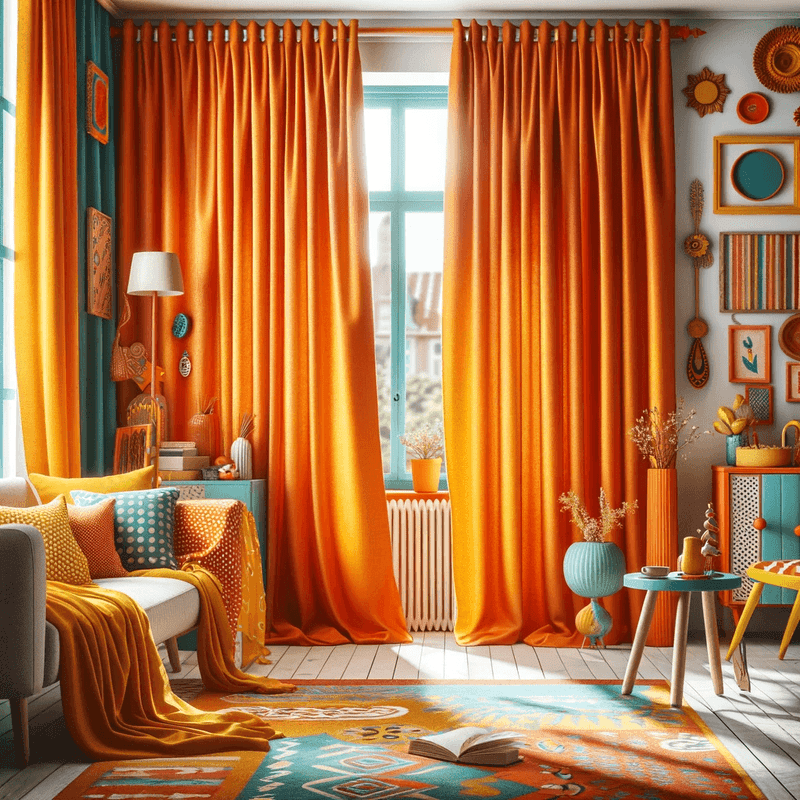
Even the finest details matter. Heavy, dark textiles weigh down a decor. Choose light and fluid curtains, in natural materials like linen or cotton, and hang them as high as possible, just under the cornice, letting them fall to the floor. This simple trick instantly raises the perceived ceiling height.
For accessories, adopt a curatorial approach. A few carefully chosen pieces (a large vertical painting, a graphic green plant like a fiddle leaf fig) have more impact than a multitude of small knick-knacks. Artworks with receding perspectives or light colors can also contribute to the illusion of depth.
Current Trends: Innovations for Small Spaces
Contemporary decoration offers ingenious solutions. Movable partitions or frosted glass (sanded glass) allow for defining spaces without visually compartmentalizing them. Multifunctional furniture (bed with integrated storage, extendable table, storage ottoman) are more relevant than ever. The "Japandi" trend, a fusion of Japanese style (minimalism, natural) and Scandinavian (light, functionality), is perfect for creating calming and visually enlarged spaces, with its low furniture and raw materials.
New technologies like integrated LEDs allow for adding lines of light under furniture or along baseboards, creating a "levitation" effect that considerably lightens volumes. Wallpapers with very large patterns and architectural perspectives can, used sparingly, create spectacular depth on an accent wall.
Room by Room: Specific Tips for Visual Enlargement
The Living Room
Prefer a sofa and armchairs with thin arms. An oval or rectangular coffee table with rounded corners is less visually cluttered than a square table. Use open shelving in moderation and preferably in a light shade.
The Bedroom
A bed with a low, integrated headboard (upholstered into the wall, for example) frees up visual space. Avoid heavy canopy beds. Suspended or thin-legged bedside tables are ideal. A large mirror on a closet door or opposite the bed will enlarge the space.
The Kitchen
Smooth, handleless cabinet fronts in a light color are essential. A mirrored backsplash or glossy white tile will enlarge the space. A central island on wheels with a glass top can be a flexible solution.
The Bathroom
A wall-mounted basin and a wall-hung toilet free up the floor. A walk-in shower (without a tray) and an extra-flat bathtub contribute to this impression of continuity. A large mirror with integrated lighting is essential.
FAQ: Your Questions on Visually Enlarging a Room
Can a dark color really enlarge a small room?
Yes, provided it is used in a strategic and controlled manner. On a single wall, a dark, saturated color can create a depth effect by making that surface "recede." It absorbs light and removes reference points, which can give an impression of a more mysterious and extended space. However, this requires very careful lighting to avoid the room feeling like a cave.
What type of curtains should I choose to enlarge a room?
Opt for curtains in light tones, in light and translucent materials like linen, sheer, or cotton. The secret lies in their installation: fix the rod 15 to 30 cm below the ceiling and let the curtains touch the floor. This extra visual height raises the ceiling and gives an impression of grandeur. Avoid short curtains, overly busy patterns, and thick fabrics like velvet in small rooms.
Are patterns absolutely forbidden in a small space?
Not necessarily. Small, repetitive, dense patterns can indeed fragment the space. On the other hand, a large pattern, used sparingly (on a single wall, as a headboard, or on cushions), can create focus and depth. Fine vertical stripes are a classic for gaining visual height. Trompe-l'oeil or architectural perspective patterns can also, if well chosen, enlarge the space spectacularly.
How to visually enlarge a very narrow hallway?
A narrow hallway particularly benefits from visual enlargement techniques. Paint the walls and ceiling the same light color. Place a mirror at the end of the hallway to double the perspective. Install linear lighting on the ceiling (aligned recessed spotlights or LED strips) to guide the eye. Choose a floor covering that runs lengthwise (parquet strips, linear tiles) and avoid any furniture or rug that would reduce the passageway.
Is LED lighting recommended for this effect?
Absolutely. LED technology is a valuable ally. It allows for discreet installations (LED strips in niches, under furniture, behind a headboard), creating indirect light that enlarges space by blurring boundaries. Prefer warm light LEDs (2700K-3000K) for a welcoming ambiance. Their small size also allows for ultra-flat ceiling lights that don't "weigh down" visually.
Visually enlarging a room is an art accessible to all. It's not about tearing everything down, but about rethinking the layout, light, and palette with intelligence. By applying these principles – from color to lighting, through strategic mirrors and well-proportioned furniture – you will radically transform the perception of your interior. The space gained is not just an illusion; it's a new feeling of well-being, fluidity, and harmony. To discover more inspiration and detailed advice for each room in your home, explore the other expert guides available on ombreinterieur.fr. Your spacious interior awaits. For more tips, discover how to integrate a console on a modern terrace on the blog. Get inspired on our decoration site for your next projects.
