















Transforming a Useless Room: Practical Layout Ideas
Every square metre of your home deserves a purpose, a soul, a reason to exist. That room you consider useless – a cluttered cupboard, a nook beneath the stairs, or a phantom guest bedroom – holds untapped potential. The goal is not to fill a void, but to uncover a space that answers your deeper needs: work, wellbeing, passion. By exploring current trends and the principles of thoughtful design, you will learn to turn that forgotten corner into a genuine asset for daily life. Let yourself be guided.
You have that room in your house or apartment that seems to serve no purpose. A cluttered storage room, a lost hallway, a nook under the stairs, or even a guest room desperately waiting for visitors. This useless room is actually an untapped gem of space, a blank canvas awaiting your creativity. Furnishing a room without an obvious function is one of the most rewarding decorating projects. It transforms a void into a space for living, passion, or productivity, thereby increasing the value and enjoyment you get from your home. In this article, we will explore in depth how to give a soul to these forgotten spaces, drawing on current trends and practical advice for every square centimeter.
The Diagnosis: Understanding the Potential of Your "Useless" Space
Before diving headfirst into furnishing, it is crucial to take an objective inventory. A useless room does not exist; it is simply a space whose function has not yet been defined. Take the time to analyze this place from all angles.
Start by precisely measuring the area and note its architectural features. Is there a window bringing in precious natural light? Is the room a pass-through or windowless? What about the ceiling height, electrical outlets, potential water connections, or the quality of sound insulation? These technical elements will greatly influence the possibilities.
Next, ask yourself about your needs and desires. The furnishing must address a lack in your daily life. Review your lifestyle: do you lack a quiet workspace? A corner for your workout sessions? A library to escape into? A workshop for your creations? This diagnostic phase is the key to transforming a simple storage area into a place that has meaning for you.
Key Trends for Transforming a Forgotten Room
The world of interior decoration is constantly evolving, and micro-spaces are in the spotlight. Several strong trends are emerging for furnishing useless rooms.
Cocooning and the search for personal sanctuaries are more present than ever. People aspire to bubbles of disconnection within their own homes. At the same time, the rise of hybrid remote work has permanently established the need for a functional home office, even in a small space.
Creative activities and "do-it-yourself" are also experiencing renewed interest. Workshops for DIY, sewing, or painting are becoming priority projects. Finally, the "slow living" trend pushes us to create spaces dedicated to well-being, like a small yoga and meditation corner, or a library-lounge for reading.
These trends show that the value of a house is no longer measured only in square meters, but in the quality of use and the emotions provided by each space.
Smart Multi-Use: The Premier Solution
For truly limited spaces, the trend is towards smart multi-use. It's not about cramming functions together, but designing them to coexist harmoniously thanks to clever furniture and thoughtful organization. A desk that transforms into a sewing table, a wardrobe that hides a foldable gym space, or a spare sofa bed in a library. The idea is to maximize utility without sacrificing aesthetics.
Idea #1: Create a Productive and Inspiring Home Office
Transforming a useless room into an office is probably the most popular and rewarding furnishing project. The challenge is to separate professional and personal life, even in a small space.
Choose a location near a source of natural light if possible. For furniture, prioritize an ergonomic work surface and vertical storage: wall shelves, high cabinets. Modular furniture and sit-stand desks are perfect for adaptability.
Ambiance is key. A calming color like gray-blue or sage green promotes concentration, while a bolder accent wall can stimulate creativity. Invest in good lighting: a pendant light or an LED desk lamp with a neutral light temperature (4000K) reduces eye strain.
Think about cable management and acoustics. A rug, cork or felt wall panels absorb noise and improve comfort.
Idea #2: A Custom Dressing Room or Wardrobe
If your closet is bursting at the seams, this lifeless room is the perfect opportunity to create an organized dressing room. A space dedicated to your clothes radically transforms your morning routine.
The first step is a big decluttering. Then, draw a plan based on your possessions: more hangers for dresses and coats? Folding shelves for sweaters? Drawers for underwear? Solutions like IKEA's modular Algot system or metal kits allow for custom furnishing without heavy construction.
Optimize every centimeter. Use the space behind the door with accessory hooks, install drawers under a low hanging rod, and consider integrated lighting (LED strips) inside the closets. A full-length mirror or a mirror on the door will visually enlarge the space.
For the ambiance, treat this dressing room like a room in its own right. A luxurious wallpaper, a soft carpet under bare feet, or a room fragrance make it a space where you love to start your day.
Idea #3: A Well-being and Relaxation Corner (Yoga, Meditation, SPA)
In an always-connected world, gifting yourself a sanctuary dedicated to well-being is an accessible luxury by transforming a useless room. You don't need a lot of space, but an atmosphere.
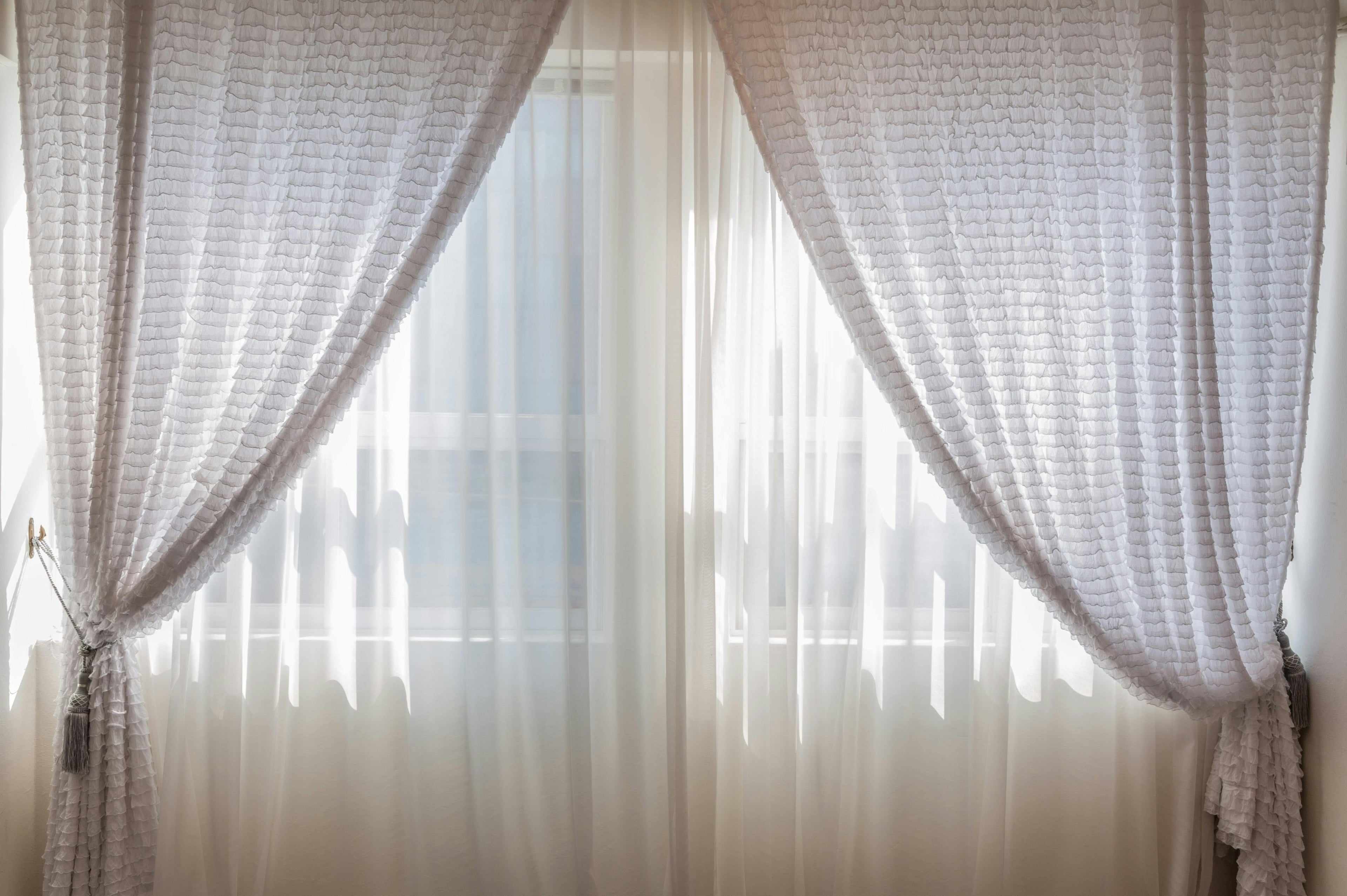
Isolate this room sensorially. Lay down a thick yoga mat or carpet, add blackout curtains to control light, and even consider a small essential oil diffuser (humidifier). The color palette should be soft and neutral: off-white, beige, very light gray, earthy tones.
The furniture is minimal: an ottoman, a few floor cushions, a small shelf for your accessories (blocks, straps) and perhaps a comfortable chair or armchair for reading. The central element is the empty floor space for practice.
Lighting should be dimmable. String lights, salt lamps, or a lamp with a dimmer allow you to adjust the ambiance. To go further, if plumbing is accessible, installing a walk-in shower or a jacuzzi can transform the space into a true home SPA.
Idea #4: A Cozy Library or Reading Nook
For book lovers, transforming a lost space into a library is a dream come true. The goal is to create a cozy nest inviting reading and escape.
Storage is the structuring element. Wall shelves from floor to ceiling, a custom-built bookcase in an alcove, or even simple stacked wooden crates will do. Think about sturdiness: a book is heavy. Arrange the books by color for a design effect, or by genre for a more traditional look.
Comfort is king. Integrate a deep armchair or a chaise lounge, a soft blanket, a small ottoman to put your feet up. An architect's lamp or a low-hanging pendant light above the reading seat is essential.
Create a hushed atmosphere with warm materials: hardwood floor or thick rug, velvet curtains, raw wood shelves. This space can also easily become a music corner with your record player and your collection of records.
Idea #5: A Creative Workshop or DIY Space
Whether you are passionate about painting, sewing, modeling, or DIY, having a dedicated space to leave your project out is invaluable. A useless room lends itself perfectly to this use.
Functionality comes first. Plan for a sturdy and easy-to-clean work surface (melamine, laminate). Organize smart storage for your tools and materials: transparent storage jars, perforated panels (like Pegboard) for hanging tools, clear shelves.
Lighting must be excellent and shadow-free for precision work. Directional LED spotlights on the ceiling combined with an articulated desk lamp are ideal. Also think about ventilation if you use products that emit fumes (paints, glues).
Don't hesitate to leave the structure exposed (bricks, pipes) for an industrial loft style, or paint the walls white for a bright artist's studio ambiance. The floor should be durable (vinyl, polished concrete).
Idea #6: A Playroom or Entertainment Space
This furnishing is perfect for families or big kids. It's about creating a space for decompression and play, away from the living room.
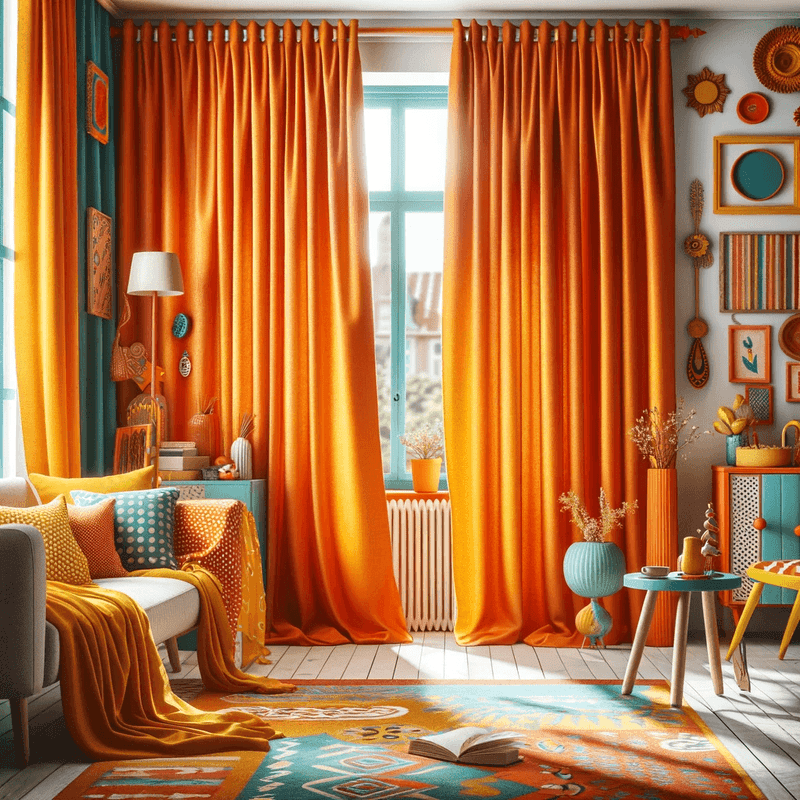
For a children's playroom, prioritize low and colorful storage, a soft play mat, and thematic decoration (starry sky on the ceiling, chalkboard wall). For an adult space, the possibilities are vast: a gaming corner with a screen and ergonomic chair, a pool or foosball table, a home cinema with a comfortable sofa, projector, and good sound system.
In all cases, acoustics are important to preserve the rest of the house. Decorative acoustic panels, a thick rug, and heavy curtains absorb sound.
Lighting should be adaptable: bright for board games, dimmed for movie sessions. This is also an opportunity to dare with bold colors or graphic wallpapers that would be too strong in the main living areas.
The Keys to Success: Layout, Light, and Storage
Whatever function you choose for your useless room, three pillars guarantee the success of the furnishing.
Layout: In a small space, every piece of furniture must be justified. Prioritize furniture with adapted dimensions, even custom-made. Free up the center of the room for circulation. Use corners with shelves or a corner desk. Multifunctional furniture (ottoman with storage, bed with drawers) are your allies.
Light: It is the element that enlarges and gives life. Maximize natural light with strategically placed mirrors. Complement with artificial lighting in three layers: general lighting (ceiling light), ambient lighting (string lights, sconces), and task lighting (desk lamp, reading spotlight). Prioritize LEDs for their low heat emission and long lifespan.
Storage: Clutter visually reduces space and harms serenity. Opt for closed storage (wardrobes, cabinets) to hide clutter, and open storage (shelves) to display your most beautiful objects. Think vertically: go all the way to the ceiling. Storage solutions under seating, under stairs, or in technical voids are often underutilized.
FAQ: Answers to Frequent Questions About Furnishing a Useless Room
Still have doubts? This section answers the most common questions to get you started with confidence.
How to Furnish a Very Small Room (Less Than 5m²)?
Micro-spaces demand rigor. Choose a single main function (e.g., office, dressing room, reading nook). Use furniture to scale, often office or entryway furniture. Exploit height with very high shelves and a library ladder. Mirrors on an entire wall create an incredible illusion of space. Light, solid colors are to be preferred to avoid visually fragmenting the space.
What Budget Should Be Planned for Such a Project?
The budget is extremely variable. A simple rearrangement with paint, a rug, and recycled or flat-pack furniture can cost a few hundred euros. A custom project with an electrician, carpenter, and high-end materials can reach several thousand euros. First establish a list of priorities. Often, an investment in one standout element (a beautiful armchair, a custom bookcase) and economical solutions for the rest gives an excellent result.
How to Acoustically Isolate This Room?
For a home studio, office, or playroom, soundproofing can be crucial. Several solutions exist without major construction: a thick rug with an underlay, heavy velvet or lined curtains, decorative acoustic panels (cork, felt, or foam) fixed to the walls. For walls, adding fiberglass and a second layer of drywall is more effective but more invasive.
Do I Need to File a Declaration with the Town Hall to Change a Room's Function?
As a general rule, furnishing an existing room (storage room, convertible attic) does not require a building permit as long as you do not modify the load-bearing structure, the facade, or the living area of the house. However, converting a non-habitable garage into a living space or creating a new opening may be subject to prior declaration. It is always prudent to inquire with your town hall's urban planning department, especially if you are in a condominium.
How to Light a Room Without a Window?
A windowless room requires particular attention to artificial lighting to avoid a cave-like effect. Mimic daylight: use neutral white LEDs (3500K to 4500K) for the main lighting. Multiply sources at different heights (ceiling light, wall sconces, table lamps). Mirrors facing light sources reflect and amplify brightness. Finally, opt for very light wall colors and furniture with glossy or lacquered finishes that reflect light.
Conclusion: Dare to Give a Second Life to Your Space
Furnishing a useless room is much more than a simple decorating project. It is an act of personalizing your home, an opportunity to address a deep need, whether practical, creative, or emotional. Whether you choose to make it a well-being sanctuary, a workshop overflowing with projects, or an ultra-functional office, you will gain in quality of life and property value.
Don't be afraid to start small, with what you have. A simple rearrangement and a coat of paint can already work wonders. The important thing is to take action and transform this latent potential into a space that reflects you and makes you feel good. To discover hundreds of other ideas, tutorials, and inspirations for every corner of your home, continue your exploration on ombreinterieur.fr. Your next decor favorite awaits you there. For more tips, discover how to integrate a rug in a small 30 m² entryway on the blog. Browse our online store to see all our collections.
