















What mistakes should you avoid with indoor plants on the balcony?
Your balcony, that suspended extension of your home, deserves a thriving green display rather than a graveyard of neglected pots. The enthusiasm for moving indoor plants outdoors often collides with invisible pitfalls: a miscalculated orientation, overwatering, or fatal overcrowding. Yet with a few precise adjustments, you can offer your leafy charges an open-air sanctuary where they will flourish season after season. This is your invitation to rethink your approach and transform your space into a serene haven, without compromising the health of your plant collection.
Dreaming of a lush, thriving balcony? Avoid common urban gardening pitfalls! Our comprehensive guide reveals the fatal mistakes to avoid to create a balanced and luxuriant plant ecosystem on your balcony. Discover our expert tips to transform your outdoor space into a true green oasis.
Fundamental mistakes in designing a green balcony
The art of urban gardening is accessible to everyone, even without a garden. However, cultivating, maintaining, and helping plants thrive in an urban environment requires special attention. To succeed in your green balcony project, it is essential to identify and avoid certain common mistakes that could compromise the health of your plants and the harmony of your outdoor space.
How to choose plants adapted to your balcony's exposure
The crucial mistake: ignoring orientation and sunlight
Lack of knowledge about solar exposure is one of the main causes of failure in green balcony design. Before any purchase, meticulously observe the light cycles of your space: how many hours of direct sunlight does it receive? Are there areas of partial shade? This preliminary analysis is fundamental for selecting species that will thrive in these specific conditions.
Recommendations based on your balcony's orientation
- South-facing balcony: opt for hardy Mediterranean plants like lavender, rosemary, agapanthus, or geraniums
- North-facing balcony: choose shade-loving species such as ferns, hostas, begonias, or fuchsias
- East/West-facing balcony: select versatile plants that appreciate partial shade like hydrangeas, heucheras, or certain ornamental grasses
- For very sunny exposures, install temporary sun protection during summer heatwaves
Optimal space organization: avoiding plant clutter
The design mistake: overloading the available area
Enthusiasm can quickly lead to an excessive accumulation of plants and furniture on your balcony. This common mistake not only hinders circulation but also compromises the health of plants, which end up competing for space, light, and nutrients. Careful planning is essential to create a harmonious balance.
Spatial optimization strategies for balconies
- Prioritize verticality: plant walls, hanging planters, and trellises to maximize growing surface
- Select foldable or modular furniture that adapts to your occasional needs
- Maintain minimum distances between plants to promote their optimal development
- For micro-balconies (less than 4m²), focus on a few remarkable specimens rather than quantity
Watering techniques adapted to outdoor conditions
The hydric mistake: destructive overwatering
Paradoxically, too much "love" in the form of over-frequent watering is one of the main causes of death for balcony plants. Constantly soggy substrate causes root asphyxiation, the development of pathogenic fungi, and ultimately the demise of your plants. Learn to recognize warning signs: yellowing leaves, rotting smell, presence of superficial mold.
Optimal watering protocol for balconies
- Prefer morning watering (before 10 am) or evening watering (after 6 pm) to limit evaporation
- Test the substrate's moisture before each watering: stick your finger 3-5cm deep; only water if the soil is dry
- Adjust frequency according to seasons: less often in autumn/winter, more frequently during hot periods
- Invest in a programmable drip irrigation system for prolonged absences
- Use pots with water reservoirs for species that require a lot of moisture
Weight management and structural constraints
The structural mistake: underestimating the maximum load
Safety must remain a priority in your green balcony design. A potentially dangerous mistake is neglecting the load limits your structure can support. The cumulative weight of containers, wet substrate, plants, and furniture can quickly exceed safety standards, especially on old or small balconies.
Solutions to lighten your installation
- Opt for lightweight containers: fiberglass, resin, recycled plastic, or lightweight terracotta
- Use a special balcony substrate incorporating pozzolan or expanded clay balls to reduce density
- Distribute heavy loads harmoniously near load-bearing walls rather than at the edge
- Alternate potted plants and hanging plants to balance weight distribution
Adapting to the challenges of the urban environment
The environmental mistake: ignoring urban constraints
The urban environment presents specific challenges for plants: air pollution, heat islands, channeled winds between buildings, and constant noise. Neglecting these factors often leads to selecting unsuitable species that will wither despite all your care. An ecosystemic approach is necessary to create a resilient balcony against urban aggressions.
Urban adaptation strategies
- Select plants known for their resistance to pollution such as ivy, certain dwarf conifers, or grasses
- Create dense plant barriers to filter fine particles and reduce noise
- Install a misting system to cool the atmosphere during heatwaves
- Favor species with tough foliage that better resist pollutant deposits
Creating an intimate and preserved space
Techniques for preserving plant intimacy
The proximity of neighboring homes can transform your green haven into a permanent exhibition space. To fully enjoy your balcony without feeling observed, several elegant plant solutions are available, combining aesthetics and functionality.
- Install trellises adorned with climbing plants like star jasmine, clematis, or honeysuckle
- Create a natural screen with dwarf bamboo in pots (non-running) or tall grasses
- Strategically place tall planters with evergreen shrubs like photinia or eleagnus
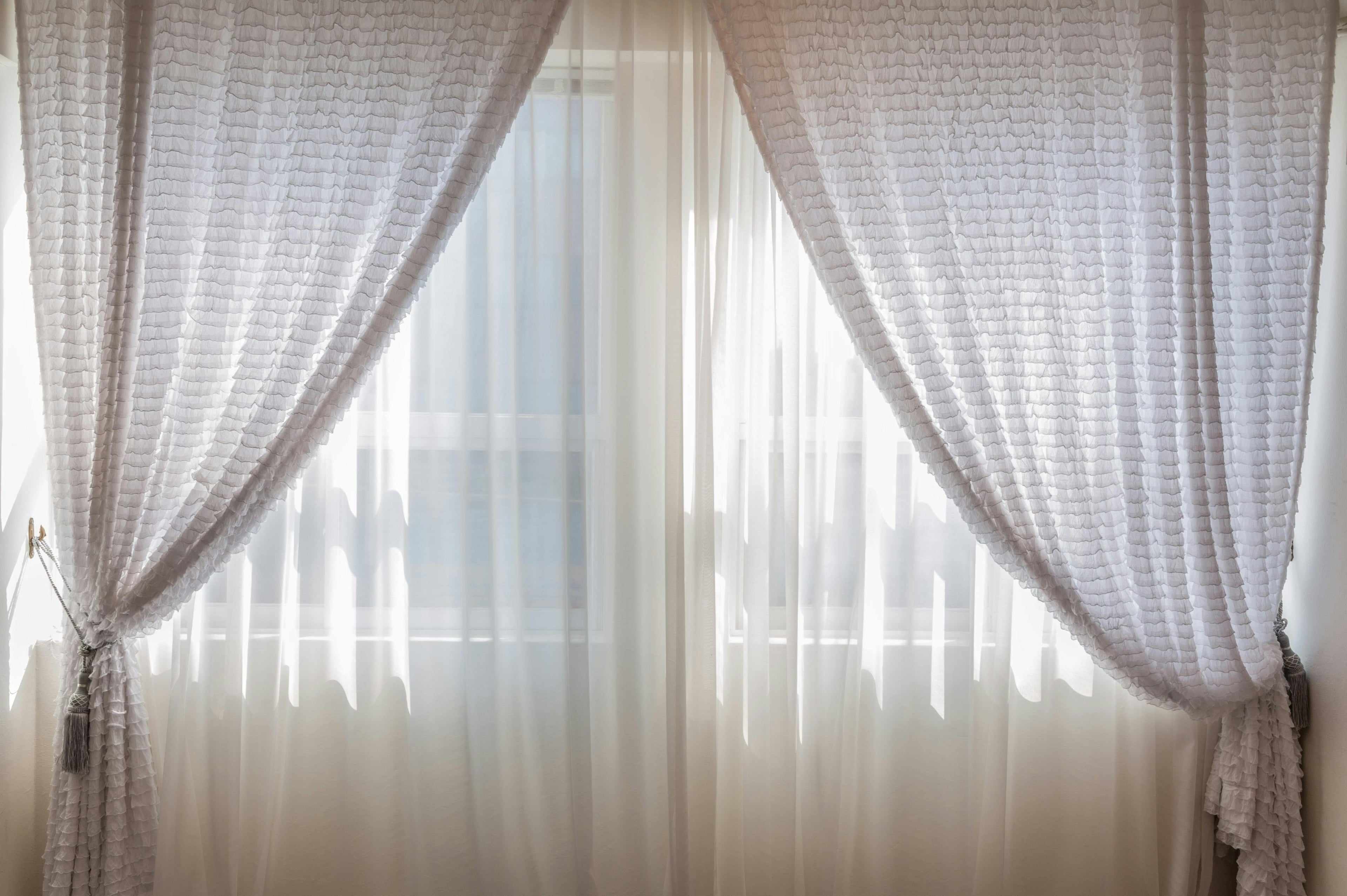
- Combine green trellises and outdoor sheer curtains for modular protection
Conclusion: Towards a thriving and sustainable green balcony
Creating a successful green balcony relies on a thorough understanding of your plants' specific needs and the unique constraints of your urban environment. By avoiding these fundamental mistakes and applying our targeted recommendations, you will progressively transform your outdoor space into a truly flourishing and balanced urban ecosystem. Patience remains your best ally: a green balcony beautifies and perfects itself season after season, offering an evolving and deeply satisfying gardening experience.
Share
