



















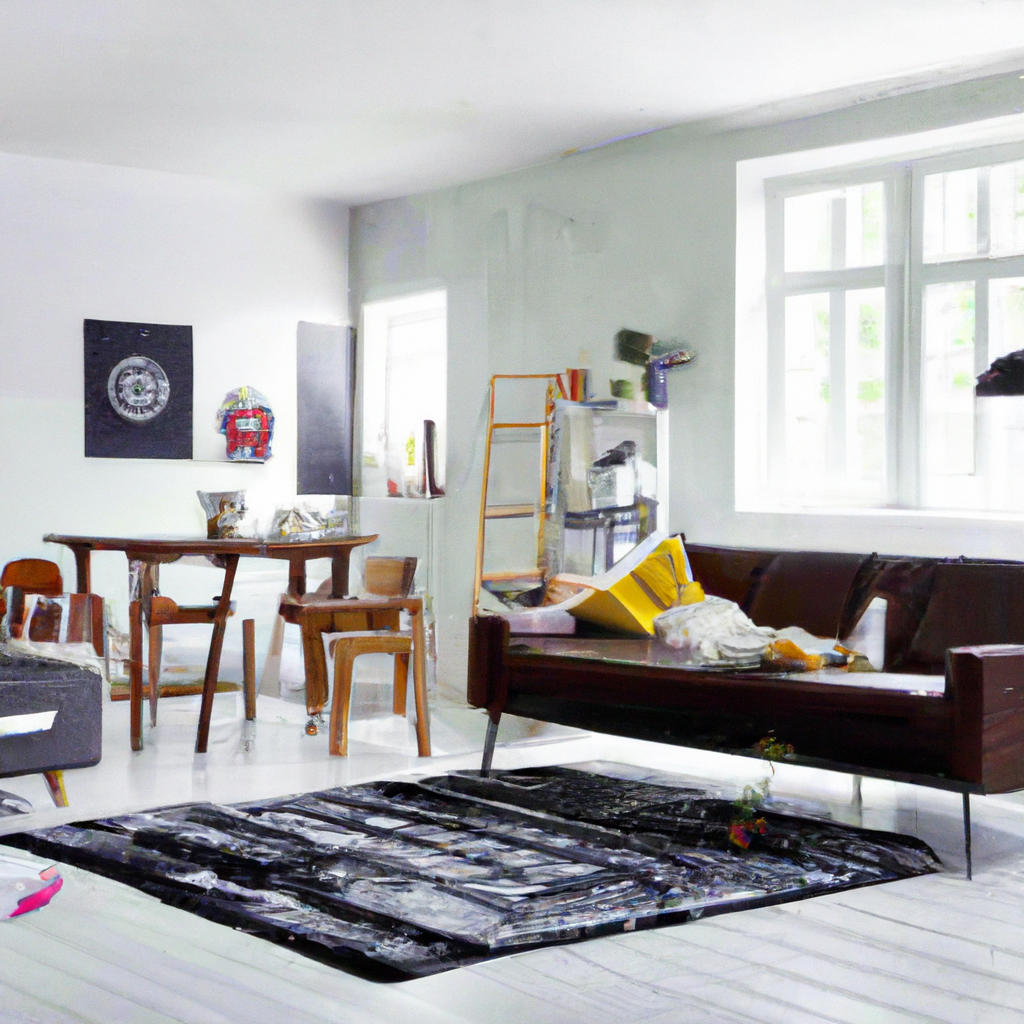
How to incorporate cushions into a Scandinavian dining room?
Nordic winter invites you to rethink the art of entertaining, where every textile detail contributes to a cocooning atmosphere. Adding cushions to your Scandinavian dining room is more than a decorative flourish: it is a gesture that marries sensory comfort with serene minimalism. Soft textures, geometric patterns and hues drawn from frozen landscapes turn your meals into hygge rituals. Let yourself be guided towards harmonies where function meets pared-back elegance, for a space that feels both alive and tranquil.
How to integrate cushions into a Scandinavian dining room: A complete and trendy guide for 2026
Introduction
Scandinavian style represents an essential decorative trend, born in Nordic countries where winters are particularly long and dark. This Nordic aesthetic aims to create a soothing and bright interior, with warm spaces imbued with a serene and hygge ambiance. This minimalist and functional design transcends eras by adapting harmoniously to all interiors, pairing particularly well with the clean lines of contemporary furniture.
The fundamentals of Scandinavian decoration with cushions
Textiles are a fundamental element in Scandinavian design, bringing softness and conviviality to the space. These decorative accessories should never be overlooked as they create an essential visual contrast while significantly enhancing the comfort and warmth of your dining room.
Distinctive characteristics of Nordic cushions
For a perfectly successful integration into your Scandinavian dining space, prioritize:
- Black and white geometric patterns for a contemporary visual impact
- Soft and pastel hues like glacier blue to infuse serenity and lightness
- Cushions in faux fur or mohair for a comforting hygge atmosphere
- Covers with minimalist patterns inspired by Nordic nature
Judicious selection of materials and textures
Explore the richness of soft and natural materials:
- Merino wool or alpaca cushions for authentic warmth
- Textiles with subtle geometric patterns reminiscent of Scandinavian craftsmanship
- Organic materials like linen or organic cotton for an ecological approach
- Contrasting textures that stimulate the senses and enrich the tactile experience
2026 trends for cushions in Nordic dining room design
The new 2026 directions in Scandinavian design are characterized by:
- Resolutely warm and welcoming atmospheres
- A meticulous and intentional selection of materials and color palettes
- The creation of deeply personalized spaces promoting daily well-being
- The integration of functional decorative elements that tell a story
Color harmonies and contemporary patterns
The Scandinavian palette draws its inspiration directly from Nordic landscapes:
- Luminous white as a neutral and reflective base
- Pearl gray or anthracite shades evoking the pebbles of Baltic shores
- Bluish tones recalling fjords, the sea, and the Nordic sky
- Touches of sage green or terracotta for an organic accent
Innovative materials and sensory textures
In 2026, Nordic designers favor:
- Highly tactile materials stimulating the senses and comfort
- Corduroy or smooth velvet reinterpreting the Scandinavian elegance of the 60s
- Three-dimensional textures bringing depth and character to the space
- Artisanal weavings blending tradition and textile innovation
Strategies for integrating cushions into your Scandinavian dining space
To harmoniously incorporate textile accessories into your dining room:
- Introduce subtle colorful touches (saffron yellow, powder pink) to energize the space
- Explore varied but coherent geometric patterns to create a visual rhythm
- Balance functionality and aesthetics for a convivial and welcoming place
- Alternate solid and patterned cushions for a dynamic yet soothing composition
Principles of arrangement and visual balance
Multiply cushions with moderation and discernment:
- Select soft and enveloping cushions for the comfort of guests
- Preserve the clean essence characteristic of Scandinavian design
- Avoid decorative overload that would harm the minimalist harmony
- Create asymmetrical yet balanced compositions for a natural effect
Mistakes to avoid for authentic Scandinavian decoration
- Overloading the space with too many decorative elements, compromising the Nordic minimalist philosophy
- Choosing colors that are too bright or saturated, which would contradict the soft Scandinavian aesthetic
- Neglecting the overall harmony between the cushions and other decorative elements
- Ignoring proportions and balance between the different textiles in the room
- Selecting synthetic materials without authentic tactile character
Budget considerations and purchasing advice
The beauty and accessibility of Scandinavian style lie in its remarkable adaptability:
- Every budget can adopt this aesthetic thanks to varied options
- Possibility to gradually integrate textile elements without major transformation
- Ease of adaptation to personal preferences while respecting Nordic codes
- Purchase options ranging from authentic Scandinavian designers to affordable alternatives
Where to find quality Scandinavian cushions
To enrich your collection of Nordic cushions:
- Explore specialized Scandinavian design shops for authentic pieces
- Discover local artisans inspired by Nordic textile techniques
- Consult online platforms offering contemporary Scandinavian creations
- Visit accessible stores offering collections inspired by Nordic design
Conclusion and final inspiration
Scandinavian decoration remains a timeless style that constantly reinvents itself while preserving its essence. The judicious integration of cushions into your dining room will allow you to create a restorative and welcoming space, where family and friends can gather comfortably. This cocooning haven at the heart of your interior will perfectly embody the hygge spirit so dear to Nordic philosophy, combining beauty, functionality, and daily well-being.
Share
