















How to incorporate a throw into a small 25m² bedroom?
In a 25-square-metre bedroom, every object must earn its keep with dual purpose: the throw excels here, marrying warmth and style without claiming floor space. Its texture, colour and placement transform your sleeping quarters into a bespoke cocoon. You will learn to select the ideal material, coordinate shades to visually expand the room, and drape the fabric with effortless grace. Let this guide show you how a simple accessory becomes the defining decorative asset of your compact sanctuary, where tactile softness and thoughtful hues conspire to create an intimate, restful haven.
How to Integrate a Throw Blanket in a 25 m² Bedroom?
In a 25 m² bedroom, every decorative element counts double: it must be beautiful and useful. The throw blanket perfectly fulfills this dual role. A source of warmth on winter evenings, a touch of color on a well-made bed, an extra layer for cool nights... It's one of the few accessories capable of instantly transforming the ambiance of a room without taking up a single centimeter of floor space.
This guide explains how to choose, arrange, and coordinate your throw blanket in a compact space to achieve a result that is both cozy and visually airy.
Which Throw Blanket Material to Choose for a Bedroom?
The choice of material is crucial, as it influences the comfort, visual appearance, and maintenance of your throw blanket. Here are the most suitable options for a bedroom:
- Merino wool: naturally thermoregulating, it retains heat without causing excessive sweating. Its slightly curly texture adds relief to the bed. Ideal for autumn and winter.
- Waffle or honeycomb cotton: light and breathable, perfect for mid-seasons and bedrooms that heat up quickly. Its textured weave creates an interesting visual effect even on an all-white bed.
- Washed linen: the choice par excellence for summer. Its natural wrinkles give a relaxed and elegant look. It improves with time and washing.
- Faux fur or sherpa: for an immediate cocooning ambiance. Use sparingly in a small space (one blanket is enough) to avoid a cluttered effect.
In a compact bedroom, avoid materials that are too thick or bulky, which would visually weigh down the bed. A thin but textured throw blanket will always be more elegant than a thick, poorly draped blanket.
Which Colors to Prioritize in a Small Space?
The color of your throw blanket directly influences the perception of space. In a 25 m² bedroom, follow these principles:
- Light and neutral tones (beige, ecru, pearl gray, off-white): they visually enlarge the room and create a soothing atmosphere conducive to sleep.
- Soft and muted tones (sage green, softened terracotta, celadon blue, powdery pink): they add personality without shrinking the space. These are the most versatile shades.
- A more pronounced accent (ochre, teal, rust): reserve for a single throw blanket if you want to create a focal point on the bed. In this case, keep the rest of the bedding in neutral tones.
The key trick: repeat the color of your throw blanket in at least one other textile element in the bedroom, like your cushion covers or your sheer curtains, to create immediate visual coherence.
How to Arrange a Throw Blanket on a Bed: 4 Techniques That Work
The way you place your throw blanket radically changes the result. Here are the four most effective arrangements for a bed in a small bedroom:
The Diagonal Drape
Fold your throw blanket in half lengthwise and place it diagonally on the lower third of the bed. This arrangement creates movement and a chic, relaxed effect. It works particularly well with linen or light cotton throws.
The Fold at the Foot of the Bed
Fold the throw blanket in three and place it horizontally, well-aligned with the edge of the bed. The result is more structured, almost hotel-like. Ideal for wool or cashmere throws whose material you want to highlight.
The Side Cascade
Place the throw blanket asymmetrically so it falls slightly over one side of the bed. This slight overflow brings life and avoids a too rigid look. Perfect technique for materials that drape well (merino, mohair).
The Rolled Throw
Loosely roll your throw blanket and place it against the pillows or at the foot of the bed. This is the most space-saving solution, ideal when you use the bed as a seat during the day in a studio bedroom.
Optimizing Storage in a Compact Bedroom
When space is limited, storing your textiles requires a bit of organization. A few practical solutions:
- The woven basket at the foot of the bed: a jute or wicker basket holds one or two rolled throws. It serves as both storage and a decorative element.
- The decorative ladder: leaning against the wall, it allows you to drape your seasonal throws while adding verticality to the room, which reinforces the impression of ceiling height.
- The storage bed: the most effective solution for storing off-season throws without cluttering the bedroom.
- The bench at the foot of the bed: if space allows, it offers a seating surface and a natural support for your throw.
Coordinating Your Throw Blanket with the Rest of the Bedroom
A well-integrated throw blanket interacts with the other elements in the room. Here's how to create a harmonious ensemble without overloading a 25 m² space:
- Bedding: if your throw is textured (curly, knitted), opt for smooth, solid-colored sheets and a blanket. The contrast in textures creates depth without visual confusion.
- Cushions: two to three decorative cushions maximum on the bed. Pick up a tone present in the throw for one of them.
- Floor: a soft rug at the foot of the bed completes the cocoon feeling and visually defines the sleeping area in a multi-purpose bedroom.
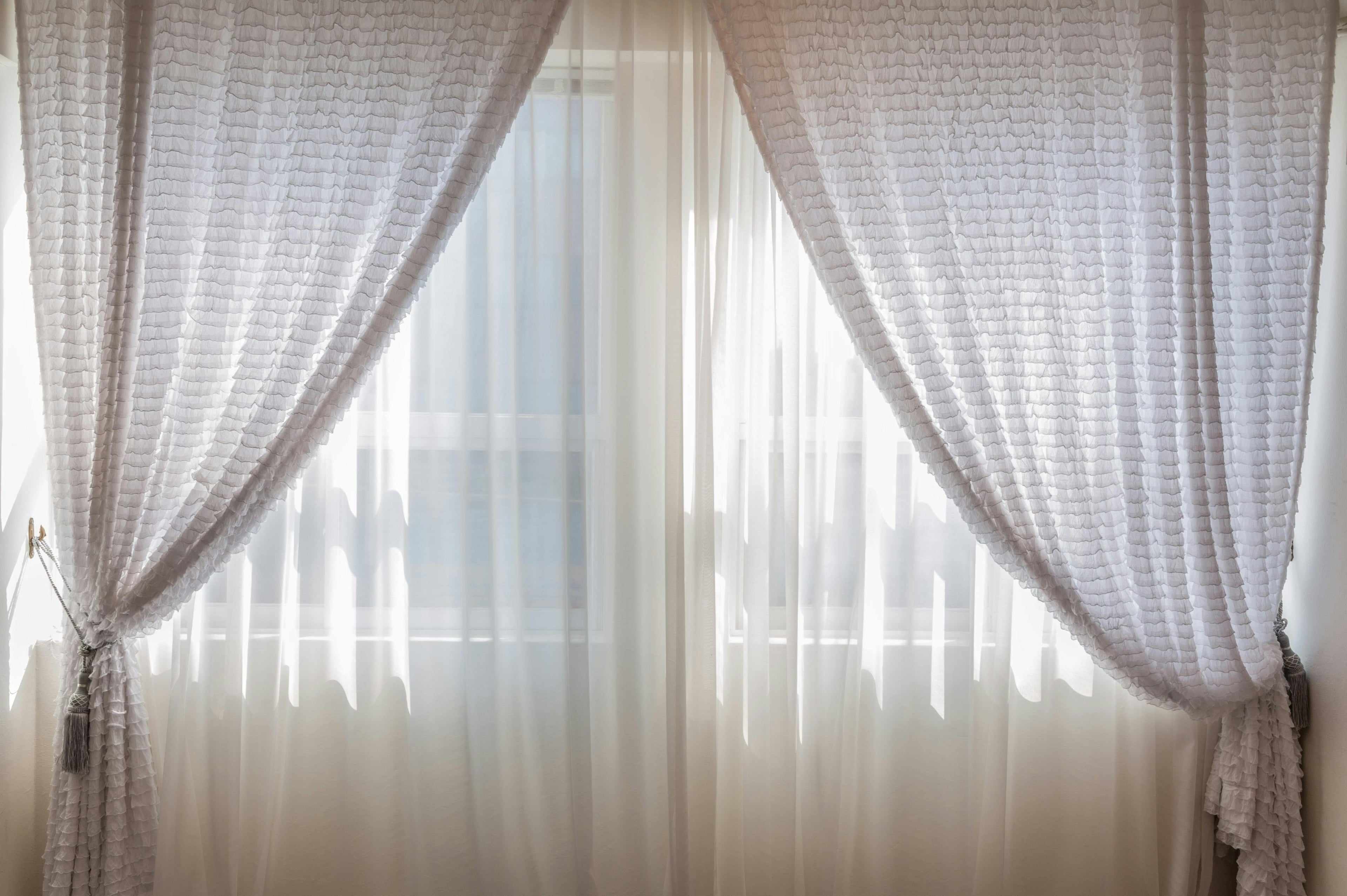
- Windows: blackout curtains matching your palette create a coherent color envelope and improve your sleep quality.
- Ambiance: one or two candles on the nightstand reinforce the warm atmosphere that your throw initiates.
- Light: a mirror placed facing the window amplifies natural light and visually enlarges the space.
The goal in a small space is to create a tight palette (maximum 3 colors) and play with textures rather than multiplying patterns.
Mistakes to Avoid in a 25 m² Bedroom
- Accumulating too many throws: in a small space, one well-chosen throw on the bed is enough. A second can dress an armchair, but beyond that, you risk a cluttered effect.
- Choosing overly busy patterns: large checks, dense prints, or highly contrasting patterns visually shrink the room. Prefer solids, thin stripes, or tone-on-tone textures.
- Neglecting proportion: a king-size throw on a single bed overhangs everywhere and weighs down the whole. Measure your bed and choose a throw whose width does not exceed that of the mattress by more than 30 cm on each side.
- Forgetting maintenance: a throw that pills or deforms after two washes loses all its decorative interest. Always check the care instructions before purchase and favor materials that improve with time.
The Art of Layering: Superimposing Textures with Precision
Textile layering (or layering) is decorators' favorite technique for giving depth to a bed. In a compact bedroom, the rule is simple: layer textures, not volumes.
An example of successful layering: percale cotton sheets (smooth) + a light cotton gauze blanket (airy) + a knitted or wool throw (textured) at the foot of the bed. Each layer adds a different tactile sensation without visually weighing down the whole.
To go further in this cocooning approach, discover our tips for achieving a Scandinavian-inspired cocooning decoration. And if you want to apply the same principles to your living room, consult our guide on integrating throws in a small living room.
Explore our throw blanket collection now to find the piece that will transform your bedroom into a true cocoon.
Share
