















How to optimize a kitchen with a mirror?
A single mirror can transform your kitchen without the need for major renovation. By playing with light and perspective, it expands the space, elevates the atmosphere, and becomes a key decorative asset. Yet integrating one into a room subject to steam and splashes requires careful thought. Where to place it, which size to choose, how to maintain it? This guide invites you to explore best practices for turning this accessory into a functional and aesthetic ally, making your daily cooking space feel larger and brighter.
How to Use a Mirror to Enlarge and Elevate Your Kitchen?
The mirror is one of the most effective and least expensive tools for transforming a kitchen without major renovations. By reflecting light and doubling perspectives, it visually enlarges the space, compensates for a lack of brightness, and adds an immediate decorative touch. The key is knowing where to place it, what format to choose, and how to integrate it harmoniously into an environment exposed to steam, splashes, and grease.
Where to Place a Mirror in the Kitchen: Strategic Locations
The mirror's placement determines both its visual impact and its practicality in daily life. Here are the four most effective positions:
As a Backsplash (between the countertop and the upper cabinets)
This is the most spectacular location. A mirror backsplash reflects the room in the background and gives the impression of a kitchen open to a second space. The effect is particularly striking in closed kitchens or kitchenettes. However, a few precautions are necessary:
- Choose a mirror at least 6 mm thick to withstand the demands of a backsplash.
- Fix it with neutral silicone (avoid tile adhesive or resin which can damage the silvering).
- Avoid placing it directly behind a gas cooktop: flames and grease splatter are incompatible. However, it is suitable behind an induction cooktop if you maintain it regularly.
Facing a Window
A mirror placed opposite a window doubles the natural light entering the room. This is the ideal configuration for north-facing kitchens or those with only one opening. The amplified brightness reduces the need for artificial lighting during the day and makes the space much more welcoming.
On a Clear Side Wall
A large mirror (80x120 cm or more) placed on a free wall creates immediate visual depth. This is the simplest solution to implement: no cutting, no complex installation. A mirror leaned against the wall, placed on the floor and slightly tilted, gives a contemporary and relaxed look.
On or Beside the Sideboard / China Cabinet
A mirror placed above a sideboard highlights displayed objects (dishes, vases, candles) by reflecting them and creating a display case effect. This arrangement works well both in a kitchen open to the dining room and in an integrated dining nook.
What Format and Shape of Mirror Should You Choose?
The mirror's format should be proportionate to the available space and your kitchen's style:
- Vertical Rectangle: ideal for narrow walls and long, narrow kitchens. It accentuates the impression of ceiling height.
- Horizontal Rectangle: perfect as a backsplash or above a low piece of furniture. It visually widens the room.
- Round or Oval: softens a kitchen with strict geometric lines (cubical cabinets, subway tile). The round mirror is particularly trendy in Scandinavian or contemporary kitchens.
- Arched: the most decorative format at the moment. Its architectural shape adds character and suits kitchens with a Mediterranean style, bohemian, or revisited classic style.
- Composition of Small Mirrors: 3 to 5 mirrors of different formats grouped on the same wall create a gallery effect without requiring a large free wall section.
What Frame According to Your Kitchen's Style?
- Raw or Recycled Wood Frame: for warm, rustic, or chic country kitchens.
- Black Metal Frame: the most versatile choice. It integrates into industrial, modern, or Scandinavian kitchens.
- Brass or Gold Frame: adds a touch of elegance to classic or art deco kitchens.
- Frameless (Edge-to-Edge Mirror): the most streamlined look, ideal for a backsplash or a minimalist effect.
Mirror and Small Kitchen: The Golden Rules
It's in small kitchens that the mirror unleashes its full potential. Here are the configurations that work best in a space under 10 m²:
- Full-Height Mirror on a Narrow Wall: it creates a long perspective and makes the kitchen appear twice as large.
- Mirror at the Back of a Niche or Shelf: it enlarges the open storage without taking up additional space.
- Mirror Strip Between Backsplash and Upper Cabinets: even a strip 20-30 cm high is enough to add depth and light.
On the other hand, avoid multiplying mirrors in a small kitchen: one well-sized and well-placed mirror is more effective than three small mirrors scattered around, which create a cluttered effect.
Harmonizing the Mirror with Your Kitchen Decor
A mirror doesn't work alone: it reflects everything around it. Here's how to create a coherent ensemble:
- Countertop and Backsplash: if your mirror serves as a backsplash, coordinate the accessories visible on the countertop. A few chosen elements (wooden board, glass jars, aromatic plant) will be reflected and visually doubled.
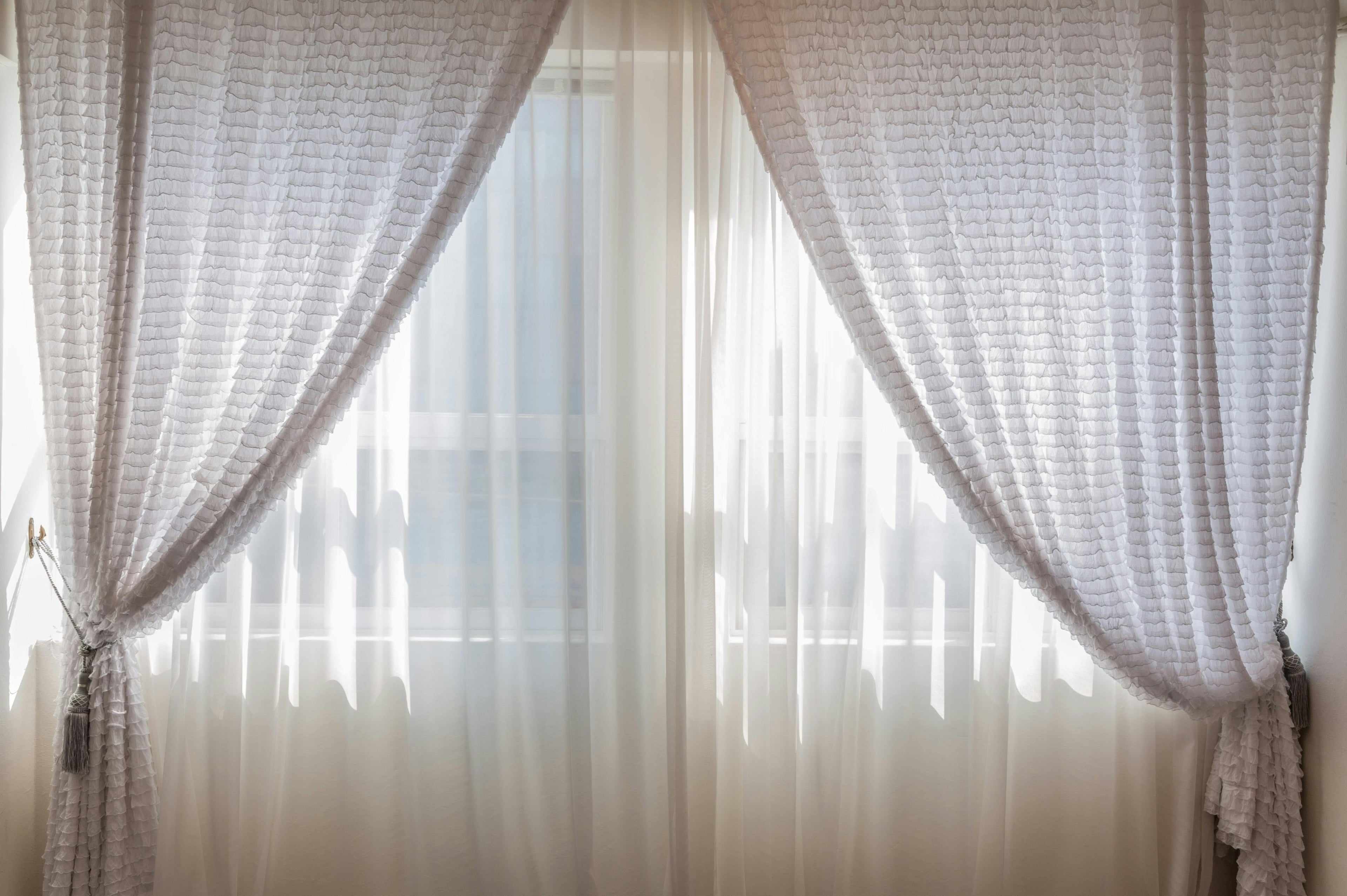
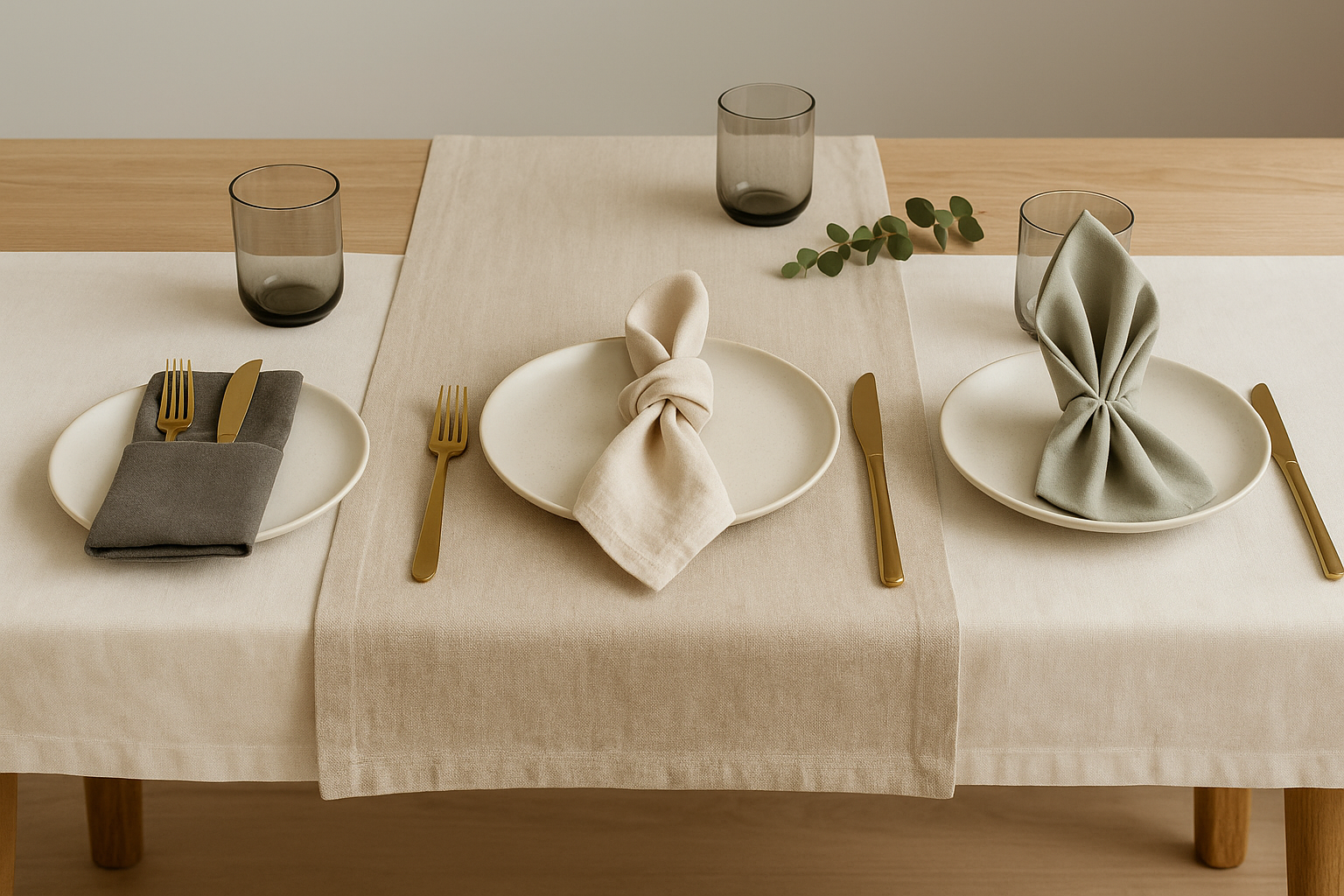
- Kitchen Textiles: a kitchen curtain in a shade that complements the mirror's frame unifies the space. Complete with a matching tablecloth or table runner if you have an integrated dining nook.
- Floor: a kitchen rug in coordinating tones in front of the sink or countertop anchors the decor and adds comfort.
- Decorative Objects: place a few decorative elements near the mirror to enrich the reflection: a vase with fresh herbs, a candlestick, a small wooden tray.
For more ideas on using mirrors in your interior, also consult our guide on mirrors in the bedroom and our tips for choosing a metal mirror for the entryway.
Maintenance: Keeping a Mirror Impeccable in the Kitchen
In the kitchen, the mirror is more exposed to splashes and steam than in other rooms. Regular and appropriate maintenance is essential:
- Regular Cleaning: a damp microfiber cloth is enough for light marks. For grease stains, use a mixture of warm water and white vinegar (half and half) sprayed directly onto the mirror.
- Persistent Stains: a few drops of dish soap on a damp cloth remove cooking residue. Rinse with white vinegar for a streak-free finish.
- Preventive Protection: a hydrophobic treatment (anti-fog spray for mirrors or windshield product) forms an invisible film that repels water and grease. Reapply every 2-3 months.
- Avoid: abrasive sponges, ammonia-based products (which attack the silvering long-term), and newspaper (which can leave ink residue).
Browse our mirror collection to find the model that will enlarge and illuminate your kitchen.
Share
