
















What to do with storage containers in the kitchen?
In your kitchen, the chaos of cluttered cupboards nibbles away at your time and peace of mind every day. Yet a simple, elegant solution exists to regain control: storage containers. Far more than mere boxes, they become true allies for organising your staples, reducing waste and elevating your culinary space. Here, you will learn to choose them by material and purpose, for a kitchen that is both functional and harmonious. Let yourself be guided towards a smoother daily life.
Kitchen Storage Containers: Organize, Preserve, and Elevate Your Pantry
Storage containers, jars, and airtight containers are much more than simple accessories: they are tools for culinary organization, food waste reduction, and kitchen styling. Well-chosen and properly used, they streamline meal prep, limit waste, optimize cabinet space, and make your countertop readable at a glance. This comprehensive guide brings together the best kitchen organization practices (FIFO method, labeling, categorization), layout ideas (verticality, compartmentalized drawers, lid storage), and tips for preserving dry goods, in the refrigerator and freezer, so every airtight container works for you.
Decoration bonus: the visual harmony of containers, jars, and textiles creates a "contemporary pantry" effect. To go further in interior decoration, also consider window treatments, which finalize the room's ambiance.
Choosing the Right Containers: Materials, Sizes, and Uses
Glass Jars: Visibility and Neutrality
Glass (ideally borosilicate) is inert, absorbs neither odors nor colors, and offers perfect visibility of contents. It is suitable for dry goods (flours, rice, pasta, legumes, sugar, cereals, granola, nuts). Opt for lids with a silicone seal and clamp or screw-on closure for true airtightness.
Food-Grade Plastic Containers: Lightweight and Modular
High-quality plastic containers (PP, PET, or Tritan) are ideal for batch cooking, freezing, and transport. Look for "BPA-free" labels, stackable designs, and microwave/dishwasher compatibility. Flat lids and standard (rectangular) sizes optimize volume on shelves.
Metal or Ceramic Containers: Light Protection
For coffee, tea, infusions, cocoa, and certain light-sensitive spices, opaque containers (metal or ceramic) limit oxidation and aromatic deterioration.
Open Baskets and Bins: Grab-and-Go and Categorization
Open bins (wicker, metal, plastic) serve as "virtual drawers" in your cabinets: kids' snacks, breakfast, bakery/pastry, condiments. They group frequently used products and speed up access.
Recommended Sizes
- Small containers (0.3–0.7 L): spices, seeds, yeasts, dehydrated sourdough starter, dry condiments.
- Medium (0.9–1.4 L): rice, semolina, lentils, sugar, breadcrumbs.
- Large (1.6–3 L): long pasta, rolled oats, flour, pet kibble.
- Rectangular dishes: fridge leftovers, meal prep, lasagnas, gratins.
What to Put in Storage Containers? The Winning "Mix"
The Pantry Foundation
- Grains and Starches: rice, pasta, quinoa, couscous, polenta, rolled oats.
- Legumes: lentils, chickpeas, dried beans (red, white, black), split peas.
- Baking Ingredients: flours, cornstarch/potato starch, white/brown sugar, yeast, baking soda, cocoa.
- Nuts & Seeds: almonds, walnuts, hazelnuts, pumpkin seeds, sesame, chia, flax.
- Dry Condiments: breadcrumbs, panko, bouillon cubes, dried seaweed, nutritional yeast.
- Snacks: dried fruit, cereal bars, cookies, crackers.
Refrigerator: Containers for Visibility and Safety
Use transparent containers for leftovers, batch cooking preps, composed salads, pre-cut vegetables. Place highly perishable items (cooked meats/fish, opened dairy) within sight to consume first. Transparency + labeling limits forgetfulness and reduces waste.
Freezer: Standardize Volumes
Prefer rectangular containers of repeated sizes (e.g., 500 ml / 1 L) to stack without wasting space. Label the preparation date and portion ("2 servings chili con carne", "400g bolognese base").
Categorize, Label, and Find Everything at a Glance
Simple and Effective Labeling Method
- Food name + opening/preparation date + best before/use by date if relevant.
- Label color by category (baking, breakfast, condiments, legumes, snacks).
- Add, if needed, the net weight (useful for recipes) and allergens.
Useful Equivalences and Volumes
Keep a cheat sheet: "1 L ≈ 800–900 g of rice", "1 L ≈ 500–600 g of short pasta", "1 L ≈ 650–700 g of flour" (indicative values), to choose the right container and avoid half-empty boxes.
Lightweight, Sustainable Inventory
Without over-engineering: a magnetic list on the fridge with 3 columns (to buy / OK / overstock) is enough. For tech enthusiasts, a small QR code stuck on the box linking to a note (Google Keep, Notion) works very well.
The FIFO Method in the Kitchen: The Ally of Food Waste Reduction
Principle
FIFO (First In, First Out): what goes in first comes out first. Concretely: older items are placed in front of newer ones. Result: less waste, smooth rotation, better-calibrated shopping.
Practical Setup in 15 Minutes
- Empty a shelf, declutter, check dates, group by categories.
- Install open bins (snacks, breakfast, canned goods, condiments, baking).
- Place older items in front, new ones behind.
- Add labels & dates. Schedule a 10-minute routine check each week.
Pro Tip
Transferring opened packages (pasta, rice, flakes) into uniform containers stabilizes FIFO rotation and makes stock levels visible at a glance.
Saving Space: Leveraging Verticality and "Lost" Zones
Doors and Backs of Doors
Add hanging storage (rails, grids, baskets). Spice racks or cling film holders on the backs of doors free up an entire shelf.
Compartmentalized Drawers and "Virtual Drawer" Boxes
In a deep cabinet, dividers + open boxes create ready-to-pull-out modules. Dedicated to a task (baking, appetizers), they limit back-and-forth trips.
Lid Organization: No More "Junk Drawer"
- Adjustable lid organizer in a shallow drawer;
- Repurposed plate rack for lids stored vertically;
- Narrow "magazine holder" type boxes for airtight container lids.
Sliding Shelves, Under-Shelf Baskets, and Turntables
Telescopic shelves make the back of cabinets accessible; under-shelf baskets utilize unused height; turntables (lazy Susans) streamline access to sauces and oils.
Deco & Practicality Tip
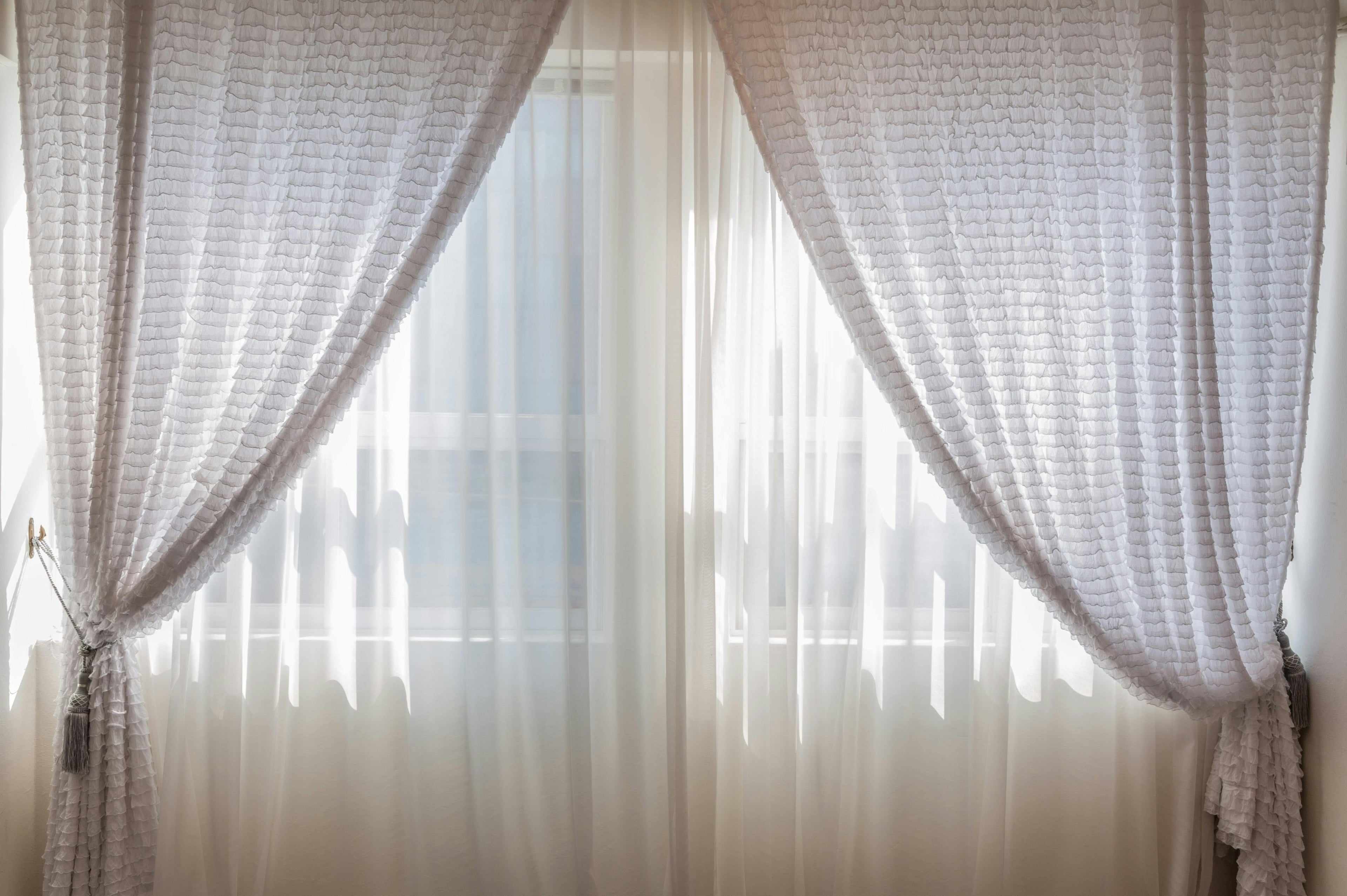
If your cabinets are open, a transparent voile curtain can visually conceal a storage zone while letting light through, especially in a small, bright kitchen.
Hygiene & Preservation: Best Practices for Dry Goods, Fridge, and Freezer
For Dry Goods
- Transfer upon opening into clean, dry airtight containers.
- Label opening date and indicative shelf life.
- Avoid humidity: place away from the dishwasher and sink/cooking area.
In the Refrigerator
- Closed containers for leftovers; cool to core temperature before sealing.
- Place highly perishable products within sight to respect FIFO.
- Reserve themed bins: cheeses, charcuterie, lunch, snacks.
In the Freezer
- Choose freezer-compatible containers, leave an air gap for expansion.
- Indicate date, contents, and portion.
- Group by category (prepared meals, sauce bases, breads), and keep a mini external list.
Cleaning and Rotation
Wash containers and (silicone) seals regularly. With each restocking, finish the remaining contents before adding new ones (no systematic mixing) to avoid "eternal leftovers".
Decor and Ergonomics: When Organization Becomes Aesthetic
Palette and Materials for Visual Unity
Combine glass, wood, and metal for a modern pantry look. Align jar heights, group by colors (light flours, golden cereals, colorful legumes) and use understated labels.
Textiles and Window Treatments
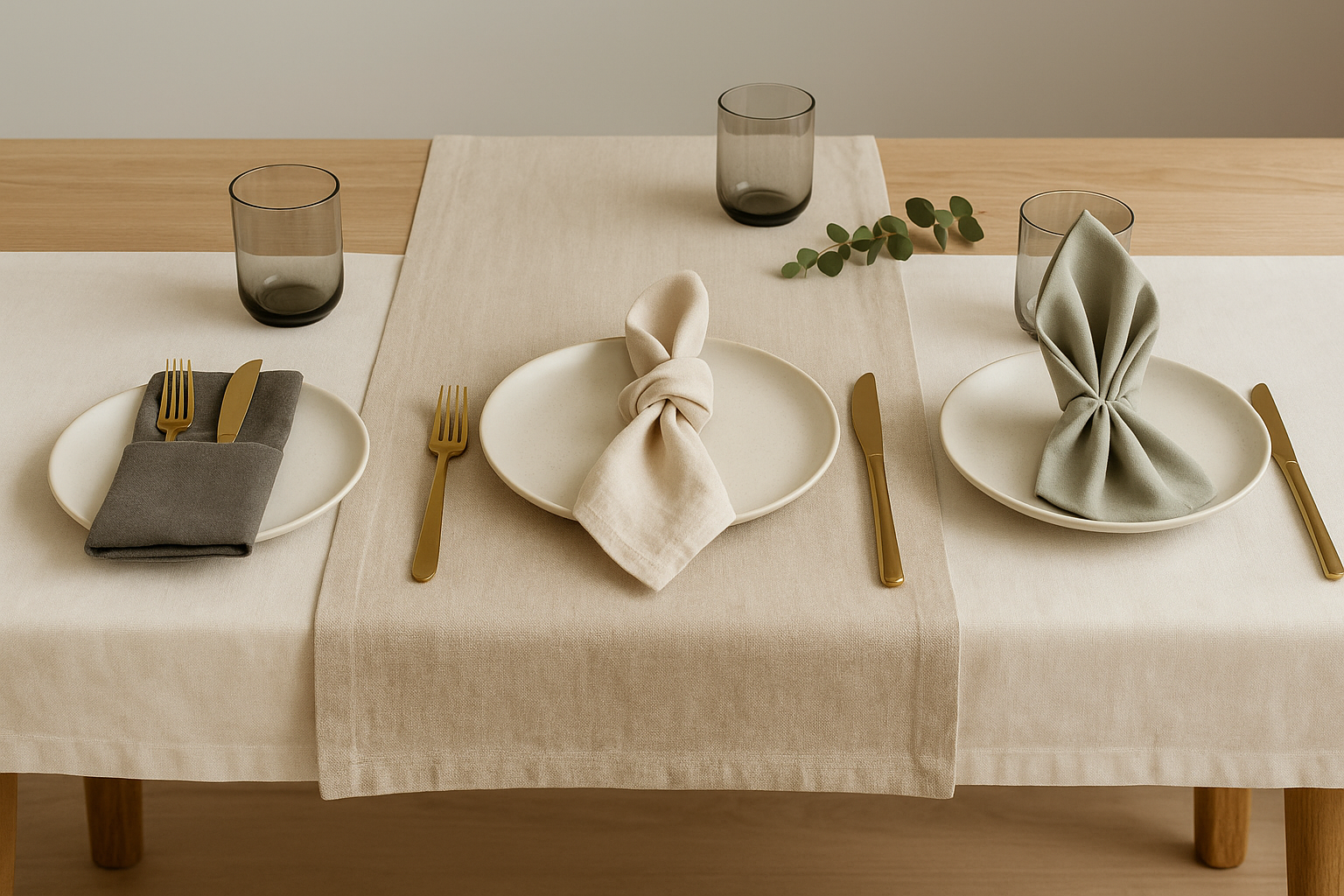
In a kitchen with open shelving, textiles contribute to the ambiance (tablecloths, tea towels, curtains). For a kitchen window, explore the dedicated collection of kitchen curtains to filter the view and warm the atmosphere without weighing down the space.
Function and Flow
Place categories close to their point of use: baking near the mixer, breakfast near the kettle, spices near the cooking area (away from direct heat). The basics of ergonomics: limit steps and repeated openings.
Action Plan: Reorganize Your Containers in One Afternoon
Step 1: Express Audit
- Empty cabinets one by one, sort by category, discard expired products.
- Measure the usable height between shelves to choose the right stackable sizes.
Step 2: Storage Architecture
- Assign a shelf to each major category (baking, starches, condiments, snacks, canned goods).
- Create active zones (daily use) and a reserve zone (back-stock on top/bottom).
- Install open bins and uniform containers, then stick on labels.
Step 3: FIFO & Routine
- Old in front, new behind. Note dates on the front.
- 10 minutes every Sunday: tidying up, small targeted shopping list.
Clever Ideas for Lids and Accessories
Dedicate a shallow drawer to lids: an adjustable lid organizer or a simple plate rack placed in the drawer allows for ultra-readable vertical storage. In a cabinet, narrow "magazine holder" type boxes store lids by size. Label the box: "round / rectangle / small / large".
Common Mistakes to Avoid
- Multiplying container types: variety of sizes hinders stacking and readability.
- Transferring without labels: you forget the date and even... the contents (T45/T55 flour?).
- Filling to the brim: leave a little air, especially in the fridge and freezer.
- Placing essentials too high: keep daily use items at eye level.
- FIFO: bring opened products and items with close dates to the front.
Practical Cases by Zone
Upper Cabinets
- Reserve (back-stock) in large capacity containers for flours, rice, pasta.
- Bins by family: canned goods, sauces, plant milk, sweets.
Lower Drawers
- Dividers + open boxes for utensils, spices laid flat, or snacks.
- Non-slip mat to stabilize modules.
Countertop
- Timeless trio in jars: salt, sugar, coffee. Add an opaque tea container.
- Turntable for oils and vinegars: quick access + contained drips.
Refrigerator
- Containers by meal (Monday, Tuesday…) for batch cooking, visible at the front.
- "Use soon" bin to manage FIFO and limit waste.
Freezer
- Columns by category: prepared meals, sauce bases, stocks, breads.
- Labels with date + number of servings; update the mini external list.
Integrating Organization into Kitchen Decor Choices
Harmonize containers (range, lid colors, label typography) and textiles (tea towels, tablecloths, curtains). For openings facing the street or courtyard, kitchen curtains or a kitchen voile diffuse light while slightly obscuring open storage areas.
If your kitchen is decidedly contemporary, also see our "curtains for a modern kitchen" tips to align functionality and style.
"Containers & Organization" Shopping List to Get Started
- 8–12 glass jars (0.9–1.4 L) + 4 large ones (2–3 L).
- 6–10 stackable rectangular containers (500 ml / 1 L) for fridge/freezer.
- 4–6 open bins (snacks, breakfast, condiments, baking).
- 1 lid organizer + 1 or 2 narrow "magazine holders".
- Labels + permanent marker (or label printer), ribbon for color coding.
- 2 turntables, 2 under-shelf baskets, 1 rail/spice rack for the back of a door.
In Summary: Your Containers Become a System
By aligning suitable materials (glass, food-grade plastic, metal/ceramic), standardized sizes, clear labeling, and FIFO, your storage containers transform the kitchen: less clutter, less waste, more cooking pleasure. Aesthetics also matter: unifying containers and caring for window treatments completes the picture. Explore the kitchen curtains collection, choose a suitable transparent voile, and continue with our dedicated tips for curtains for a modern kitchen.
Share
